
FR clothing, or flame resistant apparel, acts as a vital safety shield. It’s designed to self-extinguish when exposed to flames or electric arcs, significantly reducing burn severity and allowing crucial extra time for escape. This guide will illuminate why FR-rated clothing is indispensable, how industry benchmarks like NFPA 2112 and NFPA 70E safeguard your workforce, which fabrics offer superior protection, and the key benefits FR workwear delivers across major sectors. We’ll also touch upon how VisonSafety’s manufacturing expertise supports custom bulk orders and ensures adherence to global regulations. By the end, you’ll possess a comprehensive understanding of FR clothing—its definition, how it functions, its certifications, applications, and advantages—along with practical insights for selecting and sourcing top-tier flame resistant garments.
Understanding FR Clothing: Definitions and Key Distinctions
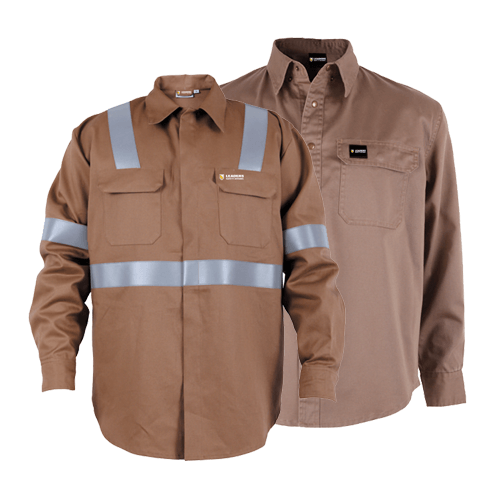
Get a Custom FR Clothing Quote from VisonSafety
What is Flame Resistant Clothing and How Does It Work?
Flame resistant clothing is specialized textile gear engineered to self-extinguish once ignited, preventing it from continuing to burn and thus protecting the wearer from severe thermal harm. Its protective mechanism relies on either the inherent chemical makeup of the fibers or durable chemical treatments that interrupt the combustion process at the fabric’s surface, cutting off oxygen and heat flow. Fabrics that are inherently FR have flame-resistant polymers integrated directly into each fiber. Treated materials, on the other hand, receive a finish bonded to the textile that resists washing out. Both methods effectively limit the formation of molten droplets and reduce heat transfer to the skin. Grasping this self-extinguishing action is fundamental to comparing FR clothing with other types of PPE and understanding relevant standards.
What’s the Difference Between Flame Resistant, Flame Retardant, and Arc Rated Clothing?
When selecting protective workwear, it’s essential to differentiate these three categories based on their design, performance characteristics, and intended applications.
| Clothing Type | Primary Protection Against | Key Feature |
|---|---|---|
| Flame Resistant | Thermal hazards and fire exposure | Self-extinguishes without melting or dripping; protection is inherent or applied via treatment. |
| Flame Retardant | Initial ignition | Delays ignition but may melt or drip once exposed to significant heat. |
| Arc Rated | Electrical arc hazards | Features an Arc Thermal Performance Value (ATPV) determined through NFPA 70E testing. |
Self-extinguishing FR clothing is designed for open flame scenarios like flash fires, while flame retardant treatments primarily slow fire spread in applications like home furnishings. Arc-rated gear is specifically engineered to withstand high-energy electrical discharges, preventing direct thermal contact. These distinctions are critical for selecting the appropriate PPE for specific workplace risks and ensuring regulatory compliance.
Why is FR Clothing Considered Essential Personal Protective Equipment (PPE)?
Flame resistant apparel is classified as specialized PPE because it directly mitigates the severity of burn and arc-flash injuries, serving as a crucial complement to other protective gear like helmets, eye protection, and gloves. By incorporating FR properties into everyday work garments, employers effectively meet OSHA mandates and NFPA guidelines for worker safety. FR clothing provides a predictable protective barrier against hazards, allowing thermal energy to dissipate rather than transfer directly to the skin. Consequently, this leads to a significant reduction in injury severity, associated medical costs, and lost work time. Recognizing FR workwear as fundamental PPE highlights its integral role in comprehensive hazard control and effective risk management strategies.
Key FR Clothing Standards and Certifications Explained
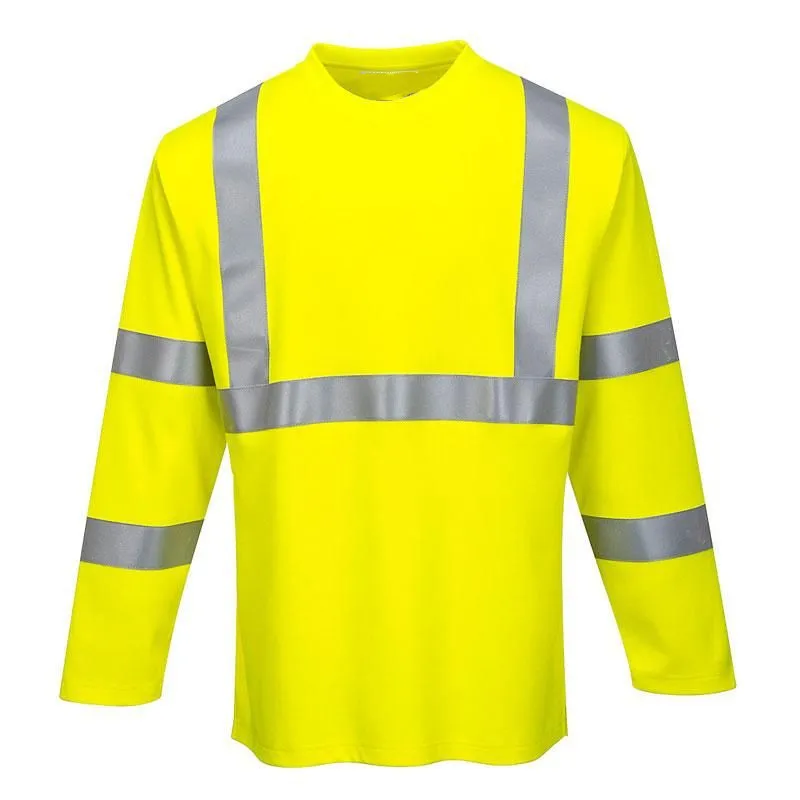
Get a Custom FR Clothing Quote from VisonSafety
What is NFPA 2112 and How Does It Protect Against Flash Fire Hazards?
NFPA 2112 establishes the industry standard for protective garments intended for exposure to short-duration flash fires. It mandates minimum thermal protection performance levels, verified through tests such as the 2-second vertical flame test and heat transfer evaluations. Compliance requires garments to self-extinguish within two seconds and exhibit limited after-flame and after-glow times, ensuring the fabric maintains its integrity under extreme heat. This standard encompasses garment design, materials, labeling requirements, and testing protocols to guarantee reliable flash fire protection across various garment types, including jackets, coveralls, and base layers. Adherence to NFPA 2112 translates into tangible safety improvements for B2B clients in sectors like oil and gas and refining, where the risk of flash fires is a constant concern.
How Does NFPA 70E Define Arc Flash Protection Requirements?
NFPA 70E provides guidelines for electrical safety in the workplace by categorizing Hazard Risk Categories (HRC) based on potential incident energy levels. It also specifies the minimum arc-rated clothing requirements for each HRC. Standardized tests measure the Arc Thermal Performance Value (ATPV) and Energy Break-Open Threshold (EBT) to determine a garment’s capacity to protect against the intense energy released during arc blasts. Employers are responsible for selecting FR apparel that matches the calculated incident energy exposures, ensuring that workers in electrical utilities and maintenance roles are equipped with the correct arc-rated shirts, pants, and outerwear. NFPA 70E’s structured approach ensures that PPE selection is directly aligned with documented risk assessments, maximizing worker protection and reliability.
What Are ASTM F1506 and OSHA Regulations for FR Clothing?
ASTM F1506 standardizes the performance requirements for materials used in arc-rated clothing, focusing on arc thermal performance, tensile strength, and fabric integrity after repeated laundering. When combined with OSHA regulations—particularly 29 CFR 1910.269 for electric power generation and 1910.132 concerning general PPE requirements—this framework mandates that employers provide and maintain appropriate FR gear for their employees. OSHA citations frequently arise from noncompliant fabrics or missing certification labels, underscoring the critical importance of using certified materials and ensuring proper garment care. By adhering to ASTM F1506 and OSHA guidelines, businesses can effectively protect their workers, minimize liability risks, and uphold industry best practices.
Arc-Rated Clothing: Comprehending Performance and Testing Standards
The outcome of arc flash testing yields a rating, or a protection value, expressed in kW/m² [cal/cm²]. This rating, when determined according to ASTM F1959 under ASTM F1506, is subsequently assigned exclusively to materials.
Arc-rated clothing: Evaluation of the effects of sweat & layering on performance, 2019
What International Standards and Certifications Apply to FR Clothing?
For FR apparel intended for global markets, compliance with a range of international benchmarks beyond U.S. standards is essential. ISO 11612 provides specifications for protective clothing against heat and flame in European contexts, while EN 61482 addresses arc flash performance. UL certification offers independent, third-party validation of product safety and performance. Additionally, OEKO-TEX® labels serve as a guarantee of chemical safety in textiles. Manufacturers who align their products with these certifications demonstrate cross-border compliance, providing valuable support to distributors and brands seeking FR workwear solutions that meet diverse international requirements. Understanding this global landscape enables B2B clients to navigate various regulatory environments with confidence.
Exploring FR Fabric Types for Flame Resistant Clothing
What Are Inherently Flame Resistant Fabrics and Their Properties?
Inherently FR fabrics possess flame-resistant polymers integrated directly into the fiber’s molecular structure, offering permanent protection that cannot be washed out. Prominent high-performance fibers in this category include Nomex, Kevlar, and various Modacrylic blends.
| Fabric Type | Key Characteristic | Common Use Cases |
|---|---|---|
| Nomex | Exceptional heat resistance | Arc-rated shirts, hoods, and protective suits. |
| Kevlar | Outstanding tensile strength and cut resistance | Reinforcement in high-wear areas, gloves, and protective accessories. |
| Modacrylic | Soft feel, excellent self-extinguishing properties | General workwear, comfortable liners, and blended fabrics. |
These advanced fibers resist ignition and effectively limit heat transfer, providing durable comfort and reliable protection throughout the garment’s lifespan and numerous laundering cycles.
How Do Treated FR Fabrics Differ from Inherent Fabrics?
Treated FR fabrics are created by applying chemical finishes—often phosphorus- or bromine-based formulations—to conventional fibers like cotton or cotton blends. This treatment forms a protective barrier against flames. Unlike inherently FR fibers, the flame-resistant properties of treated textiles may diminish over time with repeated washing or significant wear, especially if care instructions are not meticulously followed. Treatment methods vary among manufacturers, with some achieving compliance with standards like UL’s trial-by-fire for flash fire hazards. While offering a more cost-effective FR solution for general industrial applications, treated fabrics require diligent quality control to ensure their safety properties remain effective long-term.
What Fabric Properties Affect Comfort, Durability, and Protection?
Choosing the appropriate FR fabric involves balancing weight, breathability, durability, and protective ratings. Lightweight weaves promote better air circulation, which is crucial for comfort in hot environments, while heavier, tightly constructed fabrics typically offer higher arc-rated protection. Other key attributes include moisture-management finishes to keep wearers dry, excellent abrasion resistance for longevity, and a comfortable fabric hand to prevent skin irritation and mitigate health risks like heat stress. Ensuring durable protection relies on the fiber’s resilience to repeated laundering, pilling, and mechanical wear. By prioritizing these characteristics, companies can ensure that FR workwear provides robust safety without compromising on wearer comfort or garment lifespan.
The Advantages of Wearing FR Workwear
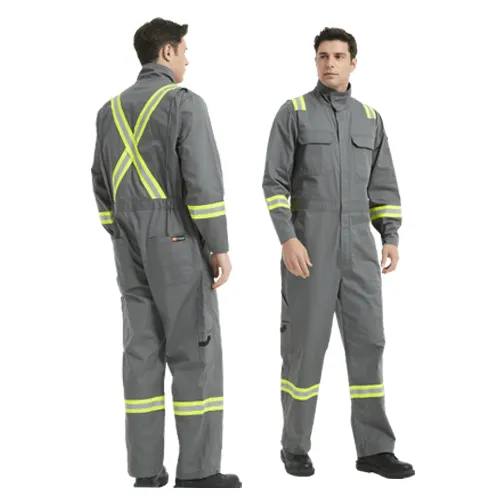
Get a Custom FR Clothing Quote from VisonSafety
How Does FR Clothing Reduce Burn Injuries and Improve Worker Safety?
FR workwear’s inherent ability to self-extinguish halts flames within seconds, significantly reducing the amount of burn energy absorbed by the wearer’s body. This rapid flame suppression leads to less severe injuries, lower medical treatment expenses, and shorter recovery periods. The controlled thermal decomposition process also prevents molten material from adhering to the skin, further minimizing the risk of second- and third-degree burns. In practical terms, FR apparel empowers workers to escape hazardous situations more quickly while maintaining essential protective coverage, thereby strengthening on-site safety protocols and enhancing confidence during emergency responses.
What Compliance and Regulatory Benefits Do FR Garments Provide?
Implementing certified FR garments simplifies regulatory audits and safety inspections by providing clear evidence of adherence to NFPA, OSHA, and ASTM requirements. Documented proof of compliance, including proper labeling, test reports, and traceable batch records, effectively shields organizations from potential fines and liability claims. Integrated systems for tracking garment issuance, maintenance logs, and re-certification schedules streamline safety management processes and support comprehensive risk mitigation strategies. In this manner, FR workwear serves a dual purpose as both a critical protective tool and a vital regulatory safeguard.
How Does Modern FR Workwear Enhance Comfort and Usability?
Contemporary FR workwear is designed with advanced features such as stretch panels, moisture-wicking fibers, and ergonomically placed seams to improve fit and allow for a greater range of motion. Elements like articulated knees, gusseted crotches, and adjustable closures provide task-specific flexibility without compromising flame resistance. Breathable FR knits and lighter fabric options are incorporated to help manage heat stress in demanding climates and high-intensity work environments. By seamlessly integrating safety with enhanced usability, modern FR garments encourage consistent wear, fostering a stronger safety culture and reducing instances of noncompliance due to discomfort.
Industries Requiring FR Clothing and Their Specific Needs
Why Is FR Clothing Critical in the Oil and Gas Industry?
The oil and gas sector presents significant flash fire risks due to potential hydrocarbon releases and ignition sources in confined spaces. FR apparel is essential for protecting field personnel, drill crews, and processing operators from sudden flame exposure, ensuring they can safely reach escape routes. Beyond NFPA 2112 compliance, industry stakeholders often require custom high-visibility and anti-static FR uniforms for improved hazard recognition. VisonSafety’s bulk manufacturing capabilities are well-suited to providing tailored solutions for offshore platforms, refineries, and petrochemical plants, meeting stringent safety and operational continuity demands.
How Does FR Apparel Protect Electrical Utility Workers from Arc Flash?
Electrical utility crews face the risk of arc flash events, where equipment malfunctions can generate intense heat and powerful pressure waves. Arc-rated shirts, pants, and coveralls are used to replace standard workwear, effectively containing the energy levels defined by NFPA 70E and preventing severe burns and blast-related injuries. Heat-resistant composites and layered FR systems are employed to absorb incident energy and inhibit flame propagation. By ensuring that apparel ratings precisely match each worker’s calculated hazard risk category, utility companies maintain compliance and minimize operational disruptions caused by injuries or OSHA violations.
What Are the FR Clothing Requirements for Manufacturing, Welding, and Chemical Processing?
Manufacturing and welding environments involve hazards such as sparks, molten metal, and flash burns, while chemical processing introduces additional risks from flammable or thermally reactive substances. FR workwear in these sectors often combines inherently flame-resistant fabrics with reinforced panels in high-wear areas like elbows and knees. Chemical-resistant coatings may be applied over FR fibers to provide splash protection. Strict adherence to ASTM F1506 and OSHA directives guides material selection, while custom features—including specialized tool pockets, removable liners, and FR lab coats—are incorporated to address specific task requirements and enhance productivity.
How Does VisonSafety Provide Custom FR Solutions for B2B Clients?
As a dedicated manufacturing partner, VisonSafety utilizes advanced, scalable production lines and rigorous in-house quality control to deliver highly customized FR clothing solutions. Clients collaborate closely with our team on design specifications, fabric selections, and required certification levels to precisely match unique hazard profiles and branding needs. VisonSafety’s streamlined inquiry process and flexible minimum order quantities are designed to accommodate distributors, wholesalers, and global brands seeking dependable bulk fulfillment. This collaborative partnership model ensures that every FR garment meets performance expectations, budget requirements, and delivery timelines, contributing to sustained operational success.
Ensuring Quality and Compliance in FR Clothing Manufacturing at VisonSafety
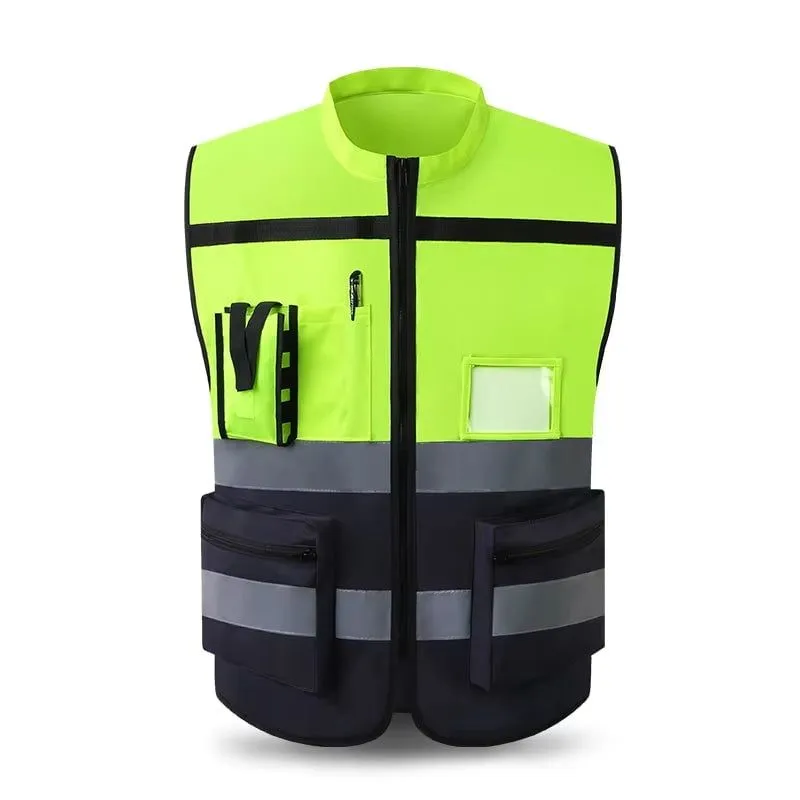
Get a Custom FR Clothing Quote from VisonSafety
What Manufacturing Capabilities Does VisonSafety Offer for Custom FR Apparel?
VisonSafety’s cutting-edge production facilities manage the entire FR clothing assembly process, from initial fabric sourcing through to final quality inspection. Our operations feature automated cutting systems, precision stitching machinery, and clean finishing lines to guarantee consistent seam strength and accurate application of flame-resistant treatments. In-process testing laboratories are integrated into our workflow to verify thermal performance and fabric durability at every stage of production. This comprehensive, end-to-end approach minimizes lead times, maintains strict manufacturing tolerances, and efficiently supports high-volume production for large B2B orders.
How Does VisonSafety Meet and Exceed FR Clothing Standards and Certifications?
Through strategic partnerships with accredited independent test laboratories, VisonSafety rigorously validates every production batch of FR garments against key industry standards, including NFPA 2112, NFPA 70E ATPV criteria, ASTM F1506, and relevant EN or ISO regulations. Our comprehensive sample testing protocols cover critical performance aspects such as vertical flame resistance, heat transfer, tensile strength, and laundering resilience, confirming that certified performance levels are consistently achieved. Detailed quality records and fully traceable lot codes ensure readiness for audits and simplify regulatory reporting. This unwavering commitment to documented compliance guarantees that our customers receive FR workwear that reliably meets or surpasses all applicable industry mandates.
What FR Product Range Does VisonSafety Provide for B2B Clients?
VisonSafety offers an extensive catalog of FR apparel designed to address a wide spectrum of hazard exposures. Our product line includes shirts, pants, coveralls, jackets, and vests, available in both inherently flame-resistant and treated fabric options to suit arc flash and flash fire environments. We also provide specialized items such as FR lab coats, insulated outerwear, and high-visibility blends tailored for niche applications within the petrochemical, electrical, and maintenance sectors. Consistent quality, customizable color palettes, and options for branding embroidery enable distributors and brands to effectively differentiate their offerings in competitive markets.
How Can Distributors and Brands Partner with VisonSafety for Bulk FR Orders?
B2B clients interested in custom FR apparel projects can initiate the process by submitting a detailed garment specification sheet outlining their desired fabrics, required protection ratings, and estimated quantities. VisonSafety’s experienced sales engineers will then provide comprehensive quotes, facilitate sample approvals, and establish clear production schedules to align with client timelines. Our flexible minimum order quantities and volume-based pricing structures are designed to maximize cost efficiencies for large orders. Furthermore, ongoing technical support is available to assist brands in adapting to evolving safety regulations. This collaborative framework is foundational to building long-term partnerships based on reliability, exceptional quality, and shared commitments to safety outcomes.
Frequently Asked Questions About FR Clothing
What Is the Primary Purpose of FR Clothing?
The main objective of FR clothing is to protect workers from thermal injuries by self-extinguishing when ignited. This prevents continuous burning and significantly reduces the severity of burns resulting from hazards like flash fires and arc flashes.
How Do Inherently Flame Resistant and Treated Fabrics Differ?
Inherently flame resistant fabrics have flame resistance permanently built into the fiber’s chemical structure, offering enduring protection. Treated fabrics, conversely, receive a surface finish that may diminish in effectiveness over time with repeated laundering or wear.
Is FR Clothing Fireproof?
No, FR clothing is not fireproof. Instead, it is designed to resist ignition and self-extinguish, thereby limiting the severity of burn injuries. Truly fireproof materials do not exist, but FR garments substantially reduce thermal exposure risks.
Which Industries Require FR Clothing?
Industries characterized by high risks of fire, intense heat, or electrical hazards—such as oil and gas, electrical utilities, petrochemicals, manufacturing, and welding—commonly mandate FR clothing to ensure compliance with safety regulations and protect their workforce.
How Long Does FR Clothing Last and How Should It Be Maintained?
The lifespan of FR clothing typically ranges from 20 to 50 laundering cycles, depending on the fabric type and specific care practices. Proper maintenance involves strictly following label instructions regarding wash temperature, detergent type, and avoiding bleach to preserve the garment’s flame-resistant properties.
Flame resistant apparel fundamentally enhances workplace safety by integrating advanced fabric technology with stringent standards compliance. From its self-extinguishing properties and global certifications to tailored manufacturing solutions, FR workwear stands as an indispensable layer of protection in hazardous environments. Partnering with a seasoned FR clothing manufacturer ensures dependable performance, regulatory alignment, and the customization capabilities that B2B clients require to maintain a safe and productive workforce.
 English
 Deutsch
 Français
 Polski
 Português do Brasil
 Español
 日本語
日本語 Русский
 العربية
 Italiano
 Nederlands
 Türkçe
 한국어
한국어