
Custom FR Button-Down Shirts With Every Detail Accounted For
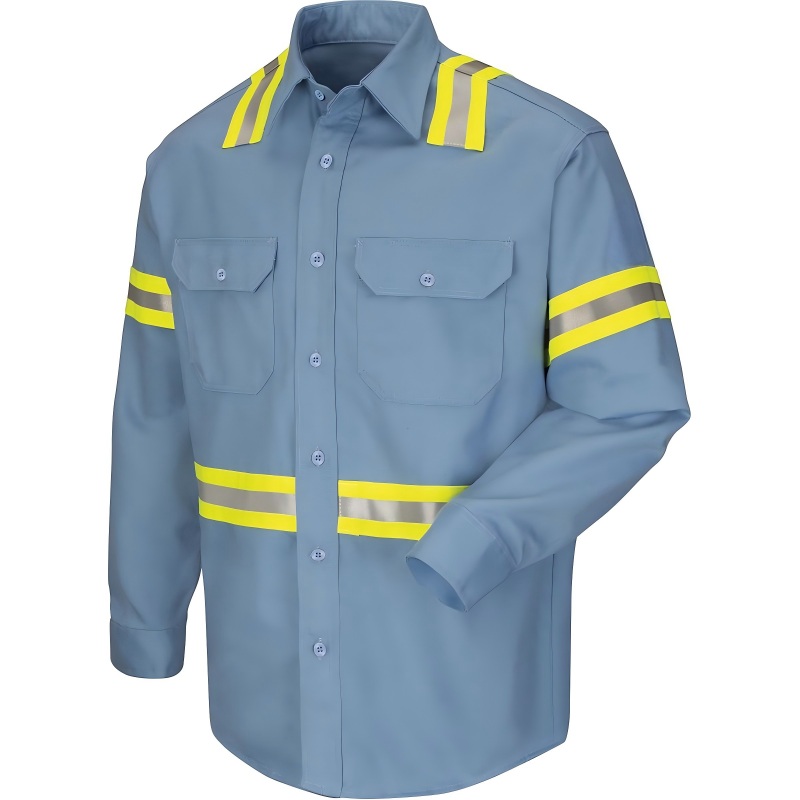
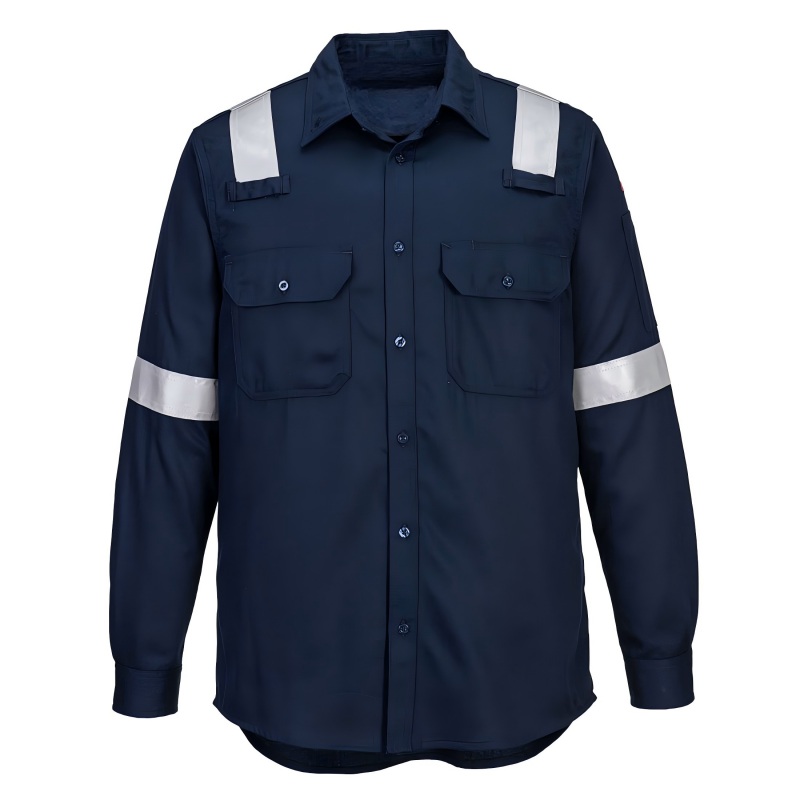
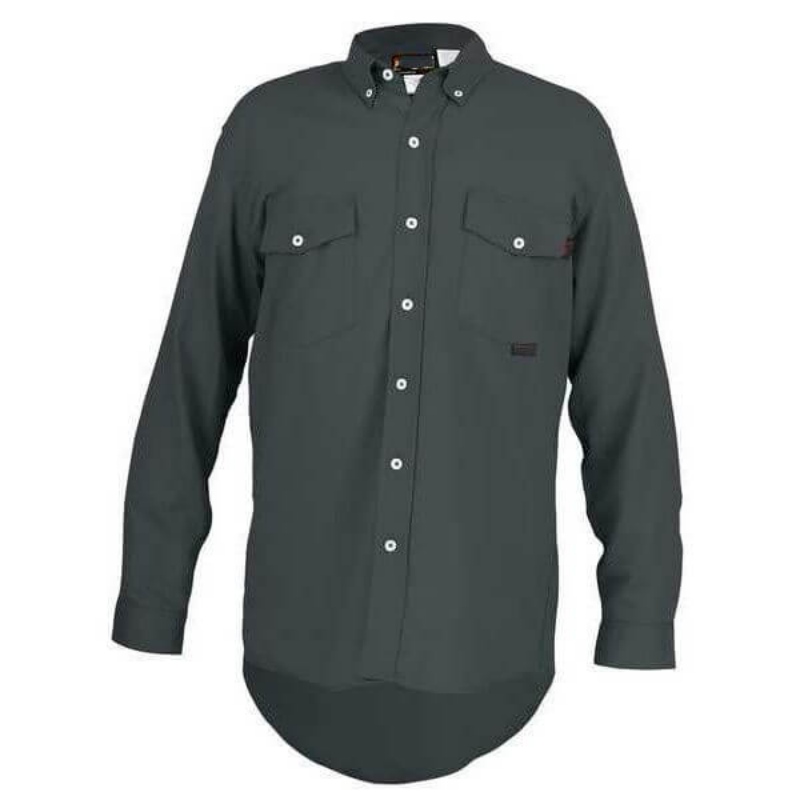
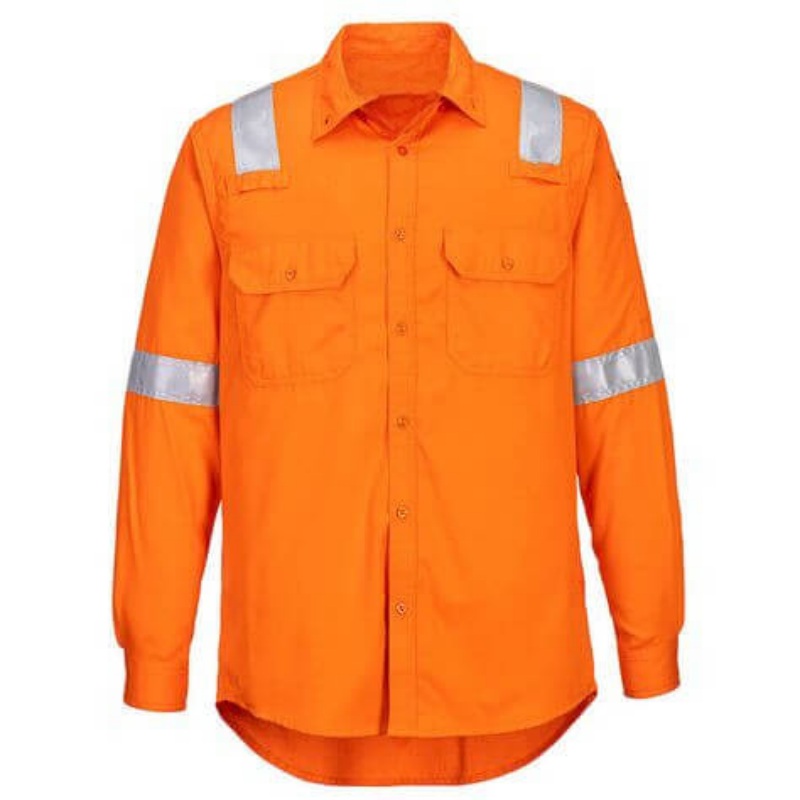
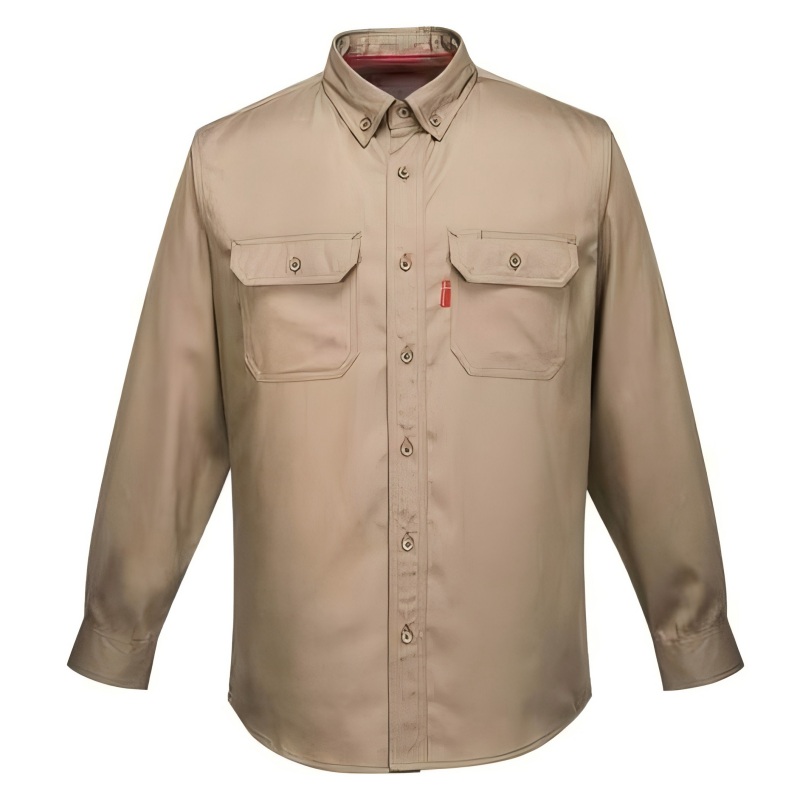
The front closure is the defining feature of this shirt. VisonSafety makes custom FR button-down shirts with a full button-front opening, shaped for buyers who want a more traditional uniform than a pullover top. Specify the collar, button spacing, chest pockets, cuffs, fabric, and fit for your private-label range. We work from your reference garment or tech pack, then make a sample you can check for appearance, movement, and construction. Once approved, its measurements and materials become the standard for bulk production. The result is a shirt your customers can identify, wear, and reorder with confidence.
Get Custom Quote
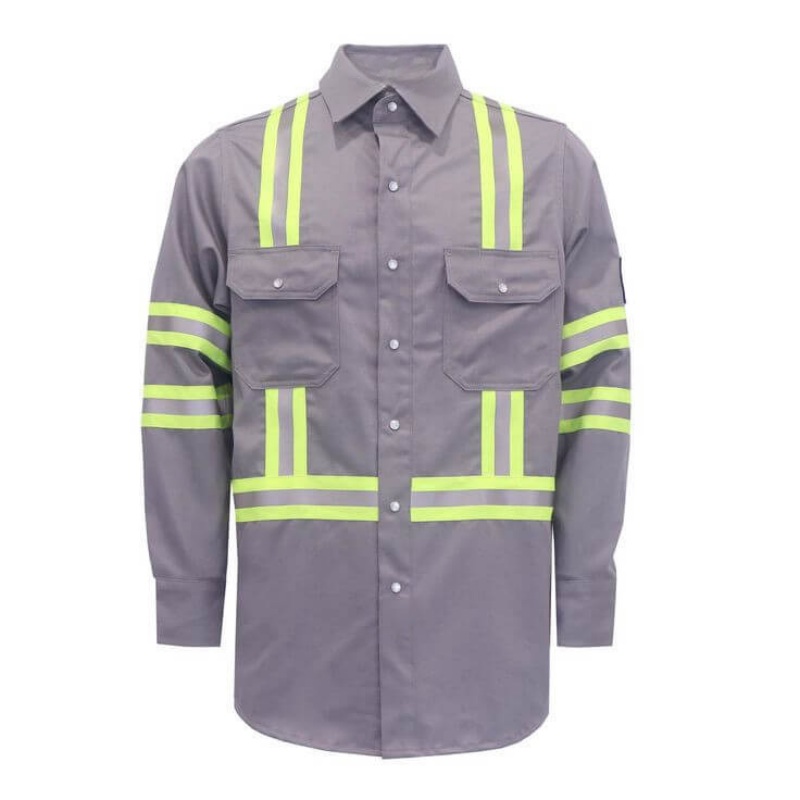
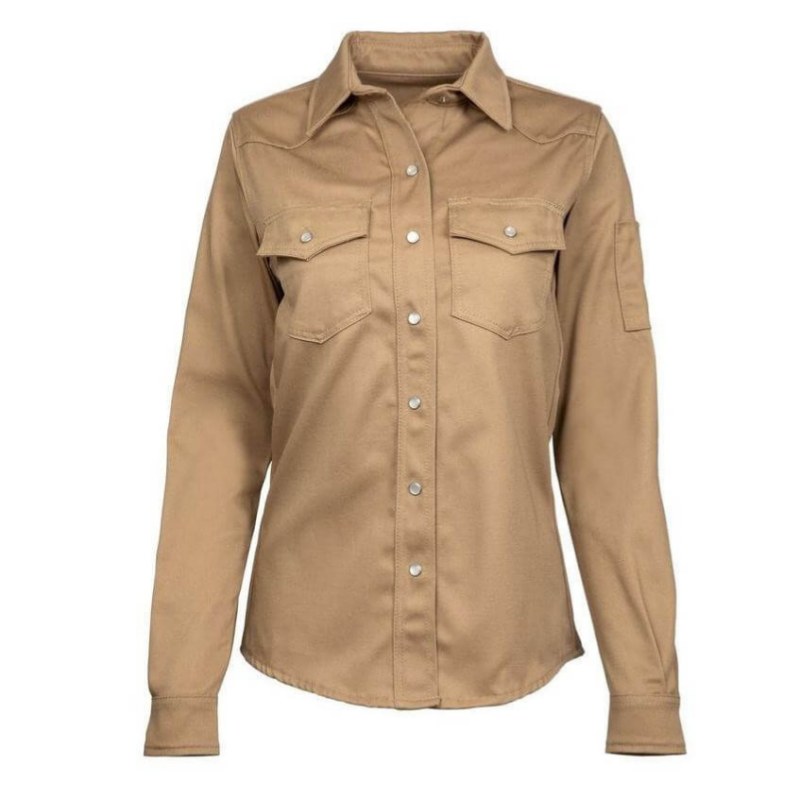
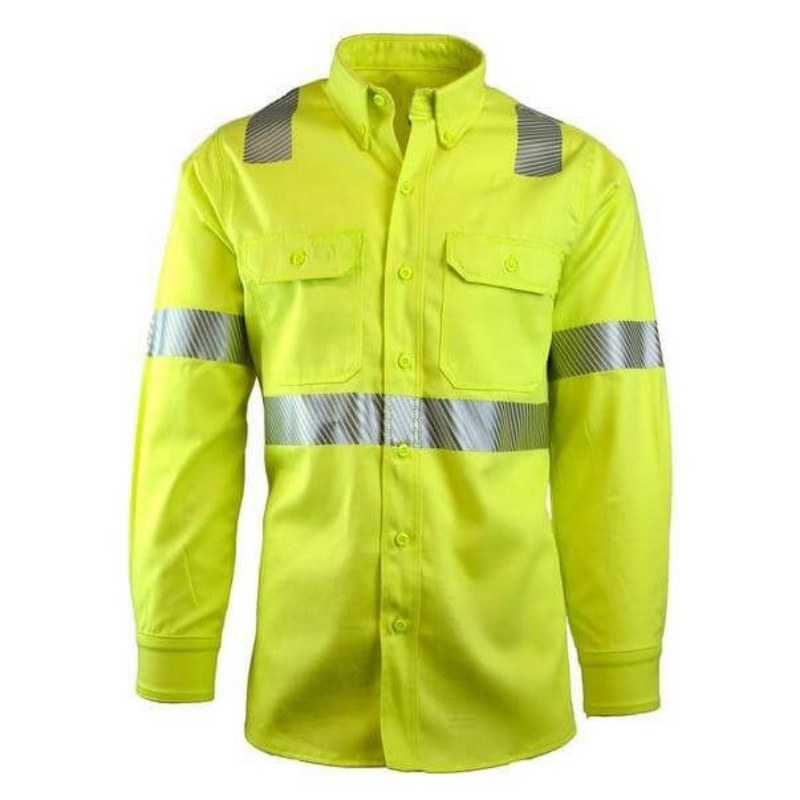
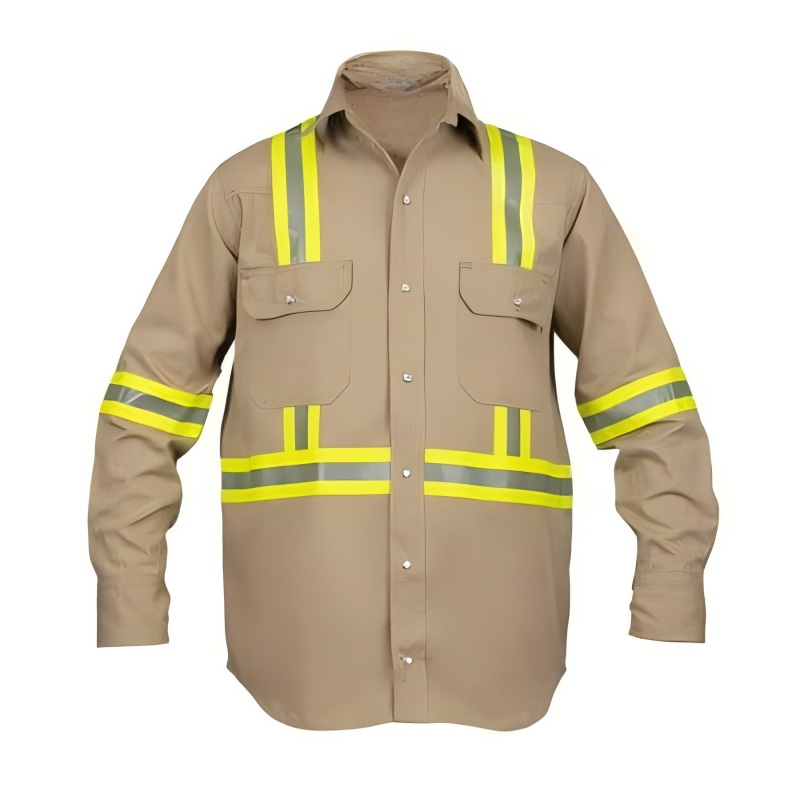
Full button-front access
The shirt opens from collar to hem, making it distinct from a polo or Henley.
Collar options
Choose a lay-flat collar or button-down collar points to suit the uniform look your buyers expect.
Purposeful chest storage
Specify one or two flap pockets, with an optional pencil stall for daily-use items.
Adjustable sleeve finish
Set cuff width, button position, and sleeve placket details around the intended fit.
Fit that works on the job
Develop shoulder ease, back yoke, and shirt-tail length against your sample and size chart.
A clear production reference
Approve the complete garment before bulk sewing so fabric, trims, branding, and measurements are checked against the same specification.
Specify the Shirt, Not Just the Logo
Button-front construction gives you practical ways to distinguish one uniform program from another.
Front and collar
Pockets and sleeves
Fabric and fit
Brand and order details
Front and collar
- Choose visible or concealed front buttons, placket construction, button spacing, and a lay-flat or button-down collar.
- Confirm collar-point buttons separately from the front closure if you want a true button-down collar.
Pockets and sleeves
- Specify one or two chest pockets, flap shape, button closures, and an optional pencil stall.
- Set sleeve length, cuff width, sleeve placket, and button positions for the approved size range.
Fabric and fit
- Review suitable FR woven fabrics by fiber composition, weave, weight, color, care method, and required performance.
- Define shoulder width, back yoke, body ease, shirt-tail length, and regular or extended sizes.
Brand and order details
- Position approved logos and specify neck labels, care labels, hangtags, barcodes, and carton marks.
- Agree on size ratios and packing by SKU to make receiving and distribution easier.
Why VisonSafety is Your Go-to Choice
Two Kinds of “Button-Down”
Buyers often use “button-down” to mean a shirt that buttons from neck to hem. In apparel terminology, it can also describe a collar whose points fasten with small buttons. We clarify both details in your specification: the front closure and the collar construction are separate choices. You may want a full button front with a plain lay-flat collar, or a full button front with buttoned collar points. We also define button spacing, placket width, and the top-button position. This prevents a small naming ambiguity from becoming a visible difference across a bulk order.
Woven Fabric With a Defined Role
A button-front work shirt is commonly built from woven fabric, which gives its collar, placket, and pockets a more structured shape than a knit pullover. For your order, we assess suitable FR plain-weave or twill options against the intended work environment, laundering method, and target price. Fabric composition, weight, weave, color, and care instructions are confirmed on the approved material specification. We test each production fabric roll before cutting and retain the test records for three years. The FR designation alone does not establish an arc rating or certify a particular finished shirt.
Pocket, Cuff, and Hem Decisions
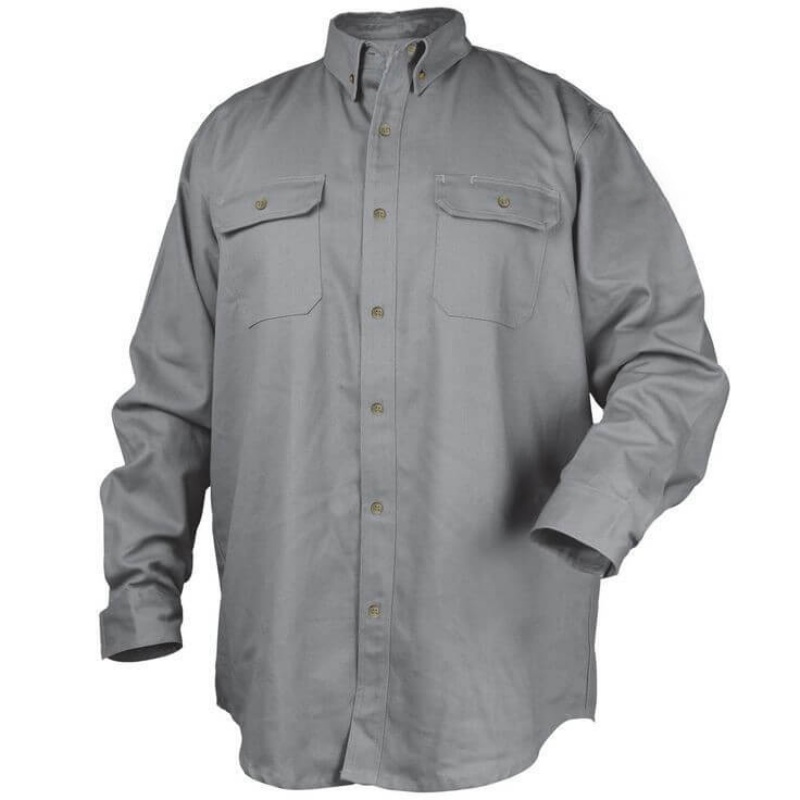
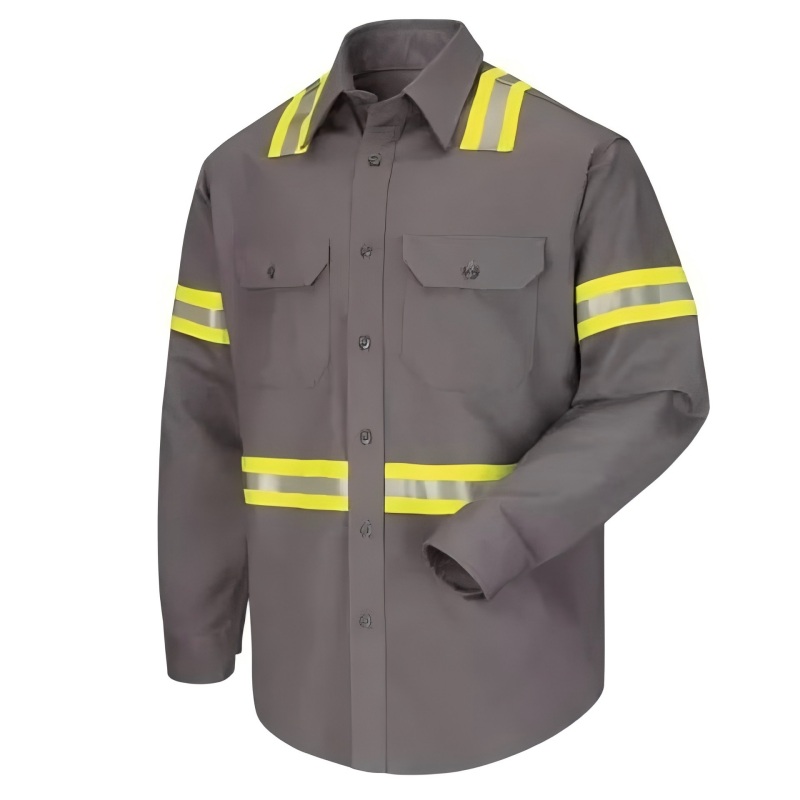
Details that look minor in a drawing affect how the shirt is used. A flap pocket can secure small items; a pencil stall makes one pocket more useful without adding another. Adjustable cuffs let the wearer close the sleeve as intended, while a longer shirt-tail may help the hem remain tucked during movement. We check pocket placement, cuff opening, sleeve length, shoulder ease, and back-yoke construction on the physical sample. The final pattern and measurement chart record those decisions so different sizes follow the same design, rather than simply scaling a single prototype.
What the Label Can Honestly Say
Protection claims must follow the finished garment, not the sales brief. If your program requires NFPA 2112 certification, an arc rating, or another market-specific claim, we review the selected fabric, components, construction, testing, and label wording for that exact style. A change to a button, thread, pocket detail, or decoration may need review before the claim can be maintained. We can help prepare a custom design for the relevant evaluation route, but we do not treat an FR fabric certificate as certification of a new shirt. This keeps the product you sell aligned with the documents you supply.
Build the Reference Before the Run
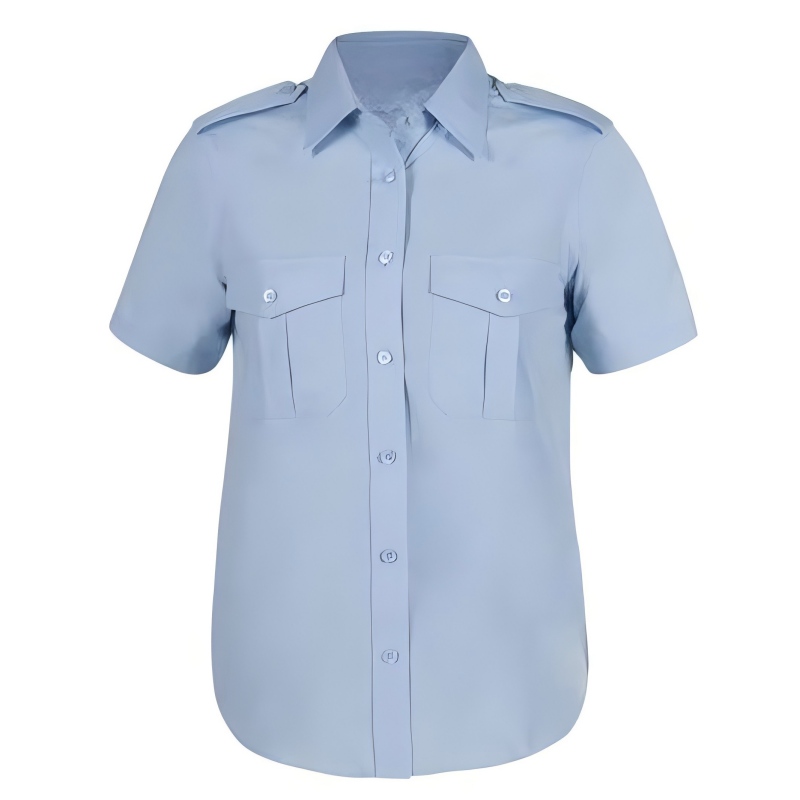
For button-front shirts, an approved construction sample is more useful than a generic product description.
Map the shirt from your brief.
Send a tech pack, reference sample, or clear photos of the design you want. We confirm whether “button-down” refers to the full front opening, buttoned collar points, or both. Then we record fabric preferences, pockets, cuffs, fit, sizes, color, branding, and packing. Tell us where the shirt will be sold and what protective claim it needs to carry. We use those details to prepare a draft specification and identify which materials or claims need further review before a sample is made.
Check the garment in hand.
We develop a sample so you can assess the collar shape, placket alignment, button spacing, pocket position, cuff opening, fit, and shirt-tail length. Try it on or compare it with your target garment, then send consolidated comments. Once revisions are settled, we confirm the measurements, tolerances, bill of materials, artwork placement, labels, and packing instructions. This approved sample becomes the visual and construction reference for bulk production. If certification is required, its route must be assessed separately for the final configuration.
Control the cut and sew.
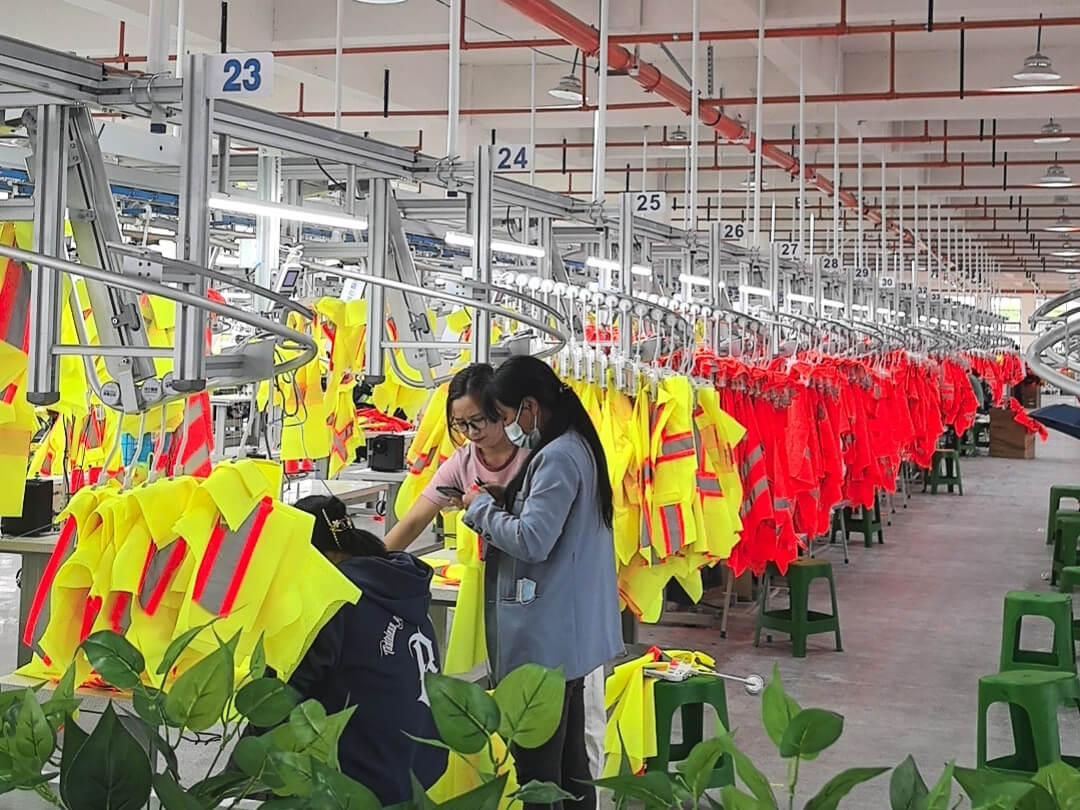
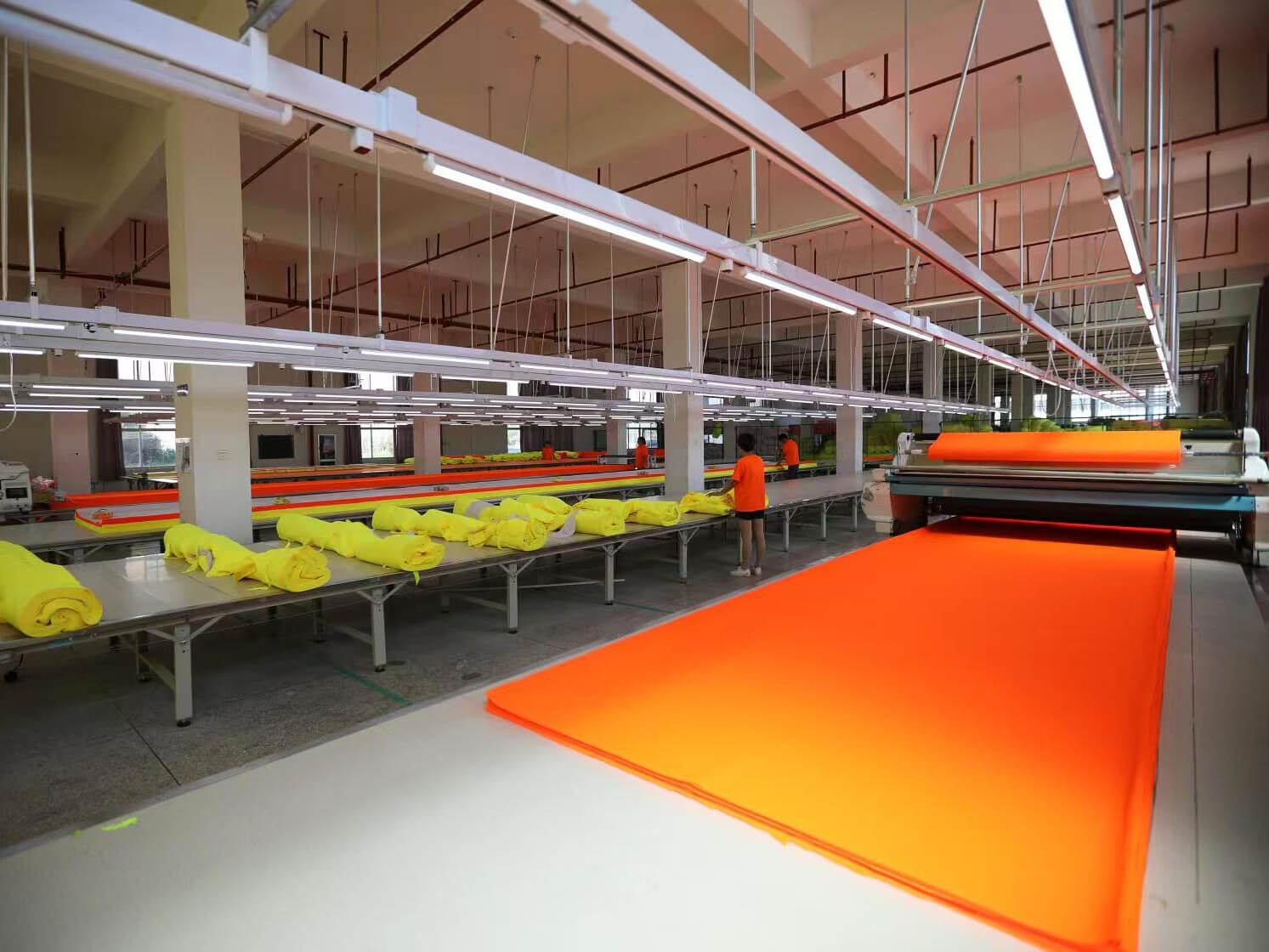
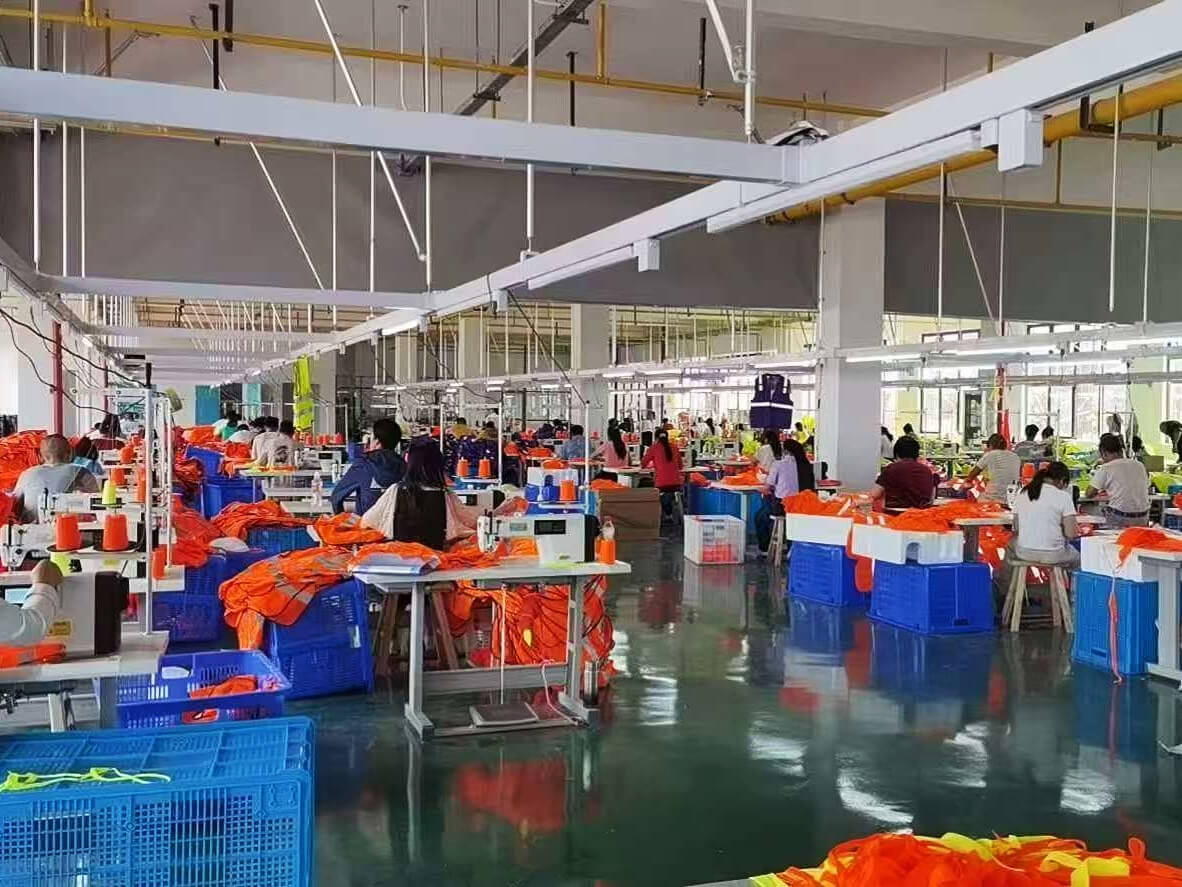
We confirm fabric and trims against the approved specification. Every production fabric roll is tested before cutting, and the relevant records are retained for three years. During sewing, inspectors check areas where inconsistencies are easy to see or feel: front-placket alignment, collar symmetry, button placement, pocket level, cuff construction, and key measurements. We raise any proposed material or design substitution for review rather than silently changing the approved shirt. That matters particularly when a component forms part of a protective-performance claim.
Verify the finished order.
Final inspection compares finished shirts with the signed-off sample and agreed inspection criteria. We check workmanship, closure function, measurements, logo and label placement, size assortment, and carton information. Issues are addressed before shipment release. The shirts are then packed by the agreed SKU and size ratio, making it easier for your warehouse or customer to receive them. We keep the final specification and relevant fabric records as a reference for repeat orders, including any changes you approve for the next production run.
FAQs
Not necessarily. Many buyers use the term for a shirt with a full button-front opening, while apparel terminology also uses it for a collar with buttoned points. We confirm both choices on the sample and specification so the finished product matches your intent.
This page focuses on shirts with a full button-front closure and the construction choices that come with it. FR work shirts are a broader range and may include other front-closure styles. If you need snaps rather than buttons, tell us in the brief so we can develop the appropriate shirt.
Yes. We can develop either layout, with your choice of flap shape, button closure, and optional pencil stall. Pocket dimensions and placement are confirmed on the sample before bulk production.
We can review that combination as a custom design. The collar-point buttons and front placket are specified separately, so you can approve the exact appearance rather than relying on a style name.
Suitable options may include FR woven plain-weave or twill fabrics, depending on the required performance, fabric feel, care method, and cost target. We confirm the actual fiber composition, weave, and weight for the material selected for your order.
Yes. We can set the cuff opening, adjustment buttons, sleeve placket, and hem length during pattern development. These details are checked on the physical sample, particularly if the shirt is intended to be worn tucked in.
A custom design can be developed for a program with those requirements, but no rating or certification should be assumed from the fabric alone. We review the finished style and applicable testing and certification route before confirming what can appear on its label.
Yes, provided the decoration method, material, and placement are reviewed for the shirt’s intended protective use. We include the approved branding details in the sample and production instructions.
We use the signed-off sample, measurement chart, bill of materials, and artwork guide as production references. In-line and final checks focus on construction details such as collar shape, placket alignment, pocket placement, buttons, and cuffs.
Send your reference sample or tech pack, target market, intended use, fabric preference, size range, estimated quantity, and artwork. Tell us whether you want buttoned collar points as well as a button front, and include any required standard or certification claim.
Some Cool Facts
Collaborated with Global Partners on





 English
 Deutsch
 Français
 Polski
 Português do Brasil
 Español
 日本語
日本語 Русский
 العربية
 Italiano
 Nederlands
 Türkçe
 한국어
한국어