
Custom FR Polo Shirts for a Professional Industrial Uniform
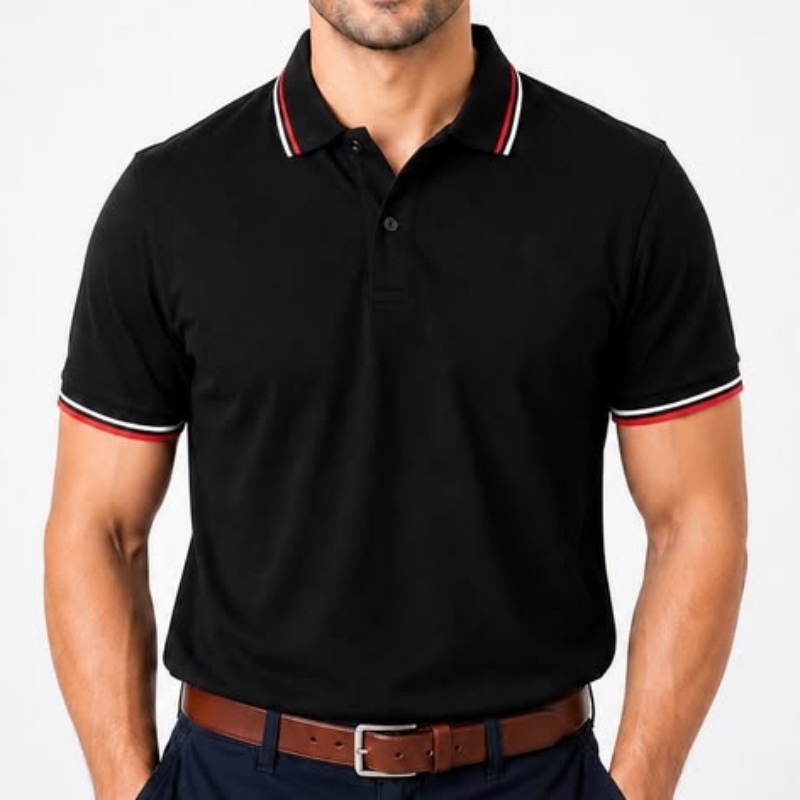
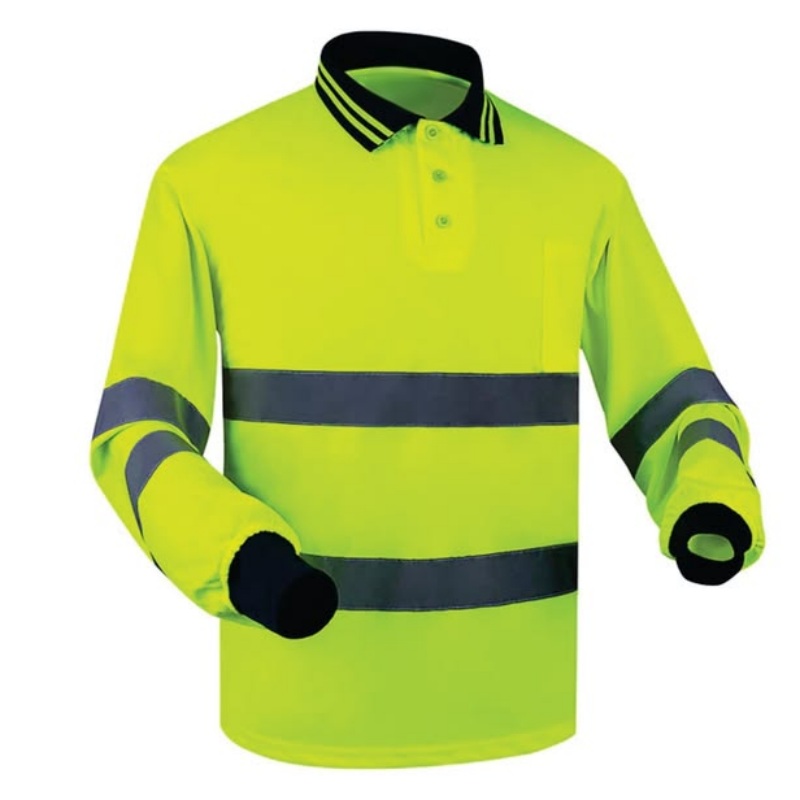
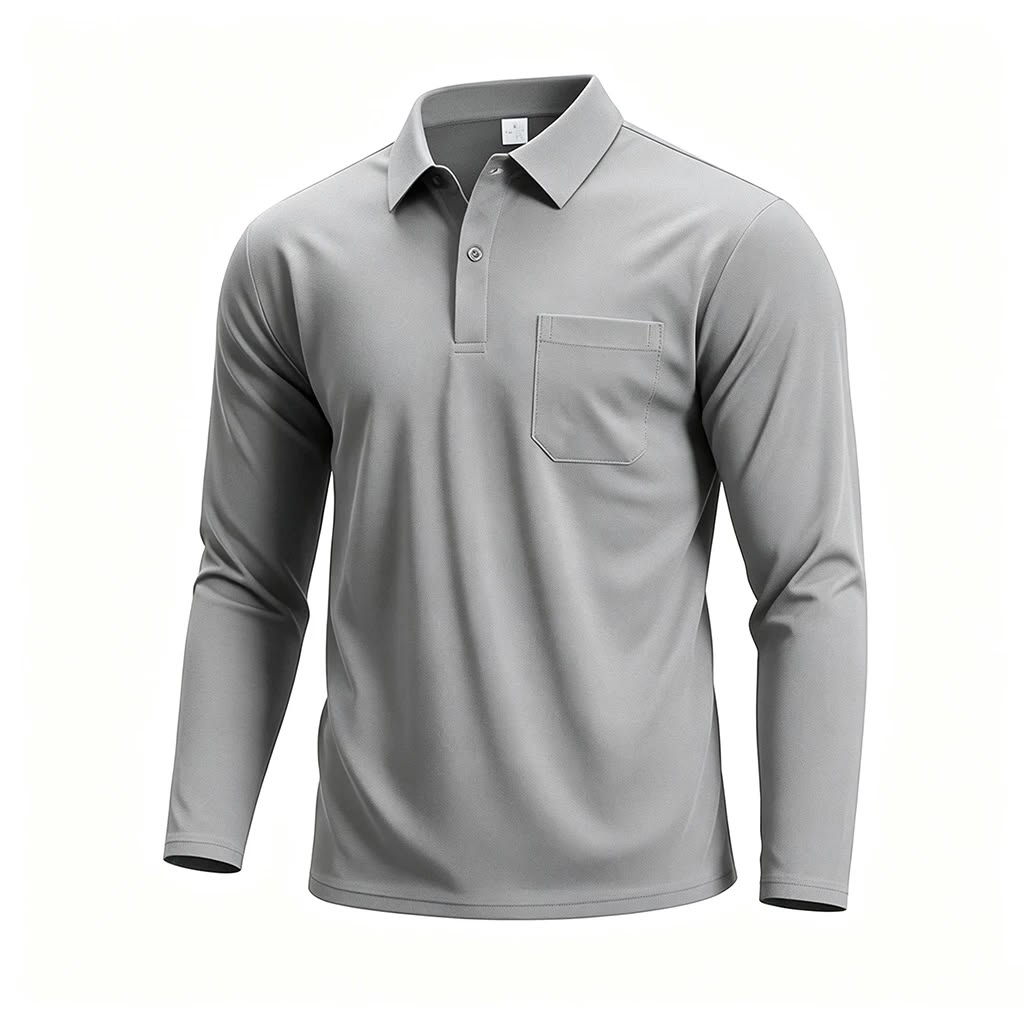
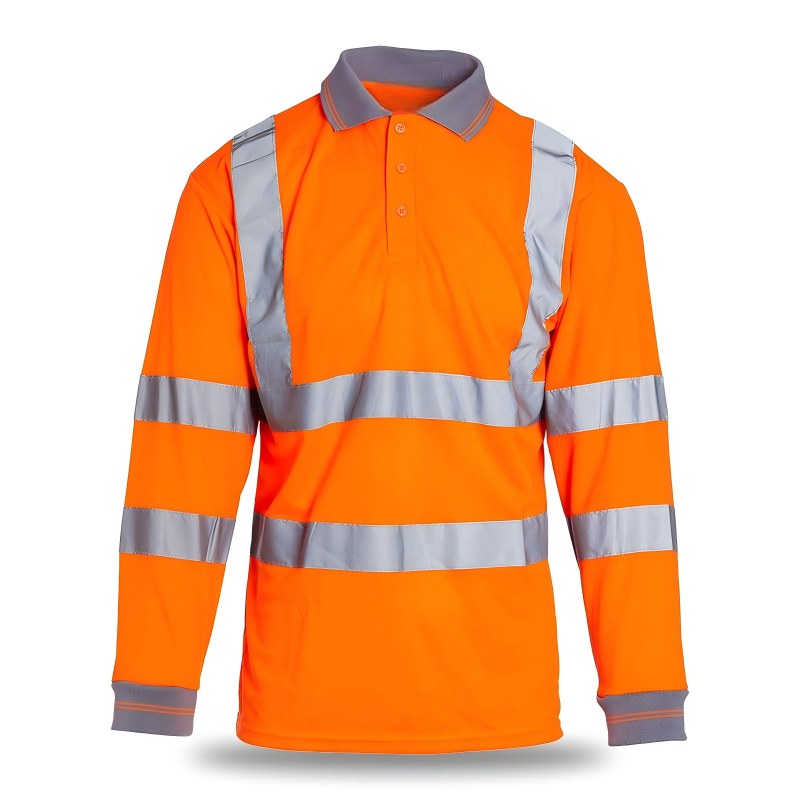
For crews who move between the plant floor, site visits, and customer-facing work, a polo offers a uniform look without the structure of a button-front shirt. VisonSafety develops custom FR polo shirts for workwear brands, distributors, and uniform suppliers worldwide. Choose a short- or long-sleeve style, then specify the FR knit, collar, placket, fit, pockets, and private-label finish. We build the sample around your buyers’ requirements, including the intended use and destination market. You can review the garment in hand before approving the specification for bulk production.
Get Custom Quote
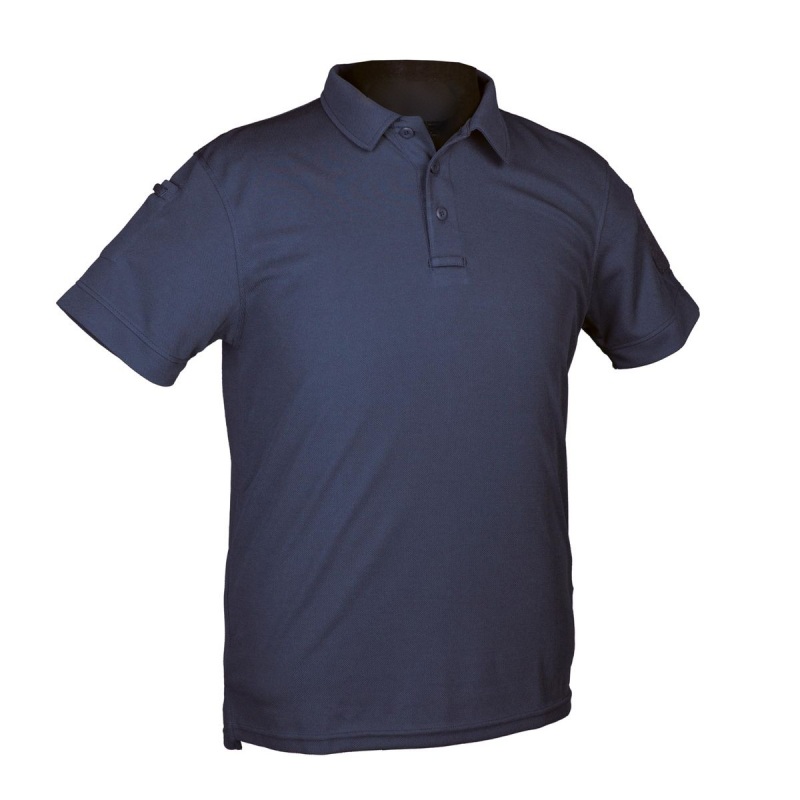
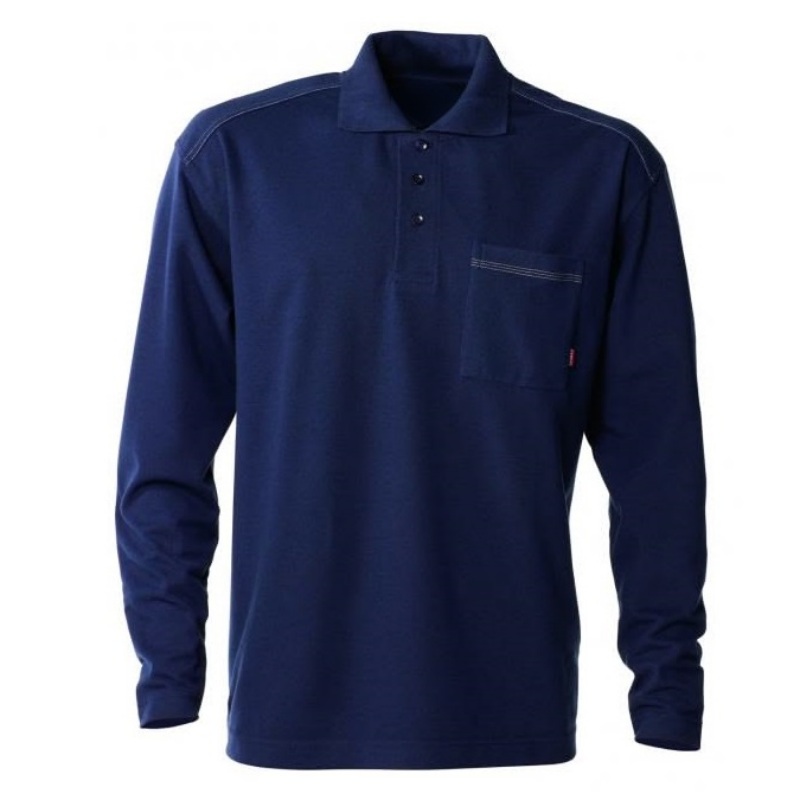
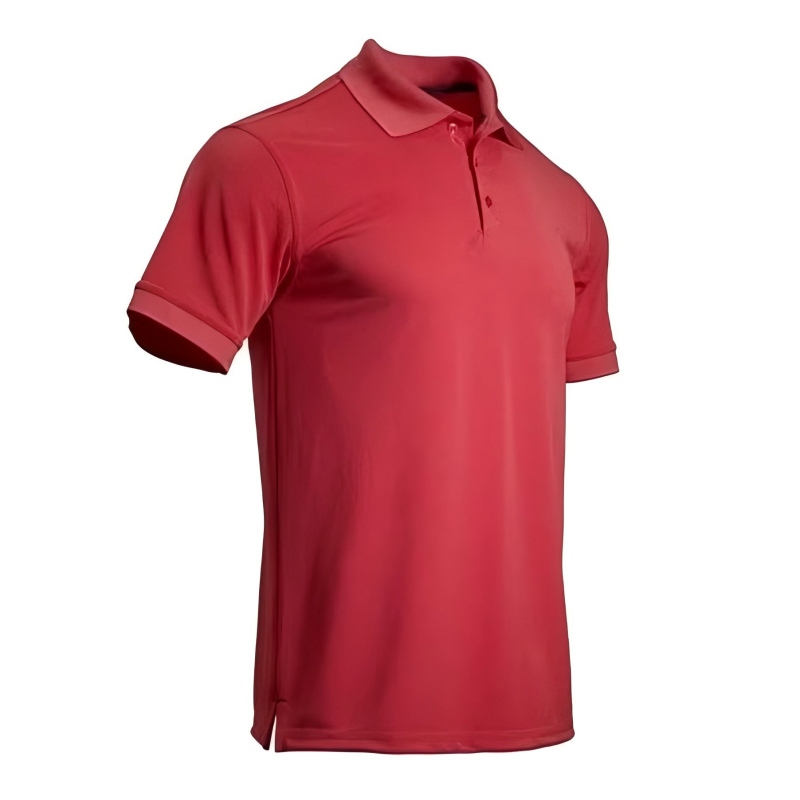
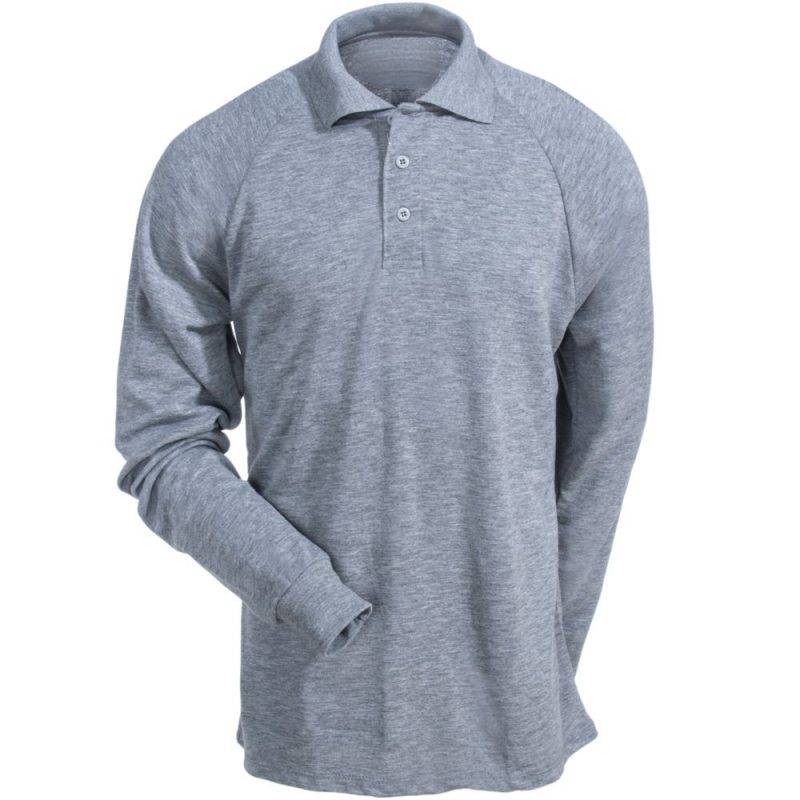
A sharper uniform option
A structured collar and short placket suit teams who need a consistent, professional appearance.
FR knits chosen for your market
Compare fabric composition, weight, feel, care requirements, and cost before approving a material.
Sleeve options with a purpose
Develop short- or long-sleeve polos according to climate, uniform policy, and required coverage.
Details buyers can use
Specify chest or sleeve pockets, cuff finishes, and a hem suited to the way the polo will be worn.
Branding built into the sample
Review logo placement, labels, color, and packaging together, rather than adding them after production is planned.
Quality you can check
Approve a physical sample before bulk production; every production fabric roll is tested, with records retained for three years.
Make the Polo Fit Your Program
We define the visible details and the protective specification together, then put them into one approved sample.
Fabric and color
Collar and placket
Sleeves, fit, and pockets
Branding and presentation
Fabric and color
- Choose a suitable FR knit according to the intended hazard, fabric feel, weight, care method, and target price.
- Specify solid colors or approved color combinations, subject to material availability and performance requirements.
Collar and placket
- Select a rib-knit or self-fabric collar, placket length, button count, and stitching finish.
- Confirm collar, button, thread, and any contrast details as part of the complete garment specification.
Sleeves, fit, and pockets
- Develop short- or long-sleeve versions with the body length, sleeve shape, and size grading your buyers need.
- Add a chest pocket, sleeve pocket, rib-knit cuffs, or side vents where appropriate for the design.
Branding and presentation
- Provide artwork for an approved logo application and specify neck labels, care labels, hangtags, and barcodes.
- Choose individual packing or bulk cartons to suit retail, distribution, or uniform issue.
Why VisonSafety is Your Go-to Choice
A Collar That Holds the Uniform Together
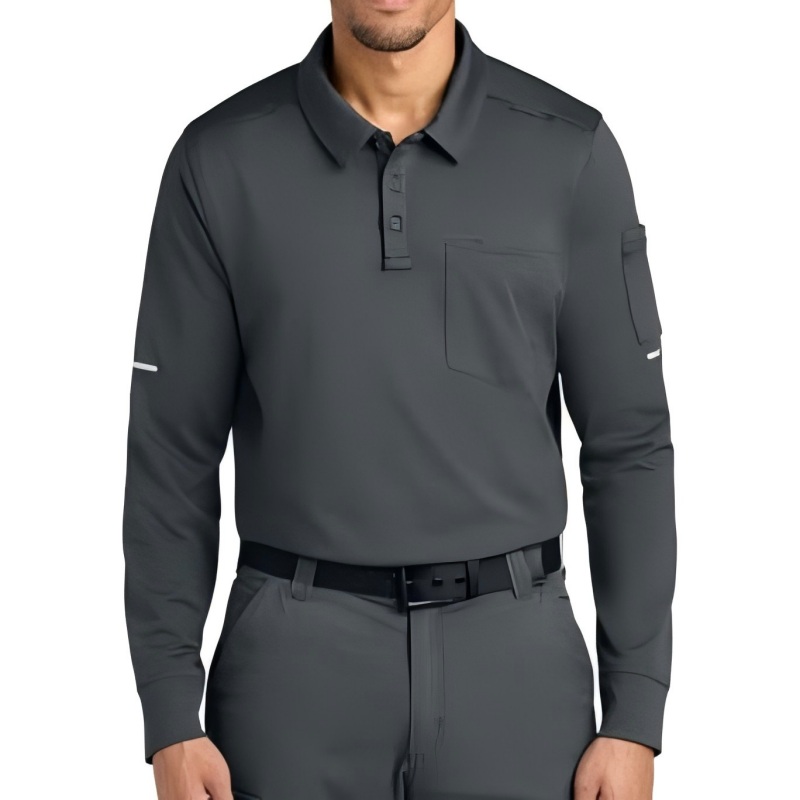
The collar is what makes an FR polo useful to many industrial uniform programs. It gives a team a consistent appearance while retaining the familiar feel of a knit pullover. During development, we define collar material, shape, and stitching alongside the placket length and button count. We also check how the collar sits after laundering under the care method specified for the chosen fabric. A contrasting collar or trim can support brand recognition, but it must be reviewed as part of the protective garment. These details are recorded in the approved sample so bulk polos have the look your customer selected.
FR Knit Selected for Real Wear
Fabric selection affects the polo’s hand feel, weight, drape, care instructions, and price. We review suitable FR knit options against your intended use instead of assigning one fabric to every market. If moisture management is a priority, we discuss what the selected material can substantiate rather than assuming every FR knit performs the same way. The final specification records fabric composition, weight, color, and laundering requirements. We test every production fabric roll before cutting and retain the records for three years, giving your purchasing team a traceable reference for the material used in the order.
Coverage and Construction by Design
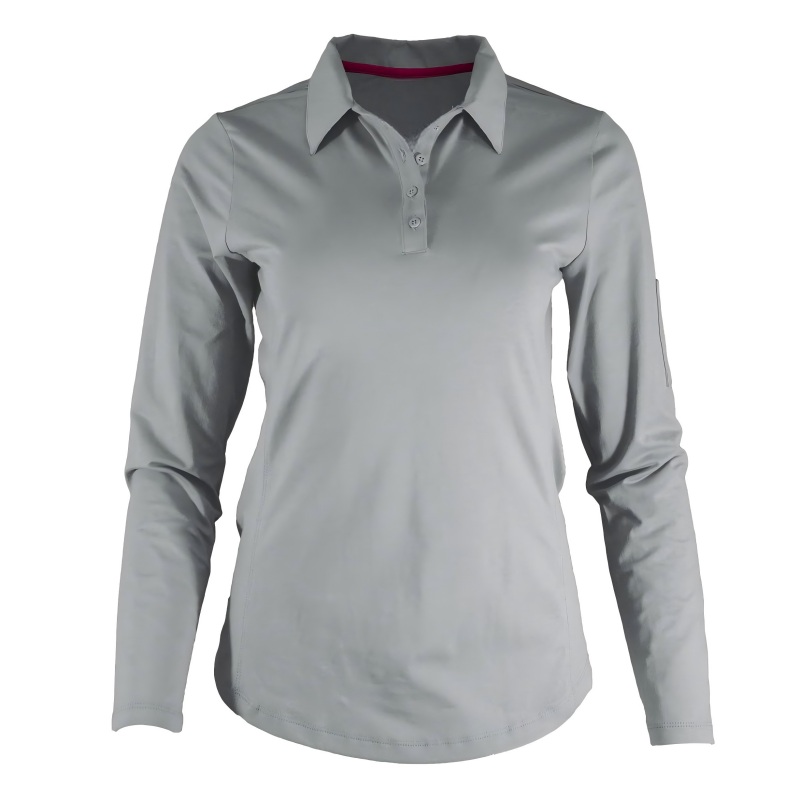
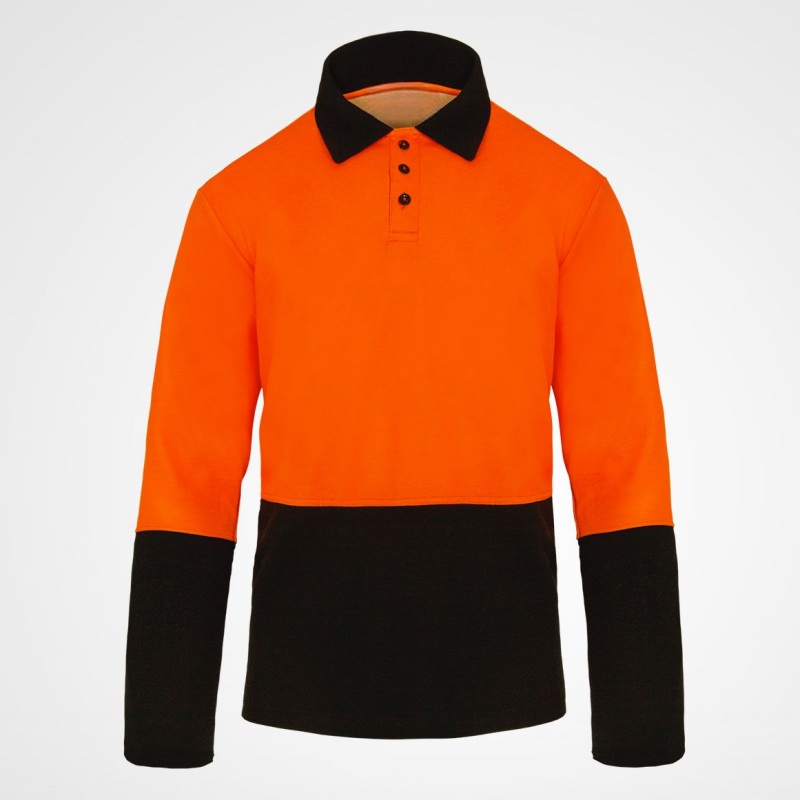
A short-sleeve FR polo may answer one uniform brief; a long-sleeve version may be needed when the program calls for greater arm coverage. We develop the chosen style with attention to shoulder shape, sleeve length, side seams, cuffs, and hem. Pockets and side vents can be added where they serve the wearer without changing the product’s intended function. The bill of materials also identifies the collar, buttons, thread, labels, and decoration. Where the polo is intended for a specified hazard, we review these components and the garment’s coverage before confirming a protective-performance claim.
A Branded Product Buyers Can Reorder
For a distributor, a custom polo needs to look consistent across sizes and repeat orders. We document the approved shade, logo position, collar construction, measurements, labels, and packing method after sample sign-off. During production, in-line checks focus on visible details such as placket alignment, collar shape, pocket placement, and stitching. Final inspection compares finished units with the agreed sample and specification. If your program requires an arc rating or a particular garment certification, we review the testing and documentation for the specific finished design; an FR fabric alone does not establish those claims.

From Uniform Brief to Approved Bulk Polo
We settle the garment’s appearance and technical requirements before moving it into repeatable production.
Set the brief.
Send us the destination market, intended work environment, target quantity, size range, and any reference sample or tech pack. Tell us whether the polo should have short or long sleeves, a pocket, a particular collar style, or brand colors. We also review your fabric preference, target cost, labeling, and packing needs. If you plan to make an FR, arc-rating, or certification claim, share that requirement now. We use the information to prepare a draft specification and identify what must be checked before sampling.
Develop the sample.
We make a polo for you to assess the fabric feel, fit, collar, placket, sleeve length, logo position, and overall appearance. Your team can request changes before approving the final version. Once the sample is agreed, we record measurements, tolerances, fabric and trim details, artwork, labels, and packing instructions. This gives production a clear standard and gives your buyers something tangible to sign off. Where third-party testing or certification is required, we review the final sample configuration against the applicable process rather than treating sample approval as proof of compliance.
Check materials and sew.
We confirm the approved FR knit, collar material, buttons, thread, and labels before cutting. Every production fabric roll is tested, with the relevant records retained for three years. Sewing follows the agreed construction, with in-line checks on collar shape, placket alignment, pocket position, seams, and key measurements. If a material becomes unavailable or a detail needs to change, we raise it for approval before substituting it. This is especially important when a change could affect the polo’s appearance, care instructions, or protective-performance documentation.
Inspect and prepare the order.
Final inspection checks fit measurements, workmanship, collar and placket finish, button function, logo placement, labels, size assortment, and packing against the approved criteria. We address discrepancies before shipment release. Your order is then folded, labeled, and packed according to the agreed format for your sales or uniform-distribution channel. We keep the approved sample specification and relevant fabric records as references for future orders, so your next production run starts with a documented product rather than a new interpretation of the design.
FAQs
An FR polo has a collar and a short placket. A Henley also has a short placket but no collar, which gives it a more casual appearance. We develop them as separate styles with different patterns and construction details.
Yes. We can develop either style according to your uniform program and intended market. Sleeve length should also be considered against the workplace hazard and required garment coverage.
We can review suitable FR knit fabrics based on the performance required, garment weight, hand feel, laundering method, and target cost. The approved fabric composition and weight are recorded in your specification rather than assumed from the term “FR polo.”
We can review your requested colors during fabric sourcing and sampling. Color availability depends on the selected FR material and order requirements, so we confirm the approved shade before bulk production.
Yes. Pocket style and placement can be included in the sample for approval. We document the final position and construction so they remain consistent across sizes and repeat orders.
Yes, subject to review of the decoration method and materials for the polo’s intended use. Send us your artwork and preferred placement so branding can be assessed and approved with the garment sample.
No. FR and arc-rated are not interchangeable claims. We only confirm an arc rating when it is supported by the applicable test results and documentation for the specified product.
A polo can be developed for a program requiring NFPA 2112 certification, but the finished garment must go through the applicable assessment and certification process. Choosing an FR knit or approving a sample does not automatically certify a new custom style.
We work from an approved physical sample and a written specification covering fabric, measurements, collar, placket, artwork, labels, and packing. Every production fabric roll is tested, and relevant records are retained for three years.
Send your target market, estimated quantity, size range, sleeve length, preferred fabric or target cost, design reference, logo artwork, and packing requirements. Include any required standard or arc rating so we can review the correct product and documentation route before quoting.
Some Cool Facts
Collaborated with Global Partners on





 English
 Deutsch
 Français
 Polski
 Português do Brasil
 Español
 日本語
日本語 Русский
 العربية
 Italiano
 Nederlands
 Türkçe
 한국어
한국어