
Custom Premium FR Welding Hoods
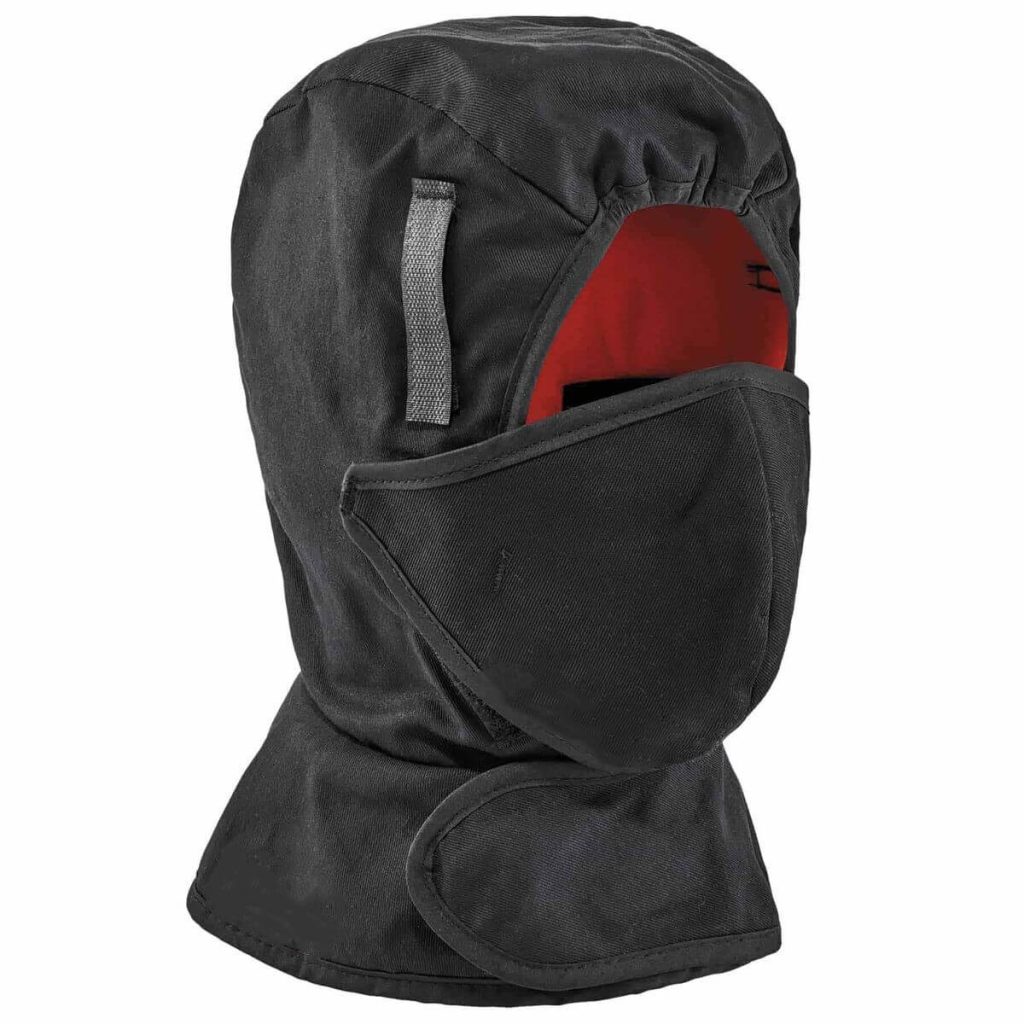
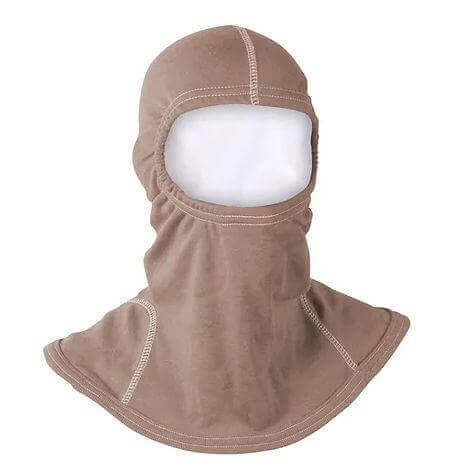
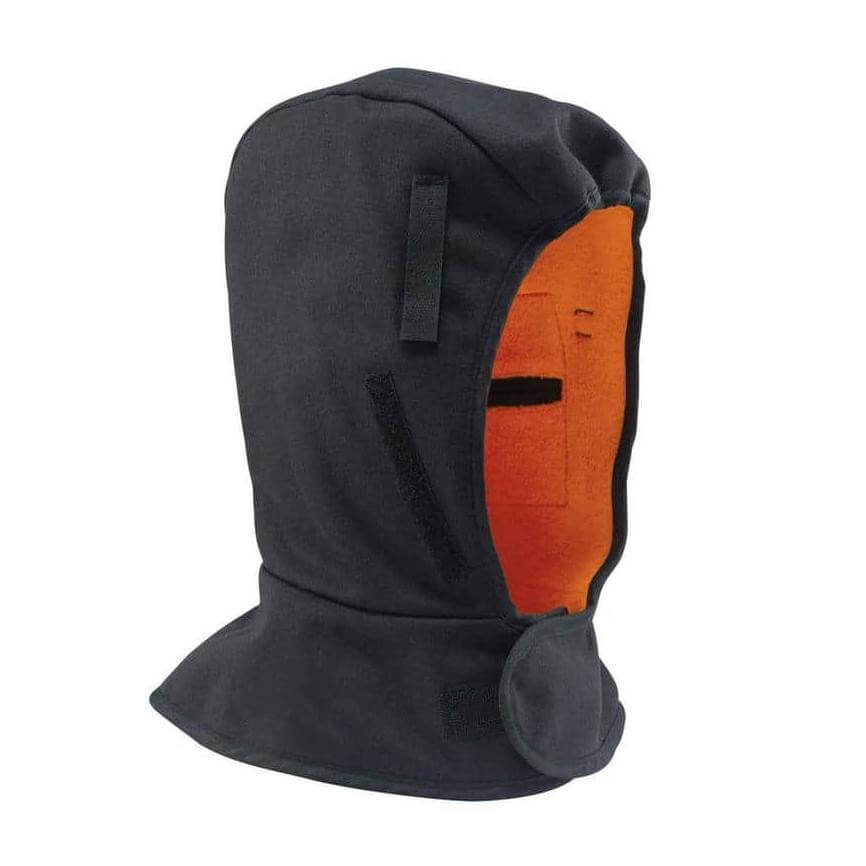
VisonSafety produces custom FR welding hoods engineered to shield the head, neck, and shoulder area during welding, grinding, cutting, and foundry work. Compatible with standard welding helmets and face shields, our hoods use treated FR cotton, aramid, or modacrylic-blend fabrics to reduce spark and heat exposure. We support global safety brands, PPE distributors, and industrial suppliers with OEM sizing, private labeling, and export-ready packaging.
Get Custom Quote
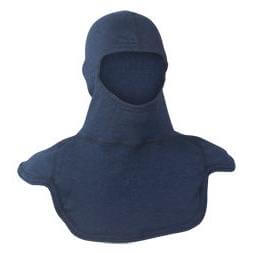
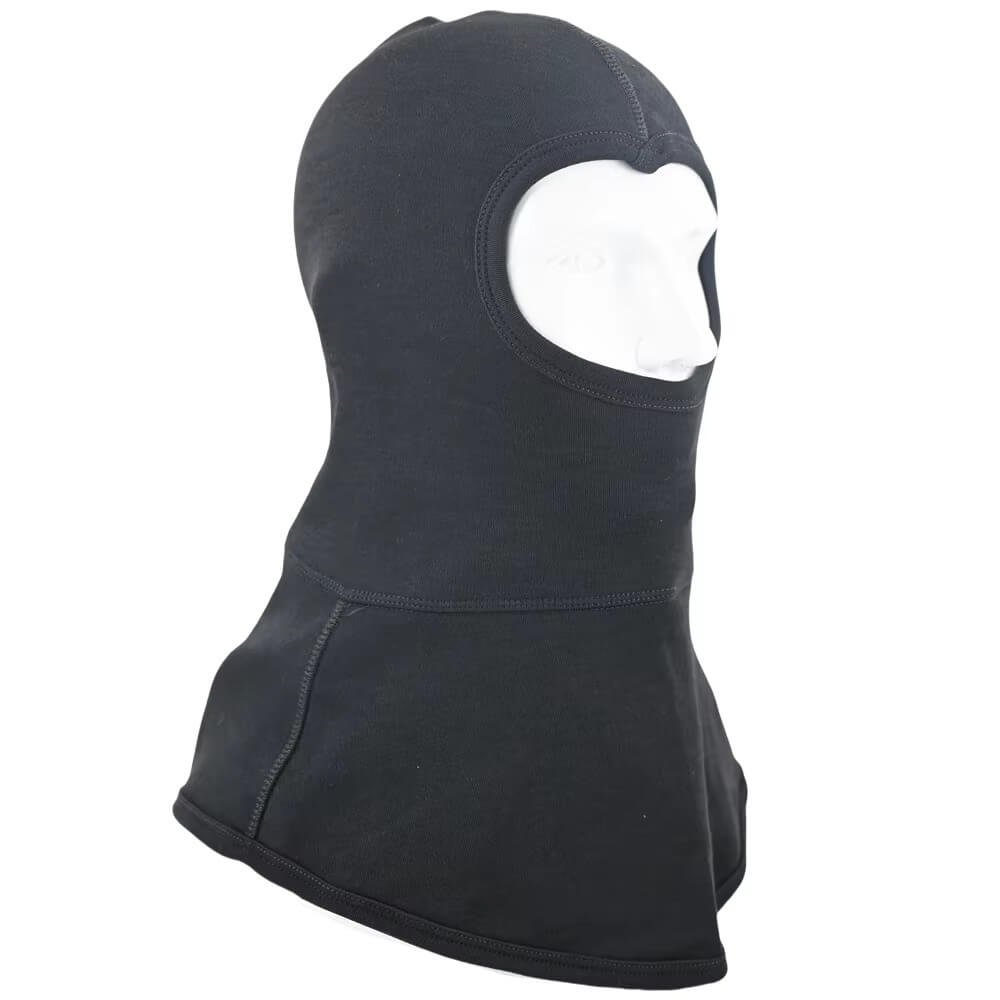
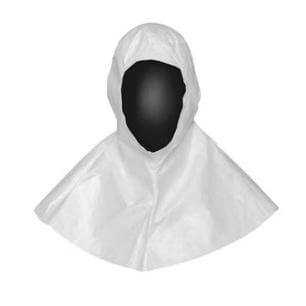
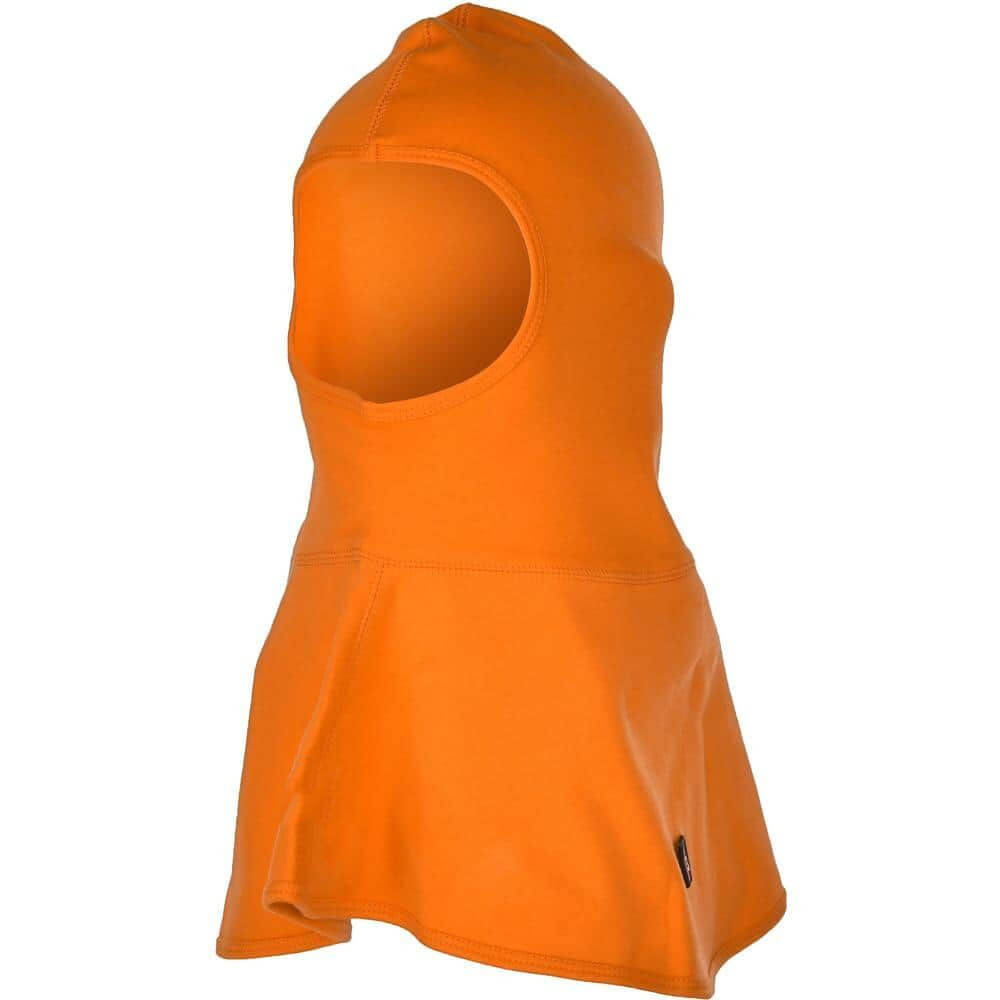
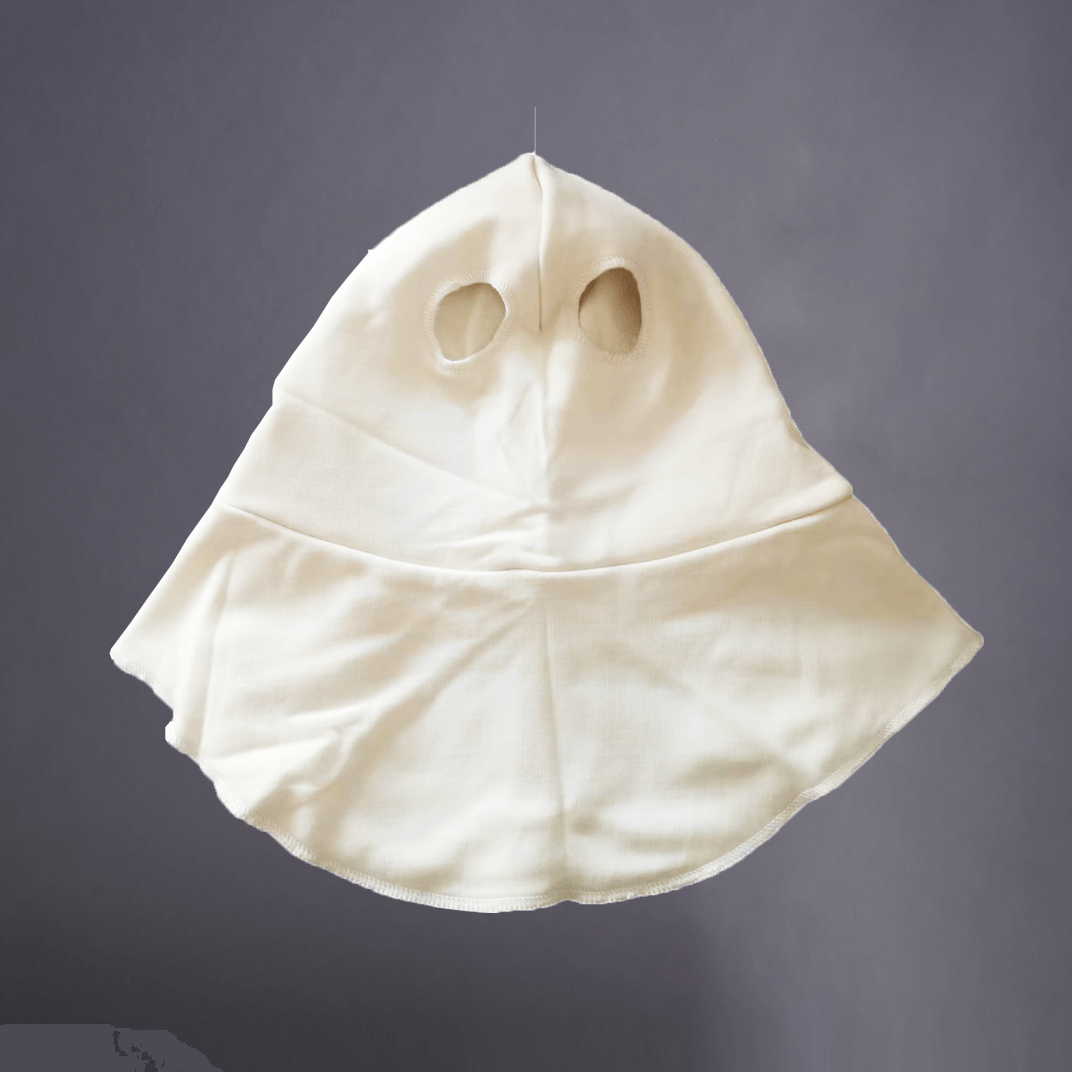
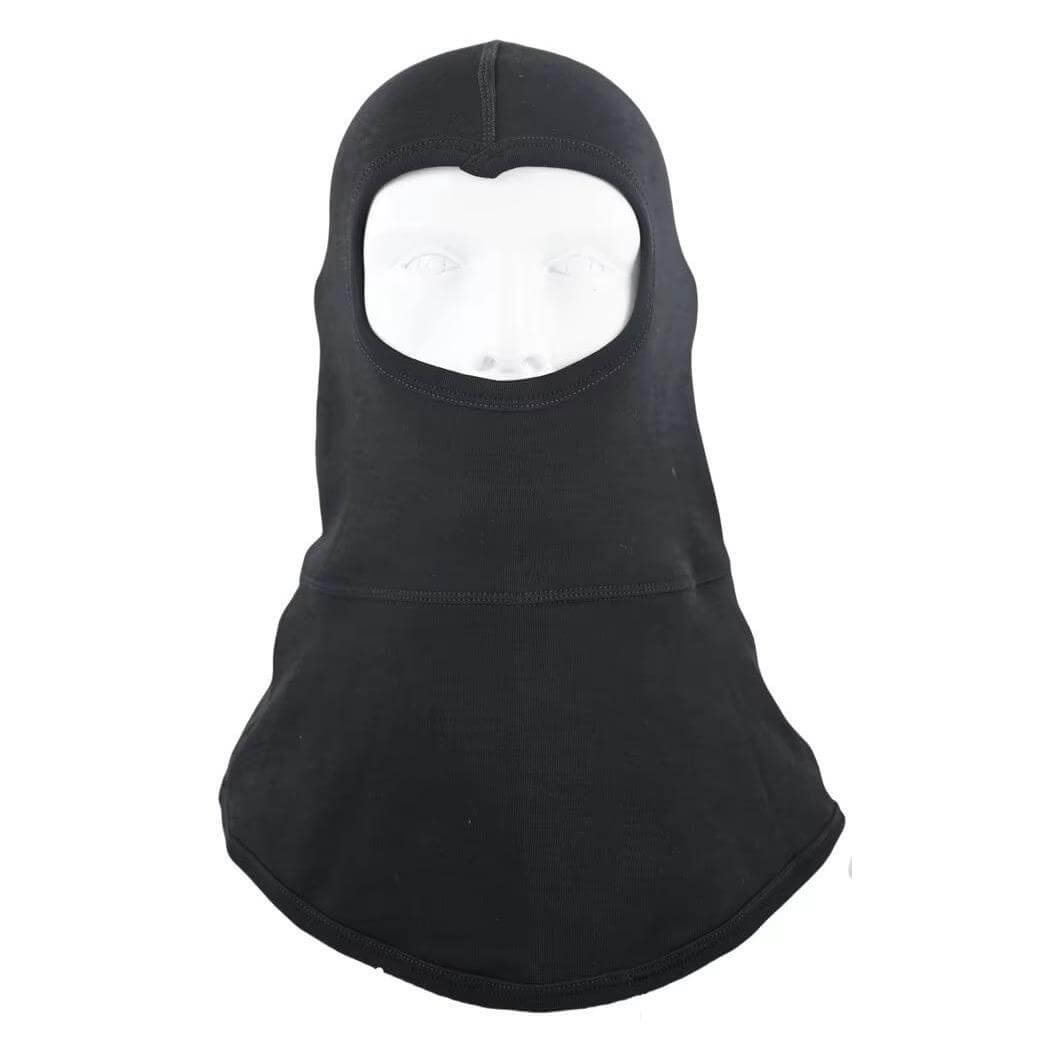
Targeted Spark and Heat Coverage
Shields the scalp, ears, neck, and shoulders — areas frequently exposed during overhead and confined-space welding tasks.
Multiple FR Fabric Grades
Offered in treated FR cotton, aramid, or modacrylic blends to match different heat-exposure levels and budget tiers.
Helmet and Shield Compatible Fit
Engineered face openings and slim seam profiles allow smooth integration with common welding helmets and respirators.
Reduced Bulk, Increased Comfort
Lightweight fabric options and ergonomic tailoring minimize pressure points during extended wear.
Reinforced for Repeated Use
Seam reinforcement and FR-rated threads maintain structural integrity through frequent laundering and daily wear.
End-to-End OEM Support
From fabric grade to hangtag design, every detail can be tailored to your brand and target market.
Configure Your FR Welding Hood Program From Fabric to Packaging
Every specification—from material grade to carton marking—can be adjusted to fit your safety requirements and go-to-market plan.
Fabric and Weight Selection
Hood Style and Coverage
Construction Details
Branding and Packaging
Fabric and Weight Selection
- Treated FR cotton, aramid blends, and modacrylic-based fabrics available
- Weight range typically 180–360 gsm depending on climate and exposure level
- Optional anti-static or moisture-wicking finishes for enhanced wearer comfort
- Lightweight builds for hot climates; heavier constructions for cold-weather job sites
Hood Style and Coverage
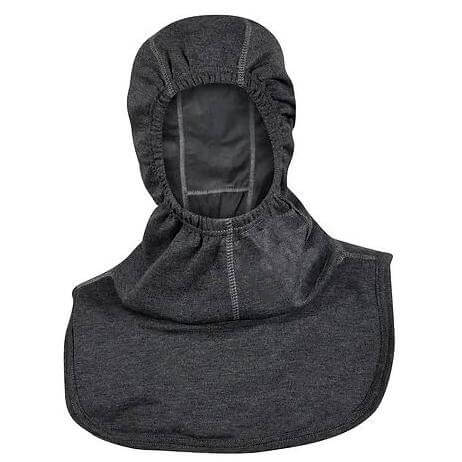
- Pullover hood, balaclava-style, or extended bib/shoulder-drape formats
- Custom face-opening dimensions for helmet, goggle, or respirator compatibility
- Adjustable neck and shoulder coverage to minimize exposed skin near collars
- Single- or multi-layer panel options for targeted protection zones
Construction Details
- Flat-seam or low-profile stitching to reduce helmet pressure points
- Elastic openings, hook-and-loop tabs, or snap closures per your preference
- Reinforced high-friction zones and optional bib extensions
- FR-compliant thread and trim components matched to fabric performance
Branding and Packaging
- Woven labels, heat-transfer prints, embroidery, and private-label tags
- Custom care labels, size labels, and origin marking per destination-market rules
- Polybag, hangtag, barcode, or bulk carton packing formats
- SKU-level packing lists and carton marks aligned with distributor systems
Why VisonSafety is Your Go-to Choice
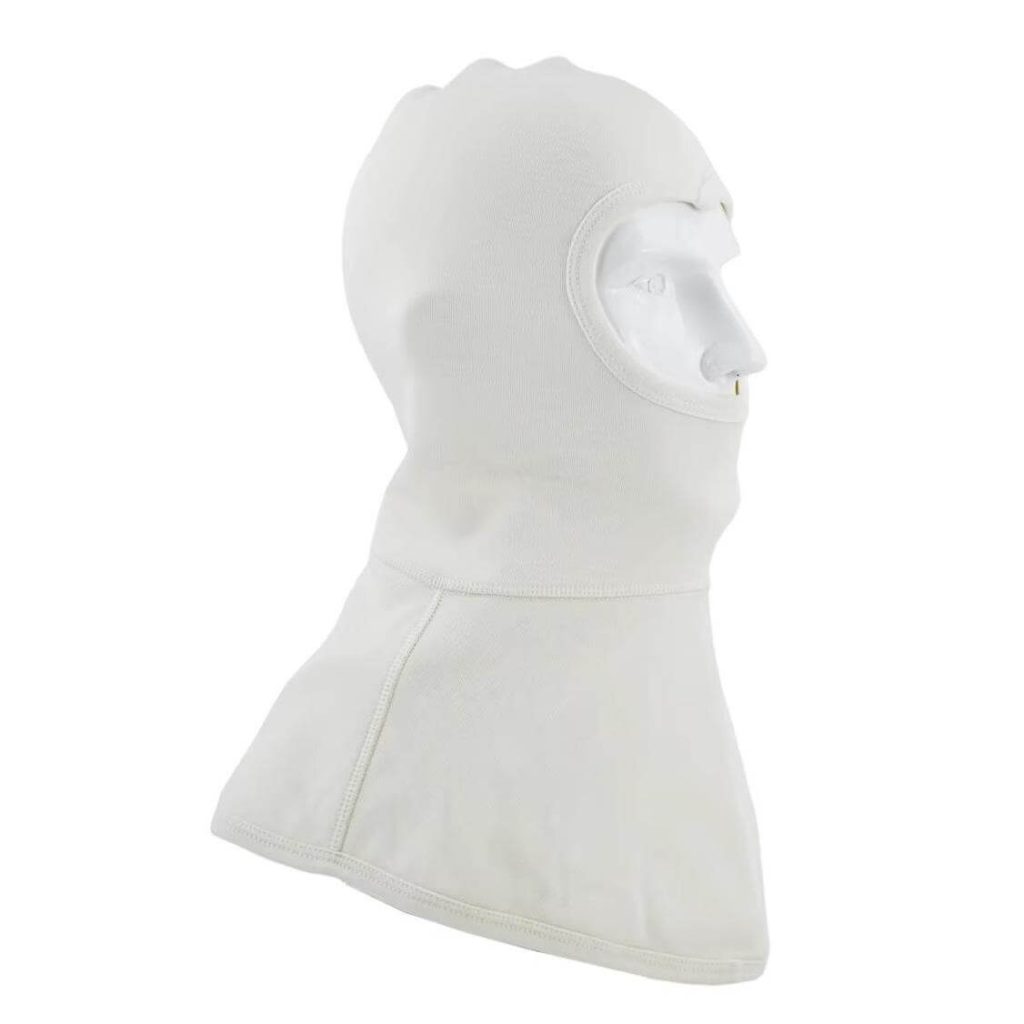
Focused Protection Where Welders Need It Most
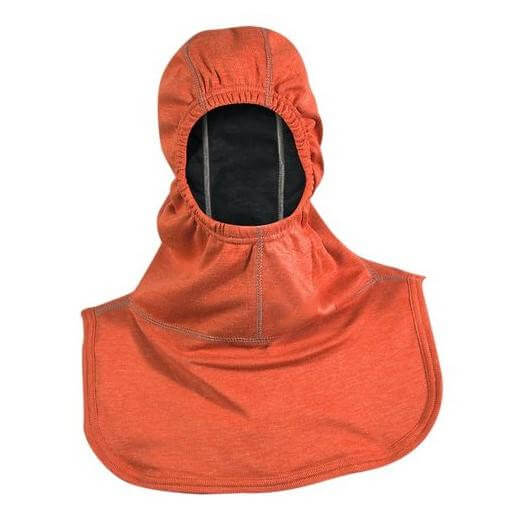
FR welding hoods target the gaps often left exposed by standard PPE setups—the neck, ears, and scalp beneath a helmet. VisonSafety builds hoods in pullover, balaclava, and extended-bib configurations to suit different task exposures. Each format is designed to layer with helmets, face shields, and FR jackets, rather than replace them, ensuring compatibility with existing safety programs across welding, foundry, and fabrication environments.
Fabric Choices Matched to Real Working Conditions
Material selection shapes comfort, cost, and thermal performance. Treated FR cotton suits general-purpose use and value-driven programs; aramid blends offer elevated heat resistance for high-exposure tasks; modacrylic blends balance durability with softer hand feel. Fabric weights 180–360 gsm, letting buyers select lighter builds for hot environments or heavier constructions for outdoor winter conditions. Pre-production testing checks shrinkage, flame resistance, and colorfastness.
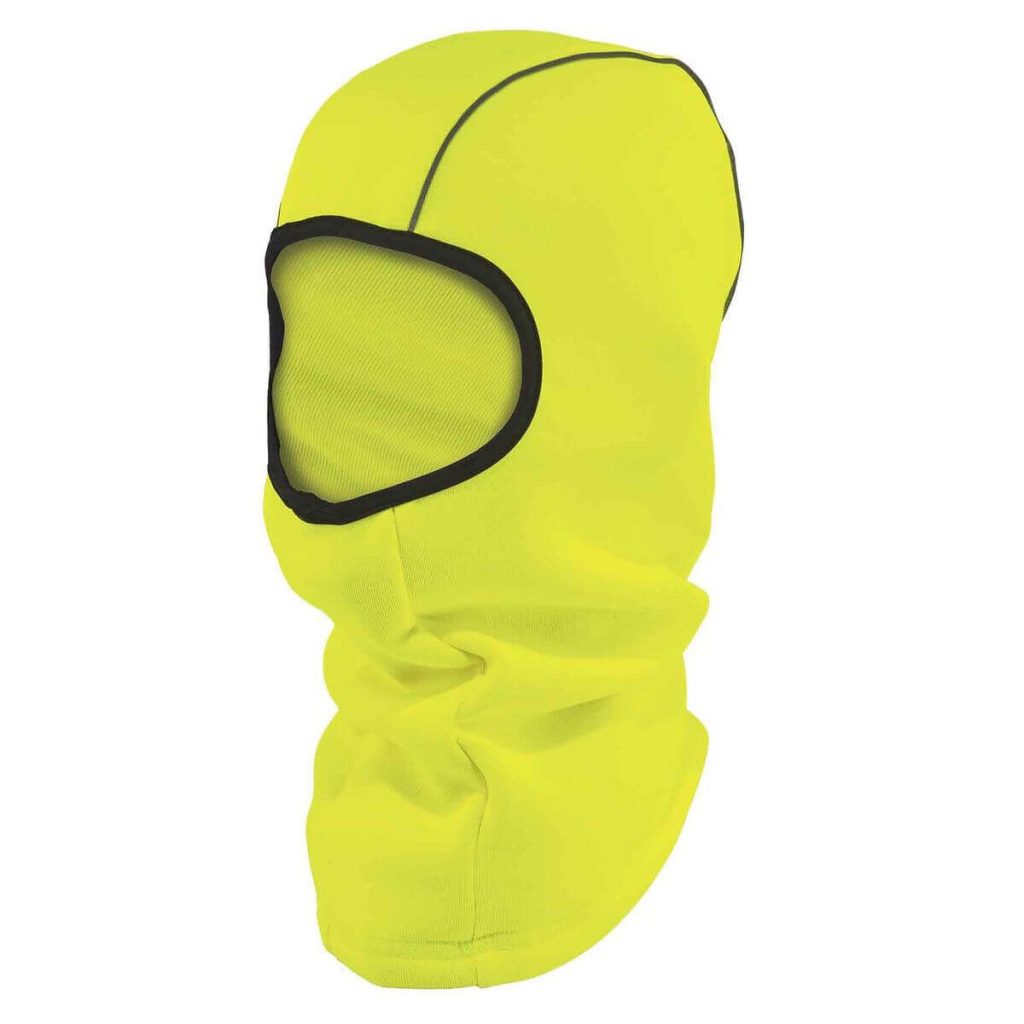
Engineered Fit for PPE Integration
A welding hood only performs well if it fits properly with the helmet or shield it’s paired with. We adjust face-opening size, hood depth, and seam placement based on your reference PPE models. Low-profile stitching reduces bulk under tight-fitting helmets, while extended bib designs help close gaps around jacket collars. Every adjustment is validated against real wearer movement and visibility needs before bulk production begins.
Manufacturing Control That Supports Repeat Orders
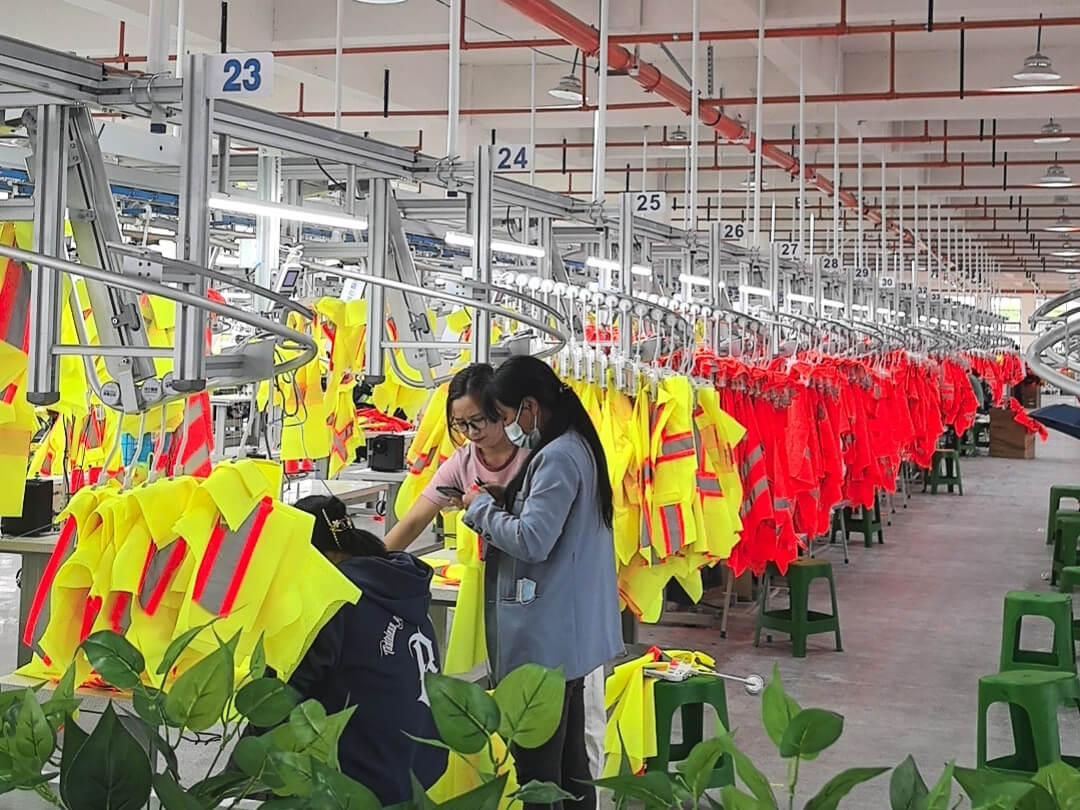
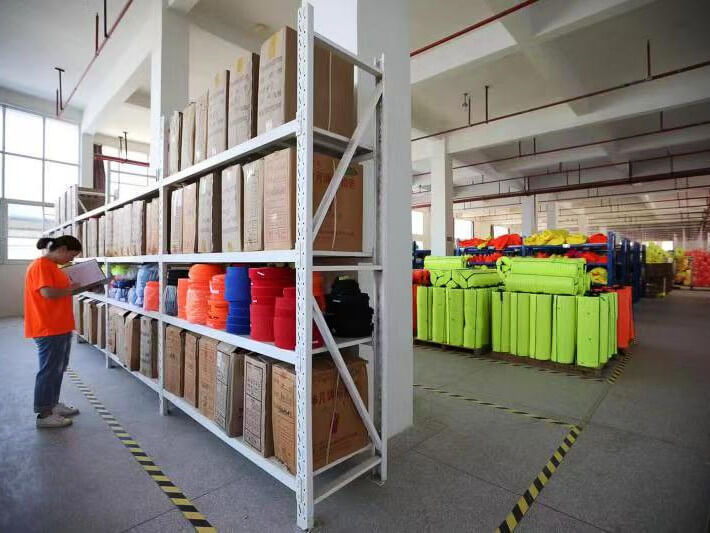
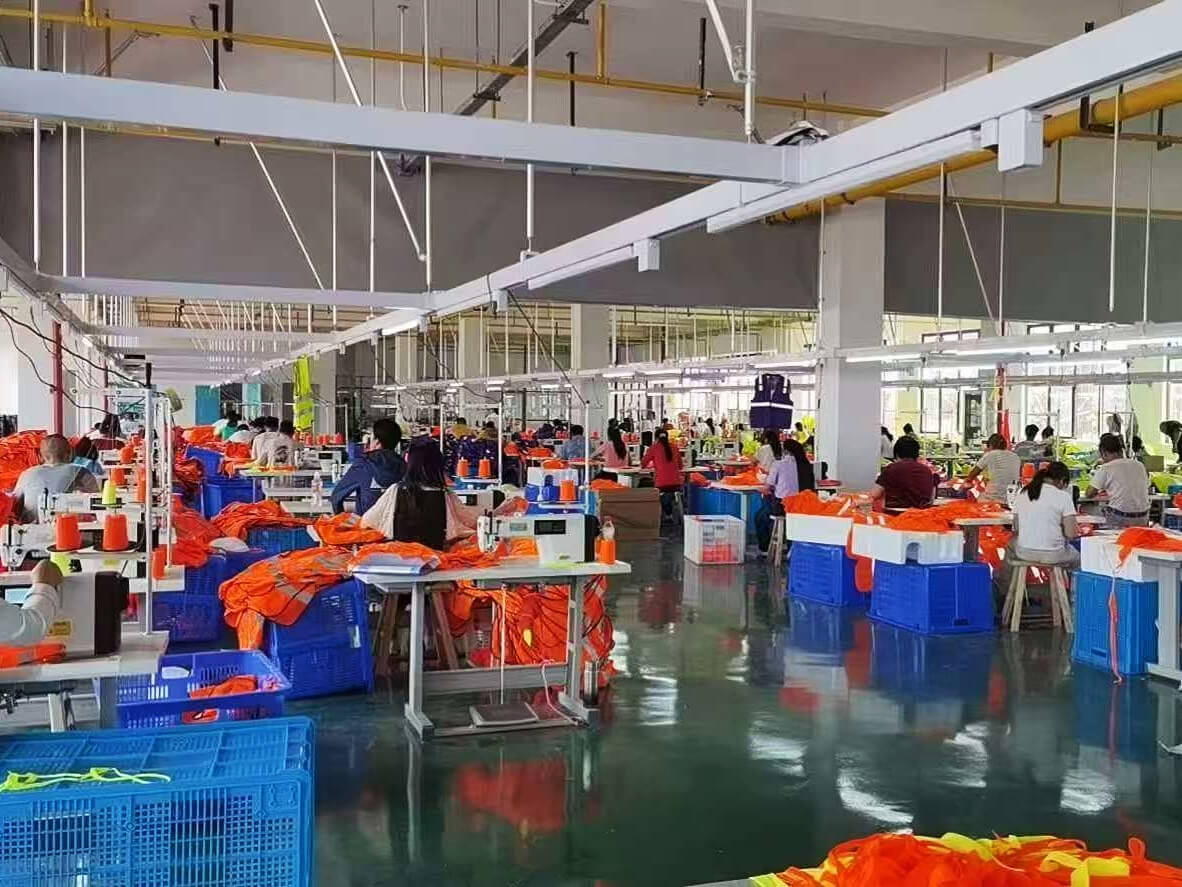
Our production process tracks fabric from roll inspection through final packing. Each batch is checked for weight, shade consistency, and defects before cutting, with records retained for up to three years. In-line inspectors monitor seam quality, seam placement, and closure function throughout sewing. Final inspection confirms dimensions, labeling accuracy, and packaging before shipment—helping distributors and private-label brands maintain consistency order after order.

A Transparent OEM Workflow From Concept to Carton
Our production system gives buyers clear checkpoints and consistent results across every custom FR hood order.
1. Specification Review and Fabric Recommendation
We start by reviewing your target market, expected exposure level, preferred fabric, hood style, and branding requirements. If you supply a tech pack or reference sample, we translate it into a working specification; if not, our team recommends suitable fabric and construction combinations based on your budget and use case. This step confirms the bill of materials and sample scope before any physical development begins.
2. Sample Development and Sign-Off
A development sample is produced to validate shape, coverage, fabric feel, and stitch quality. You review it against your requirements and request adjustments if needed. Once dimensions, trims, and branding elements are confirmed, we lock in a sealed reference sample that governs all bulk production, reducing the risk of inconsistency across larger runs.
3. Material Control and Bulk Production
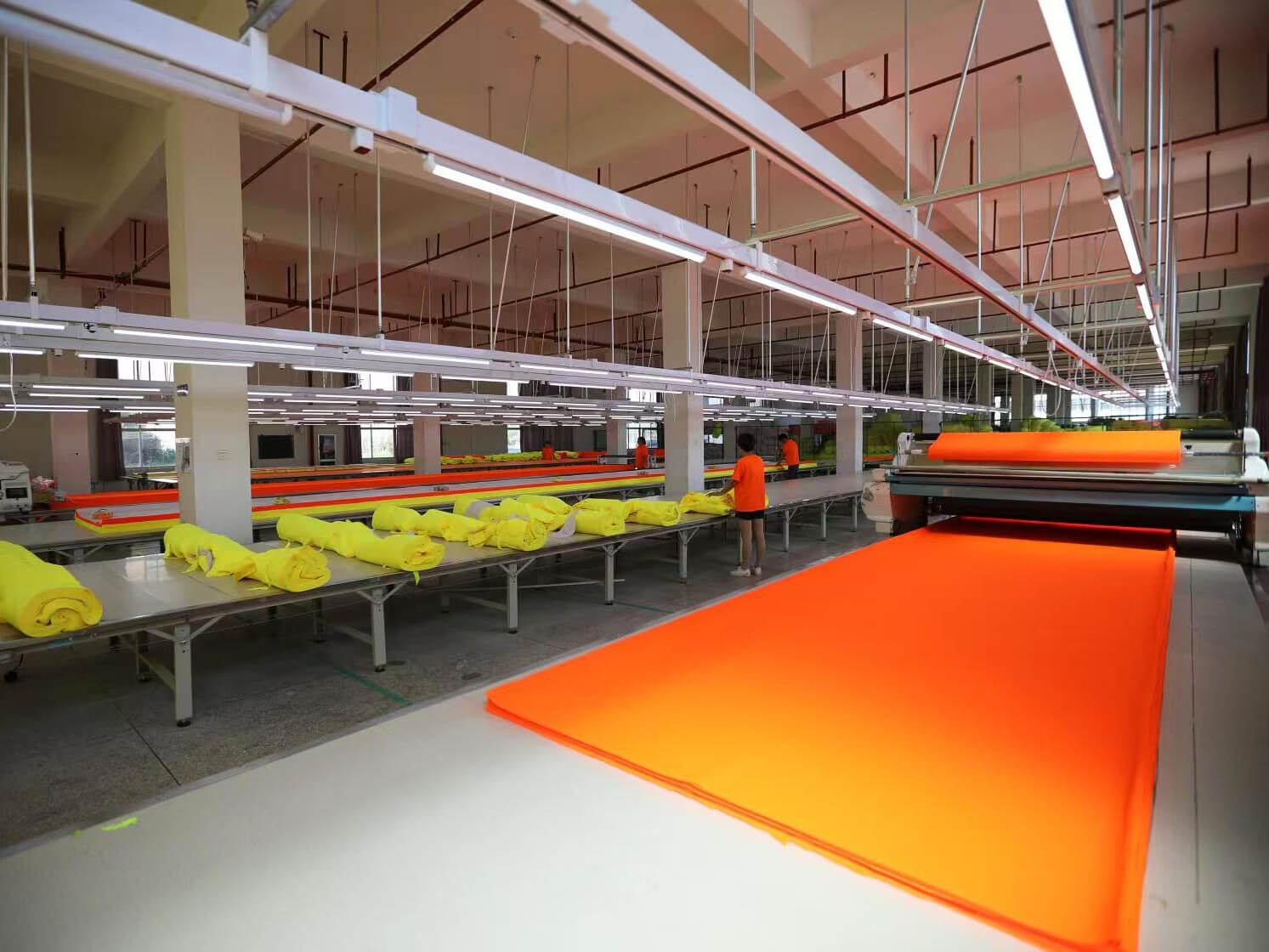
Approved fabric rolls are inspected for weight, width, and shade uniformity before cutting begins. Records are retained for traceability. Skilled operators then cut, sew, and finish each hood according to the approved specification, while in-line quality checks catch inconsistencies in real time—well before the batch reaches final inspection.
4. Final Inspection and Export-Ready Packing
Completed hoods undergo a final quality pass covering workmanship, dimensions, labeling, and branding accuracy. We then pack according to your chosen format—polybags, branded inserts, barcoded cartons—verifying carton counts and marks before dispatch. This final step ensures your shipment arrives ready for distribution, retail, or direct project use.
FAQs
It primarily covers the head, ears, neck, and upper shoulders—zones often exposed when wearing just a helmet or face shield. It’s designed to be worn alongside other PPE like FR jackets or coveralls, not as a standalone solution. The exact coverage needed should be based on your workplace’s hazard assessment.
The choice depends on heat exposure intensity, budget, and comfort priorities. FR cotton works well for general use and lower-cost programs, aramid blends suit higher-heat applications, and modacrylic blends offer a balance of durability and softness. We can guide you through this decision based on your target end-use.
We customize face-opening dimensions and seam placement to match your specified helmet or face shield models. It’s best to share reference PPE samples or measurements during development so we can validate fit before mass production. Final compatibility checks with actual equipment are recommended.
Yes, we manufacture pullover, balaclava, and extended-bib/shoulder-drape styles. Extended designs help minimize exposed skin around jacket collars, which is particularly useful for overhead or confined-space welding work. We can adjust bib length based on your safety program’s needs.
We can develop hoods aligned with requirements referenced in NFPA 2112, ASTM F1506, EN ISO 11611, and related standards. Full compliance depends on the complete material and construction system, testing, and labeling process. Share your target standard and we’ll confirm feasibility for your specific program.
We offer woven labels, embroidery, heat-transfer prints, private-label tags, and custom care/size labels. Packaging options include polybags, hangtags, barcodes, and bulk cartons. All branding elements are confirmed during the sampling stage to avoid inconsistency in bulk runs.
We inspect fabric before cutting, conduct in-line checks during sewing, and perform final inspection before packing. This covers dimensions, stitching, closures, labeling, and overall workmanship. Batch and test records are kept for up to three years to support traceability for repeat orders.
Yes, we strongly recommend sampling first. It allows you to verify fit, fabric feel, coverage, and branding accuracy before committing to a larger production run. The approved sample also becomes the reference standard for maintaining consistency in future orders.
MOQ generally starts around 500 pieces per style or color, depending on fabric availability and customization complexity. Lead time is confirmed after sample approval and fabric booking, typically ranging based on order volume and component sourcing needs.
Yes, we regularly serve buyers across multiple regions, including emerging markets in Asia, the Middle East, and Latin America. We adapt labeling, packaging, and documentation to meet your destination market’s specific requirements and import regulations.
Some Cool Facts
Collaborated with Global Partners on





 English
 Deutsch
 Français
 Polski
 Português do Brasil
 Español
 日本語
日本語 Русский
 العربية
 Italiano
 Nederlands
 Türkçe
 한국어
한국어