
Custom FR Jeans That Fit the Work and Your Brand
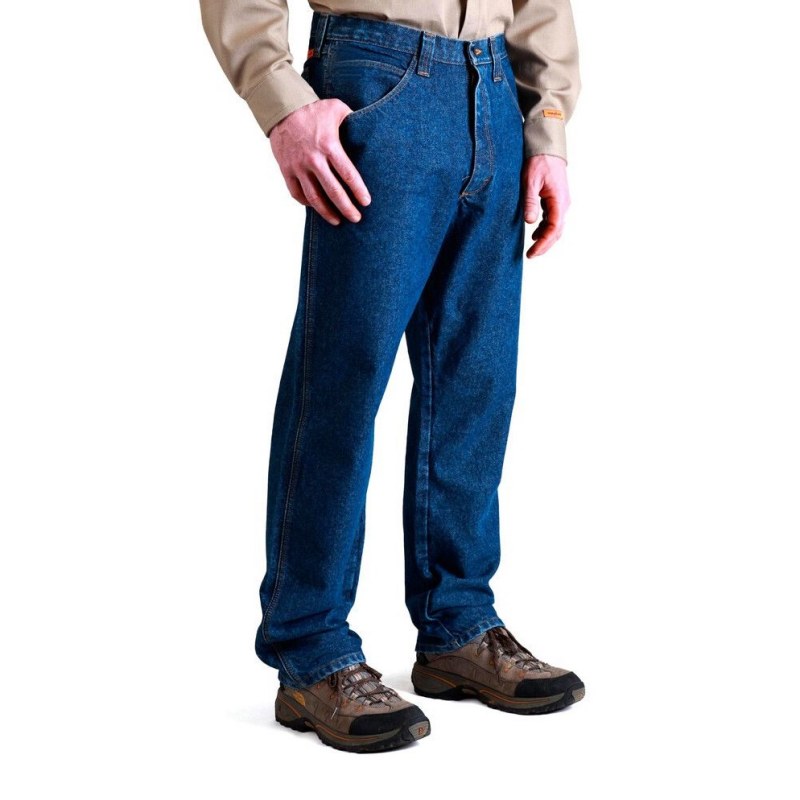
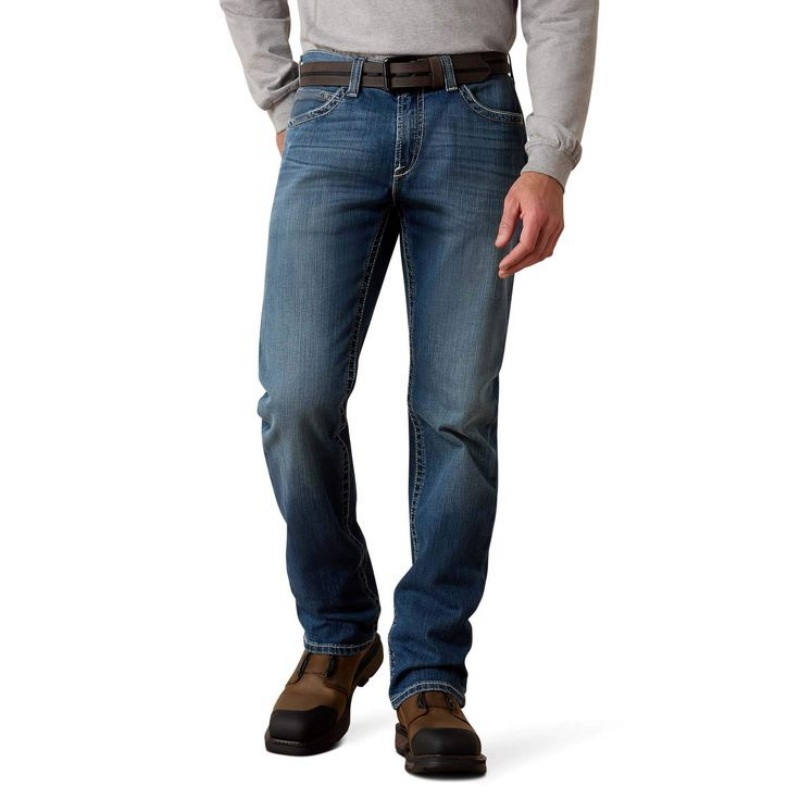
Work crews know when a jean fits badly. It pulls across the thighs when they kneel, sits awkwardly over boots, or loses the look they bought it for after washing. VisonSafety develops custom FR jeans with those details in mind. Choose the denim, rise, leg shape, pocket layout, wash, and branding for your market, then review a physical sample before bulk production. We build each style around its intended use and required protection claims, so you can offer flame-resistant denim with a fit your customers want to wear and a specification your team can reorder.
Get Custom Quote
A fit selected by the buyer
Specify straight, relaxed, or bootcut legs, with waist and inseam grading for your customers.
Denim with a defined purpose
Compare suitable FR denim by composition, weight, hand feel, laundering needs, and target cost.
Useful five-pocket construction
Set pocket depth, watch-pocket details, belt loops, and reinforcement where your design needs them.
Boot-friendly leg openings
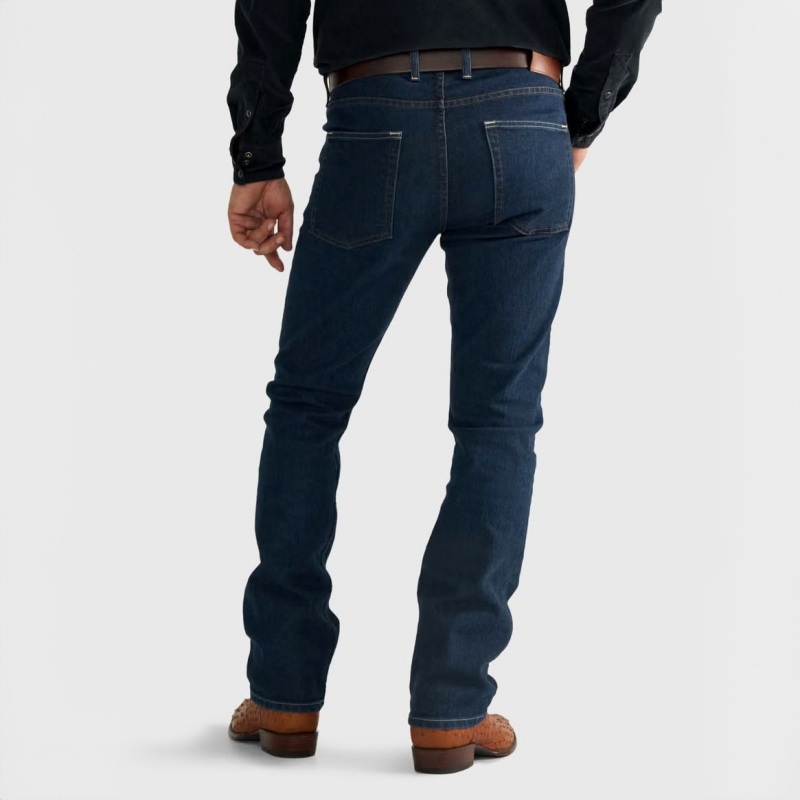
Choose the hem width and inseam to work with the footwear your customers wear.
A finish you can recognize
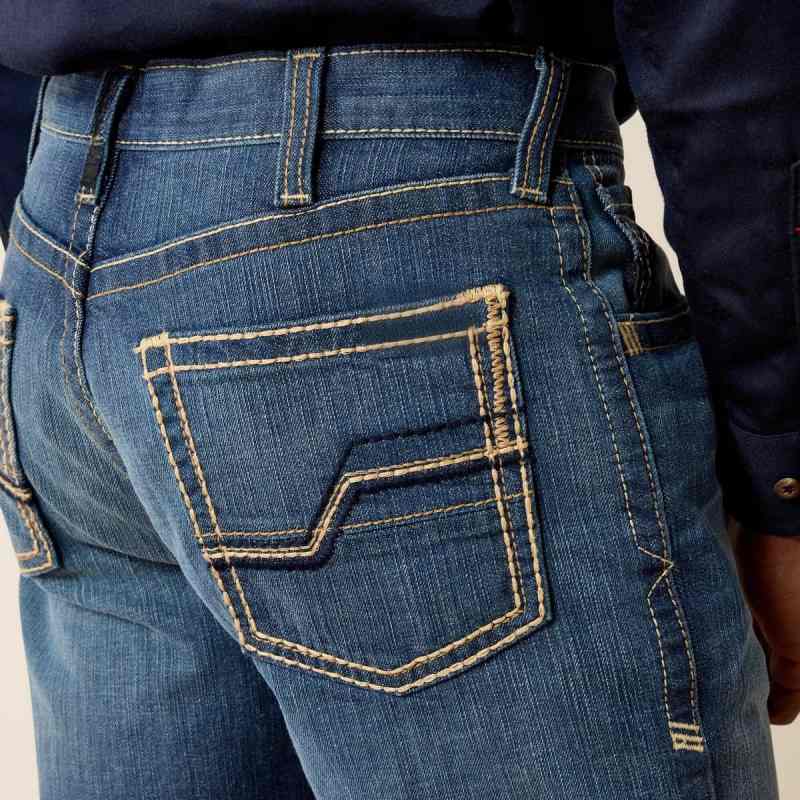
Approve the denim shade, wash appearance, stitching, labels, and back-pocket design before production.
Protection claims you can substantiate
Review testing and certification for the finished jean rather than relying on a fabric description alone.
Build the Jean Around Your Buyer
From waistband to hem, each choice is recorded in the approved sample and production specification.
Denim and finish
Fit and sizing
Pockets and construction
Private-label details
Denim and finish
- Review suitable FR denim fabrics by fiber composition, weight, stretch content, shade, and required performance.
- Specify the wash appearance and care requirements, subject to validation for the selected FR material and finished garment.
Fit and sizing
- Choose straight, relaxed, or bootcut styling, with the rise, seat, thigh, knee, and leg opening defined in the measurement chart.
- Plan waist and inseam combinations that suit your customer base and reduce gaps in your size range.
Pockets and construction
- Develop a classic five-pocket jean or add an approved utility pocket for a specific work program.
- Specify pocket-bag fabric, belt loops, fly, stitching, and reinforcement at agreed wear points.
Private-label details
- Add approved brand labels, back-pocket stitching, size and care labels, hangtags, barcodes, and carton marks.
- Confirm hardware and logo materials as part of the garment review, especially where a protective claim is required.
Why VisonSafety is Your Go-to Choice
Fit Starts Above the Knee
A jean’s leg opening matters, but it cannot fix a tight seat or restricted thigh. We define rise, waist, hip, seat, thigh, knee, inseam, and hem width before grading the pattern. A relaxed fit can allow more room for bending and climbing; a straight leg gives a cleaner outline; a bootcut opening accommodates bulkier work boots. You can approve the proportions on a physical sample rather than judging them from a flat size chart. For an OEM range, this also helps you decide which waist and inseam combinations are worth stocking.
FR Denim Is Not One Fabric
FR jeans can be made from different denim constructions, including non-stretch and stretch options, but their suitability depends on the end use. We compare candidate materials by fiber composition, fabric weight, feel, shade, laundering requirements, and documented performance. A stretch jean may suit a buyer who values movement; a non-stretch style may better match another workwear brief. Neither description is a substitute for evaluating the actual garment. Before cutting, we test every production fabric roll and retain the relevant records for three years, giving your team a traceable reference for the denim used.
Make Five Pockets Work Harder
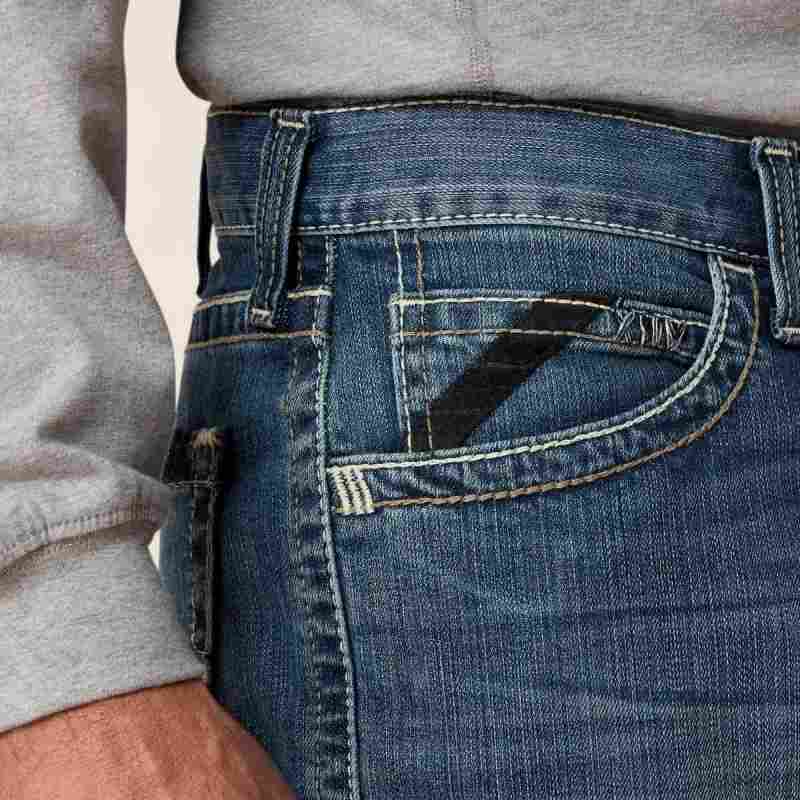
The familiar five-pocket layout gives FR jeans an appearance customers already understand. Its execution determines whether the garment feels ready for work: front pockets need useful depth, belt loops must suit the intended belt, and the waistband and fly should sit comfortably through a full shift. Depending on your brief, we can review reinforcement at pocket openings and other high-use points, plus an additional utility pocket. We record pocket dimensions, stitching, fly construction, hardware, and seam details in the approved specification. Branding can then sit within a coherent jean design rather than looking like an afterthought.
Wash and Claims Must Survive Review
A denim wash can make a new FR jean feel familiar, but finishing is part of the technical specification, not just a color choice. We review the proposed process for its effect on shade, dimensions, care instructions, and any required protective performance before approving it for production. The same discipline applies to labels: “FR” does not automatically mean the jean is arc-rated or certified to NFPA 2112. Any ATPV, PPE category, or certification claim must match the documented finished style. This protects your brand from selling a look that the supporting paperwork cannot verify.

From Fit Sample to Repeatable Denim
We settle fit, finish, and protection requirements in a deliberate sequence before bulk cutting begins.
Define the range.
Tell us who will buy the jeans, where they will be sold, and how they are expected to be worn. Share a reference pair or tech pack, along with your target fit, denim shade, waist and inseam range, pocket design, logo artwork, and estimated quantity. We also review the intended hazard and any standard or certification your customer requires. From that brief, we identify suitable material routes and prepare an initial specification. This gives you a basis for comparing cost and design choices before a sample is developed.
Fit the sample.
We make a physical pair for review against your target measurements. Check the rise, waist, seat, thigh, knee, leg opening, and inseam with the work boots or footwear your customer is likely to use. You can also assess pocket access, waistband comfort, fly function, wash appearance, and branding. We incorporate agreed revisions and confirm the approved sample, measurement tolerances, bill of materials, and size grading. For a stretch style, we review its fit and recovery requirements separately rather than assuming a non-stretch pattern will behave the same way.
Approve materials and finishing.
Once the sample is settled, we confirm the production denim, pocketing, thread, closures, labels, and agreed wash process. Every production fabric roll is tested before cutting, with relevant records retained for three years. We check shade and material consistency against the approved reference and review any proposed substitution with you first. If the jeans will carry a specific protective claim, changes to fabric, components, or finishing must also be assessed against the applicable testing or certification route before bulk production proceeds.
Sew, inspect, and pack.
Production follows the approved pattern and construction details, with checks on waist and inseam measurements, pocket position, belt-loop attachment, fly operation, and stitching. After finishing, final inspection reviews fit measurements, shade and wash appearance, labels, hardware, size assortment, and packing against the agreed criteria. We address discrepancies before release. Jeans are then packed by approved waist, inseam, and SKU ratios for your distribution channel. The retained sample and specification provide a practical starting point for the next order.
FAQs
FR jeans are made with flame-resistant denim and developed for a stated protective use, while ordinary work jeans may only be specified for fit and durability. The exact protection claim depends on the finished jean’s testing, certification, and labeling, not on its denim appearance.
Yes. We can develop the leg shape alongside the rise, seat, thigh, and inseam measurements. We recommend checking a physical fit sample with the type of work boots your customers wear before approving bulk grading.
We can review suitable stretch FR denim for programs that prioritize mobility. Stretch content, recovery, care requirements, and protective performance need to be checked for the selected material and finished design.
There is no single best weight for every FR jean. We compare suitable fabrics against climate, feel, expected wear, target price, and the protection requirements of your market before confirming the production specification.
Yes, we can develop an approved denim shade and wash appearance. Any finishing process must be reviewed for its effect on dimensions, care instructions, and required FR performance before it is used for the order.
Yes. We can review an additional utility pocket, pocket-opening reinforcement, or other construction details based on your design. Their positions and materials are confirmed in the sample and bill of materials.
No. FR denim alone does not establish an arc rating or certify the finished jeans. We review the applicable testing, certification, and label requirements for the exact style you intend to sell.
Yes. You can specify approved labels, back-pocket stitching, hangtags, barcodes, packaging, and carton marks. We confirm branding materials and placement during sampling, particularly for styles with protective-performance claims.
We agree on the size chart and grading from the approved fit sample, then confirm your order quantities by waist and inseam combination. Final packing follows the agreed SKU ratios so your warehouse can receive and distribute the jeans accurately.
Send your target market, intended use, estimated quantity, reference jeans or tech pack, preferred fit, denim requirements, size range, wash, and logo details. Include any required standard, certification, or arc rating so we can assess the right fabric and development route before quoting.
Some Cool Facts
Collaborated with Global Partners on





 English
 Deutsch
 Français
 Polski
 Português do Brasil
 Español
 日本語
日本語 Русский
 العربية
 Italiano
 Nederlands
 Türkçe
 한국어
한국어