
Flame-resistant (FR) clothing is purpose-built protective apparel that resists ignition, self‑extinguishes, and limits burn severity during thermal incidents like arc flash or flash fire. This guide makes it simple to identify who must wear FR clothing by linking common job roles and industry settings to the hazards they face, the standards that apply, and practical procurement considerations. You’ll learn which roles typically require FR workwear, how fabric choices and garment design reduce injury, which standards to reference, and what manufacturer capabilities support compliance. We balance technical clarity for safety and procurement teams with actionable mappings—hazard → standard → garment—using terms such as ATPV, arc rating, meta‑aramid, and treated cotton. By the end, you’ll have a short decision framework to identify when FR clothing is required and what certifications or garment types to prioritize for different risks.
What Jobs Require Flame Resistant Clothing?
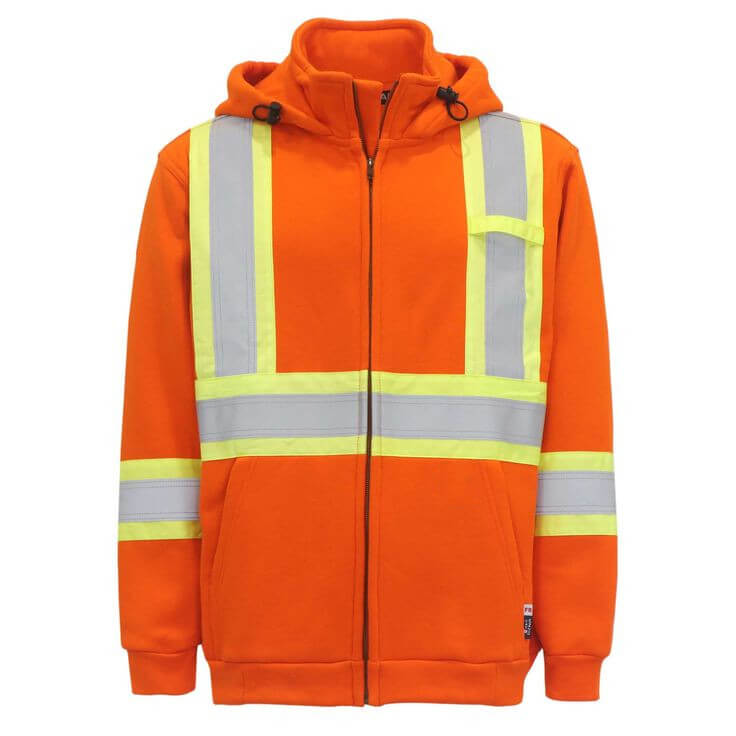
FR clothing is required whenever tasks expose workers to thermal hazards that can ignite ordinary fabrics and cause serious burns. Employers must assess job activities and provide the right protective apparel. Below we match common roles to their dominant hazards and the typical FR garments used to control those risks. This role‑to‑garment mapping reduces uncertainty during hazard assessments and makes specification writing for uniforms and PPE programs faster and more precise.
Get a Custom FR Clothing Quote from VisonSafety
The following occupations commonly require FR clothing and why:
- Electricians and switchgear technicians: arc‑rated shirts and jackets reduce burn severity during energized work.
- Utility line workers: layered, arc‑rated coveralls or jackets protect against live‑line exposure and transient arcing.
- Welders and metalworkers: FR jackets, sleeves and aprons protect welded areas from sparks and molten metal.
- Oil and gas process operators and transfer crews: NFPA‑style flash‑fire coveralls guard against flammable vapor risks.
- Chemical plant operators and refinery crews: full‑coverage FR coveralls and pants are used where flash fires or vapor ignition are credible.
- Construction crews performing hot work or exposed to electrical hazards: task‑specific FR shirts, pants and hi‑vis FR vests are common.
This concise list helps prioritize apparel choices by the dominant hazard for each role. The next section expands to industry patterns and how those influence purchasing decisions.
Which Industries Mandate FR Clothing for Worker Safety?
Certain industries adopt FR clothing as a standard control when ignition and thermal injury are credible and severe. In oil and gas, flash‑fire risk during transfers, loading and process upsets often drives NFPA 2112‑style requirements and widespread use of full‑coverage coveralls and jackets. Electrical utilities and industrial maintenance routinely reference NFPA 70E and ASTM arc‑rating guidance for arc flash hazards, favoring arc‑rated shirts and layered systems. Welding and metal fabrication typically specify heavyweight FR jackets, sleeves and aprons per ISO/EN welding standards to manage sparks and molten metal. These industry patterns link common tasks to the protective garment types buyers should prioritize.
Understanding flash fire protection requirements is especially important for oil and gas operations.
NFPA 2112 Certified Garments for Flash Fire Hazards
ABSTRACT: This paper explains why NFPA 2112‑certified garments should be specified for flash fire hazards. Presented at the ASSE Professional Development Conference and Exposition, Dallas, Texas, June 2015. Author: Derek Sang. Paper Number: ASSE‑15‑741. Published: June 7, 2015.
This industry overview prepares safety teams to translate role‑level hazards into procurement specs. The next subsection clarifies the difference between arc flash and flash fire so you can select the correct garment for each role.
What Specific Roles Need Arc Flash and Flash Fire Protection?
Arc flash and flash fire are different thermal events and require distinct garment features and selection criteria. Arc flash protection focuses on arc rating (ATPV) and layered systems that limit incident energy exposure—so workers performing energized electrical tasks (electricians, switchgear technicians, utility line crews) prioritize arc‑rated shirts, jackets and appropriate face/hand protection. Flash fire protection requires fabrics that resist ignition and self‑extinguish without melting, which is why full‑coverage FR coveralls or jackets are the choice for refinery operators, transfer/load crews and process technicians exposed to vapor clouds. Specifying the right hazard class ensures the garment’s protective mechanism matches the expected event and thermal load.
The differences between industrial flash fire injuries and the clothing designed to mitigate them are well documented.
Fundamentals of Industrial Flash Fire Injuries and Protective Clothing
ABSTRACT: This study reviews industrial flash fire and burn injury fundamentals and demonstrates protective clothing performance using instrumented manikins. Presented at the ASSE Professional Development Conference and Exposition, Nashville, Tennessee, June 2002. Authors: Thomas E. Neal and Susan L. Lovasic. Paper Number: ASSE‑02‑506. Published: June 9, 2002.
That role differentiation feeds directly into procurement criteria—ATPV, fabric type and garment coverage—so the selected FR workwear matches the site’s hazard profile.
Use this role→hazard→garment map when writing task‑based PPE requirements to keep procurement and field enforcement consistent.
Why Is FR Clothing Required? Understanding Arc Flash and Flash Fire Hazards
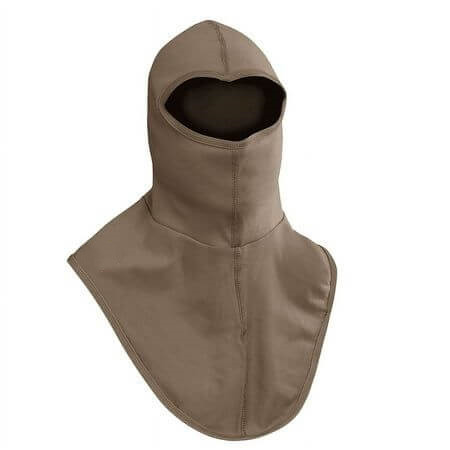
FR clothing is required because thermal events like arc flash and flash fire deliver concentrated heat that can ignite ordinary clothing and cause deep burns. FR fabrics reduce injury by limiting ignition, slowing heat transfer and preventing continued burning. Arc flash is an electrical fault that releases intense radiant energy and molten metal over a short period. Flash fire is a rapid flame front through a flammable atmosphere that can ignite clothing; FR garments are designed to self‑extinguish and reduce heat transfer to the skin. Protection is quantified by metrics such as arc thermal performance value (ATPV) for arc events and standardized flash‑fire tests for liquid/gas ignition scenarios.
Get a Custom FR Clothing Quote from VisonSafety
Knowing how these hazards work explains why fabric behavior under heat—self‑extinguishing versus melting—is central to garment selection and why test metrics are critical procurement criteria. The next sections explain how FR clothing achieves protection and list common workplace situations that call for FR apparel.
How Does FR Clothing Protect Against Thermal Hazards?
FR clothing protects through fiber chemistry and garment construction that change how material reacts to heat and flame, reducing the heat energy transferred to skin. Inherently FR fibers such as meta‑aramid char and form an insulating barrier, while treated cotton uses chemical finishes to resist ignition and self‑extinguish; both approaches prevent sustained combustion once the heat source is removed. Arc‑rated garments are tested for ATPV—an estimate of the incident energy the garment can withstand without causing second‑degree burns—and layering increases overall thermal resistance. Well‑designed seams, closures and FR components eliminate weak points that could fail under exposure.
These material and construction attributes determine whether a garment is suitable for arc flash or flash fire scenarios and shape the specification language procurement teams should use.
This table clarifies how FR garments counter specific thermal mechanisms—use it to match fabric and construction choices to expected hazard dynamics.
What Are the Common Workplace Risks That Demand FR Apparel?
Typical scenarios that trigger FR clothing requirements include hot work, energized electrical tasks, handling flammable liquids or vapors, and work near open flames or molten metal. Hot work—cutting, brazing or welding—produces sparks and spatter that can breach ordinary fabrics and start secondary fires. Live electrical maintenance and testing bring arc flash risk, where a brief pulse of thermal radiation can cause severe injury without arc‑rated clothing. Process operations in petrochemical and chemical plants carry flash‑fire risk during leaks, transfers or upset conditions, so garments must meet flash‑fire standards. Identifying these scenarios during hazard assessments is the primary driver for mandating FR use.
Having a clear list of risk scenarios makes task‑based PPE policies actionable and defensible during audits and incident reviews.
What Are the Key FR Clothing Regulations and Standards?
Major standards and regulations define test methods, labeling and performance criteria that employers use to specify FR clothing. NFPA 2112 focuses on flash‑fire garment performance and material testing in hydrocarbon environments. NFPA 70E provides electrical safety guidance and arc‑rating selection. ASTM standards such as ASTM F1506 cover fabric performance for electrical workers. European standards like EN 11611 and EN 1149 address welding protection and electrostatic properties, respectively. Employers should map tasks and regions to the appropriate standard and require certified test evidence during procurement so garments meet the expected hazard profile.
Below is a compact comparison table to help translate standards into procurement language for safety and purchasing teams.
This table helps safety managers cite the correct standard in procurement documents and job procedures. Always require product certification evidence along with any standard citation.
VisonSafety manufactures FR garments tested and certified to internationally recognized standards, including NFPA and EN, and supplies certification details to buyers who need proof of compliance.
Which Safety Standards Govern FR Clothing Use?
Standards cover material behavior and garment performance for each hazard class, and selection should be task‑driven rather than brand‑driven. For hydrocarbon flash‑fire exposures, use NFPA 2112 as the benchmark for materials and garment testing. For electrical arc hazards, NFPA 70E and ASTM F1506 guide arc‑rating requirements and system selection. In Europe, EN 11611 addresses welding protection and EN 1149 covers electrostatic properties that matter in flammable atmospheres. Employers must reference the standard that matches the hazard and insist on certified test reports when validating supplier claims.
Referencing the correct standard in your specification aligns test methods and pass/fail criteria with the incident energy or flame exposure expected for the task.
How Do Regulations Affect Who Must Wear FR Clothing?
Regulations and standards typically trigger mandatory FR use through task‑based, location‑based or policy‑based criteria that employers apply during hazard assessments. Task‑based triggers include live electrical work, hot work permits and transfer operations with flammable liquids or gases. Location‑based triggers cover units or zones with known flammable atmospheres, confined spaces or areas with prior thermal incidents. Employers are responsible for conducting hazard assessments, issuing PPE policies, training workers on correct use and care, and keeping documentation such as test certificates and labels to show compliance. Noncompliance increases regulatory risk and the chance of worker injury.
Clear policy language that ties specific tasks and locations to required FR garments is essential for consistent enforcement and auditing.
This table shows how regulatory triggers translate into practical employer actions and expected PPE outcomes.
How Does VisonSafety Support Compliance with FR Clothing Needs?
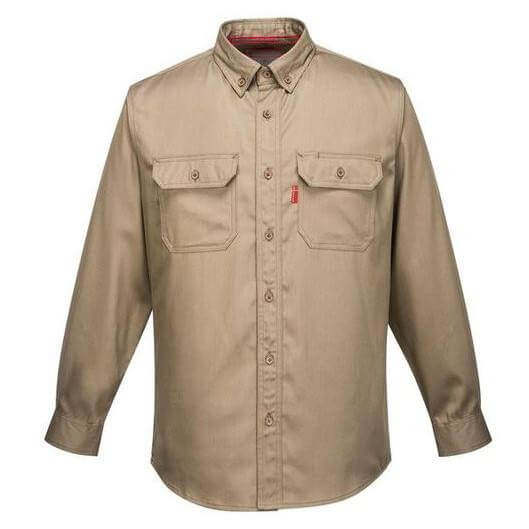
VisonSafety manufactures certified FR workwear and supports compliance with production, testing and logistics capabilities that simplify B2B sourcing. We produce core FR categories—shirts, jackets, coveralls, pants, vests, sweatshirts, rainwear and headgear—using materials like meta‑aramid and cotton blends. To ensure quality and compliance, VisonSafety offers OEM and ODM services, 100% fabric batch testing, full quality control and operates a 40,000 sq.ft. ISO 9001‑certified facility that supports sampling and on‑time delivery. These capabilities help procurement teams secure certified garments that match task specifications while managing order flexibility and logistics.
Get a Custom FR Clothing Quote from VisonSafety
This supplier summary shows how manufacturing and QC processes align with purchaser needs for certified, tested FR apparel and smooth the path from specification to delivery.
What FR Products Does VisonSafety Offer for Different Industries?
VisonSafety’s product range maps to common industry needs so buyers can match garment function to hazard profiles. For electrical maintenance and utilities, arc‑rated shirts and jackets provide ATPV‑rated layers. Petrochemical and refinery operations commonly require NFPA‑style FR coveralls and jackets. Welding and fabrication benefit from heavyweight FR jackets and aprons. Outdoor or visibility‑sensitive roles combine FR fabrics with hi‑vis features in vests and rainwear. Material options include meta‑aramid for inherent FR performance and treated cotton blends when comfort and specific properties are needed.
These product mappings make it easier for safety officers and procurement specialists to select the appropriate garment family for each application.
- Key product categories mapped to industry needs:
- FR Coveralls: Full‑coverage protection for petrochemical and process operations.
- Arc‑rated Shirts/Jackets: Layering solutions for electrical and utility tasks.
- FR Jackets/Aprons for Welding: Localized protection against sparks and molten metal.
This short product map supports specification drafting and vendor selection discussions.
How Do VisonSafety’s Certifications and Manufacturing Ensure Safety?
VisonSafety’s production and quality controls are designed to deliver garments with the test evidence buyers need for compliance. Our ISO 9001‑certified facility supports systematic production and QC, including 100% fabric batch testing and full inspections before shipment. We provide OEM/ODM services to tailor garments to client specs and offer flexible minimum order quantities, sampling to validate fit and performance, and logistics support such as DDP shipping. These services help procurement teams reduce complexity and secure compliant FR workwear on reliable schedules.
Those capabilities help organizations close the loop from hazard assessment to certified garment delivery while preserving audit documentation and specification integrity.
VisonSafety welcomes B2B inquiries from distributors and brands seeking certified FR garments. We offer fast sampling, flexible minimums and DDP shipping to streamline evaluation and ordering for compliant workwear.
Who Needs to Wear FR Clothing | FAQs
What are the key differences between arc flash and flash fire hazards?
Arc flash and flash fire are different types of thermal risk and need different protections. Arc flash stems from electrical faults and releases intense heat and molten material, so arc‑rated garments with an ATPV rating are required to limit heat transfer. Flash fire is a brief but widespread flame front in a flammable atmosphere; it calls for fabrics that resist ignition and self‑extinguish. Choosing the right garment type depends on identifying which hazard is credible for the task.
How can employers ensure compliance with FR clothing regulations?
Employers ensure compliance by performing thorough hazard assessments, referencing relevant standards (for example, NFPA 2112 for flash fire and NFPA 70E for arc flash), and requiring certified test reports from suppliers. Training on correct use and care, plus maintaining documentation such as test certificates and labels, helps demonstrate compliance and protects workers.
What factors should be considered when selecting FR clothing?
Consider the specific thermal hazards, required protection level (e.g., ATPV for arc flash), and material properties (inherent versus treated FR). Also evaluate comfort, fit and breathability so workers can perform their tasks while protected. Finally, confirm the garment meets the relevant safety standards before purchase.
Are there specific care instructions for FR clothing?
Yes. Follow manufacturer care instructions to preserve protection: wash with mild detergent in cold or warm water, avoid bleach and fabric softeners, and use moderate drying temperatures. Inspect garments regularly for wear or damage—compromised clothing may not provide the intended protection.
What role does layering play in FR clothing protection?
Layering increases thermal resistance and overall protection. Multiple arc‑rated layers reduce heat transfer to the skin and can raise the system ATPV. Layering also lets workers adapt to changing conditions while maintaining protection—just ensure every layer complies with the relevant standards.
How does VisonSafety ensure the quality of its FR garments?
VisonSafety maintains quality through a rigorous manufacturing and QC program. Our ISO 9001‑certified facility performs 100% fabric batch testing and full inspections before shipment. These checks, together with traceable documentation, ensure garments meet the required performance criteria for certified FR apparel.
Conclusion
Knowing when FR clothing is required is essential for protecting workers in environments with thermal hazards. By mapping job roles to specific garment types and citing the right standards, employers can make informed, defensible PPE decisions that reduce injury risk and support operational continuity. Prioritize certified garments that match your hazard profile—and if you need help specifying compliant FR workwear, explore VisonSafety’s certified product options to equip your team with the protection they need.
 English
 Deutsch
 Français
 Polski
 Português do Brasil
 Español
 日本語
日本語 Русский
 العربية
 Italiano
 Nederlands
 Türkçe
 한국어
한국어