
High visibility clothing, particularly hi-vis vests, increases worker conspicuity in low-light and complex visual environments and reduces exposure to vehicle and equipment hazards. This article summarises the common roles that require hi vis vests, the core performance standards that govern those garments, and the practical benefits of specifying compliant apparel.
Types of Jobs Requiring High Visibility Safety Vests
Vests are routinely required where workers operate outdoors, interact with vehicles or equipment, or face elevated accident risk. Typical categories include:
Construction Workers: Working near heavy machinery and moving vehicles.
Logistics and Transportation Staff: Warehouse and delivery personnel who need to be readily seen.
Emergency Services Personnel: First responders who must remain visible during incidents.
These categories reflect where increased conspicuity is an effective hazard control.
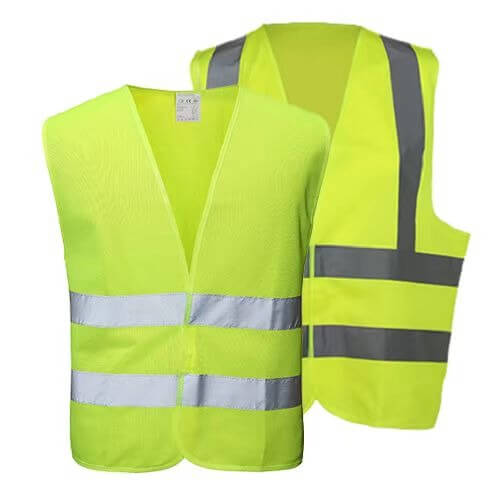
Get a Custom Hi-Vis Vest Quote from VisonSafety
Essential Safety Requirements
Effective high visibility apparel meets defined photometric and material criteria. Conformity with standards such as ANSI/ISEA 107 or EN ISO 20471 verifies visibility and durability.
Material and Design: Fluorescent background fabrics and retroreflective tape placed to maximise visibility.
Classifications: Class 1–3 vests indicate different coverage and intended risk levels.
Select vests that match the job task, environment and the relevant standard.
Importance of High Visibility Clothing
Hi vis clothing reduces accident risk by improving how easily workers are seen and helps organisations meet regulatory obligations.
Accident prevention: Increases the chance that drivers and equipment operators notice workers.
Regulatory compliance: Many jurisdictions require high visibility apparel for specified roles.
Worker confidence: Visible workers can focus on tasks with less distraction from visibility concerns.
Certified, fit-for-purpose garments support safety programs and reduce organisational liability.
Which Job Roles Require High Visibility Safety Vests?
Several specific roles commonly mandate hi vis vests to satisfy safety policy and regulations:
Traffic Control Personnel: Directing or managing traffic flow.
Utility Workers: Working on power lines or public infrastructure near traffic.
Rail Workers: Working close to rail lines and moving trains.
These roles involve predictable scenarios where visibility is a primary control measure.
Construction and Road Work Positions Needing Hi Vis Vests
On construction and road sites, vests are often mandatory. Positions that typically require them include:
Construction Workers: Close proximity to site vehicles and plant.
Traffic Control Personnel: Managing traffic near work zones.
Emergency Responders: Operating in hazardous, dynamic scenes.
Certified garments aligned with the job’s risk level are essential in these environments.
Warehouse and Logistics Roles Mandated for Reflective Safety Vests
Warehouses and logistics hubs use reflective vests to separate pedestrians from material handling equipment. Common roles include:
Warehouse Staff: Workers on foot in aisles and loading areas.
Drivers and Couriers: Personnel loading and unloading vehicles.
Traffic Control Personnel: Managing site vehicle movements.
Reflective apparel helps reduce collisions and supports site safety procedures.
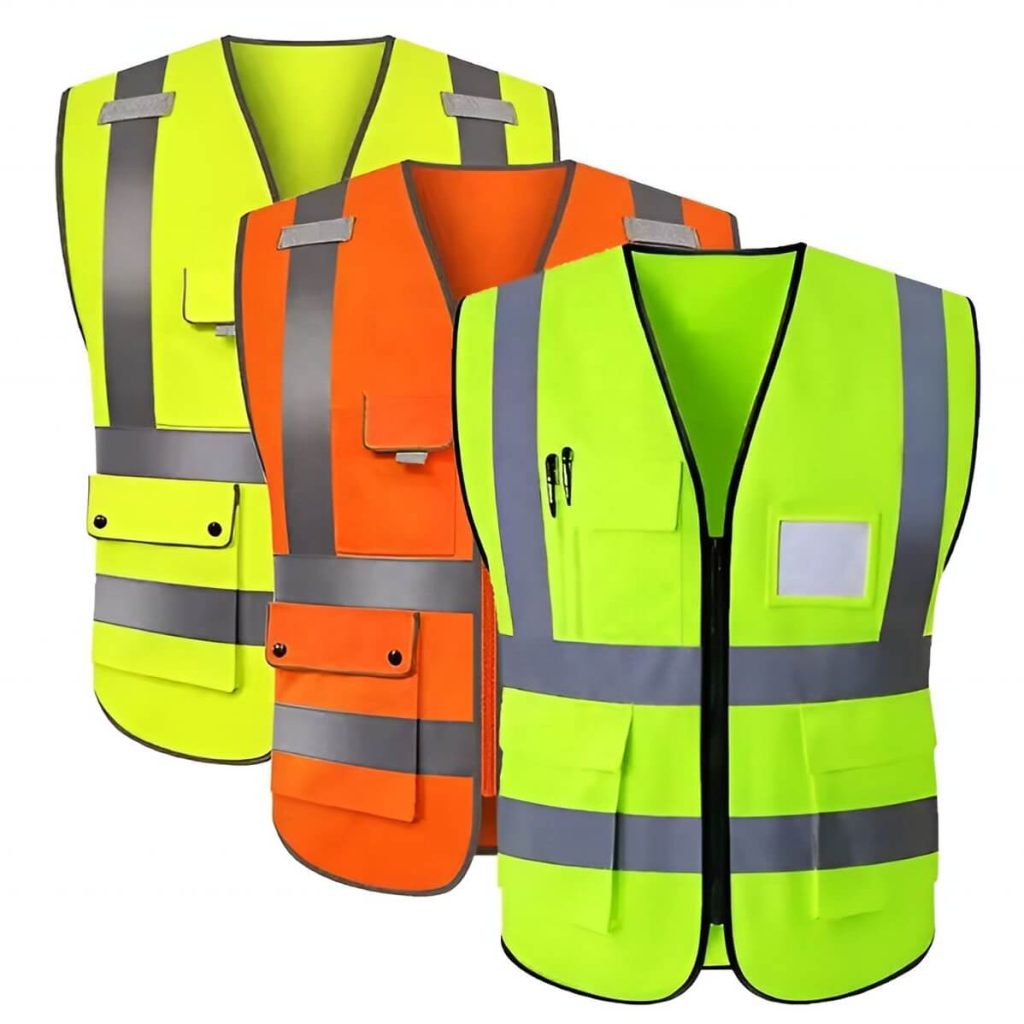
Get a Custom Hi-Vis Vest Quote from VisonSafety
What Are the Safety Vest Standards Governing Job Requirements?
Industry practice references objective standards to assess performance. The principal standards are:
ANSI/ISEA 107: Performance and design requirements commonly used in the United States.
EN ISO 20471: European standard specifying visibility requirements.
Certification to these standards provides assurance of photometric and retroreflective performance.
Understanding ANSI and ISO Compliance for Hi Vis Vests
Compliance to recognised standards ensures reproducible performance. Key points for safety managers:
Specific standards: Know which standard applies in your jurisdiction and for the task.
Significance: Compliance helps protect workers in hazardous environments.
Supplier verification: Request certification or test evidence when procuring vests.
Familiarity with standards helps specify appropriate garments and validate supplier claims.
OSHA Regulations Impacting Job-Specific Vest Usage
OSHA and equivalent regulators set employer obligations for personal protective equipment and visibility controls. Relevant considerations include:
Compliance requirements: Employers must provide appropriate safety gear where hazards exist.
Affected roles: Construction, transportation, emergency services and other high-risk jobs.
Safety implications: Following regulations reduces accident risk and enforcement exposure.
Understand local regulatory expectations and ensure policies reflect those obligations.
How Do Hi Vis Vests Enhance Worker Safety and Business Compliance?
Hi vis vests offer measurable benefits for safety programs and regulatory alignment:
Improved visibility: Makes workers easier to detect by drivers and operators.
Enhanced safety: Contributes to fewer incidents in high-risk areas.
Regulatory compliance: Meets employer obligations and documents due diligence.
Choosing certified vests supports risk management and demonstrates organisational commitment to safety.
Risk Reduction and Visibility Benefits Across Job Sites
Deploying hi vis vests consistently reduces exposure to vehicle- and equipment-related hazards and supports enforcement of visibility controls.
Improved visibility: Greater detection distance for approaching vehicles and machinery.
Enhanced safety: Contributes to safer worksite behaviours and procedures.
Regulatory compliance: Helps meet mandated safety requirements.
High visibility apparel is a core element of practical site safety strategies.
Brand Visibility and Customization Advantages for Employers
Employers can add branding to vests while retaining required reflective placement. Key employer benefits:
Brand recognition: Customisation raises corporate visibility on site.
Employee morale: Quality gear improves perception of employer care.
Compliance: Custom vests can remain compliant when done to standard layouts.
Ensure logos and printing do not obscure critical reflective areas.
Where Can Employers Source Compliant Hi Vis Vests for Specific Jobs?
When sourcing vests, evaluate suppliers for technical capability, certification evidence and relevant application experience. Consider:
Specialist suppliers: Firms that focus on safety apparel and standards compliance.
Customization: Options that retain required reflective layout.
Pricing: Compare cost, quality and certification documentation.
Choose suppliers with documented compliance records and suitable sector experience.
Custom Safety Vest Options Meeting Industry Standards
A variety of custom vest options comply with recognised standards. Selection criteria include:
Customization features: Logo placement and garment options that preserve reflectivity.
Compliance criteria: Confirm ANSI or ISO conformity for the finished product.
Industry fit: Select designs appropriate for the specific job and environment.
Match vest features to operational needs and regulatory obligations during procurement.
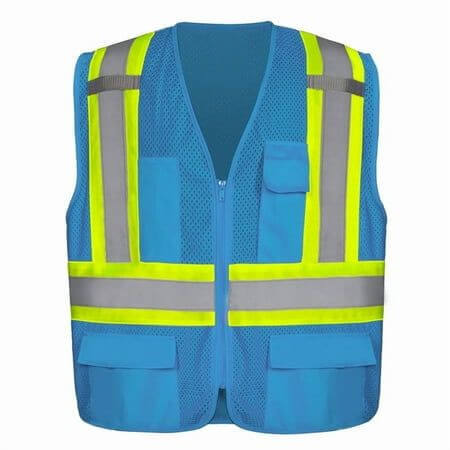
Get a Custom Hi-Vis Vest Quote from VisonSafety
Ordering Processes and Contact Points for Safety Apparel
Adopt a structured procurement process with clear contact points and documented requirements. Key elements:
Ordering process: Defined steps for specification, approval and delivery.
Supplier contacts: Designated representatives for orders and compliance queries.
Pricing options: Compare quotes and certification evidence to ensure value.
A documented workflow and supplier contacts help ensure timely delivery of compliant gear.
What Jobs Need a Hi Vis Vest | FAQs
What are the key features to look for in high visibility vests?
Look for fluorescent background materials, correctly placed retroreflective tape and documented compliance with ANSI/ISEA 107 or EN ISO 20471. Check material durability, construction quality and fit; ensure branding does not cover reflective elements.
How often should high visibility vests be replaced?
Inspect vests regularly and replace when fading, damage or loss of reflectivity is evident. Replace sooner in harsh environments; many organisations plan replacement within 1–2 years or based on condition.
Are there specific regulations for high visibility clothing in different countries?
Yes. Apply the standard relevant to your jurisdiction (for example ANSI/ISEA 107 in the United States, EN ISO 20471 in Europe) and ensure garments meet the local performance criteria.
Can high visibility vests be customized for branding purposes?
Yes. Suppliers can add logos and identification while preserving reflective layout and coverage. Always verify the final garment still meets the applicable standard.
What are the consequences of not using high visibility vests in required job roles?
Failing to provide required hi vis apparel increases collision and injury risk, may attract regulatory penalties, and raises legal and reputational exposure. It can also undermine workforce confidence and productivity.
How can employers ensure their workers are compliant with safety vest regulations?
Implement training, conduct periodic audits, maintain an inventory of certified garments and establish procedures for reporting and replacing damaged gear. Documentation and audits help enforce policy and demonstrate commitment to safety.
What are the benefits of using high visibility clothing beyond safety?
Beyond risk reduction, hi vis clothing can improve worker confidence, enhance corporate identity when customised appropriately, and reduce legal and financial exposure by demonstrating due diligence.
Conclusion
High visibility safety vests are a practical control for protecting personnel across many jobs. Specifying and procuring vests that meet recognised standards reduces incident risk, supports compliance and reinforces worker confidence. Prioritise certified, fit-for-purpose hi vis apparel to strengthen workplace safety and meet regulatory obligations.
 English
 Deutsch
 Français
 Polski
 Português do Brasil
 Español
 日本語
日本語 Русский
 العربية
 Italiano
 Nederlands
 Türkçe
 한국어
한국어