
Wholesale pricing for welding jackets shifts based on material choice — flame-resistant cotton, leather. Wool each carry different costs — along with certification requirements like NFPA 2112, order volume, and custom branding. VisonSafety batch-tests a notable share of fabrics, and that documented compliance adds measurable value buyers factor into total landed cost.
Why Does Welding Jacket Pricing Vary So Widely?
Welding jacket pricing spreads across a broad range because the protective demands of welding are genuinely severe. Garments must resist high heat, open flames, sparks, and molten spatter — and the materials capable of meeting those demands cost more to source, engineer, and certify than standard workwear fabrics.
Material selection is the single largest cost driver. A jacket built from meta-aramid blends performs at a fundamentally different level than basic treated cotton. That performance gap is reflected directly in the price tag.
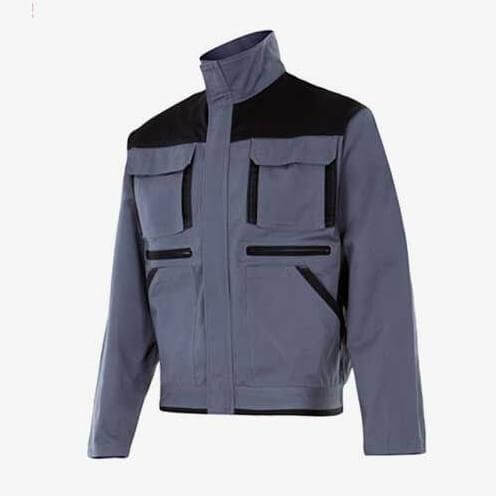
Get a Custom FR Welding Jacket Quote from VisonSafety
What Role Do Compliance Standards Play in the Cost?
Certification to standards such as UL, NFPA, and EN requirements adds measurable cost to every garment. Meeting those standards demands specific fabric compositions, reinforced seam construction, anti-static properties. Flame-resistant trim — none of which come free. VisonSafety engineers FR clothing for welding and heavy industry applications with UL, NFPA. EN compliance built into the construction from the start, not added as an afterthought.
Does Customization Affect the Final Price?
Custom features — including fire-resistant logos, branded trim, and specialized hardware — increase unit cost. The key factors that drive welding jacket pricing upward include:
Meta-aramid and FR cotton blend fabrics for thermal resistance
Reinforced, strong-seam construction for durability under industrial stress
Anti-static properties required in certain hazardous environments
Custom fireproof trim and logo embellishment for brand identity
Buyers who skip certified construction to reduce cost expose their workforce to unmitigated burn risk. A trade-off that rarely makes financial sense.
How Does Fabric Choice Drive Wholesale Cost?
Fabric selection is the single largest variable in welding jacket pricing for wholesale buyers. Leather and FR cotton represent the two dominant material categories. Each carries a distinct raw material cost that flows directly into per-unit pricing at scale.
Which Fabric Costs More — Leather or FR Cotton?
Leather delivers superior abrasion resistance and long-term durability, which pushes its raw material cost higher than most FR cotton alternatives. FR cotton, by contrast, offers a more accessible price point while still meeting certified flame-resistance requirements. Distributors sourcing for budget-conscious end users often find FR cotton the more practical wholesale choice.
Does Fabric Weight Create Different Price Tiers?
Fabric weight creates clear segmentation within the FR cotton category itself. Lightweight options under 9 oz fabric weight occupy a distinct product tier. These garments incorporate ventilated constructions and moisture-wicking properties. Add processing steps and affect unit cost differently than heavier-weight alternatives. Buyers ordering across multiple weight classes should expect tiered pricing rather than a single apartment rate.
Beyond the leather-versus-cotton divide, meta-aramid and cotton blends introduce a third cost tier. Meta-aramid fibers carry higher raw material costs than standard FR cotton, reflecting the advanced thermal protection those blends provide. Welding applications in heavy industry or utilities. Where arc flash and sustained flame exposure are genuine risks — often justify that premium.
Material cost alone does not determine final wholesale price. VisonSafety batch-tests a notable share of fabrics before production begins, a quality control step that ensures consistent material performance across every order. That process adds documented traceability to each shipment. For distributors managing compliance obligations across multiple clients, that consistency reduces the risk of field failures and costly product returns.
What Role Do Compliance Certifications Play in Price?
Compliance certifications directly raise welding jacket pricing because certified garments require verified materials, documented testing, and traceable production processes. Buyers who skip certified options expose their workforce to extreme heat, sparks, molten metal. Electrical hazards — risks that make protective clothing essential, not optional.
Certified production costs more for a straightforward reason: the infrastructure behind it is substantial. VisonSafety operates within an ISO 9001 quality management environment, batch-tests a notable share of fabrics. Maintains traceability records for more than three years. That level of documentation does not come free. It is built into every unit produced.
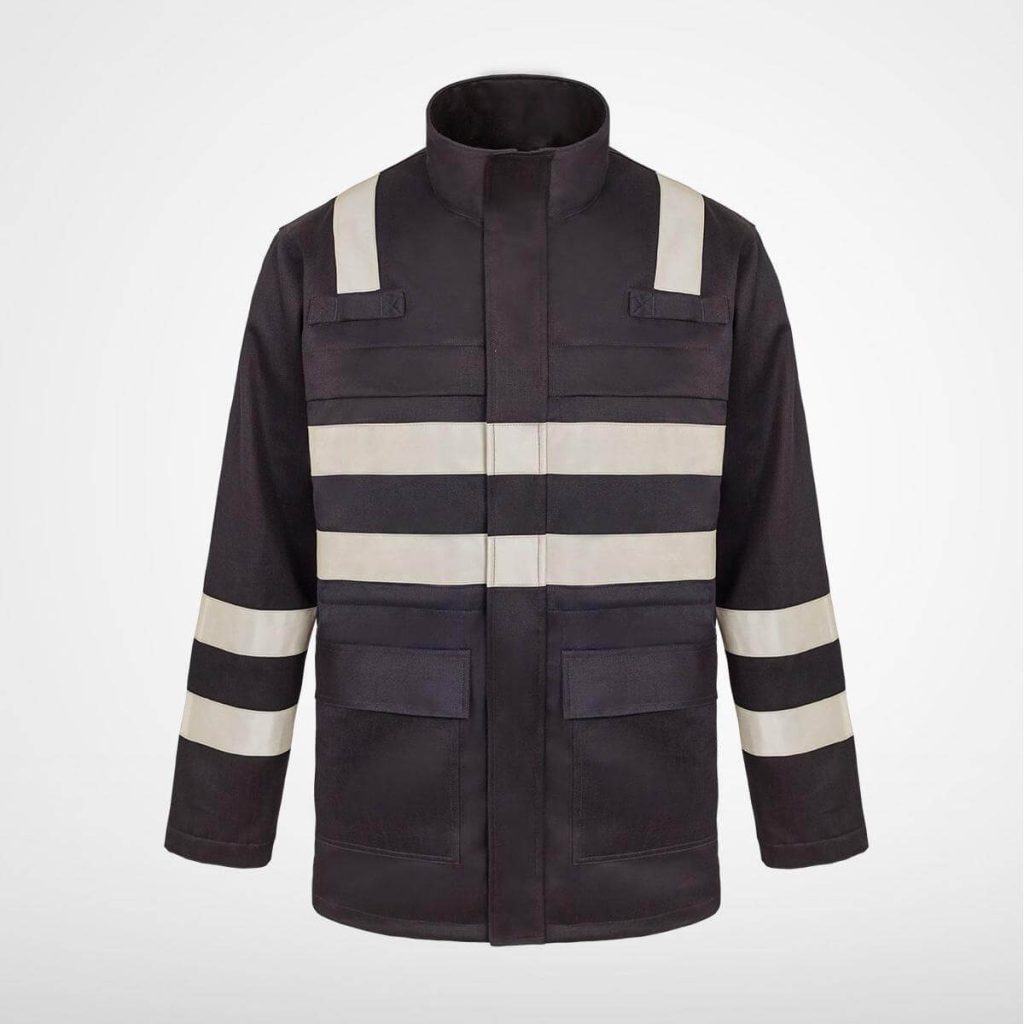
Get a Custom FR Welding Jacket Quote from VisonSafety
What certifications should buyers expect on a compliant FR welding jacket?
Buyers should look for garments certified to UL, NFPA, and EN standards at minimum. VisonSafety provides OEKO-TEX, CE. UL documentation as needed, giving distributors. Private-label brands the paperwork required for market entry across North American and European regions. Missing documentation at customs or during a worksite audit creates costly delays.
Does certification always mean a higher price per unit?
Yes — but the premium reflects real production controls, not marketing. The key cost drivers tied to certification include:
ISO 9001 quality management oversight across the full production run
EN ISO, ANSI, and UL compliance built into fabric selection and construction
OEKO-TEX and CE documentation prepared for cross-border regulatory requirements
Full fabric batch testing with traceability records retained beyond three years
Welding ranks among the most demanding and high-risk professions in industrial work. Garments that meet global standards protect workers and protect businesses from liability. Certified FR jackets cost more upfront. Non-certified jackets cost far more when something goes wrong.
How Do Order Volume and Customization Affect Unit Cost?
Order volume and customization scope are the two primary levers that drive welding jacket pricing at the wholesale level. Distributors who understand both factors make smarter sourcing decisions and avoid over-committing budget before demand is confirmed.
VisonSafety supports flexible order sizes, from small pilot runs through to large-scale production. That range lets buyers enter at a manageable volume, validate market demand, and then scale without switching suppliers. Small-batch production is a stated capability — not an exception. Which means regional distributors can test a new FR jacket line without absorbing the cost of a full production run.
Does Choosing OEM vs. ODM Change What Buyers Pay?
The short answer: yes, and the difference is structural. OEM production — manufacturing to a buyer’s own specification. Typically involves additional development work, which adds to per-unit cost at lower volumes. ODM production, where the buyer adopts an existing design, reduces that development overhead. VisonSafety offers both paths, so buyers can match the model to their budget and timeline.
How Much Do Custom Branding Features Add to Per-Unit Cost?
Custom branding elements contribute meaningfully to production cost. Options such as reflective logos and heat-transfer embellishments require additional materials and process steps. The table below summarizes how key variables interact with unit cost:
Buyers who prioritize cost efficiency at launch often start with an ODM design. Minimal branding, then layer in custom elements once volume justifies the added per-unit investment. That staged approach protects margin while the market is still being tested.
How Can Wholesale Buyers Optimize Total Landed Cost?
Wholesale buyers optimize total landed cost by consolidating compliance, logistics, and quality control under a single supplier. Welding jacket pricing decisions that ignore freight, customs, and inspection fees routinely underestimate true procurement costs by a significant margin.
VisonSafety addresses this problem directly. The manufacturer offers DDP (Delivered Duty Paid) shipping, which transfers customs clearance and import duties to the supplier side. That structure reduces total logistics costs and removes the administrative burden of cross-border fulfillment from the buyer’s plate.
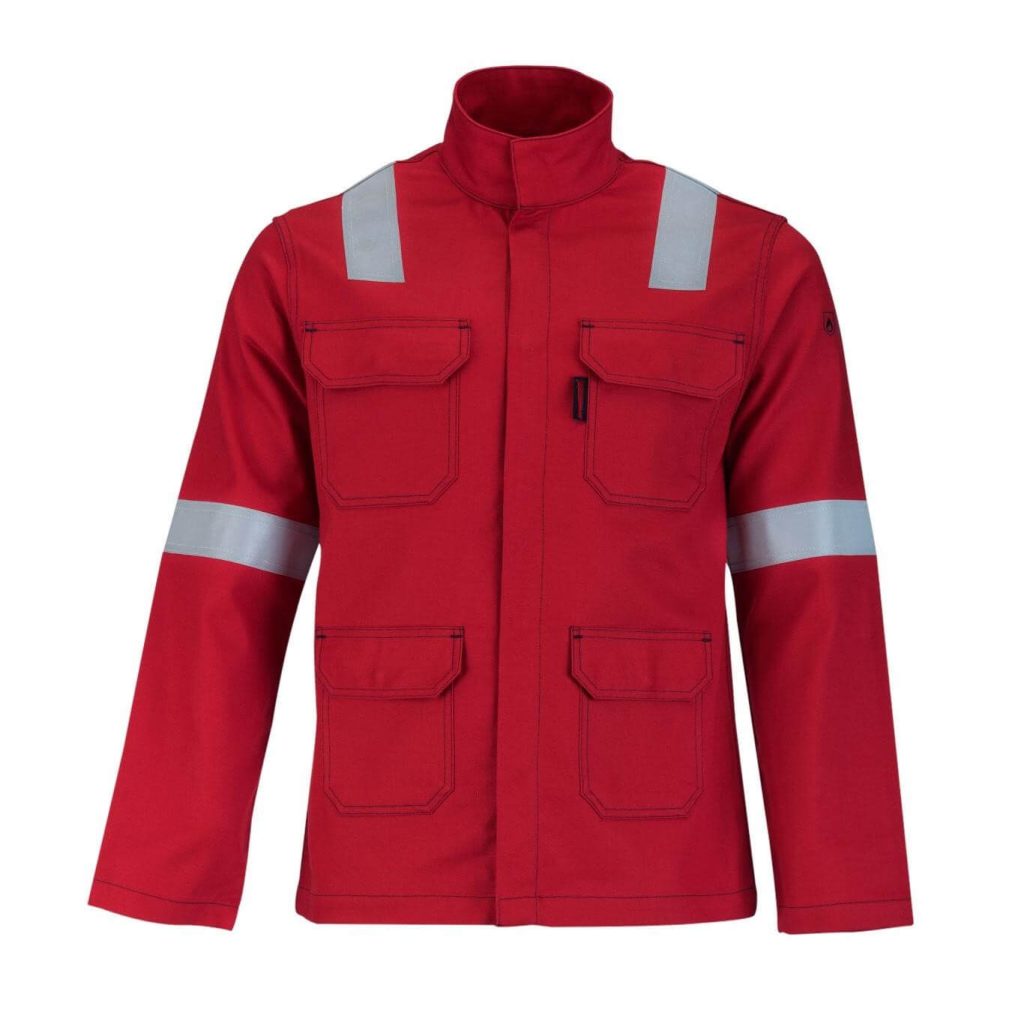
Get a Custom FR Welding Jacket Quote from VisonSafety
What Services Reduce Hidden Procurement Costs?
Beyond shipping terms, VisonSafety extends supply chain services to quality checks, branded packaging, and logistics coordination. Warranty assistance is also included. Each of these services eliminates a line item that wholesale buyers would otherwise source and manage separately. And separately-sourced services add up fast.
Does Sourcing From One Supplier Actually Save Money?
Consolidation matters more than most buyers expect. VisonSafety serves customers in more than 30 countries and supports both North American and European compliance requirements. That dual-standard capability means distributors serving multiple markets do not need to maintain separate supplier relationships for ANSI and EN ISO product lines.
Key cost-optimization levers VisonSafety provides:
DDP shipping to reduce customs and freight complexity
Integrated quality checks to eliminate third-party inspection fees
Branded packaging included in the production workflow
Logistics coordination managed at the manufacturer level
Fast sampling and on-time delivery to prevent costly inventory gaps
Inventory gaps are expensive. Reliable lead times protect buyers from emergency restocking at premium prices.
Welding jacket pricing for wholesale buyers ultimately reflects the convergence of fabric performance, protective certification, production scale, and customization scope. By understanding how NFPA 2112 compliance, FR material composition, order volume. Branding specifications influence cost, procurement professionals position themselves to negotiate strategically. Secure garments that deliver both safety assurance and operational value. VisonSafety’s commitment to transparent quality standards. Flexible manufacturing capacity ensures that wholesale partners access pricing aligned with their specific protective requirements and market demands.
FAQ
What is the single largest cost driver in welding jacket pricing?
Material selection drives cost more than any other factor. Meta-aramid blends and FR cotton fabrics perform at fundamentally different levels. That performance gap reflects directly in the price tag.
Do safety certifications increase the wholesale price of welding jackets?
Yes, meeting UL, NFPA, and EN standards requires specific fabric compositions, reinforced seam construction, anti-static properties. Flame-resistant trim, all of which add measurable cost to every garment.
Does VisonSafety’s location affect its wholesale pricing competitiveness?
VisonSafety’s Ningbo, Zhejiang location reduces manufacturing and logistics expenses, enabling competitive wholesale pricing for bulk buyers sourcing certified welding jackets.
 English
 Deutsch
 Français
 Polski
 Português do Brasil
 Español
 日本語
日本語 Русский
 العربية
 Italiano
 Nederlands
 Türkçe
 한국어
한국어