
After every session, brush off loose debris and spot-clean any stains with a damp cloth and mild soap. For a deeper clean, VisonSafety recommends running leather or flame-resistant fabric jackets through a gentle cycle at 30°C maximum, then air-drying them completely away from direct heat — the kind of detail that keeps protective properties intact long-term.
Before anything else, check the manufacturer’s label — washing instructions vary significantly between leather and hybrid fabric styles. Leather jackets need a damp cloth wipe-down and a leather conditioner to prevent cracking, while most fabric welding jackets are machine washable with regular detergent.
Give the jacket a good shake after each use to clear loose debris. Leather versions do well with a damp cloth wipe-down and a follow-up of leather conditioner to keep them from cracking. FR fabric jackets are a different story — they need cold-water machine washing, and bleach is strictly off the table: it degrades flame-resistant fibers and voids NFPA 2112 compliance ratings.
Key Takeaways
- Regular cleaning extends welding jacket lifespan significantly compared to replacing worn-out gear immediately.
- Leather welding jackets protect against sparks, molten metal, and intense heat during welding processes.
- Proper fit prevents safety hazards; ill-fitting jackets compromise protection effectiveness at work.
- VisonSafety, located in Ningbo, Zhejiang, China, manufactures quality welding personal protective equipment.
What Do You Need Before Starting?
Welding jacket maintenance begins with understanding what the garment is built to do. Welding jackets are specifically designed to protect welders from sparks, molten metal, and the intense heat generated during welding processes — and improper cleaning strips away that protection faster than daily wear does.
Before starting any cleaning procedure, welders and safety managers need to identify the jacket’s material. Leather remains one of the most common constructions for welding safety gear, with cowhide. Deer hide being the two primary options. Each responds differently to moisture and cleaning agents.
Gather these supplies before starting:
- Soft-bristle brush or dry cloth for surface debris
- Mild, pH-neutral soap (no harsh detergents or bleach)
- Clean lukewarm water
- Leather conditioner appropriate for the hide type
- A well-ventilated drying area away from direct heat
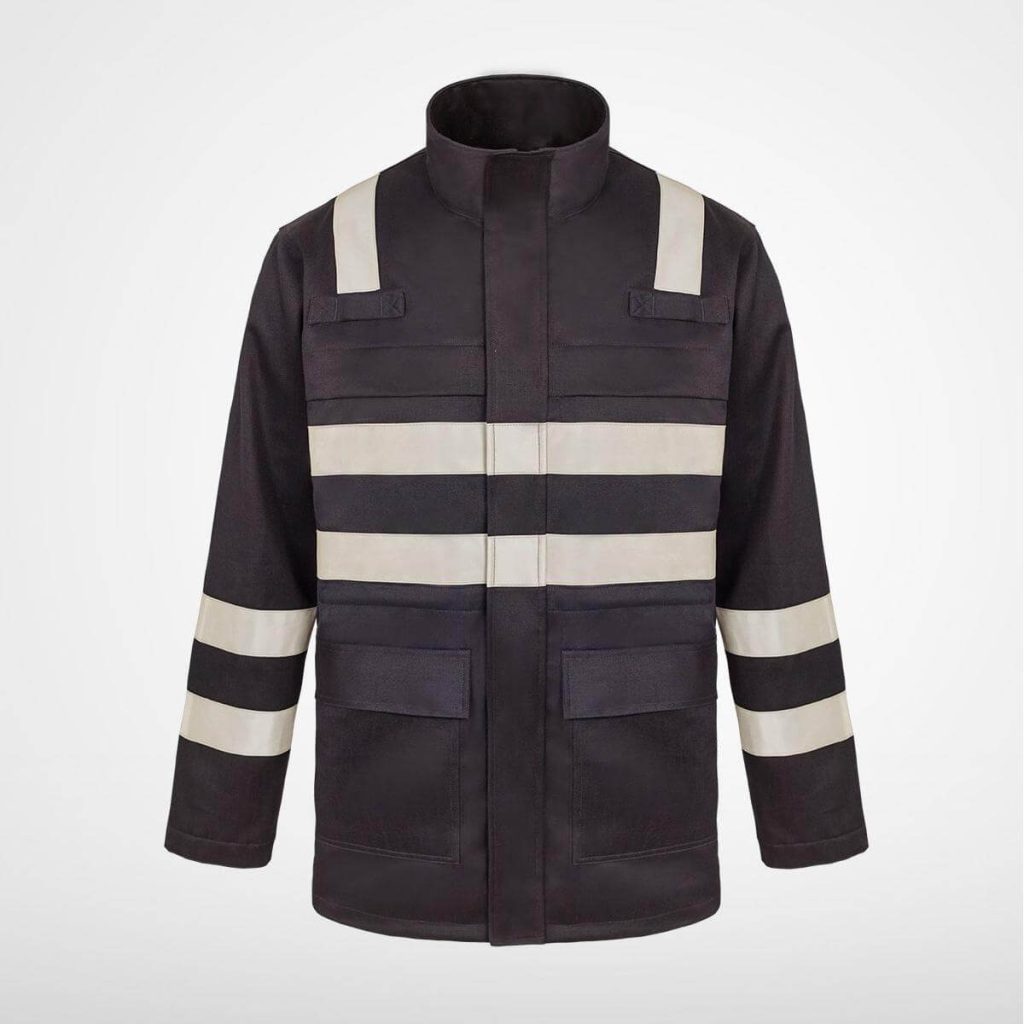
Get a Custom FR Welding Jacket Quote from VisonSafety
What type of welding jacket material requires the most care?
Leather welding jackets — whether cowhide or deer hide — demand the most deliberate cleaning approach. Aggressive scrubbing or machine washing degrades the fiber structure, reducing the jacket’s resistance to heat and sparks.
Does jacket construction affect the cleaning method?
Construction details matter significantly. Flame-retardant jackets engineered to meet UL, NFPA, and EN compliance standards. Such as those built from meta-aramid and cotton blends with reinforced seams. Carry specific care requirements tied directly to their certified performance. Cleaning methods that work on standard leather fail on FR-rated garments and can void compliance documentation entirely.
How Do You Inspect the Jacket First?
Inspecting a welding jacket before any cleaning or maintenance procedure protects both the garment and the wearer. A thorough pre-clean inspection catches structural problems that cleaning alone cannot fix. And missing those problems creates real risk on the job.
Welding jacket maintenance starts with a physical check, not a wash cycle. Proper fit is the first thing to assess. An ill-fitting jacket introduces additional hazards during welding operations, so welders and safety managers should confirm the garment still sits correctly across the shoulders, chest, and wrists before returning it to service.
What Should Welders Look for During a Physical Check?
Follow these steps in order before attempting any cleaning:
- Lay the jacket apartment on a clean, well-lit surface.
- Check all seams for fraying, separation, or stress points — strong seam construction is a core protective feature that must remain intact.
- Examine anti-static components and any fire-resistant trim or reflective logos for cracking, peeling, or heat damage.
- Test closures — zippers, snaps, and hook-and-loop fasteners — for full function.
- Note soiling type — grease, spatter, or general grime each require different treatment approaches.
Why Does Leather Make Inspection More Complicated?
Leather welding PPE demands particular attention during inspection. How to clean a welding jacket made from leather differs significantly from fabric care. Improper handling damages the material at a structural level, accelerating deterioration. Identifying cracks, stiffness, or surface breakdown before cleaning determines which products and methods are safe to use.
How Do You Clean a Leather Welding Jacket?
How to clean a welding jacket made from leather starts with a bucket of cold water and a small amount of laundry detergent. Cold-water hand-washing preserves the leather’s structure while removing grime, sweat, and carbon buildup that accumulate during regular use.
Prerequisites: Remove all loose debris by shaking the jacket out before introducing water. Confirm the jacket has no manufacturer tag prohibiting wet cleaning.
Steps:
- Fill a large bucket with cold water and add roughly a teaspoon of laundry detergent.
- Submerge the jacket fully and work the soapy water through the material by pressing and kneading the fabric repeatedly.
- Drain the bucket, refill with clean cold water, and rinse the jacket thoroughly until no detergent remains.
- Hang the jacket in a well-ventilated area and allow it to air-dry completely before storing or wearing.
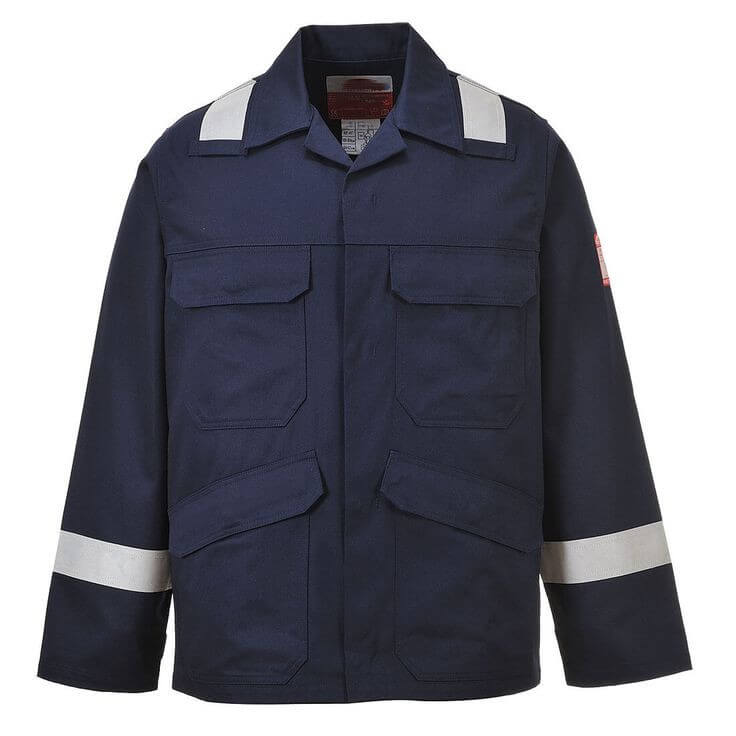
Get a Custom FR Welding Jacket Quote from VisonSafety
Is Machine Washing Safe for a Leather Welding Jacket?
Machine washing and tumble drying are too aggressive for leather welding jackets. The mechanical agitation and heat of a standard wash cycle degrade the leather fibers, compromise seam integrity. Reduce the garment’s protective performance. Hand-washing in a bucket is the safer, more controlled method.
Can Hybrid Welding Jackets Be Washed Differently?
Hybrid welding jackets — garments that combine leather panels with fabric sections. Tolerate slightly more aggressive cleaning than full-leather designs. Some welders launder hybrid jackets alongside denim on a warm cycle, then dry them thoroughly. That approach works for the fabric portions but still carries risk for any leather panels present.
Welding jacket maintenance extends well beyond a single cleaning session. VisonSafety engineers FR garments from meta-aramid and cotton blends with reinforced seams specifically for durability under industrial conditions. Incorrect washing strips protective finishes from those fibers, shortening service life and reducing compliance with standards such as NFPA 2112. Consistent, correct care keeps the garment performing as certified — and keeps workers protected.
How Do You Dry and Condition After Washing?
Air-drying is the correct drying method for leather welding jackets after hand washing. Hanging a jacket in a well-ventilated area away from direct heat preserves the leather’s structural integrity and prevents cracking.
Proper post-wash handling is a critical phase of welding jacket maintenance. Too many welders skip this step entirely. Waiting until a jacket deteriorates beyond use before replacing it, rather than investing a few minutes in care that meaningfully extends service life. That approach costs more over time. A jacket that receives consistent post-wash attention retains its protective properties far longer than one that is simply left to degrade.
Follow these steps after washing:
- Remove excess water by gently pressing the jacket against a clean surface — never wring or twist the leather.
- Hang the jacket on a wide, padded hanger to maintain shoulder shape during drying.
- Position the jacket in a shaded, ventilated space away from direct sunlight, radiators, or forced-air heat sources.
- Allow the jacket to dry fully before storage — partial drying traps moisture and accelerates material breakdown.
- Once dry, apply a leather conditioner evenly across all surfaces to restore suppleness lost during washing.
Why Does Heat Damage Leather During Drying?
Direct heat causes leather fibers to contract rapidly and unevenly, resulting in stiffness, surface cracking, and reduced flexibility. A jacket dried this way loses protective coverage at stress points — exactly where welders need it most.
Does Conditioning Affect Flame-Resistant Performance?
Welders should select conditioners specifically formulated for protective leather garments. VisonSafety engineers how to clean a welding jacket guidance around preserving certified performance. The company’s a notable share fabric batch testing. Full quality control protocols confirm that consistent material care supports the protective standards garments are built to meet.
How Do You Maintain Long-Term Jacket Performance?
Welding jacket maintenance requires consistent, deliberate action — not occasional attention when a garment looks worn. Neglecting structured care protocols strips protective properties from FR fabrics, rendering certified garments non-compliant and exposing workers to preventable hazards.
Welders frequently log long hours in demanding environments. A well-constructed jacket supports both safety and comfort across those extended shifts. Garments engineered with meta-aramid and cotton blends, strong seam construction, and anti-static properties. As found in VisonSafety’s FR line — retain those properties only when maintained correctly. UL, NFPA, and EN compliance does not sustain itself; correct care protocols are what keep certified garments performing to standard.
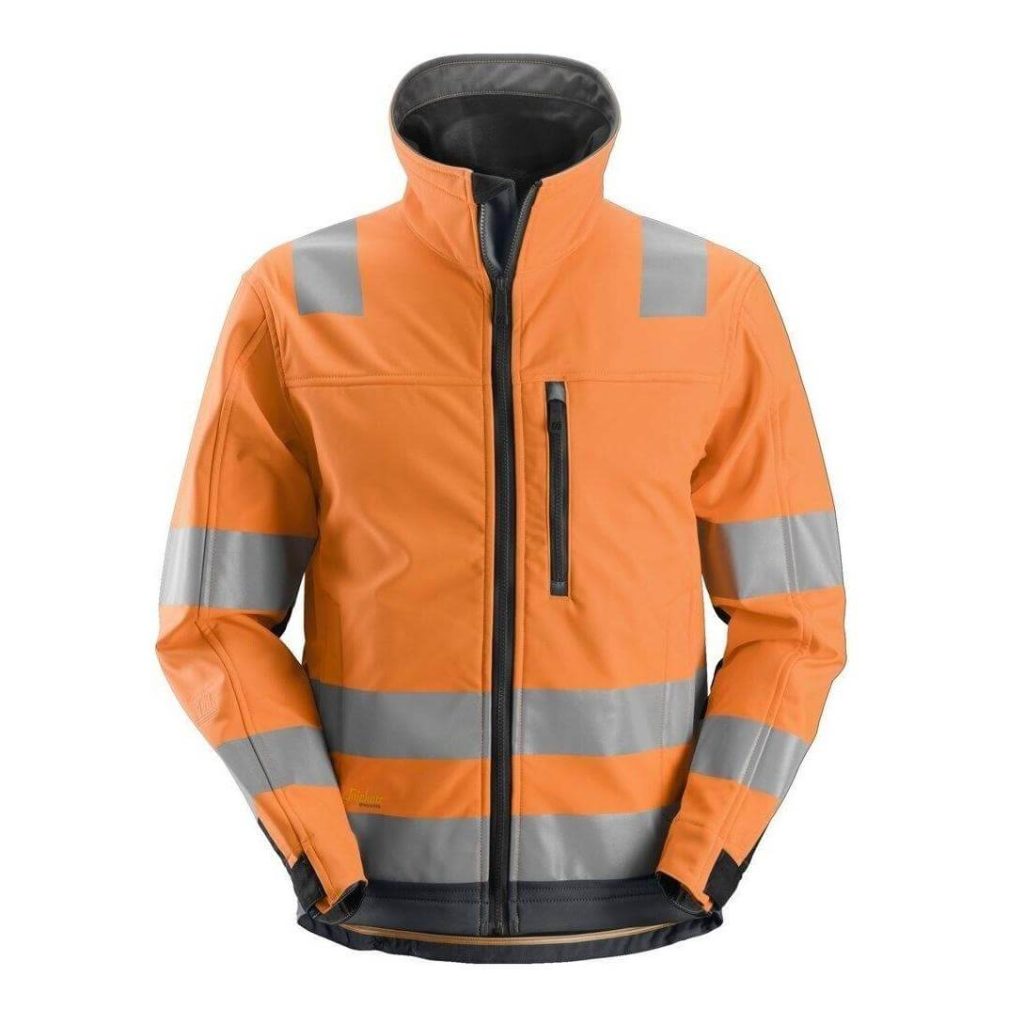
Get a Custom FR Welding Jacket Quote from VisonSafety
What Steps Should Welders Follow for Ongoing Jacket Care?
Follow these steps to preserve jacket integrity over time:
- Inspect the jacket before each shift for seam separation, fabric thinning, or damage to reflective trim.
- Clean the garment according to the manufacturer’s care instructions — never substitute harsh solvents or high-heat drying cycles that degrade FR treatment.
- Store the jacket away from direct sunlight and chemical exposure, which accelerate fabric degradation.
- Document each cleaning cycle and any repairs to maintain a traceable service record.
- Retire the garment immediately if structural damage or FR treatment failure is confirmed.
How Can Clients Verify a Jacket Still Meets Compliance Standards?
Compliance verification is not a one-time event at purchase. VisonSafety maintains traceability records spanning more than three years, giving clients a documented baseline for verifying garment compliance over time. When questions arise about ongoing performance, VisonSafety’s support team — including quality checks and warranty assistance — gives clients a direct path to resolution rather than guesswork. That kind of structured accountability is what separates a reliable manufacturing partner from a transactional supplier.
Welding Jacket Cleaning & Maintenance | FAQs
How do you clean a leather welding jacket?
Wipe it down with a damp cloth, then apply a leather conditioner to prevent cracking. Avoid machine washing, as aggressive cleaning degrades the fiber structure and reduces heat and spark resistance.
Does bleach damage flame-resistant welding jackets?
Bleach degrades flame-resistant fibers and voids NFPA 2112 compliance ratings. FR fabric jackets require cold-water machine washing with regular detergent only.
Where is VisonSafety located?
VisonSafety is located in Ningbo, Zhejiang, China, and manufactures quality welding personal protective equipment.
 English
 Deutsch
 Français
 Polski
 Português do Brasil
 Español
 日本語
日本語 Русский
 العربية
 Italiano
 Nederlands
 Türkçe
 한국어
한국어