
Fluorescent safety vests improve worker visibility. Proper laundering preserves fabric and retroreflective performance; this guide covers machine and hand washing, suitable detergents, drying, effects on reflective tape, and care for customised branding.
Maintaining the performance properties of high-visibility garments is necessary to satisfy safety regulations such as EN471.
Maintaining High-Visibility Clothing for Standard Compliance
Review of maintenance practices for high-visibility clothing aimed at ensuring that performance properties continue to meet EN471 standards, with emphasis on the role of such garments within safety regulations.
A review of high-visibility clothing for accident prevention and safety of workers and pedestrians, RK Seidu, 2025
Washing Instructions
Follow these laundering steps to preserve vest integrity and function:
Machine Washing : Use a gentle, cold-water cycle to protect fabric and reflective elements.
Hand Washing : Hand wash delicate vests with mild detergent.
Stain Removal : Pre-treat stains with a gentle remover before washing.
VisonSafety supplies customised safety apparel that meets international standards.
Is Machine Washing Safe for Fluorescent Safety Vests?
Machine laundering is acceptable when manufacturer guidance is followed. Consider the parameters below to reduce degradation:
Recommended Washing Temperatures : Cold water helps prevent shrinking and fading.
Cycle Settings : Use a gentle cycle to limit agitation that can harm fabric and tape.
Detergent Choices : Choose mild detergents without bleach or harsh chemicals.
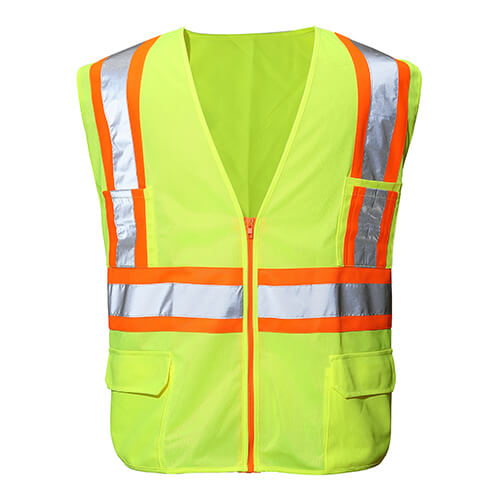
Get a Custom Hi-Vis Vest Quote from VisonSafety
What Washing Temperatures and Cycles Preserve Vest Integrity?
Launder vests in cold water (ideally below 30°C / 86°F) on a gentle cycle to reduce shrinkage, colour loss, and mechanical stress on reflective tape.
How Does Machine Washing Affect Reflective Tape Durability?
Improper laundering can weaken tape adhesion and reduce reflectivity. Avoid high temperatures and aggressive detergents to maintain tape longevity.
What Are the Best Practices for Cleaning and Drying Hi Vis Vests?
Simple cleaning and drying protocols keep vests visible and compliant:
Cleaning Methods : Follow the manufacturer’s instructions; hand washing is gentler.
Drying Techniques : Air dry where possible; use low heat if tumble drying.
Storage Recommendations : Store in a cool, dry place away from direct sunlight.
For a comprehensive selection, review the range of high-visibility vests to find options that suit your needs.
Which Detergents and Cleaning Agents Are Recommended?
Use mild, non-bleach detergents and avoid fabric softeners. Prefer agents formulated for high-visibility materials to protect substrate and retroreflective components.
How to Properly Dry Fluorescent Safety Vests to Maintain Compliance?
Air drying is preferred to protect fabric and reflective elements. If tumble drying is necessary, use a low-heat setting to preserve dimensional stability and optical performance.
How Does Proper Care Impact Safety Compliance and Vest Longevity?
Regular, specified care sustains compliance and extends service life. Neglecting maintenance increases the risk of reduced effectiveness in low-visibility conditions.
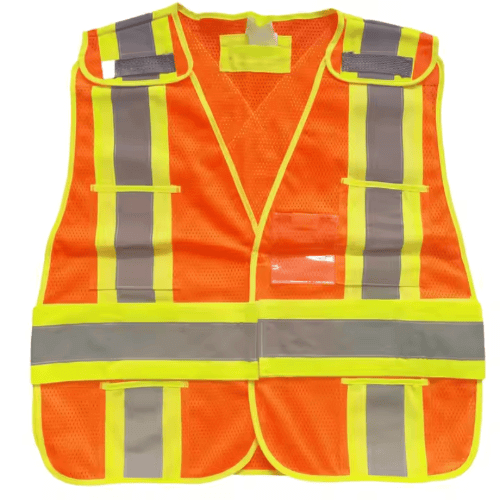
Get a Custom Hi-Vis Vest Quote from VisonSafety
Research indicates that laundering procedures can progressively affect a garment’s ability to meet high-visibility standards over time.
Fluorescent Color Degradation in High-Visibility Garments After Washing
The study reported that daytime high-visibility garments maintained standard compliance for approximately 20 washes but failed to comply following UV exposure. The research also identified shifts in the chromaticity coordinates of fluorescent orange.
Degradation of fluorescent high-visibility colors used in safety garments for the Australian railway industry, A Vijayan, 2016
What ANSI/ISEA 107 Standards Relate to Vest Maintenance?
ANSI/ISEA 107 sets requirements for the design, performance, care, and labeling of high-visibility apparel, emphasising maintenance of retroreflective properties and structural integrity to ensure ongoing compliance.
Care and labeling requirements are integral to maintaining compliance with standards such as ANSI 107-2004.
Care & Labeling for ANSI Compliant Reflective Apparel
Guidance on care and labeling supports self-regulation of protective apparel and assists organisations in meeting ANSI 107-2004 requirements.
FR Clothing: The Importance of Proper Labeling, 2004
When Should Safety Vests Be Replaced Due to Wear or Damage?
Replace vests with significant wear—fraying, heavy fading, or damaged reflective elements. Regular inspections help identify garments that no longer meet visibility criteria.
How to Maintain Customization and Brand Visibility on Safety Vests?
Protect printed logos and applied graphics by controlling laundering and handling; these measures reduce print degradation while preserving safety performance.
Washing Tips : Wash vests inside out to protect prints.
Temperature Considerations : Use cold water and avoid high drying temperatures.
Pre-treating Stains : Use gentle stain removers that won’t affect printed areas.
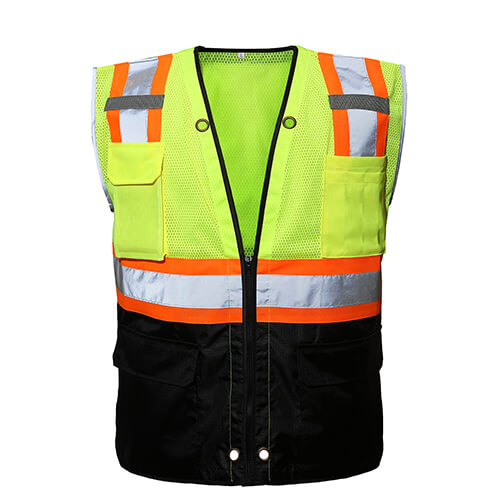
Get a Custom Hi-Vis Vest Quote from VisonSafety
What Washing Tips Protect Printed Logos and Custom Features?
Turn garments inside out before washing, use mild detergents for printed fabrics, and avoid fabric softeners that leave residues affecting print quality.
How Does Maintenance Enhance Operational Efficiency and Brand Image?
Consistent care supports compliance, improves efficiency, and preserves professional brand appearance. Well-maintained apparel reduces premature replacements and keeps a consistent field image.
For inquiries or technical assistance, please contact us.
This table summarizes key maintenance actions that contribute to the longevity and effectiveness of fluorescent safety vests. Adhering to these guidelines helps organisations keep safety apparel compliant and effective.
Frequently Asked Questions
Can fluorescent safety vests be repaired if damaged?
Minor tears or frayed edges can often be patched or sewn. Damage to retroreflective tape or structural failure usually requires replacement to remain compliant. Regular inspections catch repairable issues early.
What are the signs that a fluorescent safety vest needs replacement?
Replace vests with marked fading, frayed seams, or damaged reflective components. If visibility or reflective performance is lost, replacement is required; monthly checks help detect problems early.
How can I extend the lifespan of my fluorescent safety vest?
Follow manufacturer washing/drying instructions—use cold water and prefer air drying—store garments in a cool, dry place away from UV, and avoid harsh detergents and fabric softeners. Regular inspections enable timely repair or replacement.
Are there specific storage recommendations for fluorescent safety vests?
Store vests in a cool, dry place away from direct sunlight to reduce fading. Hanging vests preserves shape and minimises creasing over reflective areas; ensure storage is clean and free of solvents.
What should I do if my fluorescent safety vest loses its brightness?
Verify care procedures and UV exposure history. If the vest no longer meets visibility standards, replace it. Consistent maintenance reduces premature brightness loss.
Can I customize my fluorescent safety vest without affecting its safety features?
Yes, if printing methods suit high-visibility substrates and do not cover reflective zones. Wash inside out to protect prints and confirm customisation preserves the vest’s reflective areas.
Conclusion
Appropriate care and maintenance of fluorescent safety vests preserve visibility and regulatory compliance. Following laundering and inspection practices extends service life and sustains protective performance. For further information on high-visibility apparel, review our safety solutions.
 English
 Deutsch
 Français
 Polski
 Português do Brasil
 Español
 日本語
日本語 Русский
 العربية
 Italiano
 Nederlands
 Türkçe
 한국어
한국어