
Used FR clothing — flame-resistant garments that have been previously worn, laundered, or repurposed — can be a lower-cost choice for some buyers, but it comes with safety and compliance trade-offs that demand careful review. This guide defines what “used FR clothing” means, explains how protection can change over time, and helps employers and buyers balance short-term savings against regulatory and liability risk. You’ll learn how to identify compromised garments, where more reliable used sources typically appear, and a practical checklist for deciding when used gear is acceptable versus when new, certified FR workwear is required. The guide covers safety concerns, sourcing channels, a clear new-versus-used comparison, and practical seller questions and retirement rules. Targeted terms such as used FR clothing, used flame resistant clothing, and NFPA 2112 are included to help you verify safe options and reduce the chance of unexpected loss of protection.
Is It Safe to Buy Used FR Workwear and Second-Hand Flame Resistant Clothing?
Used FR workwear can be appropriate in low-risk, non-regulated settings if its history and condition are fully documented. For regulated industrial work or environments with arc/flash risk, however, it is generally not recommended. FR protection depends on fabric integrity, factory-applied treatments, and traceable manufacturing records; wear, laundering, contamination, and undocumented repairs can reduce arc ratings and flash-fire performance. Treat used FR items as condition-dependent equipment rather than as guaranteed certified products. The sections that follow outline the main risks and provide a practical inspection checklist for evaluating any used garment before purchase.
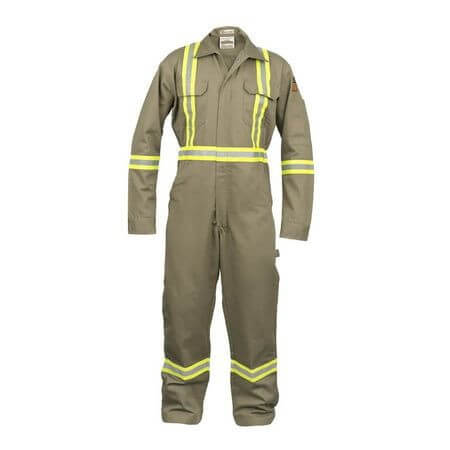
Get a Custom FR Clothing Quote from VisonSafety
What Are the Risks of Buying Pre-Owned FR Apparel?
Pre-owned FR apparel frequently shows signs of fabric degradation, loss of FR treatment, or hidden damage that lowers protective performance and arc rating. Contamination with oils, solvents, or other flammable residues can sharply increase ignition risk even when labels look intact, and repeated industrial laundering can weaken fibers and FR finishes. Repairs, altered seams, or missing certification labels interrupt traceability and make it impossible to confirm batch-tested performance. For these reasons, standards and industry guidance advise against using uncertified or unverified second-hand FR items where NFPA 2112 or other regulations require documented protection.
- Primary risks: reduced protective integrity, contamination by flammable substances, and loss of traceability.
- Hidden repairs or seam damage may be difficult to spot in photos or during brief inspections.
- Laundering and wear can lower arc ratings and may invalidate original certification claims.
Use this list as a practical checklist of risk areas to inspect before accepting any used FR garment.
How to Identify Compromised or Non-Compliant Used FR Clothing?
Follow a straightforward inspection checklist to spot compromised FR garments: confirm certification labels and batch numbers, closely examine seams and closures for repairs, and look and smell for contamination or stains that suggest chemical exposure. Ask sellers for provenance and laundering records and request clear, recent photos of labels and close-ups of seams and closures. If documentation is missing or the garment shows burns, repairs, or discolored fabric, decline it for safety-critical use. When doubt remains, order independent lab testing or choose new certified garments to avoid compliance and liability exposure.
- Verify presence of labels, batch numbers, and certification markings.
- Inspect seams, hems, and closures for repairs, wear, or burn damage.
- Request laundering history and reject items with unknown contamination.
These verification steps feed directly into sourcing choices, where channel-level reliability varies significantly.
Where Can You Find Reliable Sources to Buy Used FR Clothing?
Reliable sources for used FR clothing are limited and differ by how much verification they provide. Prioritize sellers who supply documentation, accept returns, and maintain clear provenance. Typical channels include general online marketplaces, specialized resellers focused on workwear, and local industry surplus or auction houses. Each channel trades price for traceability; when procurement requires certainty, consider manufacturer-direct or vetted suppliers that can supply batch-testing and certification records.
Introductory table: compare common source types and what buyers should expect in verification and bulk options.
This table illustrates that manufacturers and specialized resellers generally deliver stronger traceability and bulk options, while marketplaces and local sellers require heightened scrutiny. The next subsection lays out practical online verification steps for listings.
What Online Marketplaces Offer Used Flame Resistant Workwear?
Online marketplaces offer broad selection and competitive pricing but usually lack standardized certification checks, which creates verification gaps for safety managers. When you use marketplace listings, insist on high-resolution photos of labels, request batch numbers and laundering records, check seller ratings, and prefer listings that include returns or buyer protection. Vague photos or listings that omit close-ups of seams and labels are red flags. If a listing cannot produce documentation, treat the item as unsuitable for safety-critical or regulated work environments.
- Pros: wide selection and typically lower prices.
- Cons: inconsistent verification and uncertain certification claims.
- Verification checklist: label photos, batch numbers, and laundering history.
These verification practices should be applied alongside checks for local and industry-specific sources described below.
Are There Local or Industry-Specific Sellers for Discount FR Clothing?
Local sources — auction houses, decommissioned uniform sales, and industry surplus vendors — sometimes offer discounted FR items from single employers or fleet retirements, but traceability is often limited. Before buying locally, ask for original purchase records, laundering logs, and any batch-testing documentation; inspect garments on-site for repairs, odors, or staining. Working with reputable industry resellers that specialize in decommissioned workwear can increase confidence because they may perform sorting and basic condition checks. When provenance cannot be established, avoid using such garments in regulated environments where documented certification and batch testing are required.
- Typical local sources: auction houses, surplus vendors, decommissioned uniform sales.
- Questions to ask: origin, laundering history, repairs, and availability of batch information.
- When to avoid: missing provenance or visible contamination or damage.
These vetting steps and the table above set the stage for the advantages of new certified FR clothing discussed next.
What Are the Benefits of Choosing New Certified FR Clothing Over Used Options?
New certified FR clothing delivers traceability, documented testing, and consistent protective performance that used items generally cannot guarantee. Certification systems such as NFPA 2112, UL, and NFPA 70E require controlled testing and manufacturing processes to validate performance.
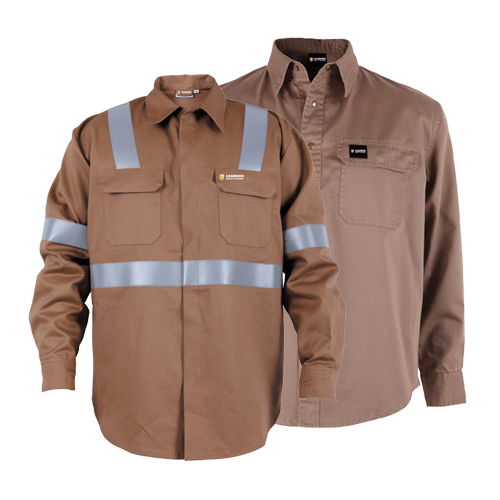
Get a Custom FR Clothing Quote from VisonSafety
The importance of NFPA 2112 certification is highlighted in its role in mitigating flash fire hazards.
The Significance of Certified Flame-Resistant (FR) Clothing in Mitigating Flash Fire Hazards
This paper examines the role of FR clothing within an overall safety program, the necessity of garments certified for specific hazards, and the limitations of FR clothing when not used or maintained as intended. Certified garments protect workers only when they are properly specified, maintained, and tracked.
New garments offer fabric batch testing, intact labels with batch numbers, and OEM/ODM customization for specific hazards and branding — features that reduce uncertainty for distributors and large buyers. For B2B purchasers, ordering new FR workwear provides predictable lead times, consistent quality control, and logistics options suited to bulk procurement.
This side-by-side shows that new certified garments reduce compliance and liability risk for regulated workplaces, even if they require a higher initial investment. Below is a manufacturer-focused table with example product types and common certification or customization attributes.
Introductory product table: examples of certified FR product types and typical customization or certification attributes.
Summary: manufacturers provide consistent certification, batch testing, and customization that address many sourcing gaps found in used channels. The section below explains practical manufacturer procurement options.
VisonSafety is a global manufacturer of certified and custom safety apparel that addresses common buyer concerns about traceability and batch testing. For B2B clients, VisonSafety offers OEM and ODM services, EN/ANSI/NFPA 2112/UL certifications, 100 percent fabric batch testing, full quality control, flexible MOQs, and DDP shipping from an ISO 9001 facility — capabilities that help distributors and wholesalers replace uncertain used inventory with new, documented FR garments. Businesses weighing used options should consider that manufacturer-direct procurement can deliver consistent protection, customization, and documented compliance at scale.
How to Make an Informed Decision When Buying Used or Discount FR Clothing?
Make an informed choice with a documented inspection process, targeted seller questions, and a risk-based decision rule that favors new certified garments when regulatory compliance or worker safety is non-negotiable. Start with a standardized checklist for every lot, require seller-provided documentation, and define clear condition thresholds for continued use. If contamination, repairs, or missing batch numbers cannot be resolved, prioritize new certified procurement or independent lab verification. The lists and tables below help procurement teams turn these requirements into RFIs and onsite inspection protocols.
Introductory checklist and questions help procurement teams create RFIs and onsite inspection protocols.
What Questions Should You Ask Sellers of Used FR Workwear?
When you contact sellers, use this concise RFI-style list to collect provenance and technical details needed to assess safety:
- What is the garment’s origin and original purchase order or batch number?
- What laundering and maintenance records can you provide, including any solvent or contamination incidents?
- Have any repairs, alterations, or seam reinforcements been performed?
- Are original certification labels intact and visible in recent photos?
- What is your returns or testing guarantee if items fail inspection?
These are the minimum documentation items buyers should require before accepting used FR stock and form the basis for a decision rule on when to buy new instead.
When Is It Better to Invest in New FR Clothing for Your Business?
Invest in new FR clothing when regulations (such as NFPA 2112 or site-specific arc-flash requirements) mandate certified garments, when liability exposure is high, or when scale and customization (branding, fabric selection) make OEM/ODM orders cost-effective. New procurement also makes sense if independent testing of used stock is impractical or used lots lack traceable batch numbers.
NFPA 2112 compliance is a critical factor in ensuring the safety and effectiveness of flame-resistant clothing.
NFPA 2112 Compliance for Flame-Resistant (FR) Clothing
Garments that comply with NFPA 2112 undergo independent testing and certification, and must carry a permanent label identifying the certification. This traceability is a core requirement for garments intended to mitigate flash fire hazards.
For distributors and wholesalers, transparent batch testing and DDP shipping from manufacturers reduce logistics and compliance risk, making new certified FR clothing the preferred long-term strategy for regulated operations.
- Rules of thumb: choose new for regulated environments, high-liability tasks, or when bulk customization is required.
- Manufacturer advantages: documented batch testing, OEM/ODM customization, and consistent quality control.
- If used items pass strict provenance and inspection checks, use them only where regulatory risk allows.
This guidance helps buyers weigh cost savings against safety and compliance obligations and encourages procurement teams to document decisions and require verifiable proof when purchasing used FR garments.
Proper labeling is a fundamental requirement for NFPA 2112 certified flame-resistant garments.
NFPA 2112 Labeling Requirements for Flame-Resistant Garments
Section 3-1 of NFPA 2112 requires a permanent product label that names the certifying organization, lists the garment model number, and states that the garment “Meets NFPA 2112” or “Complies with NFPA 2112.” Proper labeling supports traceability and compliance verification.
Where to Buy Used FR Clothing | FAQs
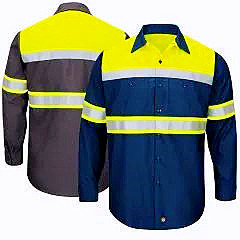
Get a Custom FR Clothing Quote from VisonSafety
What should I consider when inspecting used FR clothing?
Focus on intact certification labels and batch numbers, examine seams and closures for repairs or wear, and check for stains or odors that may indicate chemical contamination. Request laundering records and any documentation of the garment’s origin. If any of these items are missing or questionable, avoid the garment for safety-critical applications.
How can I ensure the used FR clothing I buy is compliant with safety standards?
Ask the seller for documentation that verifies the garment’s certification status. Look for labels showing compliance with standards such as NFPA 2112 or UL, and request batch-testing records and maintenance history. If the seller cannot provide verifiable proof, opt for new certified garments to guarantee compliance and safety.
What are the signs of compromised FR clothing?
Signs of compromise include frayed seams, thinning fabric, visible burns or repairs, and discoloration or stains from chemical exposure. Missing or damaged certification labels are also red flags. Any of these issues should disqualify a garment for safety-critical use.
Can I wash used FR clothing, and will it affect its safety?
Washing can affect FR clothing, especially if improper detergents or processes were used. Repeated laundering may degrade protective qualities over time. Always follow manufacturer care instructions and be cautious with heavily laundered items. When in doubt, prefer new certified garments to ensure full protection.
What are the cost implications of buying used versus new FR clothing?
Used FR clothing can lower upfront costs, but long-term expenses may rise if garments need frequent replacement or fail to meet compliance requirements. New certified FR garments cost more initially but provide documented performance, durability, and reduced liability risk, which can lower total cost of ownership over time.
How do I choose between used and new FR clothing for my team?
Base your choice on the work environment, regulatory requirements, and budget. For high-risk or regulated settings, prioritize new certified garments. For low-risk situations where used clothing can be fully documented and inspected, used items may be acceptable. Always prioritize worker safety and compliance over short-term savings.
Conclusion
Choosing the right source for used FR clothing can save money, but only when risks are understood and garments are properly verified. Verify labels, laundering history, and provenance; apply a consistent inspection process; and default to new certified FR clothing where regulation or liability demands it. If you need reliable, certified options, review our selection of certified FR apparel or contact us to discuss manufacturer-direct solutions that deliver traceability, performance, and peace of mind.
 English
 Deutsch
 Français
 Polski
 Português do Brasil
 Español
 日本語
日本語 Русский
 العربية
 Italiano
 Nederlands
 Türkçe
 한국어
한국어