
High-visibility (HI VIS) shirts make workers easier to see in daylight and low light by using bright fluorescent colors and reflective elements. This article explains what makes a shirt HI VIS, key design features, and the standards that define compliance so you can select apparel that balances protection, comfort, and branding.
What Defines a High Visibility Safety Shirt?
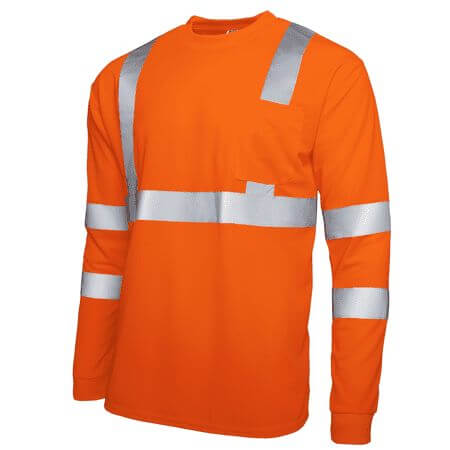
A HI VIS safety shirt pairs fluorescent fabric (commonly yellow, orange, or green) with retroreflective materials such as reflective tape so wearers remain conspicuous against varied backgrounds and in reduced light. Certified garments meet established performance tests indicating suitable visibility and durability for hazardous or high-traffic settings.
Key Elements of High-Visibility Safety Clothing
High-visibility safety clothing relies on two core features: fluorescent color for strong daytime contrast and retroreflective markings that return light to its source, improving visibility at night and in low-light conditions. These elements together support identification and hazard avoidance for both workers and pedestrians.
A review of high-visibility clothing for accident prevention and safety of workers and pedestrians, RK Seidu, 2025
For organizations upgrading safety gear, Information Hub & Lead Generation provides custom HI VIS shirts built to specific performance and sizing requirements so teams stay compliant without sacrificing comfort.
Get a Custom Hi-Vis Shirt Quote from VisonSafety
What Are the Key Features of Reflective Work Shirts?
Reflective work shirts are designed to improve visibility and on-the-job comfort. Key features include:
- Reflective Technology : Tapes or fabrics that return light to its source, increasing detection in low light.
- Durable Fabrics : Textiles that resist wear, frequent laundering, and abrasion.
- Comfort and Fit : Breathable cuts and materials that allow movement during long shifts.
A short material comparison follows to help match performance to your environment and budget.
Use higher-reflectivity materials for night or roadside work, choose durable fabrics for heavy-duty tasks, and prioritize comfort where long wear is expected.
How Do Fluorescent Safety Shirts Enhance Worker Visibility?
Fluorescent pigments increase daytime contrast, while retroreflective striping returns headlights to the source at night. Combining vivid color and reflective markings improves detection by drivers and equipment operators across light conditions, helping reduce accidents in busy or low-light environments.
Which Standards and Certifications Classify HI VIS Shirts?
HI VIS garments should meet recognized standards to ensure consistent protection. Common references include:
- ANSI/ISEA 107 Compliance : U.S. performance and classification guidelines for high-visibility apparel.
- EN ISO 20471 Compliance : European testing and performance benchmark for professional hi‑vis clothing.
- Quality Assurance Certifications : Factory and material certifications that confirm consistent production and safety performance.
Identifying the standard relevant to your industry helps you choose garments that meet regulatory and jobsite requirements.
What Are ANSI Compliant Shirts and Their Classes?
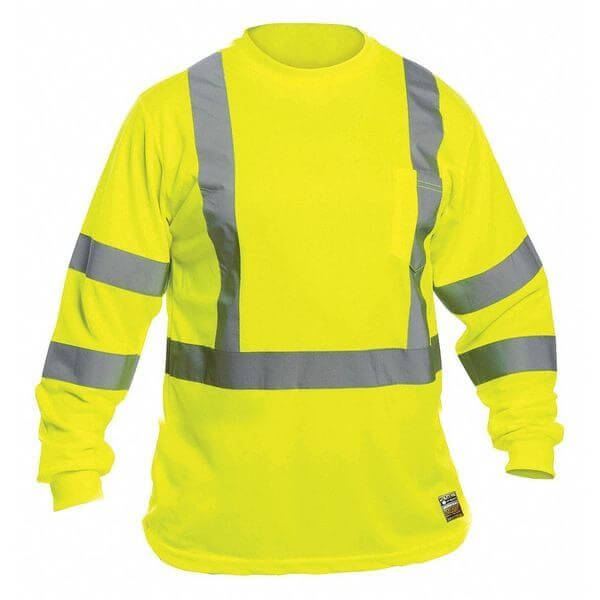
ANSI-classified shirts are grouped by the amount of fluorescent surface and reflective material. The three classes are:
- Class 1 : For low-traffic areas or separated workers; basic visibility.
- Class 2 : For higher-traffic or more complex work zones; increased conspicuity.
- Class 3 : Maximum visibility for high-risk tasks and fast-moving traffic.
Match the class to exposure to traffic, vehicle speeds, and site complexity to ensure appropriate protection.
Get a Custom Hi-Vis Shirt Quote from VisonSafety
How Do EN ISO Standards Apply to HI VIS Apparel?
EN ISO standards set performance criteria, testing methods, and maintenance guidance so garments retain visibility and wearability over time. Compliance gives manufacturers and employers confidence that apparel meets internationally accepted safety measures.
Ongoing material testing helps confirm continued conformity with these rigorous standards.
Evaluating Fluorescent & Retroreflective HI VIS Materials
This study compares physical properties of several fluorescent fabrics and retroreflective materials to assess their conformity with international standards for high-visibility warning clothing. Four fluorescent fabrics were evaluated: a PET 71%/Cotton 23%/PU 6% fabric used in public road cleaner uniforms in Korea (S1); an ISO-compliant Japan-made PET 65%/Cotton 35% plus conductive fabric (S2); and two Korean-made PET 100% fabrics selected at random for adults (S3) and children (S4). Samples were tested against seven ISO 20471 criteria.
An evaluation of the suitability of fluorescent fabrics and retroreflective materials for road traffic warning clothing in compliance with international standards, 2019
What Materials and Design Elements Make Shirts HI VIS?
Key components that create HI VIS shirts include:
- Fluorescent Fabrics : Bright materials that increase daytime contrast.
- Reflective Elements : Tape or woven strips positioned for visibility from multiple angles.
- Durable Fabrics : Textiles made to withstand abrasion and frequent washing.
Together these elements deliver required visibility, longevity, and wearer comfort for demanding jobs.
How Is Reflective Tape Used on HI VIS Shirts?
Reflective tape is placed around the torso, across shoulders, and on sleeves or pockets to form recognizable patterns that read well at distance and to headlights. Correct placement and tape width are as important as reflective performance for reliable detection.
What Fluorescent Fabrics Are Common in Safety Shirts?
Typical fluorescent fabric choices include:
- Fluorescent Yellow-Green : Very visible and common for roadside and industrial use.
- Fluorescent Orange-Red : Favored in construction and traffic control for strong contrast.
- Fluorescent Yellow : Versatile option for many daylight visibility needs.
These colors improve detection by standing out against most backgrounds.
How Can Custom Hi Vis Apparel Meet Specific Safety Needs?
Custom HI VIS apparel lets you specify fabrics, reflective patterns, and sizing so garments meet regulatory needs while fitting your team and brand. Work with experienced suppliers to preserve required visible areas and reflective coverage when adding logos or altering dimensions.
What Custom Manufacturing Options Are Available for HI VIS Shirts?
Common custom options include:
- Design Options : Tape layouts and patterns that balance visibility with brand aesthetics.
- Fabric Selection : Breathable, durable, or weather-resistant choices based on job needs.
- Logo Customization : Applied or embroidered branding placed to maintain required visibility zones.
These choices produce protective clothing that supports a professional, on‑brand appearance.
How Do Custom Logos and Sizes Affect Compliance?
Logos or size changes can reduce the required fluorescent area if placed incorrectly. To remain compliant, locate branding outside critical contrast and tape zones or adjust sizes without covering mandated surfaces. Confirm placements with suppliers familiar with ANSI/EN rules.
To explore options for HI VIS shirts , consider visiting Vison Safety for product details.
If you need personalized advice, you can contact us for support.
Frequently Asked Questions
What are the benefits of wearing HI VIS shirts in the workplace?
HI VIS shirts reduce collision risk by making workers more visible, help meet safety regulations, and improve overall site awareness.
Can HI VIS shirts be used in all weather conditions?
Yes. Manufacturers offer breathable, insulated, and water-resistant HI VIS options so teams stay visible and comfortable in hot, cold, or wet conditions.
How do I properly care for HI VIS shirts to maintain their effectiveness?
Follow the manufacturer’s care: wash cold, avoid bleach and fabric softeners, dry gently, and inspect regularly for fading or detached reflective elements.
Are there specific industries that require HI VIS shirts?
Many sectors—construction, roadwork, transportation, emergency services, warehousing, and logistics—commonly require hi‑vis clothing depending on local rules and job tasks.
What should I consider when choosing HI VIS shirts for my team?
Consider traffic exposure, lighting, required ANSI/EN class, fabric comfort, durability, and customization needs. Prioritize compliance, then select features to match daily job demands.
Can HI VIS shirts be customized for branding purposes?
Yes. Logos and colors are often integrated, but ensure any customization preserves the fluorescent surface and reflective placement required for compliance.
Conclusion
High-visibility shirts are an effective way to lower risk by improving worker visibility. Understanding materials, reflective design, and applicable standards helps employers choose certified garments that protect teams and support branding needs.
 English
 Deutsch
 Français
 Polski
 Português do Brasil
 Español
 日本語
日本語 Русский
 العربية
 Italiano
 Nederlands
 Türkçe
 한국어
한국어