
Selecting materials for safety vest pockets affects durability, conspicuity and regulatory compliance. This guide summarises suitable fabrics, water-resistant finishes, and reflective tape options and highlights selection criteria to support safe, functional pockets that meet ANSI and ISO requirements.
Which Fabrics Are Best for Durable Safety Vest Pockets?
Key choices are high-visibility polyester, nylon and fabrics finished for water resistance; each offers specific durability and serviceability advantages for pocket construction.
These materials extend pocket life and maintain performance across common occupational settings.
VisonSafety supplies high-visibility safety apparel and customised vest solutions that conform to recognised international standards, including fabrics suited for pocket construction.
How Do Polyester and Nylon Compare for Pocket Construction?
Polyester and nylon have different strengths: polyester is cost-effective and durable for routine use, while nylon offers higher tensile strength and greater flexibility for demanding conditions.
Polyester : Cost-effective and durable for general use.
Nylon : Stronger and more flexible for rugged environments.
Application Needs : Match fabric choice to the work environment and load on pockets.
Understanding these characteristics helps specify the right fabric for intended duty and lifespan.
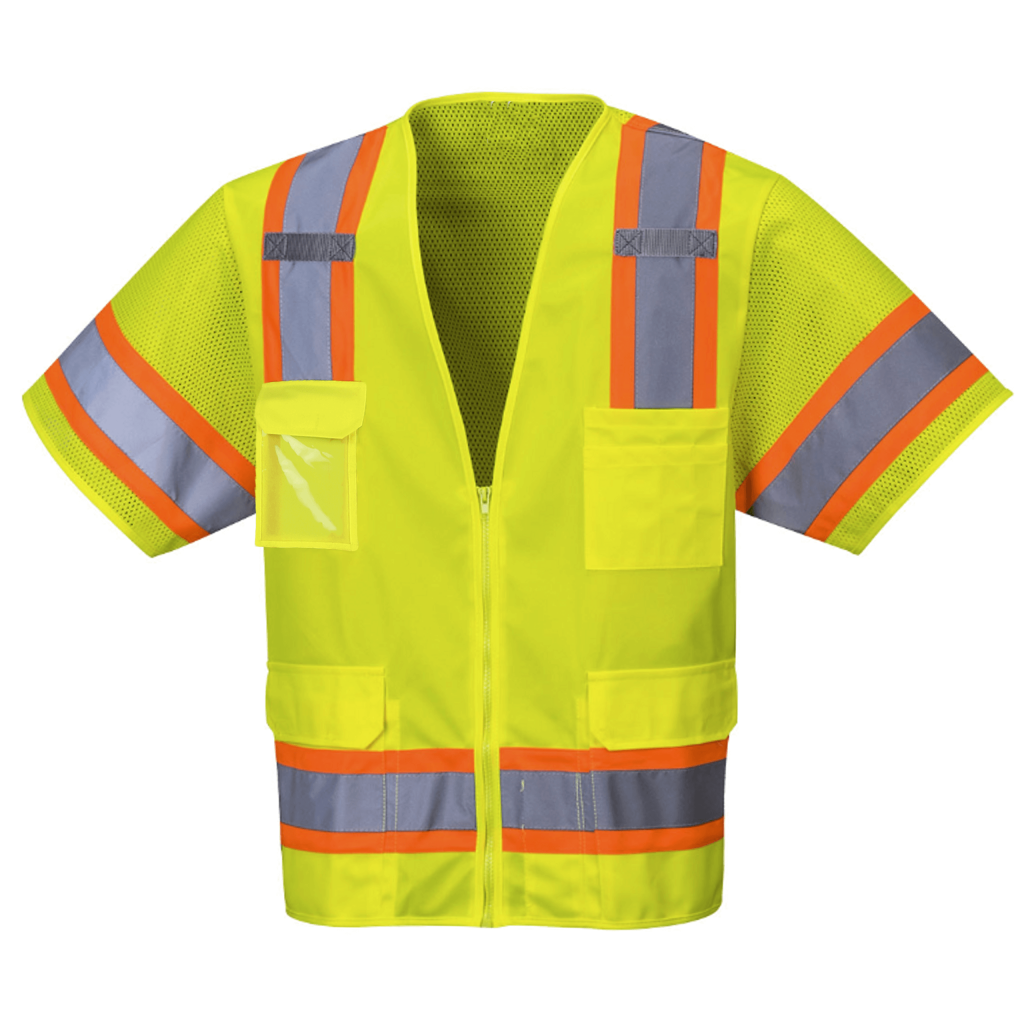
Get a Custom Hi-Vis Vest Quote from VisonSafety
What Are the Benefits of Water-Resistant Fabrics for Safety Clothing Pockets?
Water-resistant fabrics protect tools and personal items from moisture, reducing equipment downtime and preserving pocket function.
Durability Against Moisture Exposure : Prevents rain- and spill-related damage.
Keeps Tools and Personal Items Dry : Maintains tool function and safety.
Ideal for Various Work Environments : Useful for construction, outdoor and emergency roles.
Applying water-resistant finishes increases garment reliability in wet or variable conditions.
What Reflective Materials and Tape Options Enhance Pocket Visibility?
Reflective elements improve pocket conspicuity in low light. Common options are glass-bead and microprismatic tapes selected to meet ANSI/ISEA photometric criteria.
Glass-bead Tapes : Cost-effective and suitable for general visibility.
Microprismatic Tapes : Higher reflectivity and distance visibility.
Compliance : Use tapes that meet required safety standards.
Correct selection and secure attachment ensure required photometric performance and compliance.
Which Types of Reflective Tape Comply with ANSI and ISO Standards?
Reflective tapes are classified (Type I, II, III) against ANSI/ISEA and ISO performance classes; higher types indicate greater reflectivity for more hazardous or low-light conditions.
Type I Reflective Tape : Basic visibility for general use.
Type II Reflective Tape : Enhanced reflectivity for higher-risk settings.
Type III Reflective Tape : Maximum visibility for extreme low-light conditions.
Choose the tape class that matches the visibility requirements of the intended application.
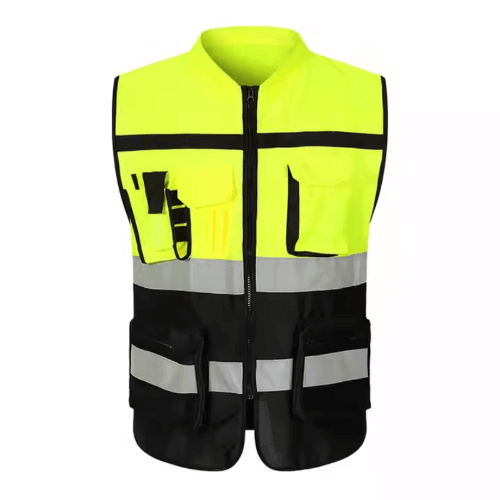
Get a Custom Hi-Vis Vest Quote from VisonSafety
How Should Reflective Materials Be Placed on Safety Vest Pockets?
Placement should maximise line-of-sight exposure while complying with the dimensional and location criteria specified by ANSI and ISO standards.
Strategic Placement : Position tape where it is most visible to observers.
Sewing Techniques : Use robust sewing to prevent peeling and loss of reflectivity.
Compliance with Standards : Ensure placement meets applicable guidelines.
Use proven attachment methods and placement checks to preserve both visibility and compliance.
How Do Compliance Standards Influence Pocket Material Selection?
Standards set minimum requirements for durability and visibility; materials must meet these thresholds to be acceptable for occupational garments.
Material Durability : Choose fabrics that resist expected environmental stresses.
Visibility Requirements : Ensure fabrics and tape deliver required conspicuity.
Legal Risks : Non-compliance increases liability and operational risk.
Specifying compliant materials reduces risk and demonstrates regulatory conformity.
What Are the Key ANSI 107 and ISO 20471 Requirements for Pocket Materials?
ANSI 107 and ISO 20471 set requirements relevant to pocket materials, including minimum reflective areas and basic material performance criteria to ensure conspicuity.
Minimum Reflective Areas : Standards specify the required reflective coverage.
Material Selection : Durability and visibility are primary selection factors.
Compliance Importance : Meeting these standards is essential for worker safety.
Procurement and design teams should use these standards to guide material choices.
How Does Material Compliance Reduce Business Risk and Enhance Safety?
Compliance ensures garments meet safety thresholds, improving visibility and reducing the chance of accidents and penalties.
Reduces Accident Risks : Proper materials lower incident likelihood.
Enhances Worker Visibility : Improves detection in low-light conditions.
Protects Against Legal Liabilities : Documented compliance reduces legal exposure.
Prioritising compliant materials supports a safer workplace and lowers financial and legal risk.
What Customization Techniques Optimize Safety Vest Pocket Functionality and Branding?
Customisation can improve pocket function and support branding while preserving safety when materials and designs remain compliant.
Design Options : Tailor pocket shape and placement to tasks.
Material Compatibility : Use compatible materials that retain visibility.
Branding Methods : Apply branding in ways that do not reduce photometric performance.
Properly specified customisation balances usability, identity and compliance.
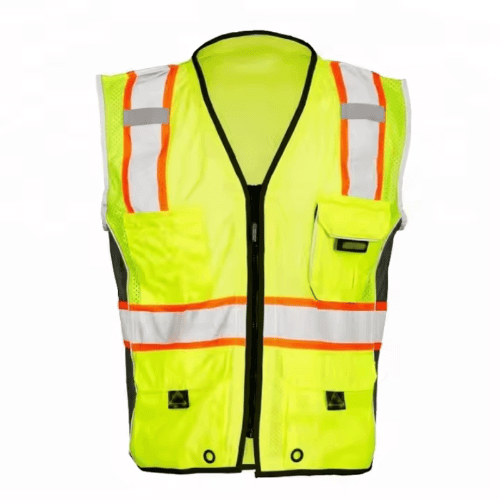
Get a Custom Hi-Vis Vest Quote from VisonSafety
How Can Durable Fabrics and Reflective Tapes Be Customized for Branding?
Fabrics and tapes can display branding so long as modifications do not reduce photometric performance or violate placement and area rules; choose materials that maintain visibility.
Durable Fabrics : Select high-quality textiles that show branding without sacrificing durability.
Reflective Tapes : Use branded tapes certified to the required standards.
Maintaining Compliance : Confirm branding does not interfere with visibility requirements.
Well-executed branding preserves protection while providing clear corporate identification.
What Are the Best Practices for Combining Comfort, Durability, and Visibility in Pocket Design?
Balance ergonomic comfort, durable materials and mandated visibility through considered fabric choice, pocket geometry and testing.
Material Selection : Choose fabrics that combine comfort and durability.
Design Considerations : Optimize pocket access without obstructing reflective areas.
Testing for Compliance : Validate materials and designs against standards regularly.
Applying these practices yields vests that perform, last and comply.
Ensuring worker safety through compliant, well-designed gear is a priority; understanding high-visibility safety clothing is important for correct specification.
Frequently Asked Questions
What factors should I consider when selecting materials for safety vest pockets?
Prioritise durability, optical performance and regulatory compliance. Select fabrics that resist expected environmental stresses and confirm conformity with applicable ANSI and ISO specifications.
Can I use non-reflective materials for safety vest pockets?
Non-reflective fabrics are usable in some pockets but will not help in low-light visibility; ensure the overall garment has sufficient high-visibility colour and reflective elements to meet standards.
How often should safety vest materials be tested for compliance?
Test materials at regular intervals (commonly annually) and after material changes. Routine inspections identify wear or degradation that could affect compliance.
What are the advantages of customizing safety vest pockets?
Custom pockets improve functionality and tool access and enable consistent branding while allowing specification of compliant materials and construction methods.
Are there specific maintenance tips for safety vests to ensure longevity?
Follow manufacturer care instructions, avoid harsh chemicals, inspect regularly for damage, store garments properly and repair defects promptly to maintain compliance and service life.
What role does color play in the visibility of safety vests?
Fluorescent yellow, orange or green enhance daytime conspicuity; combine these colours with compliant reflective materials to improve detectability in reduced light.
How can I ensure that my safety vest complies with local regulations?
Review the specific ANSI and ISO standards for your jurisdiction, consult qualified safety professionals if needed and source garments from suppliers who provide documented evidence of compliance.
Conclusion
Choosing the right pocket materials—high-visibility polyester, nylon or water-resistant finishes—and integrating certified reflective tape improves durability, visibility and compliance. Prioritise materials that meet ANSI and ISO requirements and consult authorised suppliers for customised solutions.
 English
 Deutsch
 Français
 Polski
 Português do Brasil
 Español
 日本語
 Русский
 العربية
 Italiano
 Nederlands
 Türkçe
 한국어