
Understanding the Harmonized Tariff Schedule (HTS) code for safety vests is crucial for businesses involved in importing and exporting safety apparel. This comprehensive guide will delve into the specifics of HTS codes, particularly focusing on safety vests, which are essential for ensuring visibility and safety in various industrial and commercial applications. Readers will learn about the classification process, the necessary documentation, and the impact of safety standards on HTS code assignment. Additionally, we will explore the implications of recent tariff updates and how they affect import costs for safety vests. This article will cover key topics such as the HTS code for safety vests, the attributes defining these garments, and the challenges faced in customs classification.
Get a Custom Hi-Vis Vest Quote from VisonSafety
What Is the Harmonized Tariff Schedule Code for Safety Vests?
The Harmonized Tariff Schedule (HTS) code is a standardized numerical method of classifying traded products. For safety vests, the HTS code is essential for determining the applicable tariffs and ensuring compliance with international trade regulations. The HTS code for safety vests typically falls under the category of personal protective equipment, which is crucial for workers in hazardous environments. Understanding the specific HTS code applicable to safety vests helps businesses navigate the complexities of customs regulations and avoid potential penalties.
Further research emphasizes the intricate relationship between customs regulations, tariff adjustments, and the precise classification of goods, highlighting their collective impact on economic security.
Customs & Tariff Regulation: Impact on Trade and Goods Classification
The authors conducted a comparative-chronological analysis of the dynamics of foreign trade in certain categories of goods and changes in measures of customs and tariff regulation applied to them: import and export duties and changes in the classification and coding of goods, which increase the differentiation of the establishment of duty rates for similar goods. Economic security indicators affected by these changes are identified.
Impact of Customs and Tariff Regulation on Economic Security, AL Chupin, 2023
How Does the HTS Code 611030 Apply to High Visibility Safety Vests?
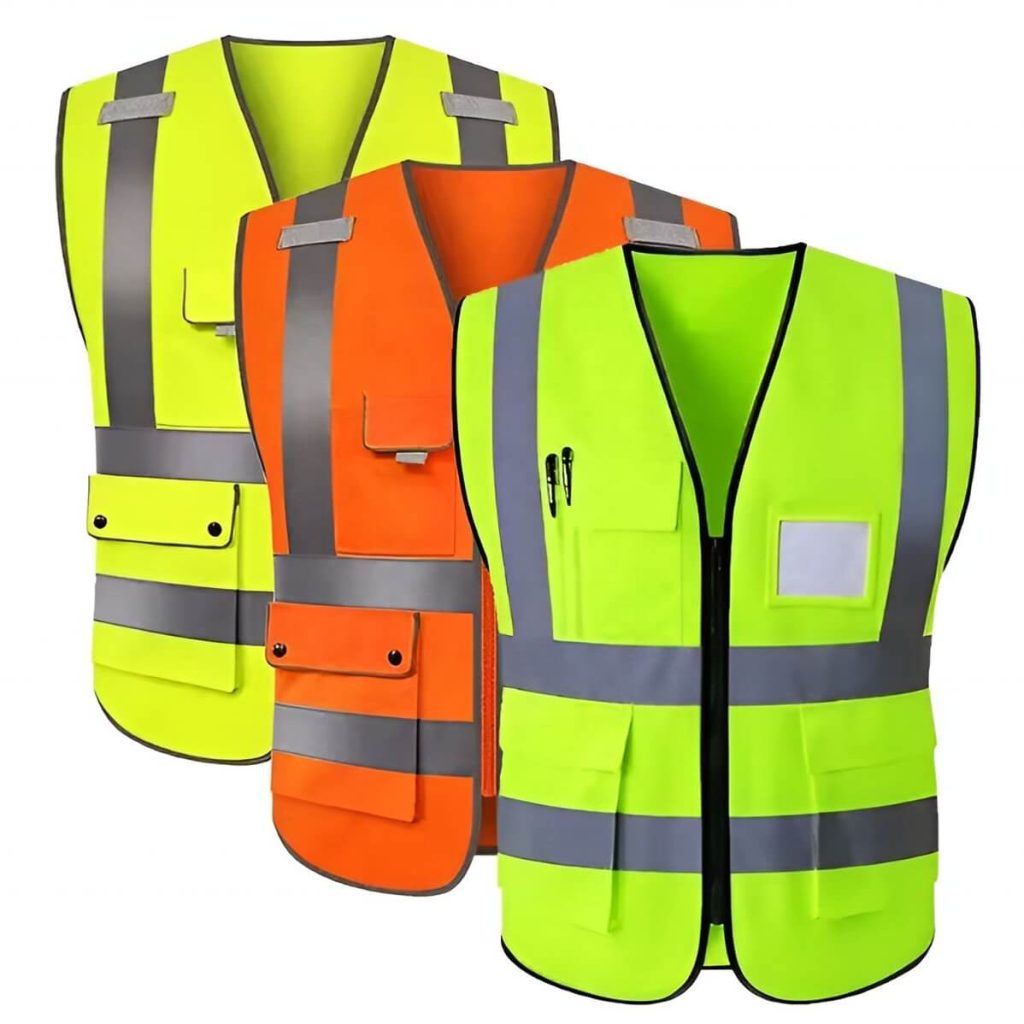
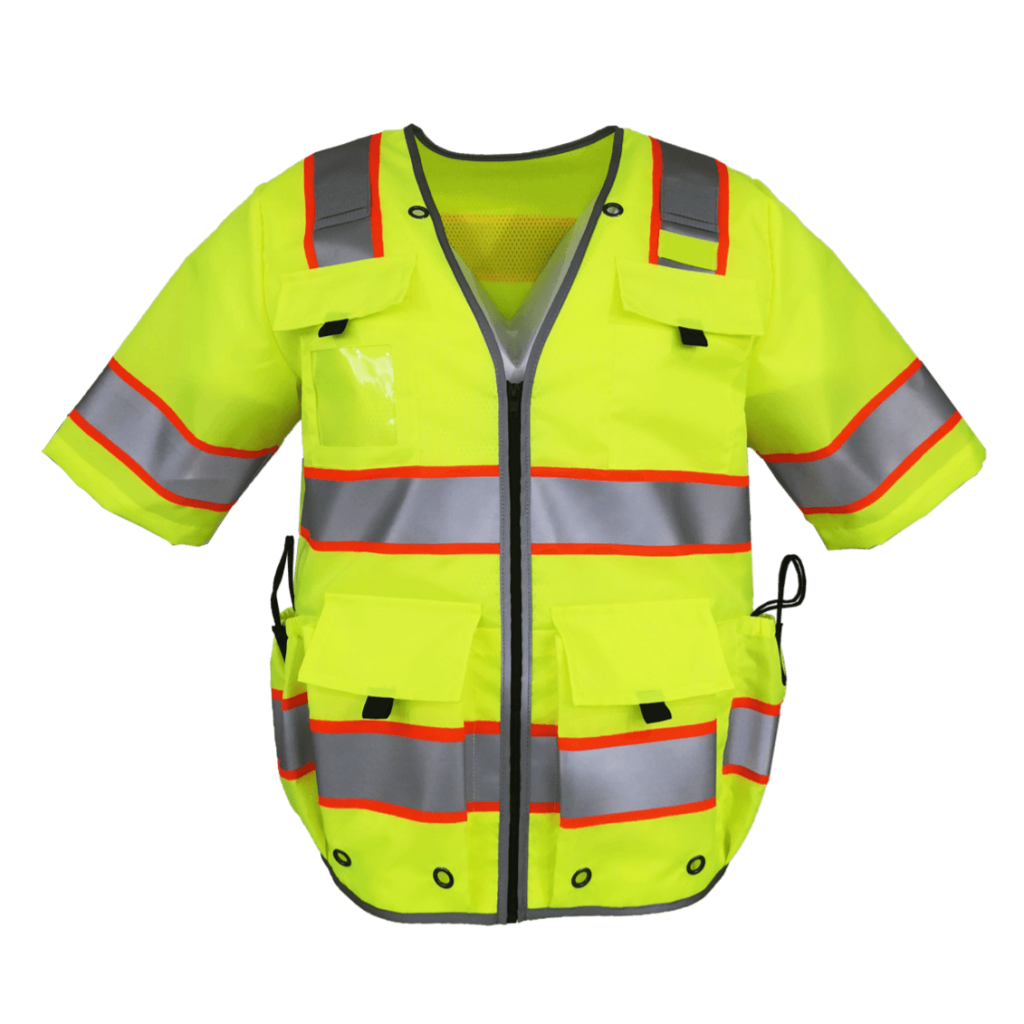
HTS Code 611030 specifically applies to high visibility safety vests, which are designed to enhance the visibility of the wearer in low-light conditions. This code is relevant for vests made from fluorescent materials and equipped with reflective tape, ensuring compliance with safety standards. The classification under this code is determined by the material composition and design features, which must meet specific criteria to qualify as high visibility safety apparel. For instance, vests must incorporate certain levels of reflectivity and fluorescent colors to be classified under this HTS code.
What Are the Key Attributes Defining Safety Vests in Trade Classification?
Safety vests are defined by several key attributes that influence their classification under the HTS. These attributes include:
Visibility Features: The use of fluorescent colors and reflective materials is essential for ensuring that safety vests meet visibility standards.
Standards Compliance: Compliance with safety standards such as ANSI/ISEA 107 is critical for classification and market acceptance.
Durability and Comfort: The materials used must not only provide visibility but also ensure comfort and durability for the wearer in various working conditions.
These attributes play a significant role in determining the appropriate HTS code and ensuring that the vests meet regulatory requirements.
How to Classify Safety Vests for Customs: Step-by-Step Import Procedures
Classifying safety vests for customs involves a systematic approach to ensure compliance with trade regulations. The following steps outline the classification process:
Identify the Product: Determine the specific type of safety vest and its intended use.
Gather Documentation: Collect all necessary documentation, including product specifications and compliance certificates.
Determine the HTS Code: Use the Harmonized Tariff Schedule to find the appropriate HTS code based on the product’s attributes.
Submit Customs Declaration: Complete the customs declaration form accurately, including the HTS code and supporting documents.
Following these steps helps streamline the import process and minimizes the risk of delays or penalties.
Get a Custom Hi-Vis Vest Quote from VisonSafety
The complexities of goods classification are further addressed by advancements in IT support and automation, which aim to streamline the process despite inherent hurdles.
Automated Goods Classification & Harmonized System Support
The classification of goods in the customs tariff is a classic topic in customs training and practice. Software service providers offer IT support for tariff classification or even automated classification. Where in this article examples of tariff codes going beyond the Harmonised System are used, they refer to the 2021 version of the Combined Nomenclature (CN) of the European Union.
Classification of Goods: What are the Hurdles and Pitfalls in the Use of Automation or IT Support?, 2021
What Documentation Is Required for Safety Vest HTS Classification?
Proper documentation is vital for the HTS classification of safety vests. The required documents typically include:
Product Specifications: Detailed descriptions of the materials and features of the safety vests.
Compliance Certificates: Proof of compliance with relevant safety standards, such as ANSI/ISEA 107.
Commercial Invoices: Invoices detailing the transaction, including the HTS code and product descriptions.
Accurate and complete documentation ensures that customs authorities can verify the classification and compliance of the safety vests.
How Do Material Types and Construction Affect Customs Classification?
The material types and construction methods used in safety vests significantly influence their customs classification. Different materials, such as polyester or cotton blends, may fall under different HTS codes based on their properties. Additionally, the construction methods, including stitching and the incorporation of reflective elements, can affect the classification. For instance, vests that utilize advanced materials for enhanced durability and visibility may qualify for specific HTS codes that reflect their superior performance characteristics.
What Import Duties and Tariffs Apply to Safety Vests Under Current Trade Regulations?
Import duties and tariffs for safety vests vary based on the HTS code assigned to the product. Generally, safety vests classified under HTS Code 611030 may be subject to specific tariff rates that can impact the overall cost of importing these items. Factors influencing the duties include the country of origin, trade agreements, and the specific materials used in the vests. Understanding these tariffs is essential for businesses to accurately calculate import costs and maintain competitive pricing.
How Do Tariff Updates Impact Safety Vest Import Costs?
The 2022 tariff updates brought changes to the import duties applicable to safety vests. These updates may result in increased costs for importers, depending on the specific HTS codes and the materials used in the vests. Businesses must stay informed about these changes to adjust their pricing strategies and ensure compliance with the latest regulations. The impact of these updates can vary significantly based on the type of safety vest and its classification under the HTS.
What Are the Typical Tariff Rates for Reflective and High Visibility Safety Apparel?
Typical tariff rates for reflective and high visibility safety apparel can vary widely based on the HTS classification. For safety vests classified under HTS Code 611030, the tariff rates may range from 0% to 20%, depending on the country of origin and specific trade agreements in place. Understanding these rates is crucial for businesses to effectively manage their import costs and pricing strategies.
How Do Safety Standards Influence HTS Code Classification for Safety Vests?
Safety standards play a pivotal role in the HTS code classification of safety vests. Compliance with standards such as ANSI/ISEA 107 ensures that the vests meet the necessary visibility and performance criteria. These standards dictate the materials, design features, and overall effectiveness of the safety vests in providing protection to the wearer. As a result, adherence to these standards is essential for accurate classification and market acceptance.
Get a Custom Hi-Vis Vest Quote from VisonSafety
What Role Does ANSI/ISEA 107 Compliance Play in Trade Classification?
ANSI/ISEA 107 compliance is critical for the trade classification of safety vests. This standard outlines the performance requirements for high visibility apparel, including the minimum levels of visibility and reflectivity. Vests that meet these standards are more likely to be classified under the appropriate HTS codes, facilitating smoother customs clearance and acceptance in the marketplace. Compliance not only enhances safety but also ensures that businesses can effectively market their products.
Beyond general compliance, specific studies underscore the evolving demands for safety vest design and fit, particularly concerning high visibility PPE standards like ANSI/ISEA 107.
Safety Vest Compliance & High Visibility PPE Standards
As the construction industry transitions to reflect a more diverse population, it is essential that personal protective equipment (PPE) accommodates this shift in demographics. In particular, the “One size fits all” approach is no longer an appropriate metric of fit for the safety vest. This research will discuss the general demand for properly fitting high visibility safety vests as identified by hackathon participants.
Safely Covered or Dangerously Exposed: Analyzing the Safety Vest Code of Compliance, 2015
How Do Material Safety Specifications Affect HTS Code Assignment?
Material safety specifications significantly impact the HTS code assignment for safety vests. The choice of materials, such as flame-resistant fabrics or moisture-wicking textiles, can influence the classification. Vests made from materials that meet specific safety criteria may qualify for different HTS codes, affecting the applicable tariffs and import duties. Understanding these specifications is essential for businesses to ensure compliance and optimize their import processes.
What Are Common Challenges and Solutions in Safety Vest HTS Code Classification?
Classifying safety vests for customs can present several challenges, including:
Complexity of Regulations: Navigating the various regulations and standards can be overwhelming for importers.
Documentation Requirements: Ensuring that all necessary documentation is accurate and complete is crucial for compliance.
Changing Tariff Rates: Keeping up with changes in tariff rates and regulations can be challenging.
To address these challenges, businesses can implement solutions such as:
Consulting with Customs Brokers: Engaging professionals who specialize in customs classification can help streamline the process.
Staying Informed: Regularly updating knowledge on trade regulations and tariff changes is essential for compliance.
Investing in Training: Providing training for staff on customs procedures and documentation can enhance efficiency.
How to Resolve Discrepancies in Customs Classification for Safety Vests?
Discrepancies in customs classification can arise due to various factors, including misinterpretation of HTS codes or incomplete documentation. To resolve these issues, businesses should:
Review Documentation: Ensure that all submitted documents are accurate and complete.
Engage Customs Brokers: Seek assistance from customs professionals to clarify any classification issues.
Communicate with Customs Authorities: Open lines of communication with customs officials can help address discrepancies promptly.
What Case Studies Illustrate Successful Import Compliance for Safety Apparel?
Several case studies highlight successful import compliance for safety apparel, demonstrating effective strategies for navigating customs regulations. For instance, a construction company successfully imported high visibility safety vests by ensuring compliance with ANSI/ISEA 107 standards and maintaining accurate documentation. This proactive approach minimized delays and penalties, allowing the company to maintain a steady supply of safety apparel for its workforce.
Where Can Businesses Find Assistance and Resources for Safety Vest HTS Code Compliance?
Businesses seeking assistance with safety vest HTS code compliance can explore various resources, including:
Industry Associations: Organizations that focus on safety apparel often provide valuable information and support for compliance.
Consulting Services: Engaging consultants who specialize in trade compliance can offer tailored guidance.
Government Resources: Many government agencies provide resources and tools for understanding HTS codes and customs regulations.
How to Use Structured Data and Schema Markup for Trade Classification Transparency?
Implementing structured data and schema markup can enhance trade classification transparency for safety vests. By using schema markup, businesses can provide detailed information about their products, including HTS codes, compliance certifications, and material specifications. This transparency not only aids in customs classification but also improves visibility in search engines, helping potential customers find compliant safety apparel more easily.
What Internal Linking Strategies Support HTS Code Information Accessibility?
Effective internal linking strategies can enhance the accessibility of HTS code information on business websites. Key strategies include:
Creating Resource Pages: Dedicated pages that outline HTS codes and compliance information can serve as valuable resources for customers.
Utilizing Anchor Text: Using descriptive anchor text for internal links can improve navigation and user experience.
Regularly Updating Content: Keeping information current ensures that users have access to the latest compliance guidelines and HTS codes.
By implementing these strategies, businesses can improve the accessibility of critical information related to safety vest HTS codes and compliance.
For more information on safety vests, visit Vison Safety’s website.
If you have any questions or need assistance, you can contact us.
 English
 Deutsch
 Français
 Polski
 Português do Brasil
 Español
 日本語
 Русский
 العربية
 Italiano
 Nederlands
 Türkçe
 한국어