
High-visibility vests are essential safety equipment but need not sacrifice appearance. This article outlines practical design approaches, relevant safety standards, material choices, and the procurement process for custom stylish hi‑vis vests. It addresses common concerns about style versus compliance and offers operational guidance for organisations seeking better workwear without reducing protection.
What Are Effective Design Ideas to Make Hi-Vis Vests Look Cool?
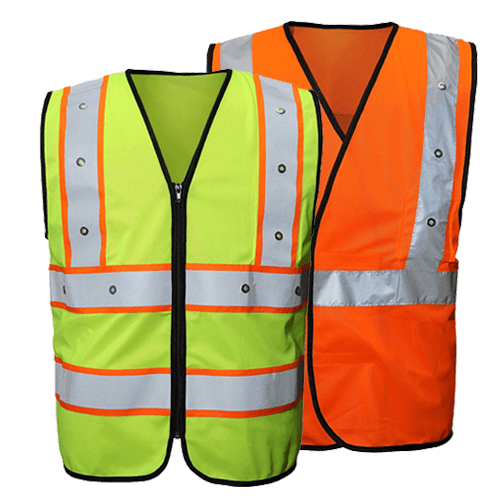
Creating a distinctive yet compliant vest requires combining considered design with regulatory constraints. Use approved fluorescent palettes, deliberate reflective patterns, and contemporary cuts to improve aesthetics while preserving the visible and reflective areas mandated by standards. The aim is to meet safety criteria and also express individual or corporate identity.
Get a Custom Hi-Vis Vest Quote from VisonSafety
Aesthetic appeal affects worker adoption of hi-vis clothing and should inform design choices.
Designing Aesthetically Pleasing Hi-Vis Clothing
Appropriate color selection in the design of high-visibility clothing is critical to ensure conspicuity across diverse environments. The review notes that many commercially available high-visibility garments are not perceived as aesthetically satisfactory and, as a result, are not routinely worn by workers and pedestrians.
A review of high-visibility clothing for accident prevention and safety of workers and pedestrians, RK Seidu, 2025
Which Colors and Reflective Tape Patterns Enhance Style and Visibility?
Fluorescent colors such as neon yellow, orange, and green optimise conspicuity in varied lighting. Contrasting retroreflective tape—chevrons, diagonal stripes, or banding—can give a vest visual personality while maintaining the continuous reflective area many standards require. Validate pattern choices against performance criteria before production.
Research has examined which garment elements most influence daytime conspicuity.
Hi-Vis Garment Design for Daytime Conspicuity
The study evaluated the effects of garment color, the proportion of background material, and the presence of retroreflective material on daytime pedestrian conspicuity in work zones. Results indicate that both garment color and the amount of background material have a significant impact on conspicuity.
The roles of garment design and scene complexity in the daytime conspicuity of high-visibility safety apparel, JR Sayer, 2008
How Can Logo Placement and Branding Improve Vest Appeal?
Strategic logo placement increases perceived value without compromising function. Place logos where they are visible but do not cover required reflective areas—front chest and upper back are common. Custom hi-vis vests from VisonSafety support personalised branding while keeping the garment certified PPE and reinforcing a professional corporate image.
How Do Safety Standards Influence Stylish Hi Vis Vest Design?
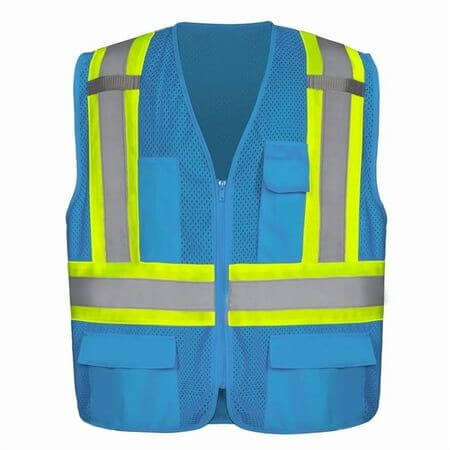
Standards drive many design decisions. Understanding standards such as ANSI/ISEA 107 and relevant ISO specifications ensures stylistic elements never reduce the defined performance metrics. Compliance preserves the protective function while allowing considered aesthetic choices.
Get a Custom Hi-Vis Vest Quote from VisonSafety
What ANSI and ISO Compliance Requirements Must Stylish Vests Meet?
Stylish vests must satisfy classification criteria set by ANSI and ISO, which consider color, retroreflective material, and garment design. Meeting those criteria ensures adequate conspicuity in low-light or complex environments and helps reduce accident risk.
How Does Compliance Ensure Worker Protection While Maintaining Style?
Compliance and aesthetics can coexist. Modern designs use approved cuts and breathable fabrics while preserving minimum retroreflective and background coverage. That balance increases the chance workers will wear the PPE consistently.
Fit for diverse body types is an important part of compliance and wearer comfort.
Custom Hi-Vis Vests: Fit for Diverse Workforces
As the construction industry reflects a more diverse population, personal protective equipment must accommodate a broader range of body types. The “One size fits all” approach is no longer an appropriate metric of fit for safety vests. Prior research indicated a consensus that many construction workers do not have access to correctly fitting vests. In response, the Cal Poly Construction Management Department organised the Verifying Everyone’s Safety Together (VEST) Hackathon, a two-day event that convened industry members, students, and faculty to develop prototype solutions to improve fit across a diverse workforce.
Safely Covered or Dangerously Exposed: Analyzing the Safety Vest Code of Compliance, 2017
What Material and Durability Features Support Cool and Functional Hi Vis Vests?
Material choice affects comfort, durability, and compliance. Breathable polyester substrates and high-performance reflective fabrics are common because they balance moisture management, tensile resilience, and the optical properties needed for visibility. Specify materials to match expected duty cycles and maintenance.
Why Choose Breathable Polyester and Reflective Fabrics for Comfort and Safety?
Breathable polyester offers moisture wicking and thermal comfort for long shifts. Retroreflective materials provide the photometric performance required for detection in varied lighting. Together they support occupational comfort and the visibility performance standards demand.
How Do Construction Methods Affect Vest Longevity and Appearance?
Construction quality determines service life and appearance. Durable stitching, robust substrates, and well-integrated reflective elements help vests withstand routine stresses and retain their look. Investing in quality reduces lifecycle cost and preserves a professional presentation.
How Can Businesses Order Custom Stylish Hi-Vis Vests Efficiently?
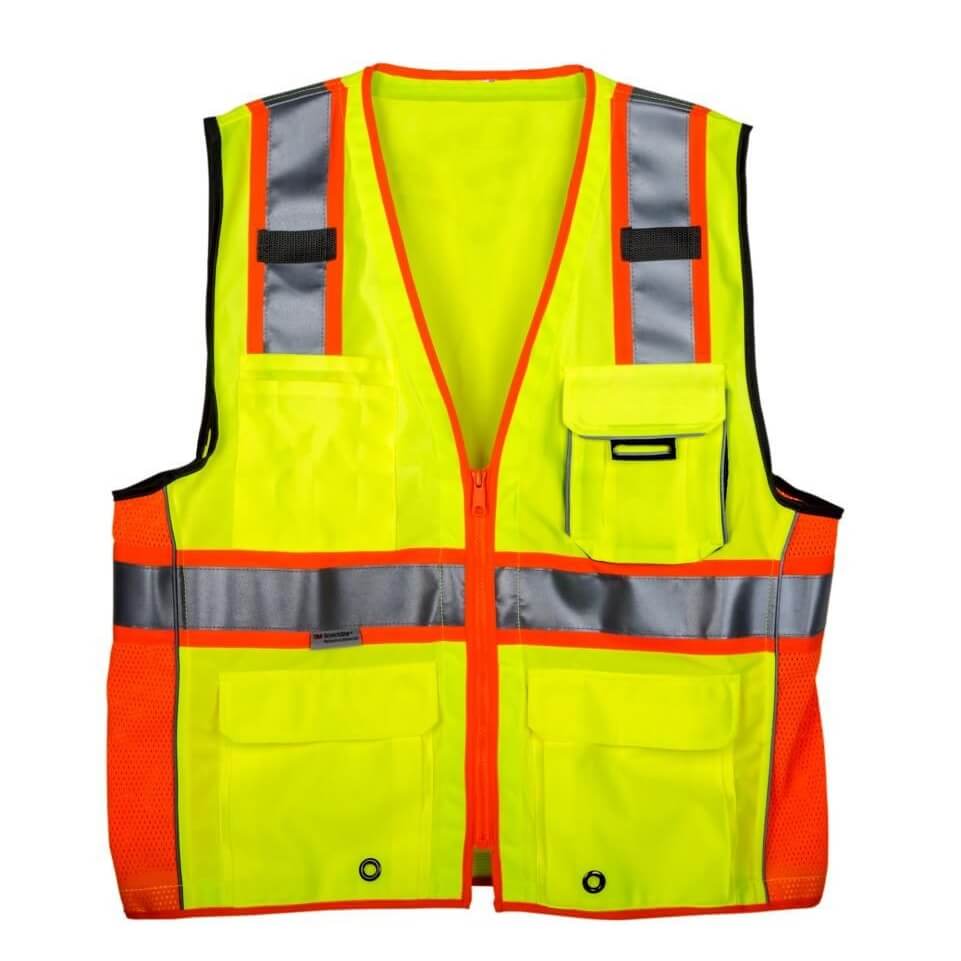
Procurement is simpler when organisations define technical requirements and supplier capabilities in advance. Clarify compliance level, material preferences, and branding limits to streamline specification and ordering.
Get a Custom Hi-Vis Vest Quote from VisonSafety
What Is the Process for Customizing and Ordering Branded Safety Vests?
Customisation usually begins with vest style, base color, and reflective specification, followed by logo placement and artwork approval. Work with suppliers such as VisonSafety to confirm the final product meets applicable standards and branding requirements.
How Does Customization Enhance Brand Identity and Operational Efficiency?
Customising hi‑vis vests standardises PPE, reinforces brand identity, and can simplify supplier management. Branded garments present a cohesive professional image and offer incidental marketing value while preserving safety functions.
Frequently Asked Questions
What are the benefits of using custom hi vis vests in the workplace?
Custom hi‑vis vests boost visibility and create consistent on-site branding. Company logos and colours improve identification and project professionalism. Tailored vests can meet safety standards and include ergonomic features to increase wearer compliance.
How can I ensure the right fit for hi vis vests?
Fit is essential for protection and comfort. Take chest, waist, and length measurements and use supplier size charts. Offer adjustable designs and a range of sizes to accommodate diverse body types and support consistent PPE use.
What are the environmental considerations when choosing hi vis vests?
Consider material sourcing and product longevity. Recycled polyester and sustainable substrates reduce upstream impact. Prioritise durability to limit replacements and review manufacturers’ eco practices to align with sustainability goals while maintaining visibility.
Can hi-vis vests be used in non-work environments?
Yes. Hi‑vis vests are suitable for cycling, running, or walking in low light and for community or volunteer events. Customisation allows personal or organisational identification while retaining safety features.
What maintenance is required for hi vis vests to ensure longevity?
Follow the manufacturer’s care instructions to preserve reflective performance and material integrity. Avoid bleach and fabric softeners, inspect reflective zones regularly, and store vests in a cool, dry place away from direct sunlight.
Are there specific regulations for hi vis vests in different industries?
Regulations vary by industry and jurisdiction. Sectors such as construction and roadwork often reference ANSI and ISO standards that define minimum visibility performance. Consult applicable rules or safety specialists to select suitable vests.
Conclusion
Custom hi‑vis vests can combine safety performance with controlled aesthetic expression, letting organisations meet visibility requirements while reinforcing brand identity. Selecting compliant materials, sensible design, and strategic branding enhances comfort and professional presentation. Investing in certified, well‑constructed vests meets obligations and supports a cohesive team image.
 English
 Deutsch
 Français
 Polski
 Português do Brasil
 Español
 日本語
日本語 Русский
 العربية
 Italiano
 Nederlands
 Türkçe
 한국어
한국어