
High-visibility vests are safety apparel designed to increase worker conspicuity across operational settings. Made from fluorescent fabrics with reflective strips, these garments address visibility gaps in low-light and high-risk conditions. This article covers approved vest colors, their typical applications, and the main standards governing design and compliance.
Approved Colors and Their Applications
Approved vest colors serve safety functions. The primary approved hues are fluorescent yellow-green, fluorescent orange-red, and fluorescent red, each chosen for visibility characteristics suited to specific work environments and tasks.
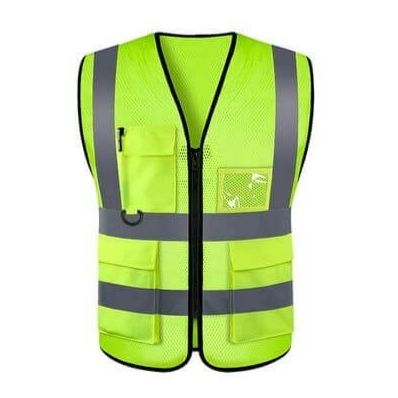
Get a Custom Hi-Vis Vest Quote from VisonSafety
Fluorescent Yellow-Green
Fluorescent yellow-green gives strong daytime conspicuity. It is widely used in construction and logistics where long-range detection and daytime visibility reduce collision and struck-by hazards.
Fluorescent Orange-Red
Fluorescent orange-red contrasts well with natural backgrounds and is preferred for roadside and outdoor worksites, improving detection by vehicle operators and equipment drivers.
Fluorescent Red
Fluorescent red is commonly specified for emergency services where rapid identification of personnel supports timely access and coordination in response scenarios.
Safety Standards
Design and specification of hi-vis vests are governed primarily by ANSI/ISEA 107 and EN ISO 20471, which set required visibility characteristics and performance thresholds to protect workers.
Further research delves into the scientific basis behind these color standards and their impact on visual detectability.
Lifesaving Equipment Color Standards & Visual Detectability
This report consolidates current requirements for lifesaving equipment coloration and summarizes research on color attributes and human visual response that increase detection probability during visual search. It provides a summary of domestic regulations, international conventions, and government and industry standards that specify either prescriptive or performance-based requirements for lifesaving equipment colors. The report also includes a literature review of peer‑reviewed studies on color conspicuity, detectability, and visual search theory.
Lifesaving Equipment Colors; Literature Review, 2023
Lifesaving Equipment Color Standards & Visual Detectability
This report consolidates current requirements for lifesaving equipment coloration and summarizes research on color attributes and human visual response that increase detection probability during visual search. It provides a summary of domestic regulations, international conventions, and government and industry standards that specify either prescriptive or performance-based requirements for lifesaving equipment colors. The report also includes a literature review of peer‑reviewed studies on color conspicuity, detectability, and visual search theory.
Lifesaving Equipment Colors; Literature Review, 2023
Visibility Requirements
Visibility requirements call for fluorescent substrates to boost daytime conspicuity and reflective materials for night-time detectability. Meeting these requirements helps garments perform across lighting conditions and reduces incident risk.
Influence of Color on Use
Color selection affects a vest’s operational effectiveness. Recommendations draw on visual performance data and environmental contrast so organisations can procure vests aligned with task profiles and risk controls.
Non-Compliant Colors
Dark or muted tones reduce conspicuity and do not meet visibility thresholds in applicable standards. Using non-compliant colors undermines worker protection and can create regulatory and liability exposure.
Customization and Compliance
Customization is allowed provided it does not reduce the vest’s fluorescent or reflective areas. Logos and color accents must be sized and placed so certified performance is preserved. VisonSafety specializes in providing customized hi vis vests that meet international standards while supporting corporate identification.
The table summarizes approved vest colors with their primary applications and the referenced standards to help procurement and safety teams select compliant garments.
What Are the Standard Hi Vis Vest Colours and Their Safety Significance?
Standard hi‑vis vest colors are fluorescent yellow‑green, fluorescent orange‑red, and fluorescent red. Each enhances visibility in specific contexts and forms a core part of an organisation’s risk‑management strategy.
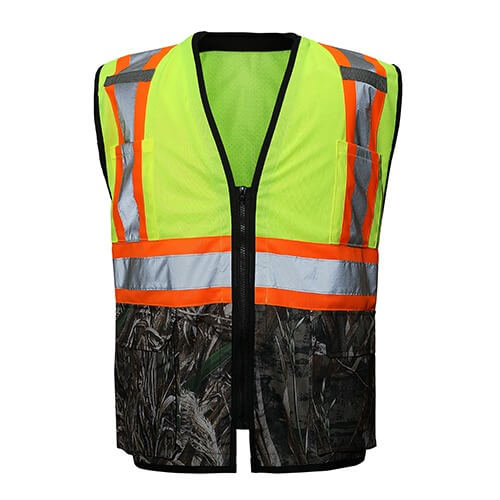
Get a Custom Hi-Vis Vest Quote from VisonSafety
Which Fluorescent Colours Are Commonly Used in Hi Vis Vests?
Commonly used fluorescent colors in hi vis vests include:
Fluorescent Yellow-Green: Highly conspicuous and ideal for construction.
Fluorescent Orange-Red: Effective in outdoor settings, especially for roadside work.
Fluorescent Red: Used primarily in emergency services for quick identification.
These selections reflect their proven visibility performance in the environments for which they are specified.
How Do Colour Choices Enhance Worker Visibility and Safety?
Appropriate fluorescent colors increase detection distance and reaction time for vehicle operators and equipment drivers, lowering accident probability. Compliance with standards further ensures consistent protective performance.
Which International Safety Standards Regulate Hi Vis Vest Colour Codes?
The principal international standards are ANSI/ISEA 107 and EN ISO 20471. They define color specifications, conspicuity characteristics, and compliance criteria for occupational garments.
What Are the Key Requirements of ANSI 107 and EN ISO 20471 for Vest Colours?
ANSI/ISEA 107 and EN ISO 20471 identify approved colors, recommend their applications, and set visibility classifications garments must meet. Conformance is necessary to provide appropriate protection across work scenarios.
How Do Reflective Materials Complement Colour Standards?
Reflective materials return incident light to its source, extending visibility into low-light and night conditions. Together with fluorescent substrates, reflective elements create a multi‑condition solution that improves detection and reduces operational risk.
How Can Hi Vis Vests Be Customized While Maintaining Compliance?
Customization must respect standard constraints: do not cover reflective tape or reduce required fluorescent area. VisonSafety offers tailored hi‑vis options that retain certified performance and meet branding needs.
What Branding and Colour Options Are Available for Custom Hi Vis Vests?
Brands can be applied to fluorescent bases if markings do not cover or diminish reflective areas. Correct placement and sizing preserve compliance and the garment’s protective function.
What Are the Compliance Considerations When Customizing Vest Colours?
Verify that chosen colors meet standard specifications and that branding does not obstruct reflective materials. Procurement should validate customized garments against the relevant standard documentation before deployment.
What Are the Best Practices for Selecting Reflective Vest Colour Options by Industry?
Choose vest colors to match the visual demands of the operating environment and the industry risk profile. Sector‑specific recommendations help align color performance with task requirements and regulatory expectations.
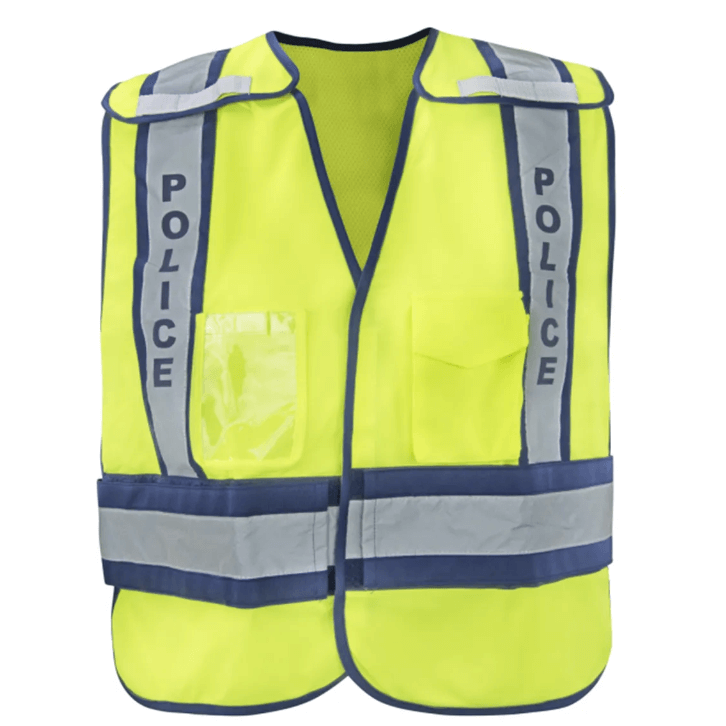
Get a Custom Hi-Vis Vest Quote from VisonSafety
Which Colours Are Recommended for Construction, Roadwork, and Other Sectors?
Recommended colors for various sectors include:
Construction: Fluorescent Yellow-Green for high visibility.
Roadwork: Fluorescent Orange-Red for contrast against natural backgrounds.
Emergency Services: Fluorescent Red for quick identification.
These recommendations support role‑appropriate visibility and compliance with standard guidance.
How Do Colour and Reflectivity Choices Impact Operational Efficiency and Risk Reduction?
Clear color and reflectivity specifications reduce incidents by improving early detection, preserving workforce availability, and reducing operational disruption. Organisations that prioritise these specifications see safety and productivity benefits.
For any inquiries or further assistance, please contact us.
Hi-Vis Vest Colours | FAQs
What factors should be considered when choosing hi vis vest colors for different environments?
Consider the operating environment, ambient lighting, and background contrast. Evaluate likely hazards and the types of vehicles or machinery present, since these factors determine the optimal color choice for detectability.
Are there specific regulations for the use of hi vis vests in different countries?
Yes. Regulations vary by jurisdiction; ANSI/ISEA 107 is authoritative in the United States, while EN ISO 20471 is the primary reference in Europe. Confirm local requirements to ensure compliance.
How do weather conditions affect the visibility of hi vis vests?
Adverse weather—rain, fog, snow—reduces visibility and can lower color contrast. In such conditions, reflective materials become more important. Choose material combinations that maintain performance across expected weather for the operational area.
Can hi vis vests be used in combination with other safety gear?
Yes. Hi‑vis vests should be part of a broader personal protective equipment program with hard hats, gloves, and safety footwear. Ensure other gear does not obscure reflective elements or reduce the vest’s conspicuity.
What are the consequences of using non-compliant hi vis vests?
Non‑compliant vests increase accident risk and may expose organisations to legal liability, regulatory penalties, and reputational harm. They can also undermine employee confidence in safety measures.
How often should hi vis vests be inspected for safety compliance?
Inspect vests regularly to verify color integrity and reflective performance. Monthly checks are a sensible baseline, with more frequent inspections in high‑use or harsh environments. Replace vests that show fading, damage, or loss of reflectivity.
What role does training play in the effective use of hi vis vests?
Training ensures personnel know how to select, wear, maintain, and understand the limitations of hi‑vis garments. Good training reinforces compliance, proper care, and the effectiveness of visibility controls.
Conclusion
Understanding approved colors and applicable standards is essential for procurement teams and safety managers. Choosing the right fluorescent colors and ensuring compliance with ANSI/ISEA 107 and EN ISO 20471 improves worker visibility, reduces incident risk, and supports organisational safety objectives. For tailored, standards‑conforming solutions, review our customised hi‑vis vest options.
 English
 Deutsch
 Français
 Polski
 Português do Brasil
 Español
 日本語
日本語 Русский
 العربية
 Italiano
 Nederlands
 Türkçe
 한국어
한국어