
Heat pressing a safety vest is an essential skill for those looking to enhance visibility and safety in various work environments. This process involves applying reflective tape or heat transfer vinyl to safety vests, ensuring compliance with safety standards while also allowing for customization. In this guide, you will learn about the necessary materials, optimal heat press settings, and the step-by-step process for effectively heat pressing safety vests. Many individuals face challenges in achieving durable adhesion and maintaining the integrity of the reflective materials used. This article will provide solutions to these common issues, covering everything from preparation to post-press care. We will explore the essential equipment, the best practices for application, and the safety standards that govern customized high-visibility apparel.
What Are the Essential Materials and Equipment for Heat Pressing Safety Vests?
To successfully heat press safety vests, specific materials and equipment are required. Understanding these essentials is crucial for achieving high-quality results. The primary components include heat press machines, reflective tapes, and heat transfer vinyls that are compatible with the fabric of the safety vests. Each of these elements plays a vital role in ensuring that the reflective materials adhere properly and maintain their effectiveness over time.
Get a Custom Hi-Vis Vest Quote from VisonSafety
Which Reflective Tapes and Heat Transfer Vinyls Are Compatible with Safety Vests?
When selecting reflective tapes and heat transfer vinyls for safety vests, it is important to choose products that meet safety standards and are designed for durability. Common options include:
Reflective Tapes: These are available in various widths and colors, often featuring high-intensity reflective properties that enhance visibility in low-light conditions.
Heat Transfer Vinyls (HTV): Compatible HTVs are specifically designed for use on polyester fabrics, ensuring that they adhere well and withstand washing and wear.
Choosing the right materials ensures that the safety vest remains compliant with industry regulations while providing the necessary visibility.
Research further emphasizes the critical role of the base fabric and adhesive properties in the overall safety and effectiveness of retro-reflective clothing.
Retro-Reflective Clothing: Fabric & Adhesive for Safety
rely mostly on the strength of the base fabric, properties and flexibility of the adhesive. A systematic review was conducted to understand the use of RR or high-visibility clothing for
A systematic review on retro-reflective clothing for night-time visibility and safety, RK Seidu, 2024
What Heat Press Machines Are Recommended for Hi Vis Clothing Customization?
Selecting the appropriate heat press machine is critical for effective customization of high-visibility clothing. Recommended machines typically feature:
Temperature Control: Accurate temperature settings are essential for proper adhesion of reflective materials.
Pressure Settings: Adjustable pressure ensures that the heat transfer vinyl or reflective tape adheres evenly across the surface of the vest.
Safety Features: Machines with built-in safety features help prevent accidents during operation.
Investing in a quality heat press machine can significantly improve the results of your customization efforts.
What Are the Optimal Heat Press Settings for Polyester Safety Vests?
Get a Custom Hi-Vis Vest Quote from VisonSafety
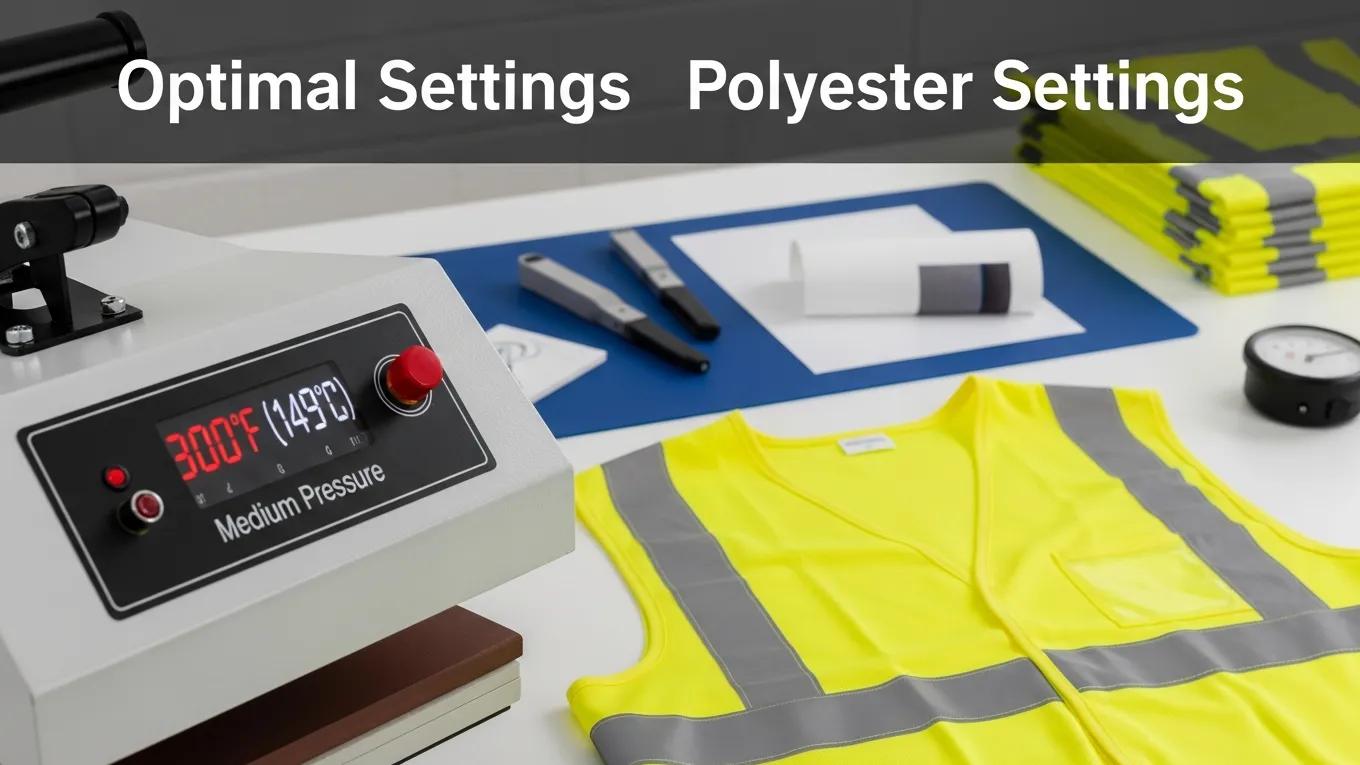
Achieving durable adhesion when heat pressing polyester safety vests requires specific settings. Understanding the optimal temperature, pressure, and time parameters is essential for success.
What Temperature, Pressure, and Time Parameters Ensure Durable Adhesion?
For polyester safety vests, the recommended heat press settings typically include:
Temperature: Set the heat press to approximately 320°F (160°C) for effective adhesion.
Pressure: Apply medium pressure to ensure even contact between the reflective material and the vest.
Time: Press for about 10-15 seconds, allowing the adhesive to bond properly.
These parameters help ensure that the reflective materials remain securely attached, even after multiple washes.
Further research underscores the importance of precise temperature, pressure, and time settings to ensure durable adhesion and prevent damage to the heat transfer vinyl and fabric.
Optimal Heat Transfer Vinyl Application for Durability
The application of heat transfer vinyl onto synthetic materials represents a technology with significant application in the textile industry. Heat transfer vinyl is distinguished by its exceptional durability, abrasion resistance, and color saturation, making it a preferred material for various projects. The versatility of heat transfer vinyl application on both artificial and natural materials is a key advantage of this technology, due to its flexibility in temperature requirements. The selection of the right temperature, pressure, and transfer time is crucial for preserving the quality of the material and ensuring the durability of the vinyl. Too low a temperature may result in insufficient adhesion, leading to poor vinyl attachment. Conversely, excessively high temperatures may cause problems such as whitening or deformation of the fabric.
PS FILM APPLICATION ON ARTIFICIAL FABRICS, M Todorova, 2024
How Do Reflective Material Properties Influence Heat Press Settings?
The properties of reflective materials can significantly impact the heat press settings required for effective application. Factors to consider include:
Material Thickness: Thicker materials may require longer pressing times or higher temperatures to achieve proper adhesion.
Heat Sensitivity: Some reflective materials may be sensitive to high temperatures, necessitating lower settings to prevent damage.
Adhesion Characteristics: Understanding how different materials bond can help in adjusting the heat press settings for optimal results.
By tailoring the heat press settings to the specific reflective materials used, you can enhance the durability and effectiveness of the safety vests.
What Is the Step-by-Step Process to Apply Reflective Tape on Safety Vests Using Heat Press?
Applying reflective tape to safety vests using a heat press involves a systematic approach to ensure quality results. Following a clear process can help avoid common mistakes and ensure compliance with safety standards.
How Should Safety Vests Be Prepared Before Heat Pressing?
Preparation is key to successful heat pressing. Steps to prepare safety vests include:
Cleaning: Ensure the vest is clean and free of any dirt or oils that could interfere with adhesion.
Positioning: Lay the vest flat and position the reflective tape or vinyl accurately to avoid misalignment.
Safety Checks: Verify that the heat press machine is set up correctly and that all safety precautions are in place.
Proper preparation sets the stage for a successful heat pressing process.
What Are the Detailed Application Steps for Heat Pressing Reflective Tape?
The application process for heat pressing reflective tape involves several key steps:
Preheat the Heat Press: Set the machine to the recommended temperature and allow it to preheat.
Place the Vest: Position the safety vest on the heat press, ensuring it is flat and wrinkle-free.
Apply the Reflective Tape: Place the reflective tape on the desired area of the vest.
Press: Close the heat press and apply the recommended pressure for the specified time.
Cool Down: Allow the vest to cool before removing it from the press to ensure the adhesive sets properly.
Following these steps will help achieve a professional finish on the safety vests.
How to Maintain and Ensure Longevity of Heat Pressed Safety Apparel?
Maintaining heat pressed safety apparel is essential for ensuring its longevity and effectiveness. Proper care practices can significantly extend the life of the reflective materials used.
What Post-Press Care Practices Enhance Reflective Tape Durability?
Get a Custom Hi-Vis Vest Quote from VisonSafety
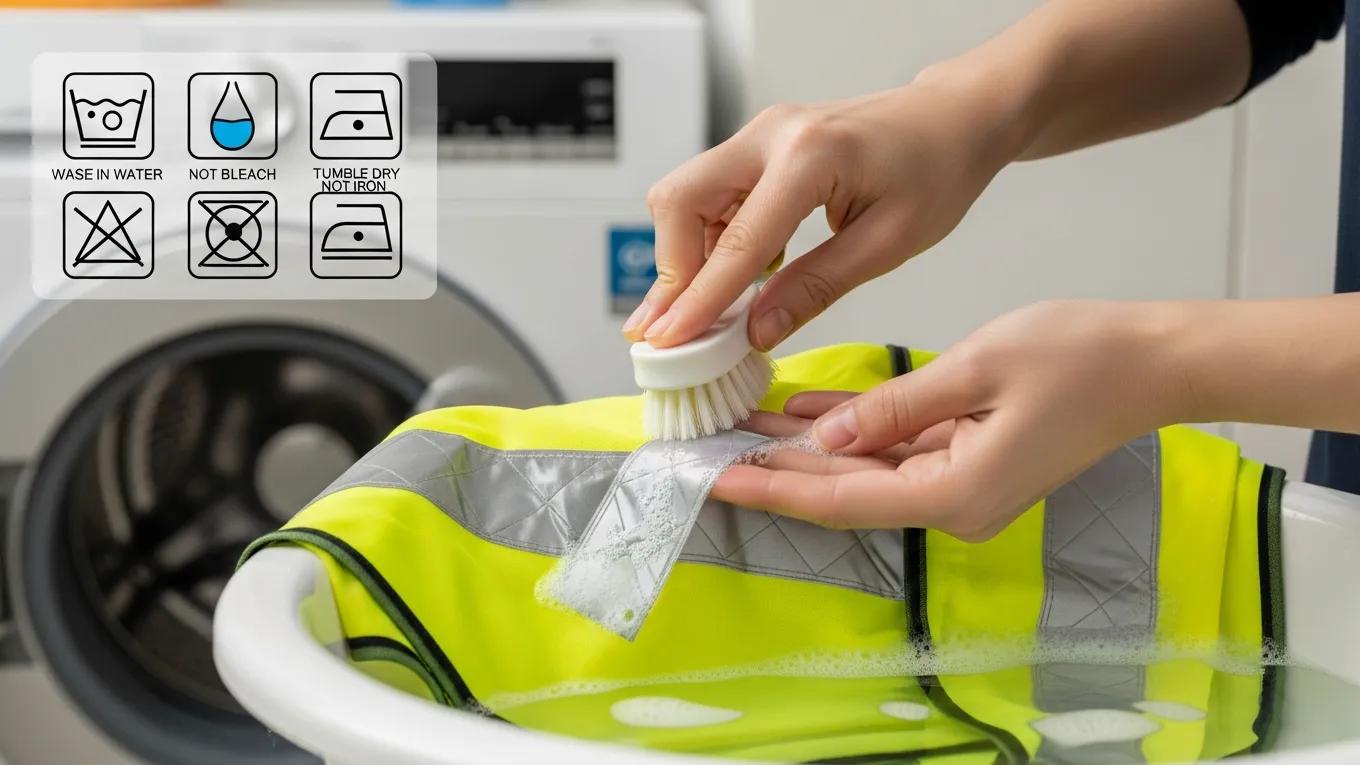
After heat pressing, it is important to follow specific care practices to maintain the integrity of the reflective tape:
Washing: Use cold water and a gentle cycle to prevent damage to the reflective materials.
Drying: Air drying is recommended to avoid high heat from dryers that can weaken the adhesive.
Storage: Store the vests in a cool, dry place away from direct sunlight to prevent fading and deterioration.
Implementing these care practices will help ensure that the reflective tape remains effective over time.
How to Inspect and Verify Compliance with Safety Standards After Customization?
Regular inspection of heat pressed safety apparel is crucial for compliance with safety standards. Steps to verify compliance include:
Visual Inspection: Check for any signs of peeling or damage to the reflective materials.
Adhesion Test: Gently tug on the reflective tape to ensure it is securely adhered to the vest.
Documentation: Keep records of compliance checks and any maintenance performed on the safety vests.
By conducting regular inspections, you can ensure that the safety apparel remains compliant with industry regulations.
What Are the Safety Standards and Compliance Requirements for Customized Hi Vis Vests?
Understanding the safety standards that govern customized high-visibility vests is essential for ensuring compliance and safety in the workplace. Various regulations dictate the requirements for reflective materials and overall vest design.
Which Industry Standards Govern Reflective Safety Vest Customization?
Key industry standards for reflective safety vest customization include:
ANSI/ISEA 107: This standard outlines the performance requirements for high-visibility safety apparel, including reflective materials and design specifications.
EN ISO 20471: This European standard specifies the requirements for high-visibility clothing, ensuring that garments provide adequate visibility in various conditions.
Material Requirements: Compliance with specific material standards is necessary to ensure that the reflective properties meet safety regulations.
Adhering to these standards is crucial for maintaining safety in industrial and commercial environments.
How Does Heat Pressing Affect Compliance and Certification?
The heat pressing process can impact compliance and certification of safety vests. Factors to consider include:
Adhesion Quality: Poor adhesion can lead to non-compliance with safety standards, as reflective materials must remain securely attached.
Material Integrity: Excessive heat or pressure during the pressing process can damage the reflective materials, affecting their performance.
Documentation: Keeping records of the heat pressing process and materials used is essential for compliance verification.
Understanding these factors can help ensure that customized safety vests meet all necessary compliance requirements.
What Are Common FAQs About Heat Pressing Reflective Tape on Safety Vests?
As individuals explore heat pressing reflective tape on safety vests, several common questions arise regarding the process and best practices.
Get a Custom Hi-Vis Vest Quote from VisonSafety
What Is the Best Temperature for Heat Pressing Reflective Tape?
The best temperature for heat pressing reflective tape is typically around 320°F (160°C). This temperature ensures that the adhesive bonds effectively without damaging the reflective material. It is important to follow the manufacturer’s recommendations for specific products, as some materials may have different optimal temperatures.
Is Heat Pressing Safe for Polyester Safety Vests?
Yes, heat pressing is safe for polyester safety vests when done correctly. It is essential to use the appropriate temperature and pressure settings to avoid damaging the fabric. Additionally, using high-quality reflective materials designed for heat application will help ensure safety and durability.
How Long Should Reflective Vinyl Be Pressed?
Reflective vinyl should generally be pressed for about 10-15 seconds to ensure proper adhesion. It is important to allow the vest to cool before handling it to ensure that the adhesive sets correctly. Following the manufacturer’s guidelines for specific products will yield the best results.
 English
 Deutsch
 Français
 Polski
 Português do Brasil
 Español
 日本語
日本語 Русский
 العربية
 Italiano
 Nederlands
 Türkçe
 한국어
한국어