
Flame-resistant (FR) safety vests are a key control where workers face fire or thermal hazards. This guide explains when FR vests are needed, the standards that govern specification and use, relevant OSHA and NFPA expectations, and the compliance tasks employers must follow. It also covers customization and visibility considerations so organisations can choose compliant protective garments.
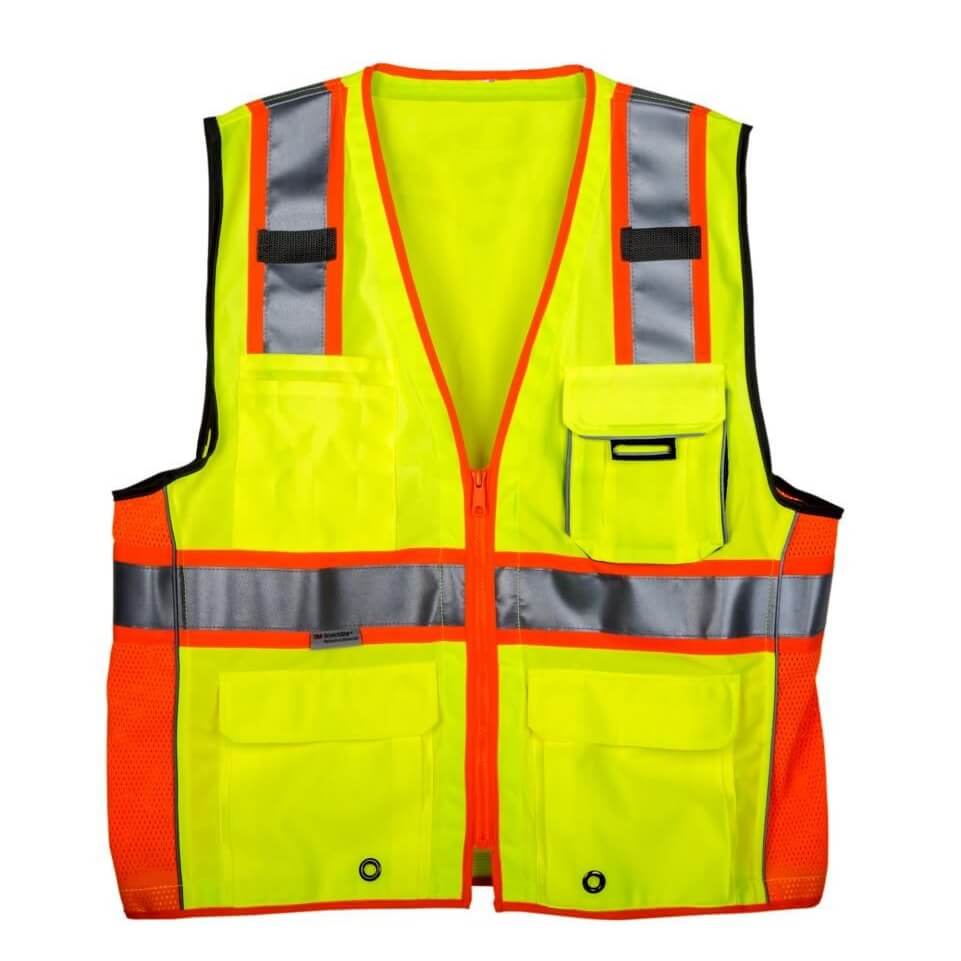
Get a Custom Hi-Vis Vest Quote from VisonSafety
OSHA Requirements
The Occupational Safety and Health Administration (OSHA) requires employers to assess hazards and apply controls proportionate to risk. That assessment determines whether FR clothing, including vests, is needed for particular tasks or locations.
General Duty Clause
The General Duty Clause obliges employers to provide a workplace free from recognized hazards likely to cause death or serious harm. Evaluating fire-related exposures and supplying appropriate PPE, such as FR vests, is part of meeting that duty.
Hazard Assessments
Employers must document hazard assessments that identify fire and thermal exposure risks. Assessments specify the level of FR protection, garment features, and any administrative controls required for compliance.
NFPA Standards
The National Fire Protection Association (NFPA) issues standards that set performance and test criteria for flame-resistant apparel. Following relevant NFPA standards helps ensure garments perform under defined thermal exposures.
NFPA 2112
NFPA 2112 defines performance requirements and tests for flash-fire protective garments. Compliance confirms materials and construction meet required thermal-performance levels.
NFPA 70E
NFPA 70E covers electrical safety and the selection of FR clothing for arc-flash protection, with guidance on work practices that reduce electrical incident risk.
Industry Mandates
Some sectors have prescriptive requirements or common practice for FR clothing based on hazard profiles. Knowing sector rules supports procurement and safer operations.
Oil and Gas
The oil and gas sector often involves flammable liquids and vapours with a high flash-fire potential. Employers in this sector commonly include FR vests in PPE ensembles to reduce burn risk.
Electrical Utilities
Electrical utility workers face arc-flash and related thermal hazards. FR garments, including vests where appropriate, help reduce burn severity and meet electrical safety expectations.
Manufacturing
Manufacturing environments can contain ignition sources and combustible materials. When assessments identify thermal hazards, FR vests are used to provide required protection and compliance.
Compliance Criteria
Compliance for FR safety vests includes certification to applicable standards, regular inspections, and prescribed maintenance to preserve protective performance.
Certification
FR vests should be certified to applicable standards (for example NFPA 2112 or ASTM F1506) to show materials and finished garments passed standardized flame-resistance tests.
Regular Inspections
Implement routine inspections to confirm FR clothing remains serviceable. Inspections should identify wear, contamination, or damage that could reduce protection and prompt repair or replacement.
Maintenance
Follow manufacturer maintenance guidance to preserve FR properties. Cleaning, storage, and repair methods must not degrade fabric integrity or certification.
When Are Flame Resistant Safety Vests Required in the Workplace?
FR safety vests are required when hazard assessments show exposure to flash fire, arc flash, or equivalent thermal threats. The decision depends on task analysis, environment, and applicable regulations or industry standards.
OSHA Regulations : OSHA requires FR clothing where employees face significant fire-related hazards.
NFPA 2112 Compliance : Environments with flash-fire risks require compliance with NFPA 2112.
Industry-Specific Scenarios : Sectors such as oil and gas or electrical utilities often mandate FR vests based on assessed risks.
For organisations seeking enhanced protective programmes, customised flame-resistant safety clothing solutions are available. VisonSafety supplies high-visibility FR vests engineered to meet international standards, supporting worker protection and corporate identification.
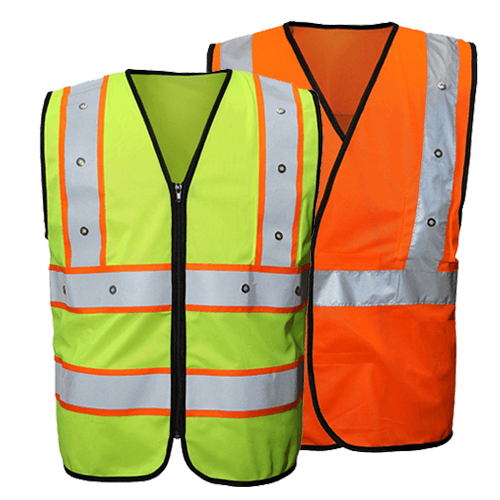
Get a Custom Hi-Vis Vest Quote from VisonSafety
Which Industries Mandate FR Safety Vests for Worker Protection?
Sectors that routinely specify FR safety vests include oil and gas, electrical utilities, and certain manufacturing settings where thermal hazards are present. Recognising these sectoral needs aids procurement and compliance planning.
Oil and Gas : Workers are often exposed to flammable materials, necessitating FR vests.
Electrical Utilities : Electrical arcs create conditions where FR clothing is essential.
Manufacturing : Facilities with ignition sources may require flame-resistant vests where hazards are identified.
What OSHA and NFPA Regulations Govern FR Vest Usage?
OSHA and NFPA together define employer obligations and garment performance requirements for FR vest use. Compliance means matching hazard-assessment outcomes to the selection and use criteria in these authorities.
OSHA Regulations : OSHA requires employers to provide safe work environments, including FR clothing where necessary.
NFPA Regulations : NFPA standards, such as NFPA 2112 and NFPA 70E, set requirements for flame-resistant clothing in specific industries.
What Are the Key Standards and Compliance Criteria for FR Safety Vests?
Key standards set minimum performance metrics, test methods, and certification paths so FR vests deliver predictable thermal protection under defined exposures.
NFPA 2112 : Outlines performance requirements for flash-fire protective garments.
EN ISO 11612 : Specifies performance for protective clothing against heat and flame.
ASTM/UL Standards : Provide testing and certification guidance for flame-resistant clothing.
How Do ANSI/ISEA 107 and NFPA 70E Define FR Vest Specifications?
ANSI/ISEA 107 sets high-visibility criteria while NFPA 70E covers electrical safety and FR selection. Together they inform visibility, material performance, and configuration choices for FR vests used in electrical or high-traffic settings.
Testing Methods : Both standards specify testing to evaluate FR performance.
Compliance Requirements : Meeting these standards is essential for manufacturers and employers to protect workers.
What Testing and Certification Processes Ensure FR Vest Reliability?
Reliable FR vests undergo laboratory testing for ignition resistance, thermal performance, and seam integrity, with documented test reports and certificates that verify compliance for purchasers and auditors.
Testing Methods : Vests are tested to confirm protective properties.
Certification Requirements : Certification demonstrates adherence to safety standards.
How Do Flame Resistant Vests Compare to Non-FR High Visibility Safety Vests?
FR vests provide certified thermal protection and are constructed from FR fibres or treated fabrics with certified seams; non-FR high-visibility vests prioritise conspicuity and do not offer certified thermal protection. Use the hazard assessment to select the correct type.
Performance Characteristics : FR vests resist ignition and limit heat transfer; non-FR vests do not.
Safety Standards : FR vests must meet standards such as NFPA 2112; non-FR vests generally do not.
What Are the Material and Functional Differences Between FR and Non-FR Vests?
FR vests use inherently flame-resistant fibres or certified treated fabrics and seam constructions; non-FR vests typically use standard synthetic or woven fabrics without thermal protection. These choices determine protective performance and suitable use cases.
Materials Used : FR fabrics are selected for thermal protection; non-FR materials are selected for cost and visibility.
Protection Offered : FR vests protect against flash fires and arc-related hazards; non-FR vests do not.
How Do FR Vests Enhance Safety and Operational Efficiency?
FR vests reduce ignition and heat transfer, lowering injury severity in thermal incidents. They also support business continuity, reduce incident costs, and show due diligence in safety management.
Ignition Resistance : FR vests are designed to resist ignition and limit flame spread.
Heat Transfer Limitation : These vests reduce heat transfer to the wearer in a thermal event.
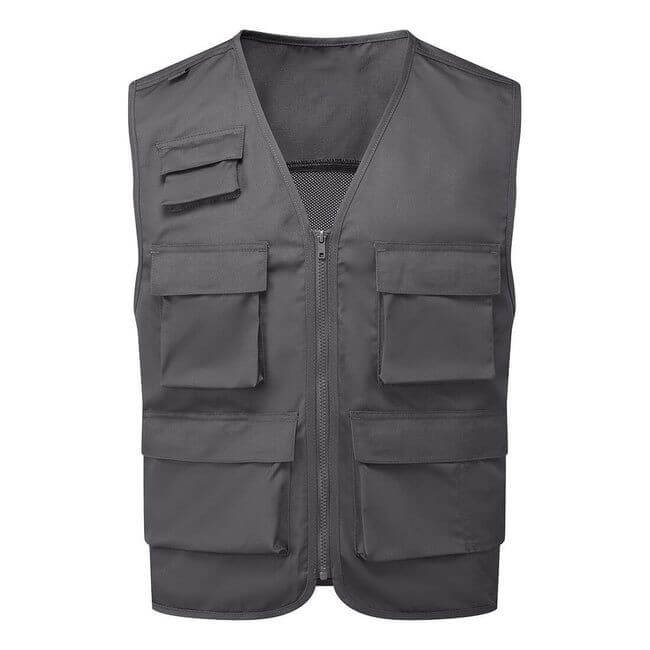
Get a Custom FR Vest Quote from VisonSafety
What Customization Options Are Available for Flame Resistant Safety Vests?
Custom options include certified FR fabric choices, colours that meet visibility needs, and reflective placements. All custom features must be validated to ensure certification is not compromised.
Fabric Choices : Select certified FR fabrics to meet protection and comfort needs.
Colors and Styles : Colour and style can align with branding while maintaining safety.
How Can Businesses Incorporate Branding While Maintaining FR Compliance?
Logos and corporate colours are allowed if printing, embroidery, or appliqué methods are validated by the manufacturer to preserve FR certification. Always confirm that custom processes are documented and do not degrade protection.
Logos and Colors : Apply branding only with manufacturer-approved methods.
Compliance with Standards : Validation is required to ensure branding does not compromise FR properties.
What Reflective and Material Features Optimize Visibility and Protection?
High-contrast FR fabrics combined with retroreflective tape specified to visibility standards optimise both visibility and protection. Document material and tape placement to satisfy visibility and FR performance criteria.
Reflective Tape : Reflective tape improves detectability in low light.
Compliance with Visibility Standards : Ensure vests meet relevant visibility specifications for the work environment.
For organisations seeking to ensure worker safety and compliance, exploring high visibility safety vestsis essential. These vests are designed to meet international standards, providing both safety and brand visibility.
If further assistance is required in selecting appropriate safety apparel, please contact us. Our technical team can support specification, compliance verification, and procurement decisions.
Frequently Asked Questions
What are the benefits of using flame-resistant safety vests?
FR safety vests resist ignition and limit heat transfer, reducing burn severity in thermal incidents. They also support regulatory compliance, minimise liability, and contribute to operational resilience. Certified garments reduce incident-related costs and demonstrate a commitment to worker safety.
How should flame-resistant safety vests be maintained?
Follow manufacturer instructions to preserve certified performance: use mild detergents, avoid bleach and fabric softeners, control washing temperatures, and dry as recommended. Record periodic inspections and remove compromised garments from service.
Are there specific training requirements for workers using FR vests?
Yes. Training should cover correct use, limitations, inspection, care, and procedures for reporting and removing damaged garments. Training helps meet OSHA and NFPA expectations.
Can flame-resistant safety vests be customized for branding?
Customisation is possible if methods preserve FR performance. Logos, colours, and features must be applied using validated processes. Work with manufacturers who document compliance for custom processes.
What are the differences between FR vests and regular high-visibility vests?
FR vests provide certified thermal protection and use FR materials and assemblies. Regular high-visibility vests prioritise conspicuity and typically lack thermal protection. Choose based on hazard assessment and standards.
What should employers consider when selecting FR safety vests?
Base selection on documented hazard assessments, required standards (for example NFPA 2112, ASTM F1506), fit and comfort, visibility needs, and supplier certification. Include inspection, maintenance, and training in the implementation plan.
Conclusion
Flame-resistant safety vests are an essential control where flash fire, arc flash, or other thermal hazards exist. Compliance with OSHA and NFPA standards, combined with certification, inspection, maintenance, and worker training, provides effective protection and reduces organisational risk. Investing in certified FR vests supports workforce safety, regulatory adherence, and validated customisation options.
 English
 Deutsch
 Français
 Polski
 Português do Brasil
 Español
 日本語
 Русский
 العربية
 Italiano
 Nederlands
 Türkçe
 한국어