
High-visibility (hi vis) vests are fundamental to officer safety and regulatory compliance. Designed to increase conspicuity in low light and high-traffic situations, they reduce collision risk and support safer operations. This article summarizes the legal framework, the technical features that determine visibility performance, and practical customization options that preserve compliance while meeting agency needs.
Understanding applicable laws and standards is essential to protecting personnel and minimising liability. Below we review relevant guidance, the functional attributes that confer compliance, and common specification choices for hi-vis vests used in law enforcement.
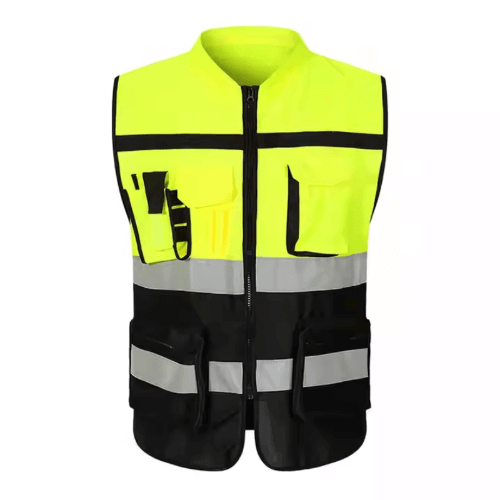
Get a Custom Hi-Vis Vest Quote from VisonSafety
What Are the Legal Requirements for Police Hi Vis Vests?
Legal requirements come from federal guidance, state traffic codes, and industry standards that set minimum visibility and performance criteria. Agencies should align policy and training with these instruments to protect officers and reduce exposure to liability.
Which Laws and Regulations Mandate Hi Vis Vest Use for Law Enforcement?
Many jurisdictions impose statutory or regulatory obligations for high-visibility apparel during traffic-related duties. State traffic statutes and federal guidance prioritise visibility for officers working at roadsides. Agencies should reference regulatory bodies such as and the when drafting policy and training materials to avoid operational and legal risk.
How Do ANSI and ISO Standards Apply to Police Safety Vests?
ANSI and ISO standards provide measurable requirements for fluorescent area, retroreflective material, contrast, and tape placement. Standards such as ANSI/ISEA 107 and EN ISO 20471 define performance classes; meeting them helps ensure predictable visibility to motorists and supports organisational accountability.
What Are the Key Features and Standards of Police Hi-Vis Vests?
Police hi vis vests are specified to balance visibility, durability, and ergonomic needs. Key decisions include fabric class, reflective system, tape placement, and construction quality — all driven by intended use and applicable performance thresholds.
What Material and Reflective Properties Ensure Compliance with Hi Vis Standards?
Compliant vests combine fluorescent base fabrics for daytime conspicuity with certified retroreflective tape for low-light return of light to the source. Selecting the correct material classes and reflective grades is necessary to meet ANSI/ISO criteria and provide consistent field performance.
How Do Hi Vis Vests Enhance Police Officer Visibility and Safety?
Hi vis vests increase officer detection distance in traffic and emergency settings. High-contrast colours and strategically placed reflective elements improve driver recognition, lowering the incidence of vehicle strikes. Research links visible apparel with reduced severe incidents among law enforcement personnel.
Preventing Police Fatalities with High-Visibility Safety Apparel
Traffic-related fatalities represent a primary workplace hazard within law enforcement. Between 2002 and 2011, traffic incidents accounted for approximately 44% of all fatalities in the law enforcement occupational field. A significant portion of officer deaths resulted from being struck by vehicles; many of these incidents could have been prevented through the use of High-Visibility Safety Apparel (HVSA). Efforts to improve compliance with traffic-protective behaviours are impeded by workplace misperceptions. Relatively few studies have systematically examined HVSA wearing behaviours in relation to social and psychological factors, and it remains unclear whether reported behaviours are subjective or objectively measured. Rigorous assessment of officers’ attitudes and safety behaviours is imperative to reduce traffic-related fatalities and to improve occupational health and safety in the law enforcement community.
Personal Protective Clothing: Law Enforcement Officers’ Attitudes and Safety Behavior Assessments Toward High-Visibility Safety Apparel, 2013
How Can Police Departments Customize Hi Vis Vests to Meet Operational Needs?
Customisation lets agencies add insignia, identification, and functional features while preserving the fluorescent area and reflective geometry required for compliance. A formal specification process reduces the risk that branding or pockets will degrade visibility.
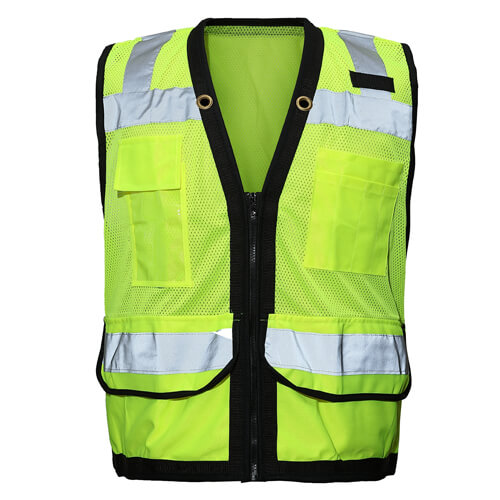
Get a Custom Hi-Vis Vest Quote from VisonSafety
What Customization Options Are Available for Branding and Compliance?
Departments commonly specify department insignia, officer ID, pockets, approved colour palettes, and sizing ranges. Designs should retain required fluorescent area and reflective placement; accessory configurations must avoid obscuring retroreflective tape.
How Does Customization Impact Vest Functionality and Officer Identification?
Controlled customization prevents interference with reflective geometry or fluorescent area. Agencies should validate design changes against standards and field-test prototypes to confirm that added identification or features do not reduce conspicuity or operational functionality.
When and Why Should Police Officers Wear Hi Vis Vests?
Hi vis vests are essential when officers interact with traffic or operate in limited-visibility conditions, such as traffic control, roadside responses, and mass-incident management. Agencies should codify deployment decisions in policy aligned with legal and standard requirements.
In Which Situations Are Hi-Vis Vests Recommended or Required for Law Enforcement?
Vests are recommended for traffic stops, crowd management, and emergency responses. Many jurisdictions or departmental policies require them for specified operations, especially at night or in low-visibility conditions. Consistent use protects personnel and improves public situational awareness.
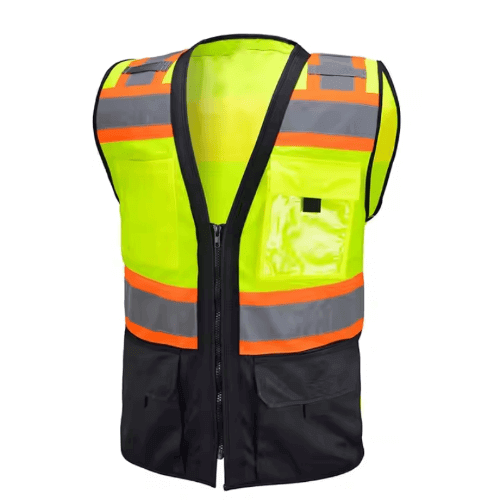
Get a Custom Hi-Vis Vest Quote from VisonSafety
What Are the Benefits of Hi Vis Vests for Police Traffic and Night Duty?
Wearing hi vis vests during traffic and night duty improves driver detection, reduces vehicle-related accidents involving officers, and reinforces professional presence—yielding risk reduction, lower liability exposure, and improved public confidence.
Integrating fluorescent substrates, certified retroreflective systems, and controlled customisation ensures police hi-vis vests meet safety standards while delivering the visibility required for effective operations.
For technical guidance or procurement assistance, please contact usor support.
Frequently Asked Questions
What are the consequences of not wearing hi vis vests for police officers?
Not using mandated high-visibility apparel increases the chance of accidents and injury during roadside work and can expose departments to administrative penalties, civil claims, and reputational damage. Providing and enforcing visibility PPE is a material risk control.
Are there specific training requirements for police officers regarding hi vis vest usage?
Yes. Effective programmes pair policy with practical training on when and how to don vests, the rationale for visibility measures, and compliance obligations. Training familiarises officers with vest features and reinforces correct use in relevant scenarios.
How do weather conditions affect the effectiveness of hi vis vests?
Rain, fog, and low ambient light reduce baseline visibility and increase reliance on retroreflective performance. Agencies should specify reflective materials and water-resistant constructions that preserve visibility characteristics in adverse conditions.
Can civilians wear police hi vis vests for safety purposes?
Civilians may wear high-visibility apparel for safety, but police-branded vests can create confusion about authority and raise legal or ethical issues. Civilians should choose non-branded hi vis garments that do not resemble uniforms.
What are the maintenance requirements for police hi vis vests?
Maintenance preserves performance and compliance. Follow manufacturer care instructions for laundering and drying, inspect regularly for contamination, abrasion, or tape delamination, and replace garments that no longer meet visibility or integrity criteria.
How do hi vis vests compare to other safety gear used by police officers?
Hi vis vests serve a distinct role within an integrated PPE ensemble. While body armour addresses ballistic threats, hi vis apparel enhances detection by motorists and other responders. Both are complementary and should be specified and used together for comprehensive protection.
Conclusion
High-visibility vests are a cost-effective, standards-based control that materially improves officer safety and regulatory compliance. By increasing conspicuity in critical scenarios, these garments reduce incident exposure and support public confidence. Agencies that adopt standard-compliant specifications and formal policies will strengthen operational resilience and reduce risk.
 English
 Deutsch
 Français
 Polski
 Português do Brasil
 Español
 日本語
日本語 Русский
 العربية
 Italiano
 Nederlands
 Türkçe
 한국어
한국어