
High-visibility safety vests are routinely used by civil engineers on construction sites where conspicuity is critical. This article explains when vests are needed, the standards that govern selection and use, the technical features that drive effectiveness, and procurement and customization considerations to help organisations meet regulatory obligations.
What Are the PPE Requirements for Civil Engineers on Construction Sites?
Personal protective equipment (PPE) is a primary control for civil engineers working where hazards exist. High-visibility vests increase conspicuity to operators and other personnel and are commonly required by employers as part of risk management and regulatory compliance.
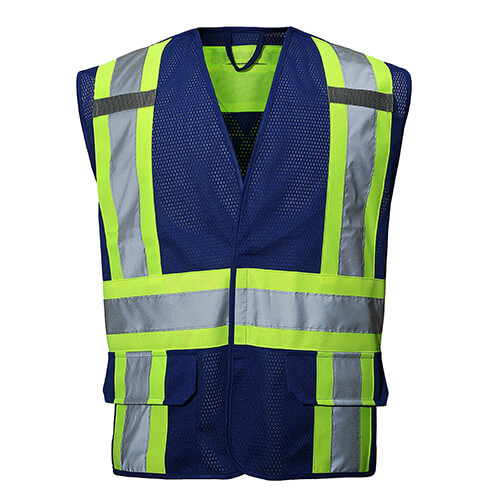
Get a Custom Hi-Vis Vest Quote from VisonSafety
The table lists common PPE and referenced standards. VisonSafety supplies high-visibility apparel, including vests that meet recognised criteria for civil engineering personnel.
Which Safety Standards Govern Civil Engineer PPE Compliance?
Industry standards validate PPE performance. In the United States, ANSI and ISEA publish specifications for high-visibility apparel; ANSI/ISEA 107 sets design and performance requirements for vests. Following those standards reduces visibility-related risk and helps meet contractual and legal obligations.
Are Safety Vests Mandatory for Civil Engineers According to OSHA and ANSI?
Yes. OSHA requires appropriate conspicuity measures in higher-risk work environments, while ANSI defines vest classes and performance criteria. Employers are responsible for providing and maintaining standards-compliant vests based on site conditions.
How Do ANSI Safety Vest Standards Ensure Visibility and Protection?
ANSI classifies high-visibility garments by background material area and retroreflective performance. Class 2 is suited to moderate traffic or predictable intrusions; Class 3 is for high-speed traffic or visually complex backgrounds. Required retroreflective materials and their placement increase detectability in low light.
What Are the Key Features of ANSI 107 Compliant Safety Vests?
ANSI/ISEA 107-compliant vests meet defined design and material thresholds. Key elements include:
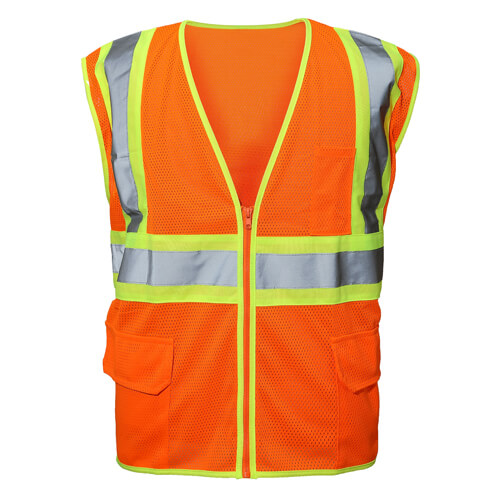
- High Visibility Colors : Fluorescent yellow or orange backgrounds maximise daytime conspicuity.
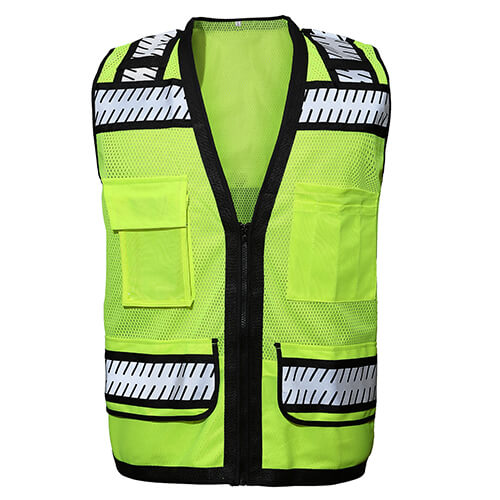
- Reflective Strips : Strategically placed retroreflective tape improves detectability in low light.
- Durable Materials : Long-wearing substrates preserve performance through use and laundering.
These features together maintain wearer conspicuity across typical construction conditions.
How Do Reflective Safety Clothing Materials Enhance Construction Site Safety?
Retroreflective materials return light toward its source to improve visibility at dusk, night, or in poor weather. High-quality substrates retain reflectivity through repeated laundering and environmental exposure, preserving long-term effectiveness and compliance.
Get a Custom Hi-Vis Vest Quote from VisonSafety
What Customization Options Are Available for Civil Engineer Safety Vests?
Manufacturers offer customization to meet operational and branding needs, including:
- Color Choices : Company colours can be used while maintaining required visibility.
- Reflective Materials : Different reflective types can be selected to suit site lighting and tasks.
- Branding Options : Logos and text support identification and a professional site appearance.
Appropriate customization balances visibility with corporate identification and role clarity on site.
How Can Branding and Logo Integration Improve Site Visibility and Professionalism?
Adding logos and identification to vests improves site recognition and projects a consistent corporate image. Branded garments aid client recognition and can reinforce a safety-focused culture among workers.
Which Material Types and Construction Methods Optimize Durability and Comfort?
Substrate choice and construction determine durability and wearability. Common materials include:
- Polyester : Lightweight, breathable and comfortable for long shifts.
- Nylon : Strong and abrasion-resistant for rugged use.
- Cotton Blends : Comfortable with moderate durability.
Reinforced stitching, bar-tack points, and industrial closures extend garment life and serviceability on demanding projects.
Where Can Businesses Source Compliant High Visibility Safety Vests for Civil Engineers?
Businesses can source compliant vests from specialist safety apparel suppliers such as VisonSafety , which offers products meeting ANSI and OSHA criteria. Verify certification documents and test data when procuring.
What Are the Benefits of Ordering Custom Safety Vests from Specialized Manufacturers?
Ordering custom vests from specialised manufacturers provides clear advantages:
- Compliance Assurance : Manufacturers can confirm products meet required standards.
- Tailored Fit : Better fit improves comfort and consistent use.
- Brand Visibility : Customisation enhances recognition and professionalism on site.
These benefits support regulatory compliance and can improve operational efficiency and site appearance.
Research highlights the importance of correct fit across a diverse construction workforce.
High-Visibility Safety Vest Fit in Construction
As the construction industry transitions to reflect a more diverse population, it is essential that personal protective equipment (PPE) accommodates this shift in demographics. In particular, the “One size fits all” approach is no longer an appropriate metric of fit for the safety vest. Previous student research reflected an overwhelming consensus that construction workers do not have vests which appropriately fit them.
Safely Covered or Dangerously Exposed: Analyzing the Safety Vest Code of Compliance, 2015
How Do Wholesale Solutions Support Operational Efficiency and Cost Savings?
Bulk procurement reduces per-unit cost and keeps a consistent inventory of compliant PPE, lowering the chance of gaps in protection. Wholesale purchasing streamlines logistics and supports large projects by simplifying replenishment and administration.
For further information or to contact us , please visit our contact page.
Get a Custom Hi-Vis Vest Quote from VisonSafety
Do Civil Engineers Wear Safety Vests | FAQs
What are the consequences of not wearing high-visibility safety vests on construction sites?
Not wearing a high-visibility vest increases the risk of being struck by vehicles or equipment and can lead to more severe injuries. Employers may face regulatory penalties and liability for non-compliance. Using appropriate conspicuity gear helps reduce these risks.
How often should high visibility safety vests be replaced?
Inspect vests regularly and replace them when colours fade, fabric is damaged, or reflective performance degrades. Replacement frequency depends on use, environment and material quality; follow inspection and maintenance protocols.
Can high visibility safety vests be used in non-construction environments?
Yes. Vests are suitable wherever conspicuity is needed, such as roadwork, events, and emergency response. Choose garments that meet the standards relevant to the specific context.
What should I look for when purchasing high visibility safety vests?
Specify ANSI/ISEA 107 performance, check background colour, retroreflective area and placement, substrate durability, and fit. Consider custom identification and select reflective materials suited to expected lighting and task conditions.
Are there specific regulations for high visibility safety vests in different countries?
Yes. Requirements vary by jurisdiction. In the U.S., ANSI/ISEA 107 defines performance and OSHA enforces compliance. Other regions use different standards, such as the European EN 471. Review local rules when procuring internationally.
How can I ensure my team is compliant with safety vest regulations?
Implement a compliance programme with training on correct use, scheduled inspections, and prompt replacement of non-conforming garments. Keep an inventory of certified vests, report equipment issues, and conduct periodic audits to maintain adherence to standards.
Conclusion
High-visibility safety vests are a practical and regulatory necessity for many civil engineering tasks. Understanding standards, selecting appropriate materials and fit, and sourcing certified garments help protect personnel and promote a safety-first culture. Invest in compliant, well-fitting vests to safeguard workers and present a professional on-site image.
 English
 Deutsch
 Français
 Polski
 Português do Brasil
 Español
 日本語
日本語 Русский
 العربية
 Italiano
 Nederlands
 Türkçe
 한국어
한국어