
Flame‑resistant (FR) clothing is purpose‑built workwear that slows ignition and limits burn severity by self‑extinguishing or insulating the wearer from heat transfer. This guide lays out what makes FR clothing effective for industrial settings: the certifications that set minimum performance, the fabrics that balance protection and comfort, and the manufacturer capabilities procurement teams should require when sourcing wholesale FR garments. Safety and purchasing teams often juggle regulatory compliance, cost control, wearer comfort, and supply‑chain stability; selecting the right materials, certifications, and manufacturing partner resolves those competing priorities. Below we compare key safety standards, weigh meta‑aramid versus FR‑cotton trade‑offs, offer a buyer’s checklist for OEM/ODM production, and match garment types to common workplace hazards. Keywords such as FR clothing, flame resistant clothing, NFPA 2112 clothing, meta‑aramid clothing, and wholesale FR clothing are used to help technical buyers and safety managers find compliant, manufacturable solutions. Continue for practical tables, checklists, and manufacturer notes that connect materials science to dependable supply.
Which Certifications Define Effective Flame‑Resistant Clothing?
Quality FR clothing starts with recognized standards that measure protection against flash fire, arc flash, and verify electrostatic and seam performance. Certifications do more than record a lab pass/fail — they specify the hazard a garment is designed to mitigate. Match standards to actual workplace exposures before you lock in fabrics or suppliers. The table below summarizes primary standards and the specific protections each provides, giving safety officers and purchasers a quick procurement reference.
Get a Custom FR Clothing Quote from VisonSafety
In short: NFPA 2112 targets flash‑fire scenarios, while NFPA 70E addresses arc‑flash hazards. Understanding these distinctions helps teams specify the right materials and request the correct test reports during supplier evaluation and contract negotiation.
Which Safety Standards Should FR Clothing Meet?
Different standards target distinct hazards and testing methods, so specifying the right one is essential for compliance and worker protection. NFPA 2112 covers flash‑fire performance and garment construction for hydrocarbon exposures; NFPA 70E governs arc thermal performance and required arc ratings. European EN ISO standards like EN ISO 11611 and EN ISO 1149 address welding hazards and electrostatic behavior, respectively, while UL or CE markings offer additional product‑level verification. For procurement, require current test reports and clear mapping from each garment to the standard it meets so protection isn’t mismatched to the task.
NFPA 2112 Certification for Protection Against Flash Fire Hazards
Why NFPA 2112 certified garments should be specified for flash‑fire hazards — rationale and guidance, 2015
How Do Certifications Affect FR Clothing Quality and Compliance?
Certifications influence fabric choice, sewing methods, and production controls because passing standardized tests depends on consistent material performance and factory quality systems. Certified results reduce buyer liability by documenting that garments meet defined thermal and flame‑resistance metrics under controlled conditions. Certification also drives traceability: test reports tied to fabric batch numbers let buyers confirm production runs match the tested sample. That traceability supports audit‑ready records and long‑term compliance across multiple purchase orders.
Industrial Flash Fire Injury and Protective Clothing Performance
Industrial flash fire and burn injury fundamentals, with an instrumented manikin demonstration of protective clothing performance, 2002
What Materials Make the Best Flame‑Resistant Clothing?
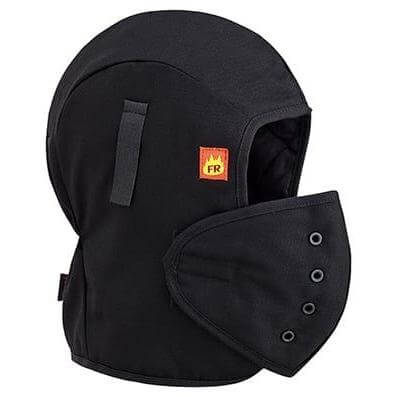
The most effective FR clothing uses fibers and blends that are inherently flame‑resistant or engineered to self‑extinguish, balancing thermal protection, weight, and wearer comfort. Meta‑aramid and Nomex‑style aramids deliver high thermal stability and consistent arc performance; modacrylics and FR‑treated cotton blends provide breathability and comfort for long shifts; Kevlar is used selectively for cut and abrasion resistance at high‑wear points. The table below compares core material classes and their primary advantages to help with specification.
Get a Custom FR Clothing Quote from VisonSafety
Picking the right material is a balance between protection and wearer acceptance. Lighter aramids often suit electricians and arc‑flash tasks; FR cotton blends are commonly chosen for general maintenance or hot, humid environments. Recent developments favor meta‑aramid options that maintain performance while improving comfort for long shifts.
How Do Meta‑aramid and Nomex Fabrics Improve Protection?
Meta‑aramids and Nomex resist heat because their polymer backbone does not melt or drip at high temperatures, creating a predictable thermal barrier during flash or arc events. These fibers retain tensile strength at elevated temperatures and yield repeatable lab results, making them the choice for garments requiring reliable arc thermal performance. Compared with many treated blends, meta‑aramids offer faster heat dissipation and better dimensional stability, which is why they’re widely used in utilities and heavy industry protective layers.
What Are the Benefits of FR Cotton Blends and Kevlar in Workwear?
FR cotton blends—either inherently flame‑resistant or chemically treated—prioritize comfort and cost while meeting minimum thermal thresholds for lower‑intensity exposures. Kevlar reinforces knees, elbows, or aprons where cut and abrasion resistance extend garment life. Choosing blends with moisture‑wicking finishes and anti‑static properties improves wearer compliance and reduces heat stress, supporting safety and productivity in demanding conditions.
Flame‑Resistant Clothing: Statistics, Standards, and Safety
Overview of flame‑resistant clothing statistics, standards, and safety considerations, 2008
How to Choose the Best FR Clothing Manufacturer for Your Business?
Choosing a manufacturer means evaluating certifications, quality control, traceability, sampling speed, MOQ flexibility, and logistics to secure reliable, compliant supply at scale. Request documented test reports, fabric batch traceability, realistic lead times for samples and mass production, and logistics options that reduce delivery risk. Use the checklist below to screen manufacturers quickly during vendor selection and RFPs.
- Certifications and test reports: Verify current lab documentation and standards coverage.
- Quality control and traceability: Confirm fabric batch testing and inspection protocols.
- Lead times and sampling: Ensure sample and production timelines match your schedule.
- MOQ and logistics: Confirm flexible minimums and shipping terms like DDP to control landed cost.
After using the checklist, request examples of prior OEM/ODM runs and packaged samples tied to fabric batch numbers to validate consistency. Clear contract language on warranty, replacement, and compliance documentation reduces downstream risk and simplifies audits.
What Are the Advantages of OEM and ODM Custom FR Apparel?
OEM partnerships let buyers define materials, colors, and branding to meet specific safety policies and corporate standards—ideal for large, brand‑specific programs though development timelines can be longer. ODM suppliers speed time‑to‑market by adapting proven designs, lowering initial tooling and development costs. OEM fits high‑volume, bespoke programs; ODM serves faster rollouts or private‑label catalog additions where tried designs meet requirements.
How Do Quality Control and Production Lead Times Affect FR Clothing Reliability?
Strict QC—especially 100% fabric batch testing and traceable records—ensures each production run reproduces the performance of tested samples and prevents non‑compliant garments from reaching workers. Fast sample turnaround enables iterative approvals; predictable mass‑production schedules reduce stockouts and avoid emergency buys that compromise compliance. Prioritize suppliers whose testing, traceability, and scheduling align with your procurement cadence to maintain reliability across seasonal and project demands.
VisonSafety, for example, provides OEM and ODM services with full quality control, fabric traceability for 3+ years, rapid sampling, flexible MOQs, and DDP shipping to simplify logistics. Those capabilities streamline compliance paperwork and reduce procurement friction for B2B buyers.
Which FR Clothing Solutions Best Match Specific Industrial Needs?
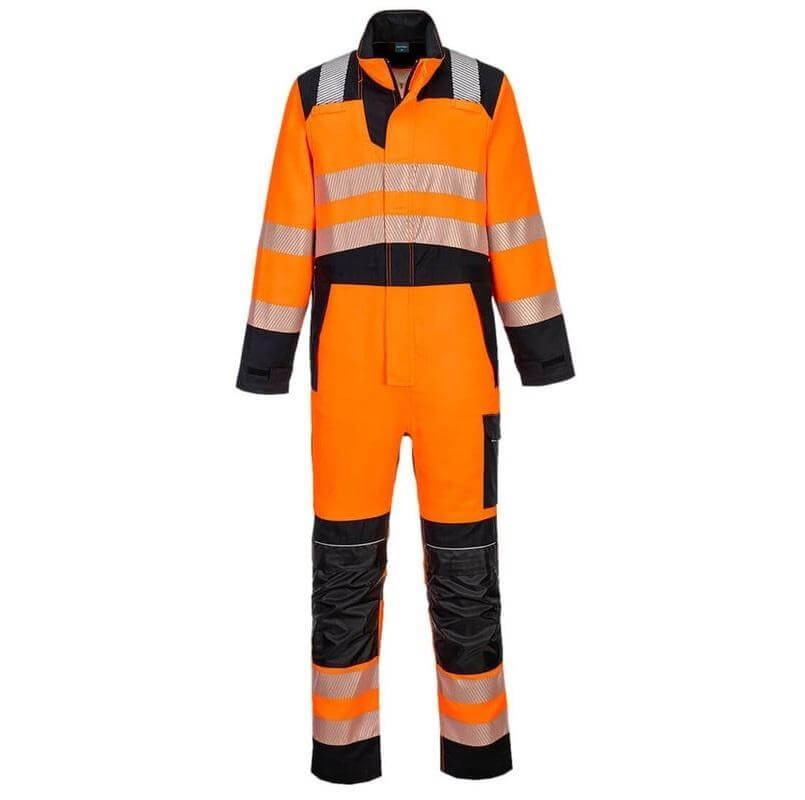
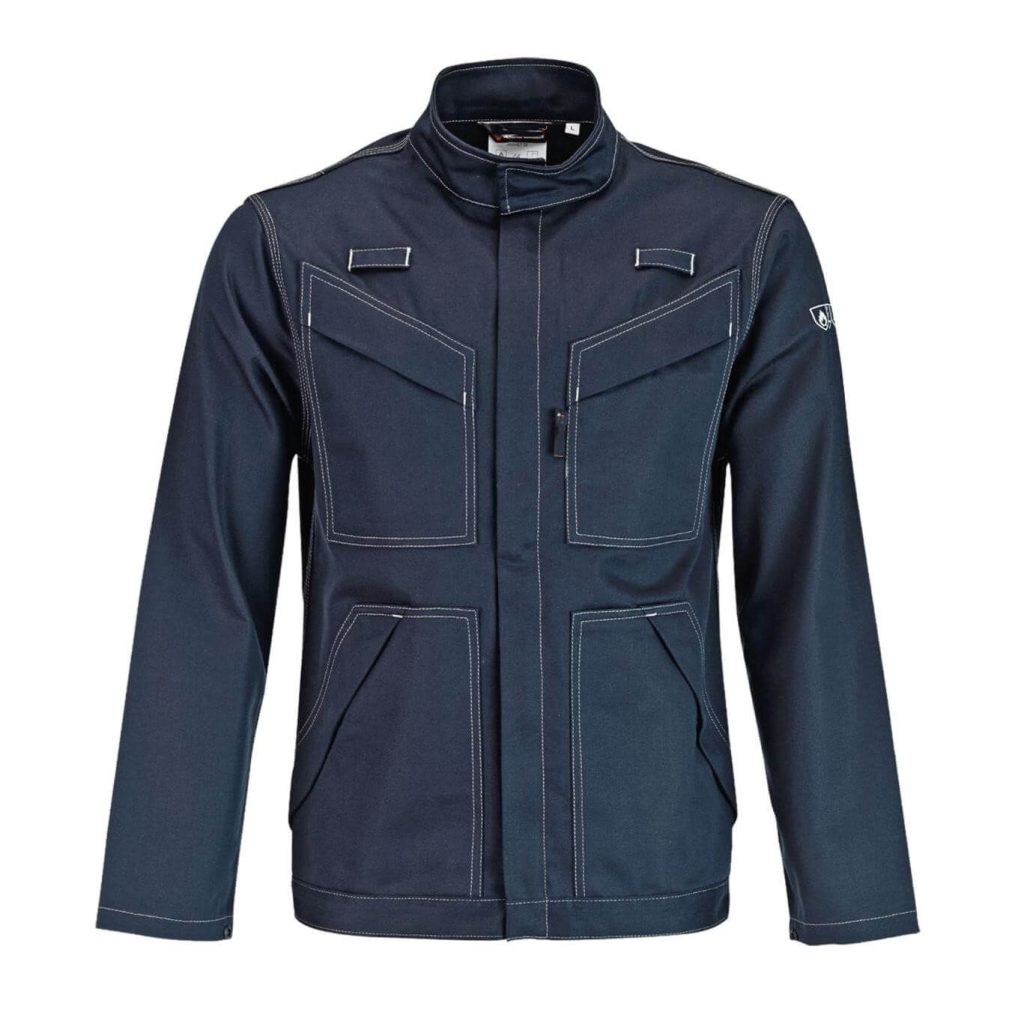
Matching garment type and material to the hazard profile produces the optimal balance of protection, comfort, and cost for each industry. Coveralls and jackets are common in hydrocarbon‑exposure environments; arc‑rated shirts and layered systems support electrical work; reinforced welding jackets or aprons protect against spatter and abrasion. The list below pairs common hazards with recommended garment choices to guide procurement specs.
- Oil & gas / petrochemical: NFPA 2112‑compliant coveralls and insulated jackets for flash‑fire protection.
- Electrical / utilities: Arc‑rated shirts and layered systems sized to required ATPV values.
- Welding and metalwork: Welding jackets, aprons, and Kevlar‑reinforced patches for spatter and cut resistance.
These task‑based recommendations help safety teams select FRC that align with job hazard analyses and regulatory obligations. Manufacturers offering customizable FR coveralls, jackets, pants, vests, sweatshirts, rainwear, and headgear make it easier to standardize protective programs across mixed fleets.
Get a Custom FR Clothing Quote from VisonSafety
What FR Apparel Is Recommended for Oil and Gas Workers?
For oil and gas teams, prioritize NFPA 2112‑compliant coveralls and jackets made from meta‑aramid or proven FR blends that balance flash‑fire protection with durability. Layering systems—FR rainwear and insulated jackets—address weather exposure without sacrificing compliance. Practical features like reinforced knees and stain‑resistant finishes extend service life on rigs and in refineries. Require manufacturer test reports tied to fabric batch numbers so every delivery matches the certified sample.
How Does FR Clothing Protect Electrical and Welding Professionals?
Electrical workers need arc‑rated apparel selected to the required ATPV/arc rating and layered correctly to achieve the system rating while preserving mobility. Welders require garments or materials specified for spatter resistance and short contact heat; reinforced closures and secure seams reduce ignition risk at stress points. Proper selection, fit, and certified materials translate laboratory performance into real‑world protection.
Frequently Asked Questions
What is the difference between OEM and ODM in FR clothing manufacturing?
OEM (Original Equipment Manufacturer) lets buyers define materials, construction, and branding for full control over the finished product—best for large, brand‑specific programs but typically requires longer development. ODM (Original Design Manufacturer) adapts existing designs to reduce lead time and upfront costs, making it a good option for quicker rollouts or private‑label ranges where proven designs meet requirements.
How can I ensure the FR clothing I purchase is compliant with safety standards?
Always request up‑to‑date test reports that specify which standards the garments meet. Look for NFPA 2112 for flash‑fire protection and NFPA 70E for arc‑flash safety, among others. Verify the manufacturer’s quality control processes—batch testing, traceability, and inspection records—to confirm clothing consistently meets the stated metrics through production.
What factors should I consider when selecting FR clothing for different industrial applications?
Consider the hazards in your environment—flash fire, arc flash, welding spatter—and match garment type and material to those risks. Ensure clothing meets the relevant standards and evaluate comfort, breathability, and durability since wearer acceptance affects compliance. Consult safety officers and review job hazard analyses to set accurate specifications.
Are there specific maintenance requirements for FR clothing to ensure longevity?
Yes. Follow the manufacturer’s care instructions—typically wash in cool water and avoid bleach or fabric softeners. Inspect garments regularly for wear, damage, or contamination, since compromised items may no longer protect. Ensure repairs preserve flame‑resistant properties and replace garments that show significant degradation.
What are the common misconceptions about FR clothing?
One misconception is that all FR clothing offers the same protection; in reality, materials and certifications vary by hazard. Another is that FR gear must be heavy or uncomfortable—modern fabrics deliver lighter, more breathable options without sacrificing safety. Educating workers on differences helps ensure correct use and compliance.
How do I determine the right fit for FR clothing?
Fit matters for both safety and comfort. Garments should allow full range of motion without excess fabric that could snag or increase hazard. Use manufacturer sizing charts and, when possible, try samples. Adjustable features like cuffs and waistbands help dial in fit. Properly fitted FR clothing ensures protective features function as intended.
Conclusion
Selecting the right flame‑resistant (FR) clothing is critical to protecting workers and meeting regulatory requirements. By understanding applicable certifications, material trade‑offs, and manufacturer capabilities, procurement teams can choose solutions that balance protection, comfort, and cost. Explore our resources or contact us to streamline sourcing and strengthen your workplace safety program.
 English
 Deutsch
 Français
 Polski
 Português do Brasil
 Español
 日本語
日本語 Русский
 العربية
 Italiano
 Nederlands
 Türkçe
 한국어
한국어