
Picking the right protective apparel starts with knowing how arc-rated (AR) and flame-resistant (FR) clothing protect people differently. Safety managers, distributors, and procurement teams need to match garments to the hazard — AR gear is tested for thermal energy from electrical arc flashes, while FR garments are designed to resist ignition and limit burn injury in flash fires. This guide outlines how each technology protects workers, the standards and metrics that define performance (ATPV, Ebt, NFPA 70E, NFPA 2112, ASTM methods), and practical selection steps for utilities, oil & gas, welding, manufacturing, and similar industries. You’ll learn how material behavior and test numbers translate into garment specs, when dual-rated AR+FR is appropriate, and how OEM/ODM partners can support sampling, certification checks, and custom production for B2B buyers.
What Is Flame Resistant Clothing and Its Key Safety Standards?
Flame-resistant clothing is engineered to resist ignition, self-extinguish once the heat source is removed, and reduce burn severity by limiting heat transfer and forming a protective char layer. Protection comes from either inherently flame-resistant fibers or durable treatments that prevent sustained combustion and create an insulating barrier. The main benefit is a lower risk of serious injury in flash fire events by minimizing melt, drip, and prolonged flame — which is why fabric selection and standards matter for industrial protective apparel.
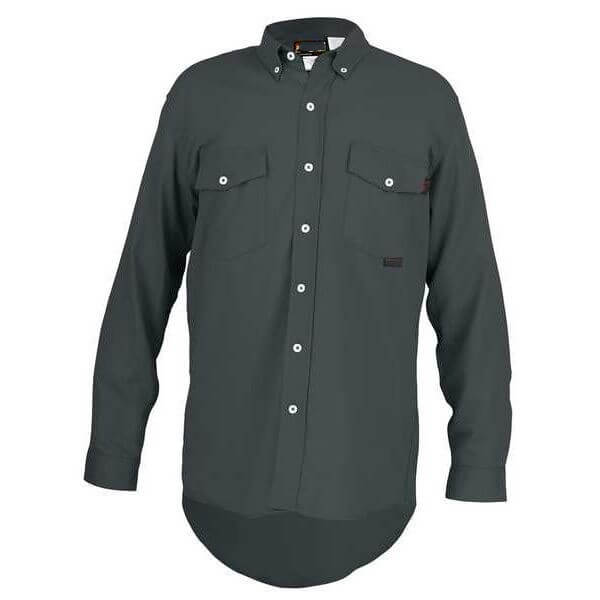
Get a Custom FR Clothing Quote from VisonSafety
How Does FR Clothing Protect Against Flash Fire Hazards?
FR garments defend workers by resisting ignition and developing a char that slows how quickly heat reaches the skin, reducing the reported percentage of body burn in standardized flash fire tests. Inherent fibers such as aramids and modacrylics offer molecular-level resistance, while treated cottons are formulated to self-extinguish and char predictably. The practical outcome is smaller burn areas and reduced risk of molten-drip injuries, improving chances of survival and recovery. Knowing these material behaviors helps safety teams specify garments that align with flash fire risk profiles and regulatory needs.
Which Standards Govern Flame Resistant Clothing?
Buyers and safety officers rely on a few core standards and test methods when specifying FR clothing:
- NFPA 2112 — Standard for flame-resistant garments protecting industrial personnel from flash fires.
- ASTM D6413 — Vertical flame test measuring afterflame, afterglow, and char length for fabrics.
- EN standards — European equivalents that set test and performance requirements for FR textiles.
These standards measure outcomes such as afterflame, char length, and body burn percentage. When evaluating FR garments, require test reports and traceability so your procurement and compliance decisions fit the hazard and jurisdiction you operate in.
What Is Arc Rated Clothing and How Does It Protect Against Arc Flash?
Arc-rated (AR) clothing is tested for protection from the thermal energy released during electrical arc flash events. AR materials receive numeric ratings (ATPV and Ebt) that quantify the incident energy they can withstand before causing significant injury or garment failure. Protection is achieved through energy absorption, limited heat transfer, and controlled charing so the fabric does not fail catastrophically. The advantage is a predictable, measurable level of thermal protection you can match to incident energy calculations under electrical safety standards.
What Are the Main Arc Flash Protection Standards for AR Clothing?
Standards for arc flash protection link hazard assessment to PPE selection and material testing:
- NFPA 70E — Electrical safety in the workplace with guidance on hazard analysis and PPE selection.
- ASTM F1959/F1959M — Test method for determining arc ratings using ATPV and Ebt metrics.
- EN standards — European test methods and classifications for electrical-protective clothing.
These standards require that garment ATPV/Ebt ratings be matched to calculated incident-energy levels so selected AR clothing delivers the intended protection during energized work. Understanding these obligations helps teams specify the right AR garments for electrical tasks.
How Are Arc Ratings Like ATPV and Ebt Measured and What Do They Mean?
ATPV (Arc Thermal Performance Value) and Ebt (Energy Breakopen Threshold) express how much incident energy (cal/cm²) a fabric can absorb before significant injury or fabric breakopen occurs. ATPV approximates the incident energy with a 50% probability of second-degree burns; Ebt identifies the energy level at which a fabric mechanically breaks open. For example, a fabric with an ATPV of 8 cal/cm² is rated to protect against incident energies up to that value. Higher ATPV values mean greater arc protection and inform the PPE choice per NFPA 70E hazard categories.
What Are the Core Differences Between AR and FR Clothing?
AR and FR clothing address different hazards: AR apparel is evaluated for thermal energy from electrical arcs using ATPV/Ebt tests, while FR clothing is judged on ignition resistance and body burn reduction under flash fire tests such as NFPA 2112 and ASTM D6413. Test methods vary by energy source, measurement metrics, and pass/fail criteria, which affects how garments are specified and documented. Because industries face different dominant hazards—and sometimes both—understanding these distinctions leads to more precise procurement and compliance decisions. The short comparison below highlights the main contrasts and common use cases.
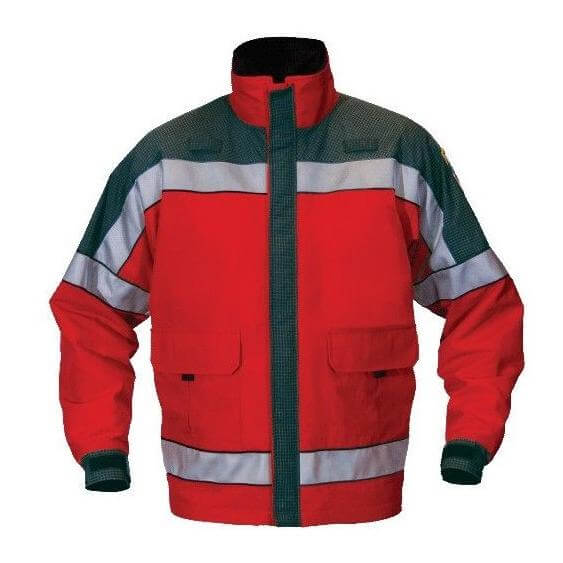
Get a Custom FR Clothing Quote from VisonSafety
- Primary Hazard: AR protects against arc flash thermal energy; FR protects against flash fire ignition and burn propagation.
- Test Methods: AR uses ATPV/Ebt (ASTM F1959) with NFPA 70E guidance; FR uses NFPA 2112/ASTM D6413 to measure afterflame, char, and body burn.
- Typical Applications: Utilities and switchgear work prioritize AR; petrochemical and refinery operations prioritize FR; some field roles call for dual-rated garments.
That’s why many buyers opt for dual-rated AR+FR fabrics in mixed-hazard environments instead of layering multiple garments. For combined arc and flash fire exposures, manufacturers like VisonSafety can advise on specifications and produce custom AR+FR garments backed by certified testing and OEM/ODM capabilities. Engaging a manufacturer helps translate your hazard analysis into compliant garment specifications.
How Do AR and FR Clothing Differ in Protection and Testing?
AR testing replicates exposure to high-energy electrical arcs and quantifies incident-energy tolerance, whereas FR testing evaluates flame ignition, char formation, and the garment’s ability to limit body burn during flash fires. A fabric can be FR without an ATPV rating and vice versa; dual-rated materials are tested under both regimes to prove combined protection. Procurement should require explicit ATPV/Ebt test reports and NFPA 2112 compliance certificates when both hazards are present to ensure garments perform as specified in real incidents.
When Is It Important to Use Both AR and FR Clothing Together?
Dual-rated AR+FR garments are important when electrical arc and flash fire hazards overlap—examples include electrical work inside petrochemical plants, field maintenance on energized equipment near flammable vapors, or contractor jobs that combine welding and live electrical exposure. Dual-rated fabrics reduce layering, simplify PPE programs, and maintain mobility without sacrificing compliance. When evaluating AR+FR options, request combined test evidence and consider OEM/ODM partners who can provide custom sizing, quick samples, and batch-tested fabrics for traceability and consistent performance.
How Do You Choose the Right AR or FR Clothing for Your Industry Needs?
Start with a workplace hazard assessment that quantifies incident energy for electrical tasks and identifies flash fire risks from flammable materials. Match calculated incident-energy levels to ATPV ratings per NFPA 70E for electrical exposure, and require NFPA 2112-tested garments where flash fire risk exists. Prioritize certification, test reports, and manufacturer QA practices such as 100 percent fabric batch testing, rapid sampling, and reliable delivery to protect resale value and reduce liability. The following steps help map industry needs to compliant purchasing choices.
- Industry Mapping: Identify the dominant hazards for specific tasks (electrification, hot work, chemical exposure).
- Verification Steps: Request ATPV/Ebt test reports, NFPA 2112 certificates, and fabric batch test records.
- Procurement Actions: Obtain samples, confirm fit and trims, and verify OEM/ODM customization and lead times.
Which Industries Require AR Versus FR Apparel?
Different sectors prioritize one protection over the other based on typical exposures: utilities and electrical contractors usually prioritize AR clothing following NFPA 70E incident-energy analyses; oil & gas, petrochemical, and refinery operations prioritize FR clothing and NFPA 2112 compliance. Welding, manufacturing, and maintenance roles often need FR apparel for sparks and molten splash, while mixed environments may require AR+FR solutions. Knowing the dominant exposure in each sector simplifies specification and inventory decisions for distributors and brands.
How Do Certifications and Compliance Impact Your Protective Clothing Choice?
Certifications and compliance documents prove that garments meet regulatory and customer requirements. Trusted suppliers provide ATPV/Ebt reports, NFPA 2112 test results, and traceable QA records like full fabric batch testing. Always verify certificates, request test numbers, and keep manufacturer test reports on file to reduce liability and support acceptance in regulated markets. For B2B buyers planning custom production, work with manufacturers offering rapid sampling and robust quality control to simplify validation and ensure garments meet performance and supply-chain expectations.
For distributors and brands needing samples, compliance documents, or custom quotes, contact VisonSafety to request certified FR or AR samples and to discuss OEM/ODM production options, including fast sampling and 100 percent fabric batch testing.
Difference Between AR and FR Clothing | FAQs
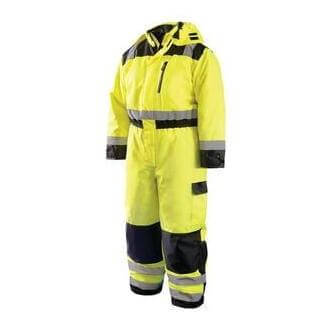
Get a Custom FR Clothing Quote from VisonSafety
What are the key differences in fabric composition between AR and FR clothing?
AR fabrics commonly use synthetic fibers such as aramid and modacrylic engineered to withstand high thermal energy from electrical arcs. FR clothing can be made from treated cotton or inherently flame-resistant fibers. These material choices affect performance: AR fabrics are optimized for energy absorption and controlled charing, while FR fabrics focus on ignition resistance and self-extinguishing behavior. Match fabric composition to the specific hazards you face.
Can AR clothing be used in environments with flash fire hazards?
Not unless it’s specifically dual-rated. AR clothing is designed for arc flash protection and may not meet flash fire requirements on its own. In mixed-hazard environments, choose AR+FR garments that are tested to both standards. When in doubt, consult safety experts and require combined test evidence before relying on a single garment for multiple hazards.
How often should AR and FR clothing be inspected and maintained?
Inspect garments before each use for damage, wear, or contamination. Follow manufacturer laundering and care instructions to preserve protective properties. Depending on exposure and workload, perform a more thorough evaluation every six to twelve months or sooner if garments are heavily used or contaminated. Proper maintenance preserves protection and extends service life.
What role do manufacturers play in ensuring the quality of AR and FR clothing?
Manufacturers ensure quality by testing to applicable standards (NFPA 70E for AR, NFPA 2112 for FR), providing test reports and certifications, and maintaining traceable QA processes such as batch testing. Reputable manufacturers also support customization and sampling to meet specific industry needs. Always request documentation and work with suppliers that demonstrate consistent quality controls.
Are there specific training requirements for workers using AR and FR clothing?
Yes. Employers should train workers on correct use, limitations, care, and inspection of protective apparel. Training should cover hazard recognition, how to select the right garment, and maintenance procedures. Regular refresher training ensures workers stay current with standards and PPE best practices.
What should be considered when selecting AR or FR clothing for a specific job?
Consider the hazards present, required level of protection, and applicable standards. Conduct a hazard assessment to determine ATPV levels for electrical tasks or NFPA 2112 requirements for flash fire risk. Also weigh comfort, fit, and mobility — PPE that impedes work can introduce new safety risks. Balance protection, usability, and compliance when making a selection.
Conclusion
Knowing the difference between arc-rated (AR) and flame-resistant (FR) clothing is essential for protecting workers in hazardous environments. Each type of apparel targets specific risks, and choosing the right garment depends on a clear hazard assessment and verified test data. By matching standards, metrics, and vendor QA to your needs, you reduce injury risk and stay compliant. For help specifying the right solution, request a consultation with our team.
 English
 Deutsch
 Français
 Polski
 Português do Brasil
 Español
 日本語
日本語 Русский
 العربية
 Italiano
 Nederlands
 Türkçe
 한국어
한국어