
Custom FR Stretch Vests for Layered Workwear Programs
A vest solves a problem a jacket cannot: it adds coverage without trapping the arms. VisonSafety develops custom FR stretch vests for workwear brands, distributors, and uniform programs serving markets worldwide. Build a lightweight layering piece or a more rugged canvas-style vest around the intended wearer, with a choice of stretch fabric, lining, pockets, closures, and private-label details. We review the garment’s fit, construction, and protective claims against the intended use before sampling. Once approved, the specification guides every production fabric roll, sewing operation, and final inspection.
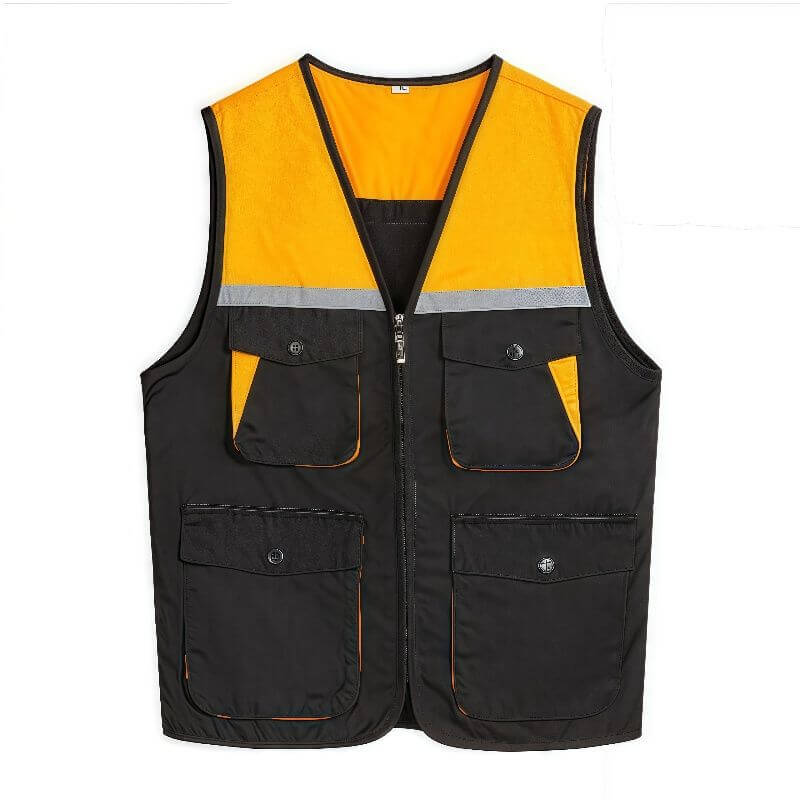
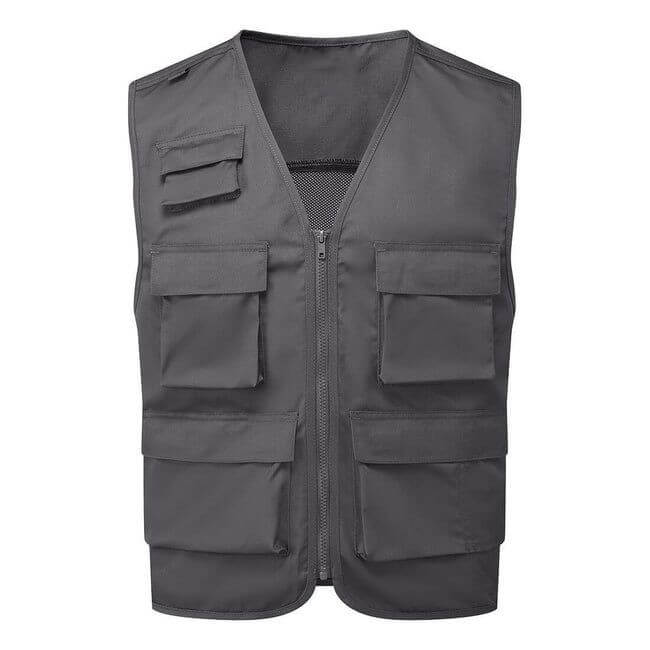
Get Custom Quote
Layer without bulk
Develop a vest that works over a base layer, work shirt, or coverall without restricting the arms.
Stretch chosen for the job
Specify one-way or multi-directional stretch, fabric weight, and recovery expectations.
A fit that stays put
Set armhole depth, chest ease, hem length, and side seams for the intended layering system.
Storage that earns its place
Choose zippered, snap, or flap pockets according to what the wearer needs to carry.
A finish buyers recognize
Approve shell fabric, lining, binding, labels, hardware, and logo placement on a physical sample.
Claims tied to the product
Review the finished vest’s testing and certification route before confirming any FR or arc-rating claim.
Decide What the Vest Must Do
A stretch vest can be a light layering piece, a rugged outer layer, or part of a branded uniform program. We define that role before choosing materials.
Shell and stretch
Lining and warmth
Closures and pockets
Branding and presentation
Shell and stretch
- Review suitable FR stretch fabrics by fiber composition, weight, stretch direction, abrasion resistance, and care requirements.
- Confirm the shell color, stretch level, recovery expectations, and laundering method before sampling.
Lining and warmth
- Choose a lightweight unlined vest, a breathable mesh lining, or an FR fleece lining for cooler conditions.
- Specify lining weight, insulation level, and the intended layering combination for the final garment.
Closures and pockets
- Select a front zipper, snap closure, hook-and-loop closure, or another approved fastening method.
- Add chest pockets, hand pockets, internal pockets, radio loops, or ID windows according to the intended use.
Branding and presentation
- Position approved logos, labels, hangtags, barcodes, and carton marks for your sales channel.
- Confirm reflective tape, contrast binding, and other visible details as part of the complete garment specification.
Why VisonSafety is Your Go-to Choice
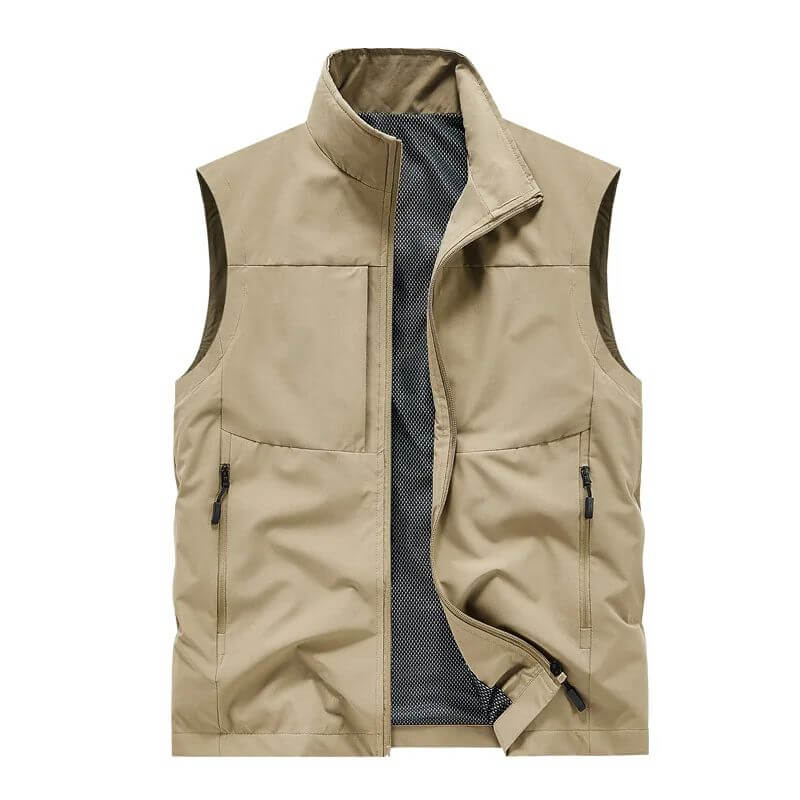
A Vest Is Defined by Its Armholes
A vest’s usefulness depends on what it leaves uncovered. We develop the armhole shape, chest ease, shoulder width, and hem length together, so the garment can sit comfortably over a base layer or work shirt. A deeper armhole may help with reach and layering, while a closer fit can reduce bulk under an outer jacket. We check these proportions on a physical sample, then record the approved measurements and tolerances. For a private-label range, this is what makes the vest feel like part of your brand rather than a generic sleeveless garment.
Stretch Needs a Purpose
Stretch fabric is useful only when it supports the wearer’s actual movement. We review the intended stretch direction, recovery, fabric weight, and care requirements before selecting a material for sampling. A stretch canvas shell may suit a rugged vest; a lighter stretch knit may fit a layering program. The approved specification records the fabric composition, weight, stretch direction, and laundering instructions. Every production fabric roll is tested before cutting, with the relevant records retained for three years. This gives your purchasing team a traceable reference for the material used in each order.
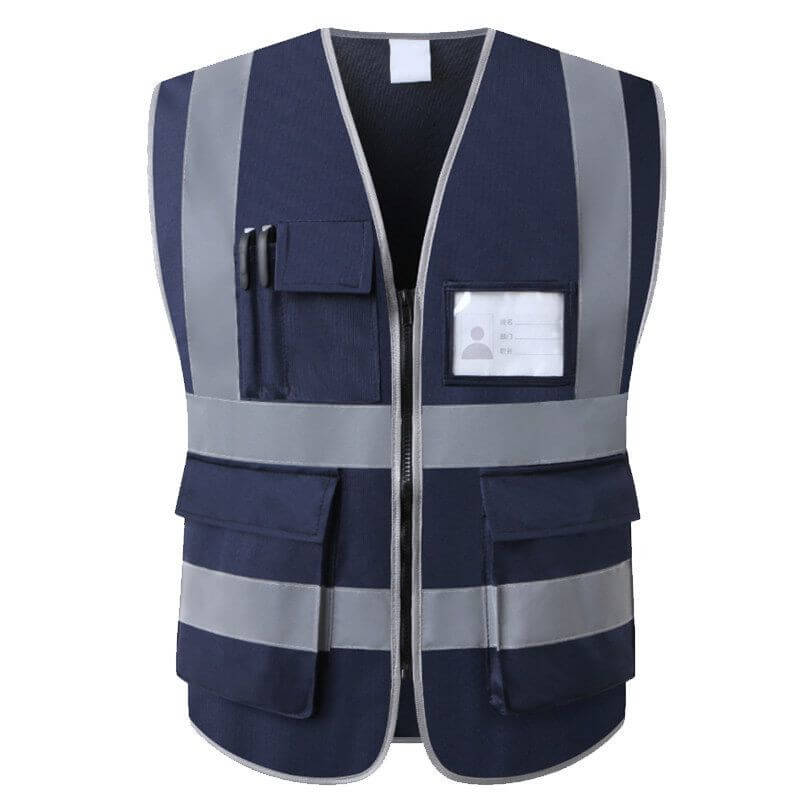
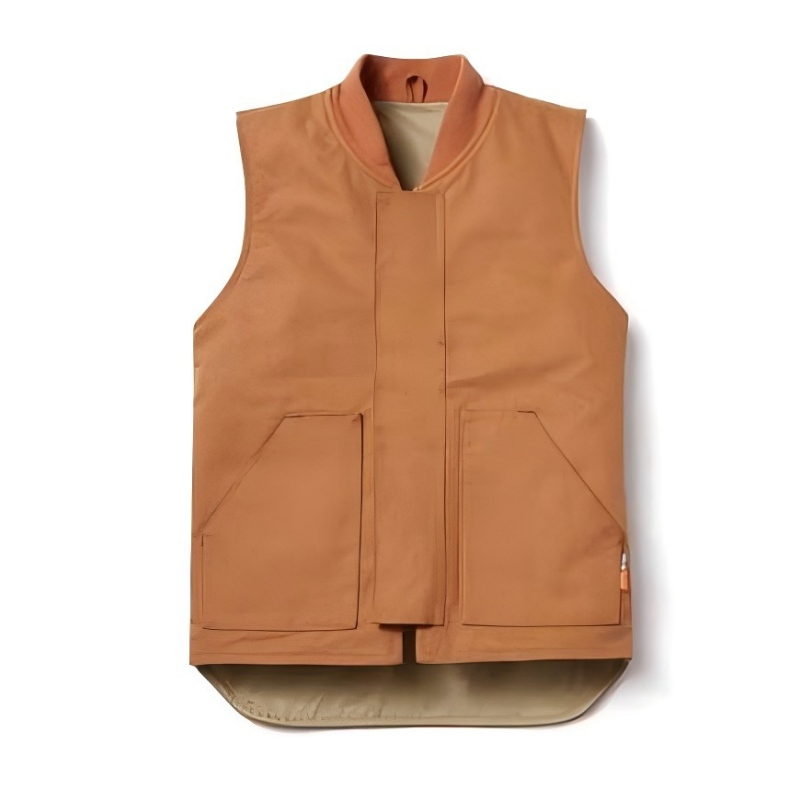
Pockets and Closures With a Job to Do
A vest often carries small items that a jacket pocket cannot reach quickly. We can develop zippered chest pockets, snap pockets, internal pockets, radio loops, or ID windows, depending on the intended use. Each feature is assessed for its effect on balance, bulk, and movement. We also specify the front closure, zipper or snap hardware, binding, and pocket-bag fabric as part of the complete garment design. The result is storage and fastening that support the wearer’s workflow, rather than details added to a pattern without considering how they sit during movement.
Claims Must Match the Finished Vest
A stretch vest can be developed for a program requiring flame resistance, arc protection, or another market-specific claim, but the claim must be supported by the finished product. We review the selected fabric, components, construction, testing, and labeling route for the exact design before confirming what may be stated. Changes to fabric, lining, closures, pockets, reflective elements, or garment construction can affect the applicable documentation. We help you align the product brief with the evidence behind it, so the label and the garment you ship remain consistent.

From Layering Brief to Repeatable Vest
We settle the garment’s fit, finish, and protective specification in a deliberate sequence before bulk cutting begins.
Define the vest program.
Send us the target market, intended use, reference sample or tech pack, estimated quantity, and preferred fit. Tell us whether the vest is for layering, outdoor work, utility use, or another program that needs stretch. We review the required stretch direction, fabric weight, lining, pocket layout, and any protective claim. We also ask about labels, branding, and packing. From this brief, we prepare a draft specification that identifies the design choices and technical questions to resolve before sampling.
Develop the fit sample.
We make a physical vest for you to assess the armhole, chest ease, shoulder width, hem length, pocket access, and overall appearance. Ask the intended wearer to reach, bend, and layer it over the garments they use, since those movements reveal fit issues that a flat measurement chart cannot. We incorporate agreed revisions and confirm the approved sample, measurement tolerances, bill of materials, artwork, and packing instructions. For a style with a protective claim, we review the final configuration against the applicable testing or certification route before bulk approval.
Check materials and start cutting.
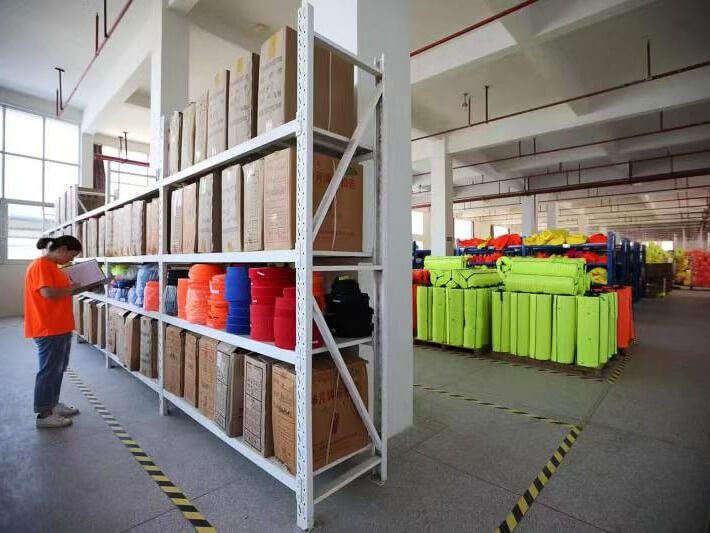
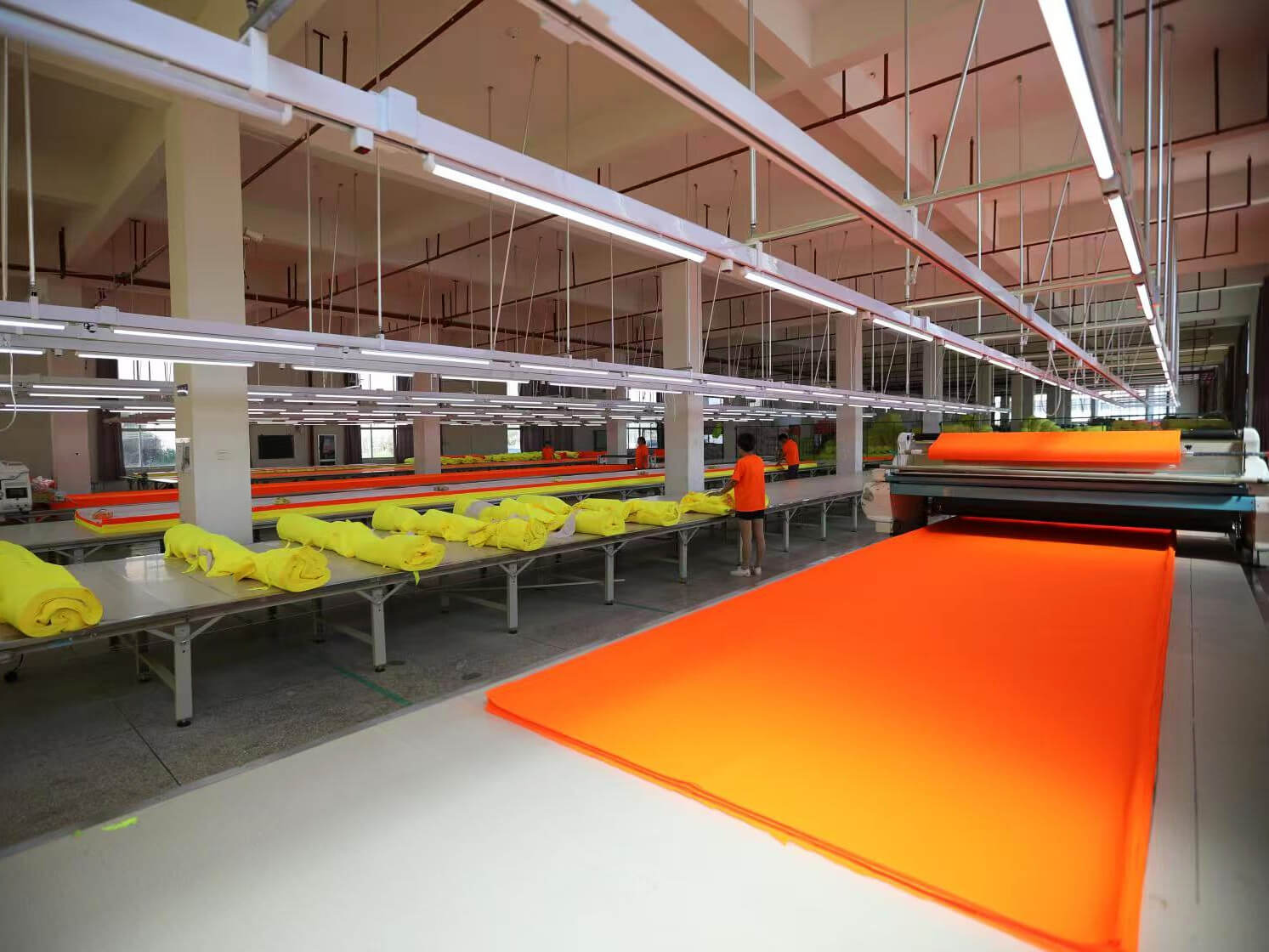
We confirm the production fabric, lining, closures, labels, and other trims against the approved specification. Every production fabric roll is tested before cutting, with the relevant records retained for three years. We check shade, weight, and material consistency against the approved reference. If a fabric or trim needs to change, we raise it for review before substitution, especially when the change could affect fit, recovery, or a protective-performance claim.
Sew, inspect, and pack.
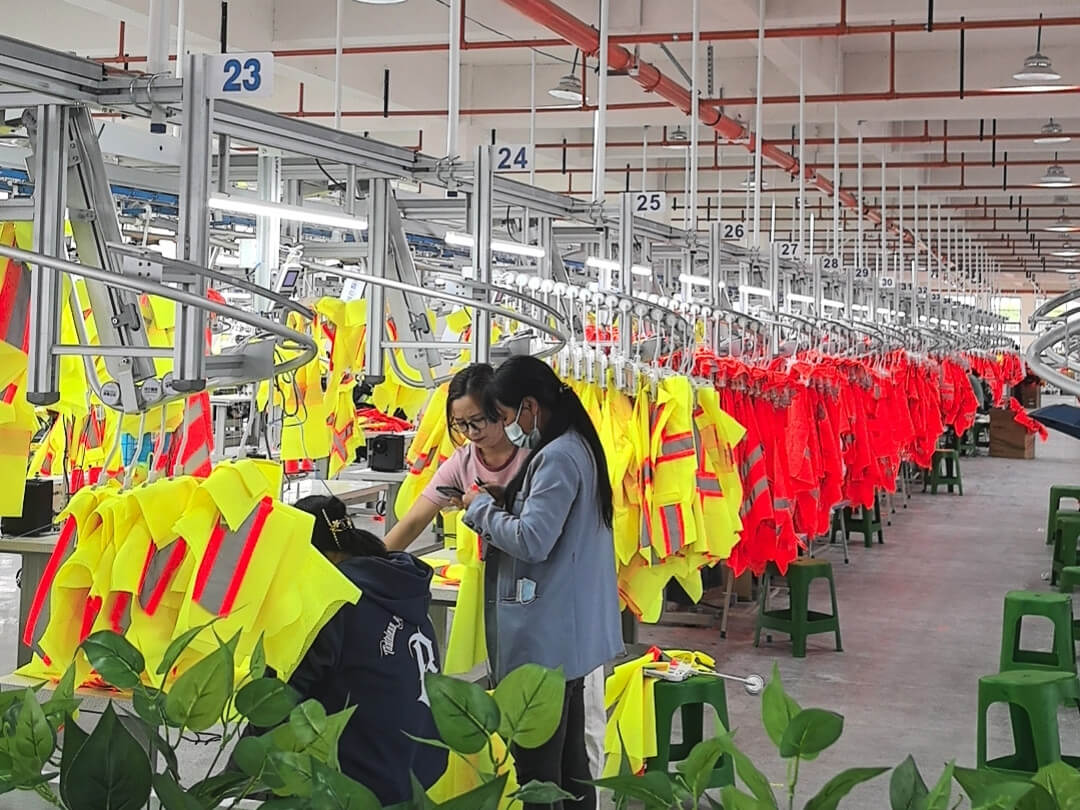
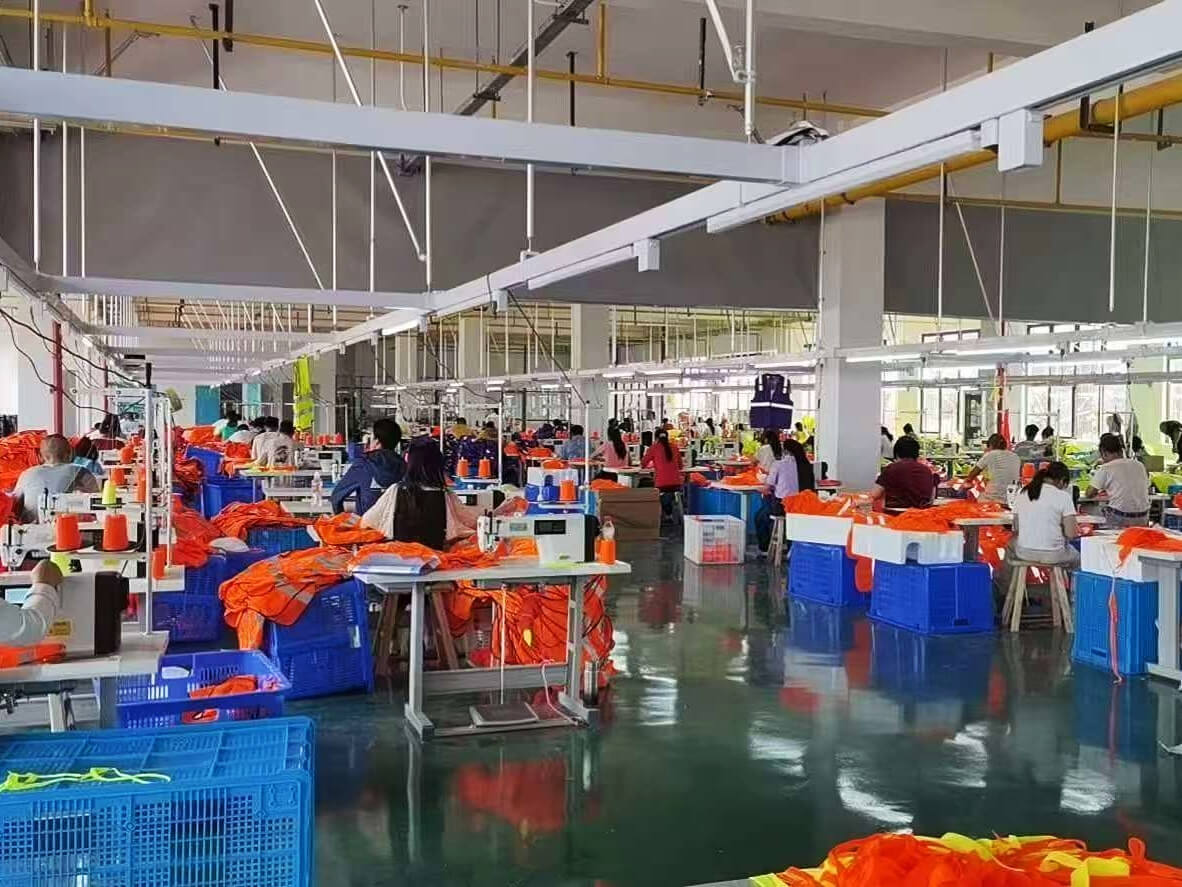
Bulk vests are sewn to the approved pattern, with in-line checks on armhole binding, seams, pocket alignment, closures, and key measurements. Final inspection reviews workmanship, fit measurements, logo placement, labels, size assortment, and packing against the agreed criteria. We address discrepancies before shipment release. The approved sample and retained fabric records then provide a practical reference for repeat orders, helping the next production run begin from a documented product rather than a new interpretation.
FAQs
An FR stretch vest uses a fabric with elastic recovery, usually in one or more directions, to support movement. A regular FR vest may use a woven fabric without stretch and can be better suited to a different fit or durability brief.
Yes, subject to the available fabric and your intended use. We review the stretch direction, recovery, fabric weight, and laundering requirements before selecting a material for sampling.
Not automatically. Stretch fibers and certain fabric constructions may not suit every high-spark or high-heat application, so we review the intended hazard and garment design before recommending a material route.
Yes. We can develop a lined version for cooler conditions, with the lining weight and insulation level specified in the approved garment specification. The finished vest’s protective claims must reflect the actual construction.
Yes. We can develop chest, hand, internal, or utility pockets, along with radio loops or ID windows where appropriate. Each feature is reviewed for its effect on balance, bulk, and movement before it becomes part of the production standard.
Yes, subject to review of the tape, placement, and any applicable visibility or protective requirement. We confirm the approved material and position during sampling so it is consistent across the size range.
No. Flame resistance and an arc rating are different claims. We confirm an arc rating only when it is supported by the applicable test results and documentation for the finished vest.
We can review a program intended for NFPA 2112 certification and discuss the required garment, testing, and labeling route. Certification applies to the qualifying finished product, not to the fabric alone.
We work from the approved sample, measurement chart, bill of materials, and packing instructions. Every production fabric roll is tested, and the relevant records are retained for three years to help investigate differences between batches.
Send the target market, intended use, estimated quantity, reference sample or tech pack, fabric preference, fit requirements, size range, logo files, and packing needs. Include any required standard, certification, or arc rating so we can review the right product route before quoting.
Some Cool Facts
Collaborated with Global Partners on





 English
 Deutsch
 Français
 Polski
 Português do Brasil
 Español
 日本語
 Русский
 العربية
 Italiano
 Nederlands
 Türkçe
 한국어