
Custom Premium FR Stretch Clothing
VisonSafety manufactures custom FR stretch clothing for global brands, distributors, and industrial safety programs. Our flame-resistant stretch workwear combines certified protection, ergonomic mobility, private-label branding, and repeatable OEM production for electrical, oil and gas, welding, utilities, and heavy-industry applications.
Get Custom Quote

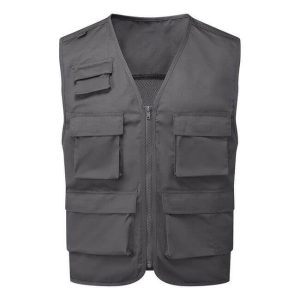
Key Features & Benefits
Custom FR stretch clothing engineered for protection, movement, and your brand.
Certified FR protection
FR fabrics and garments are engineered for flash-fire, arc-flash, welding, and heat-related hazards, with compliance options including NFPA 2112, ASTM F1506, EN ISO 11612, EN ISO 11611, EN 1149, and EN ISO 20471.
Four-way stretch comfort
FR cotton/spandex, FR canvas, and technical stretch fabrics support bending, climbing, kneeling, and confined-space work without restricting movement.
OEM and private-label ready
We develop garments around your brand identity, including custom patterns, colors, trims, labels, hangtags, embroidery, heat transfer, and retail-ready packaging.
Fabric-level quality control
Every fabric roll is tested before bulk production, with test records archived for three years to support traceability and buyer confidence.
Fast sampling and scalable production
From development samples and pre-production approval to repeat bulk orders, our workflow is designed for brand programs and distributor replenishment.
Global B2B support
We support importers, safety brands, wholesalers, and uniform-program buyers with responsive communication, technical documentation, and production transparency.
Build FR Stretch Workwear Around Your Market
VisonSafety turns your protection requirements, fit preferences, and brand guidelines into production-ready FR stretch garments.
Fabric and Protection Level
Fit, Pattern, and Ergonomics
Branding and Private Label
Functional Details
Fabric and Protection Level
- Select FR stretch fabrics in cotton/spandex, FR canvas, modacrylic blends, or other technical constructions.
- Specify fabric weight, typically from lightweight shirts to heavy-duty pants and jackets.
- Align the garment with required standards, such as NFPA 2112, ASTM F1506, EN ISO 11612, EN ISO 11611, EN 1149, or EN ISO 20471.
- Request fabric test reports, arc-rating data where applicable, and pre-production fabric approval.
Fit, Pattern, and Ergonomics
- Develop men’s, women’s, or unisex sizing based on your target market.
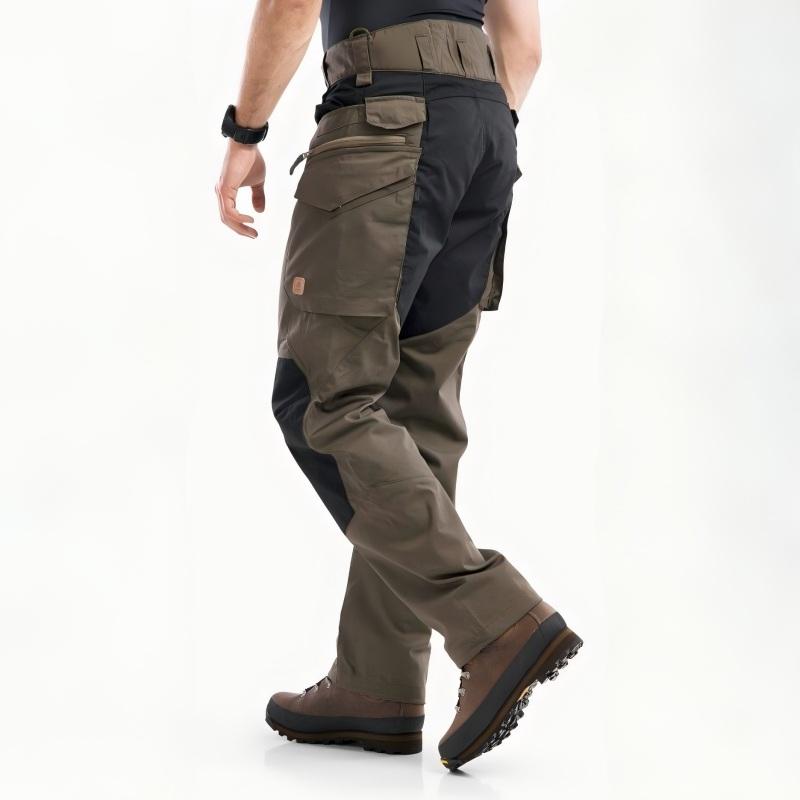
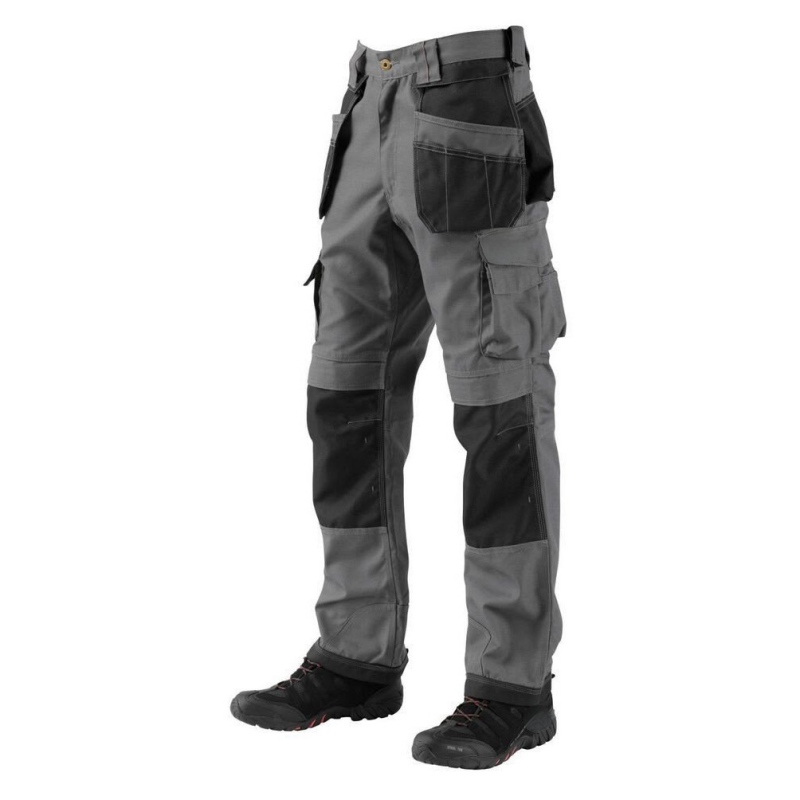
- Add articulated knees, gusseted crotches, ergonomic sleeves, and stretch panels for active work.
- Adjust rise, inseam, sleeve length, chest, waist, and overall silhouette for regional fit preferences.
- Reinforce high-wear zones such as knees, seat, elbows, cuffs, and pocket openings.
Branding and Private Label
- Apply woven labels, heat-transfer logos, embroidery, rubber badges, and printed care labels.
- Customize zippers, snaps, buttons, reflective tape, pocket hardware, and accessory colors.
- Create branded polybags, hangtags, carton marks, and retail-ready packaging.
- Protect your design through controlled sampling, approved artwork, and production specifications.
Functional Details
- Add cargo pockets, tool loops, phone pockets, pen slots, ruler pockets, and concealed storage.
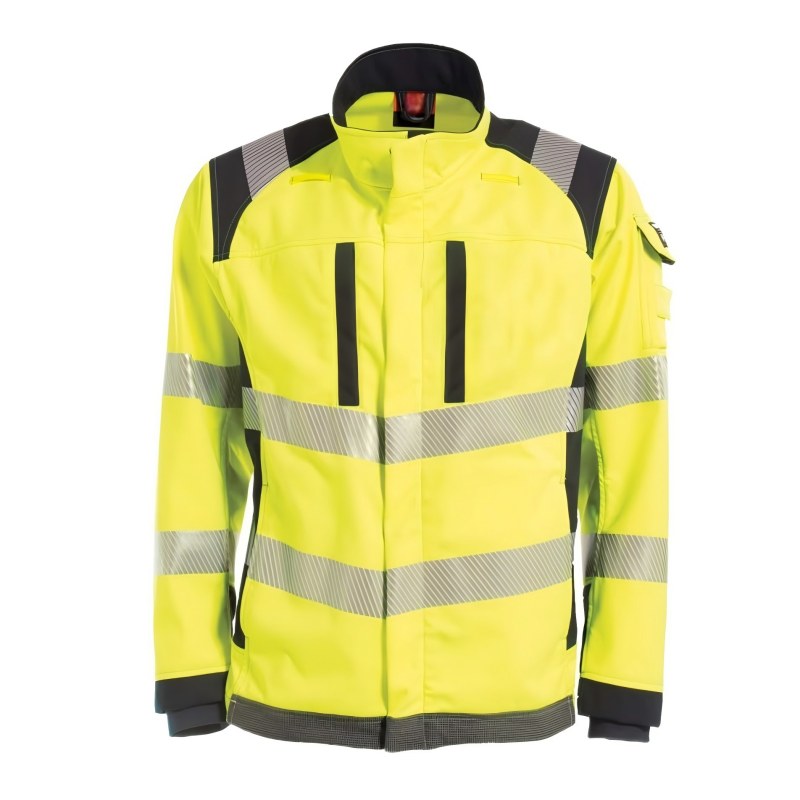
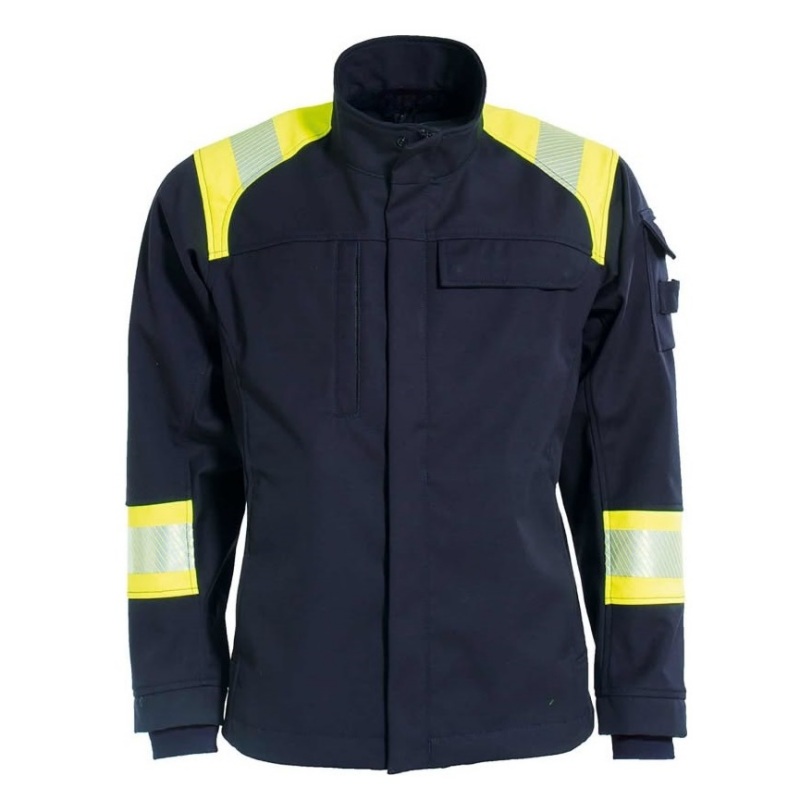
- Specify reflective tape placement for high-visibility FR workwear programs.
- Include ventilation options, adjustable cuffs, waist adjusters, and reinforced closures.
- Match garment features to electrical, welding, oil and gas, utility, or construction end use.
Why VisonSafety is Your Go-to Choice

Certified Protection Without Sacrificing Movement
VisonSafety’s custom FR stretch clothing is designed for workers who need both thermal protection and unrestricted mobility. We engineer garments using flame-resistant stretch fabrics, durable stitching, and ergonomic construction to support demanding work in electrical, oil and gas, welding, maintenance, and industrial environments. Depending on the hazard assessment and target market, styles can be developed for NFPA 2112, ASTM F1506, EN ISO 11612, EN ISO 11611, EN 1149, and EN ISO 20471 requirements.
FR Stretch Fabric Engineering
Our FR stretch range can use 98% FR cotton/2% spandex twill, FR canvas, or other customer-specified protective fabrics. The stretch component improves flexibility, while the FR cotton or inherent FR fiber system helps limit flame spread, melting, and dripping when properly selected and tested. Fabric weight, weave structure, yarn composition, shrinkage, colorfastness, tear strength, and wash durability are reviewed before bulk production.
Garment Construction and Durability
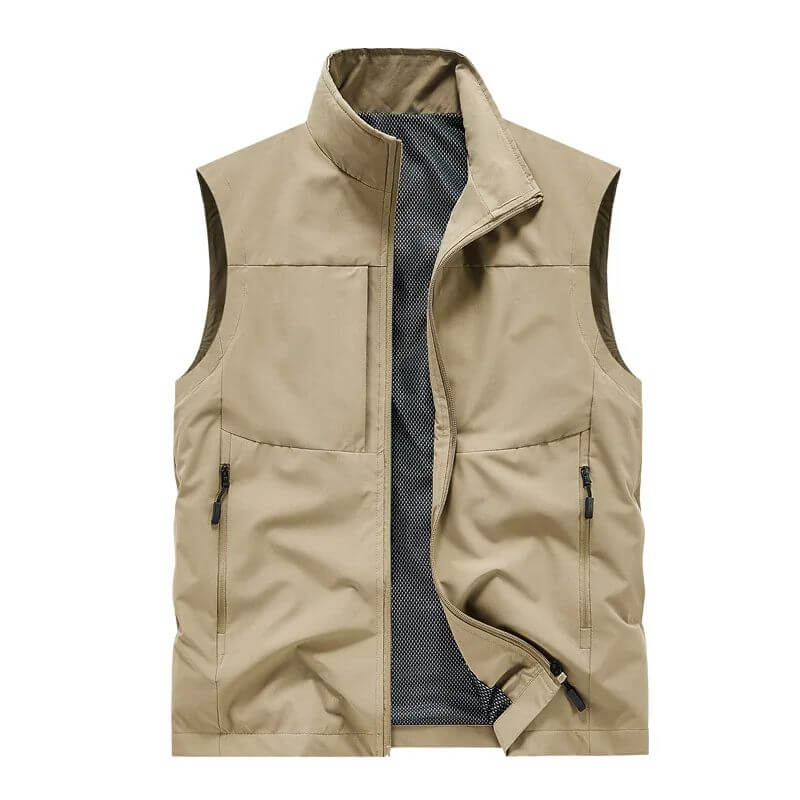
Each style is built with reinforced seams, bartacks at stress points, durable closures, and abrasion-resistant panels where required. We can add triple-needle stitching, chain-stitch construction, knee reinforcement, crotch gussets, articulated knees, and heavy-duty pocket bags to extend service life. These construction choices are especially valuable for FR pants, bib overalls, jackets, and work shirts exposed to repeated movement and industrial laundering.
Private-Label Production for Global Brands
VisonSafety supports OEM programs for safety brands, distributors, uniform suppliers, and industrial end users. We translate your tech pack into a consistent production specification, covering patterns, grading, fabric approval, trims, labels, packaging, inspection standards, and shipment requirements. This makes it easier to launch a differentiated FR stretch line while maintaining consistent quality across repeat orders.
From Requirement to Repeatable Production
We manage custom FR stretch clothing production through a clear, documented process that protects product quality, compliance, and delivery schedules.
1. Requirement and Tech-Pack Review
We begin by reviewing your target market, end use, hazard exposure, required standards, fit preference, fabric direction, branding, and target price. Our team converts these inputs into a practical garment specification, including fabric composition, weight, construction details, trims, measurements, labeling, and packaging. This early alignment reduces revision cycles and helps ensure the final product supports both safety requirements and commercial positioning.
2. Fabric Selection and Testing
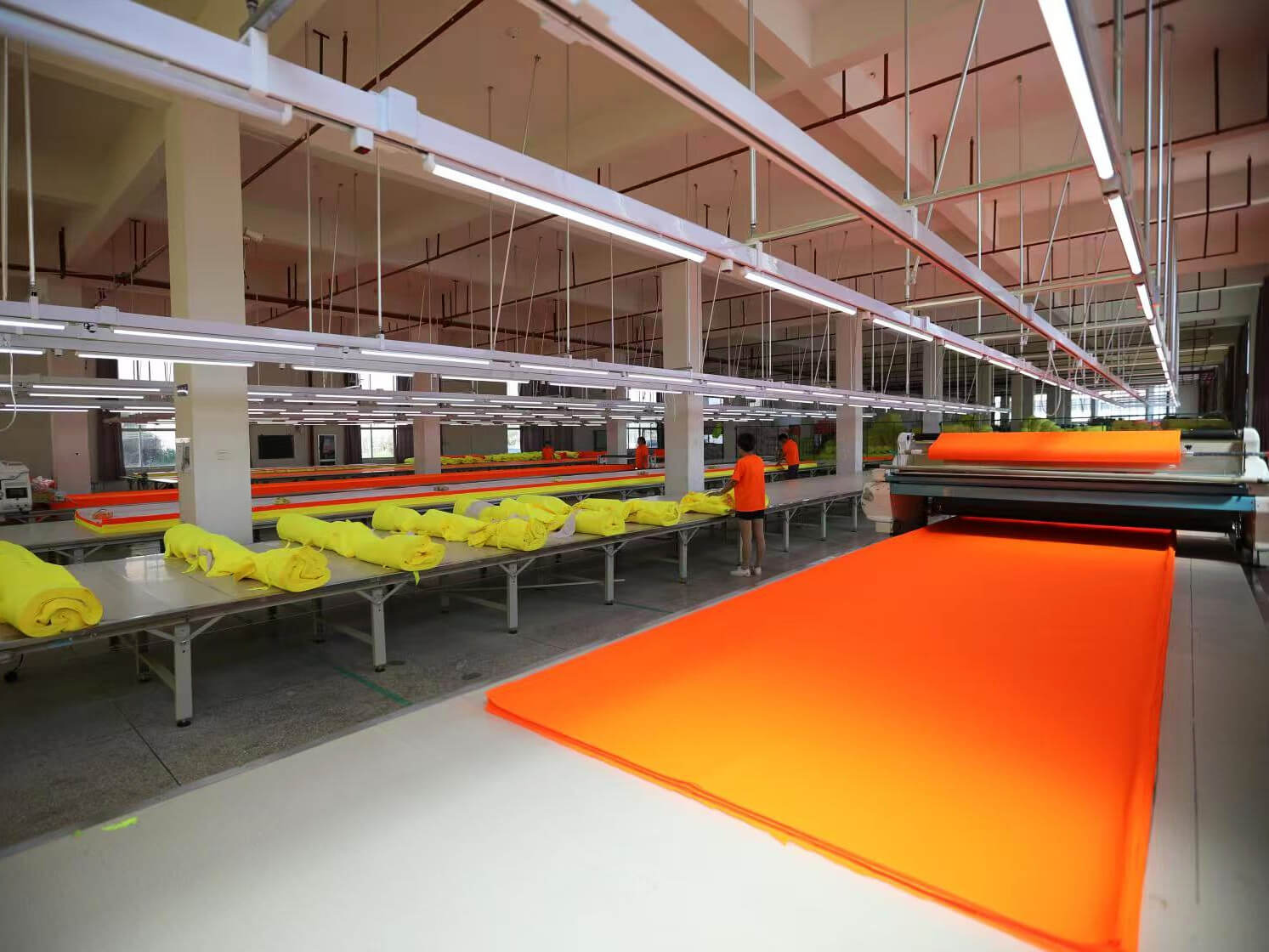
We source or develop FR stretch fabrics based on your protection level, comfort requirements, color needs, and washing expectations. Before bulk production, we test and archive fabric-roll records for traceability; testing can cover flame resistance, shrinkage, colorfastness, tensile or tear performance, and applicable FR or arc-related requirements. This step gives buyers documented confidence that the material used in production matches the approved sample.
3. Sample Development and Approval
We produce a development sample or counter sample based on your design files, reference garment, or technical specification. You can review fit, fabric hand feel, stretch recovery, stitching, pocket layout, branding placement, and overall workmanship before approving bulk production. Once the golden sample is approved, it becomes the benchmark for mass-production quality control.
4. Bulk Production and Quality Control
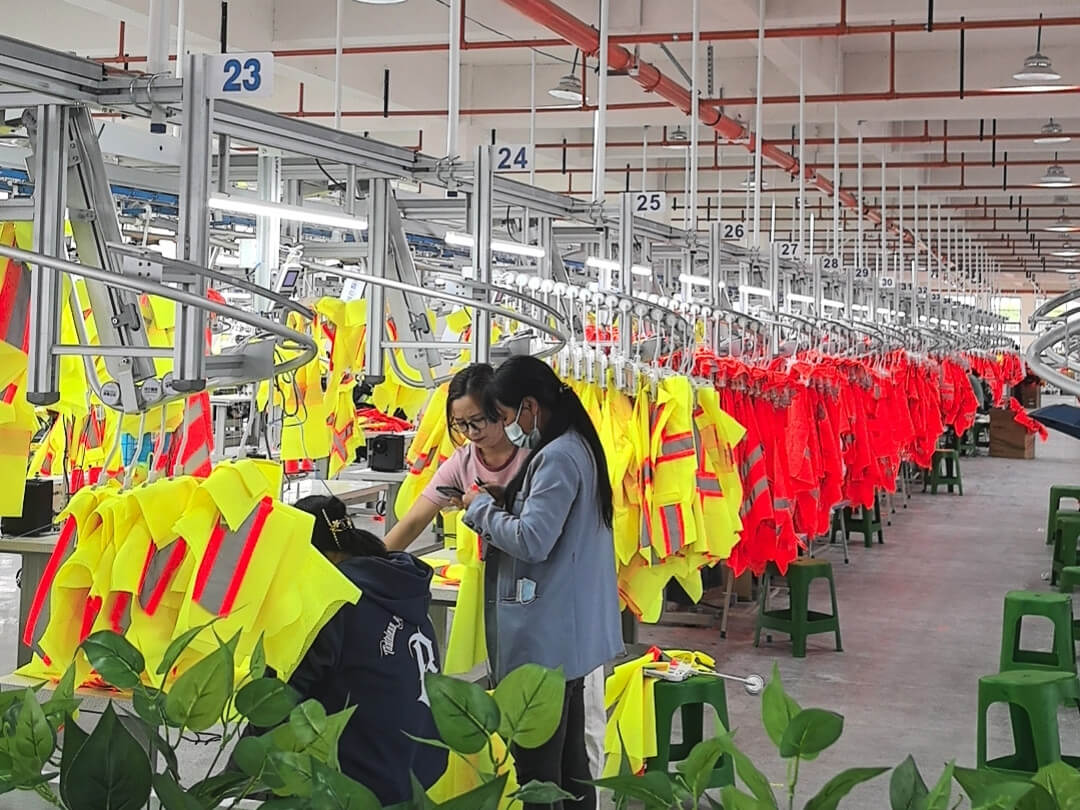
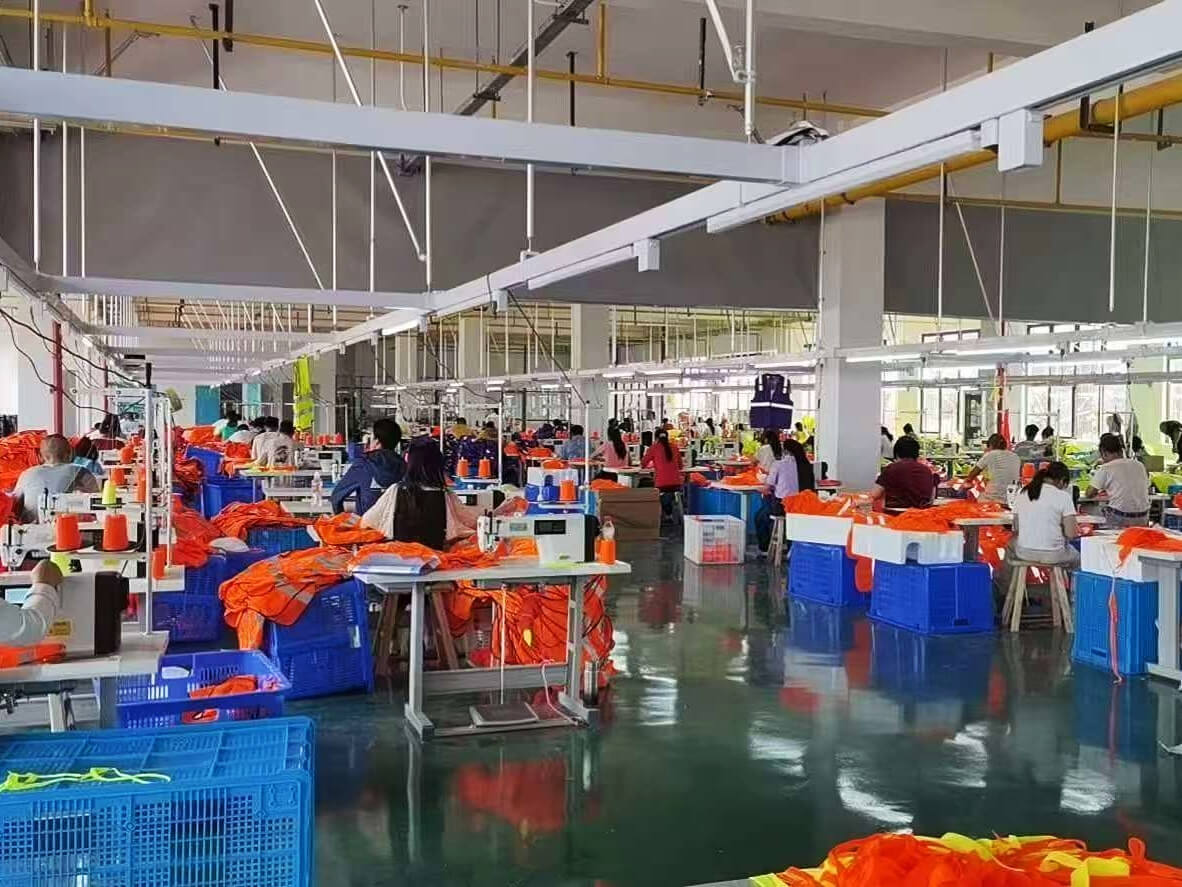
During bulk production, we monitor cutting, sewing, labeling, pressing, and final inspection against the approved specification. In-line checks help identify issues early, while final random inspection reviews measurements, workmanship, color consistency, labeling, packaging, and carton condition. For safety apparel, consistent execution matters because a small variation in fabric, seam, or closure can affect both durability and user confidence.
5. Export Documentation and Delivery
We prepare commercial documents, packing lists, shipping marks, and applicable compliance documentation based on your destination market and order terms. Our team coordinates production schedules, inspection timing, and logistics arrangements to support distributor replenishment, project tenders, and seasonal program launches. Clear communication throughout the process helps reduce surprises and protects your delivery plan.
FAQs
Custom FR stretch clothing is flame-resistant workwear made to a buyer’s own design, fit, branding, fabric specification, and protection requirements. It commonly includes FR stretch pants, shirts, jackets, coveralls, bib overalls, and high-visibility garments for industrial and electrical work environments.
We can develop garments around applicable standards such as NFPA 2112, ASTM F1506, EN ISO 11612, EN ISO 11611, EN 1149, and EN ISO 20471. The appropriate standard depends on the hazard, garment type, destination market, and end-user risk assessment. ASTM F1506, for example, covers flame-resistant and electric-arc-rated protective clothing for workers exposed to arc and related thermal hazards.
Yes. We manufacture custom FR stretch pants, work shirts, jackets, coveralls, bib pants, and coordinated workwear programs. Each style can be developed with your preferred fabric, fit, pocket layout, reflective design, closure system, branding, and packaging.
Common options include FR cotton/spandex stretch twill, FR canvas, cotton-rich FR fabrics, and technical blends selected for the intended hazard and garment weight. Stretch content improves movement, while the FR system is selected according to the required protection standard and washing expectations.
Yes. VisonSafety provides OEM and private-label manufacturing for brands, distributors, wholesalers, and uniform-program buyers. We can apply your logo, labels, hangtags, packaging, trims, colors, and garment specifications while maintaining consistency across repeat orders.
MOQ depends on the garment type, fabric availability, customization level, colors, sizes, and whether new patterns or trims are required. We recommend sharing your target quantity, size breakdown, and design requirements so we can propose a practical production plan.
Yes. We support development samples, counter samples, and pre-production samples. Buyers should approve the golden sample before mass production so that fabric, fit, construction, branding, and packaging are confirmed as the production benchmark.
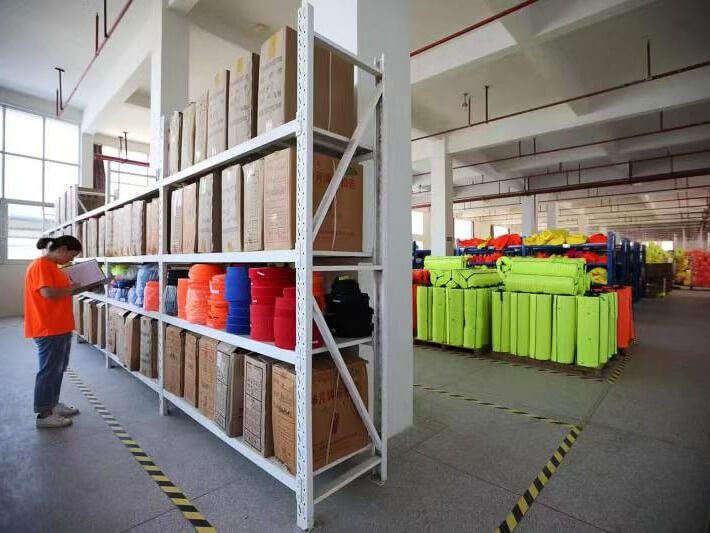
We control quality from fabric intake through final inspection. Fabric rolls are tested before bulk production and records are archived for three years. During production, we monitor cutting, sewing, labeling, and finishing; final inspection covers measurements, workmanship, color consistency, labels, packaging, and carton condition.
Yes. We can integrate reflective tape, contrasting panels, and high-visibility design elements for FR workwear programs. For garments intended to meet EN ISO 20471, the design, material placement, and garment construction must be planned according to the applicable visibility class and standard requirements.
Typical applications include electrical utilities, oil and gas, welding, metal fabrication, maintenance, construction, mining, logistics, and industrial manufacturing. FR stretch clothing is especially suitable where workers need protection from heat or flame-related hazards while bending, climbing, kneeling, or working in confined spaces.
Some Cool Facts
Collaborated with Global Partners on





 English
 Deutsch
 Français
 Polski
 Português do Brasil
 Español
 日本語
 Русский
 العربية
 Italiano
 Nederlands
 Türkçe
 한국어