
Safety vests play a crucial role in ensuring worker visibility and safety in various industries. The Occupational Safety and Health Administration (OSHA) has established specific requirements regarding the use of high visibility safety vests to protect workers from potential hazards. This article will delve into the compliance standards, types of vests, and relevant safety guidelines that govern the use of safety vests in the workplace. Readers will gain insights into OSHA’s high visibility requirements, the alignment of ANSI classifications with OSHA standards, and how to choose the right safety vest for their business. By understanding these regulations and guidelines, employers can enhance workplace safety and ensure compliance with federal standards.
Compliance Standards
Compliance with safety standards is essential for ensuring the protection of workers in hazardous environments. OSHA mandates that employers provide personal protective equipment (PPE) that meets specific standards, including the ANSI/ISEA 107 standard for high visibility safety apparel. This standard outlines the requirements for the design, performance, and use of safety vests, ensuring that they provide adequate visibility in various conditions. Compliance with these standards not only protects workers but also helps employers avoid potential fines and legal issues.
Types of Vests
Get a Custom Hi-Vis Vest Quote from VisonSafety
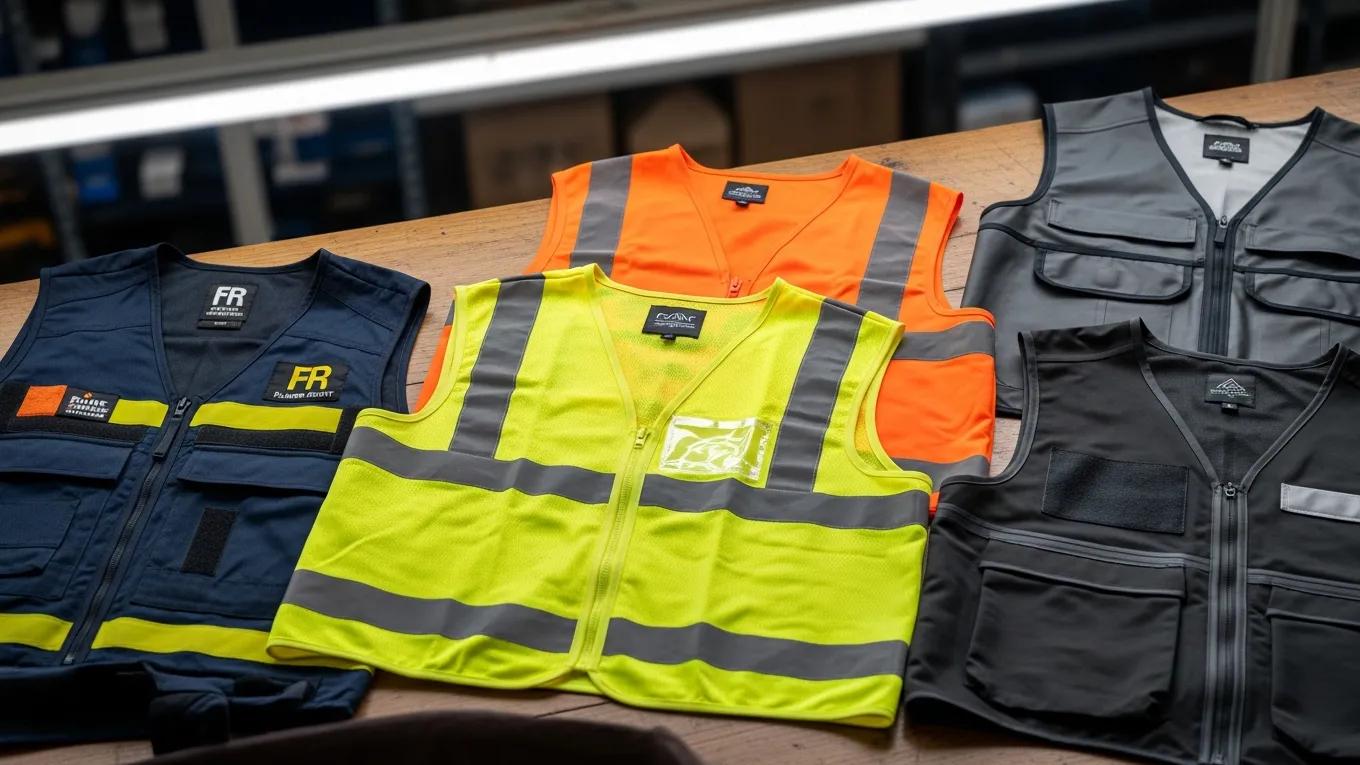
There are several types of safety vests available, each designed for specific applications and environments. Understanding the different types can help employers select the appropriate vest for their workforce. The main types include:
Hi-Vis Vests: These vests are made from fluorescent materials that enhance visibility in daylight conditions.
Flame-Resistant Vests: Designed for environments where fire hazards are present, these vests provide protection against flames and heat.
Waterproof and Insulated Vests: Ideal for cold and wet conditions, these vests keep workers warm and dry while maintaining visibility.
Choosing the right type of vest is crucial for ensuring worker safety in various environments.
Relevant Safety Guidelines
Employers must adhere to specific safety guidelines when implementing the use of safety vests in the workplace. Key guidelines include:
Hazard Assessment Requirements: Employers should conduct a thorough assessment of the work environment to determine the need for high visibility safety vests.
Proper Fitting of Vests: Safety vests must fit properly to ensure maximum visibility and comfort for the wearer.
Maintenance and Inspection Protocols: Regular inspections and maintenance of safety vests are essential to ensure they remain in good condition and compliant with safety standards.
By following these guidelines, employers can enhance the effectiveness of safety vests in protecting their workers.
The importance of proper fit extends beyond comfort, directly impacting safety and compliance, especially as the workforce becomes more diverse.
Safety Vest Compliance & Proper Fit for Diverse Workforces
As the construction industry transitions to reflect a more diverse population, it is essential that personal protective equipment (PPE) accommodates this shift in demographics. In particular, the “One size fits all” approach is no longer an appropriate metric of fit for the safety vest. Previous student research reflected an overwhelming consensus that construction workers do not have vests which appropriately fit them.
Safely Covered or Dangerously Exposed: Analyzing the Safety Vest Code of Compliance, 2015
What Are OSHA’s High Visibility Requirements for Safety Vests?
Get a Custom Hi-Vis Vest Quote from VisonSafety
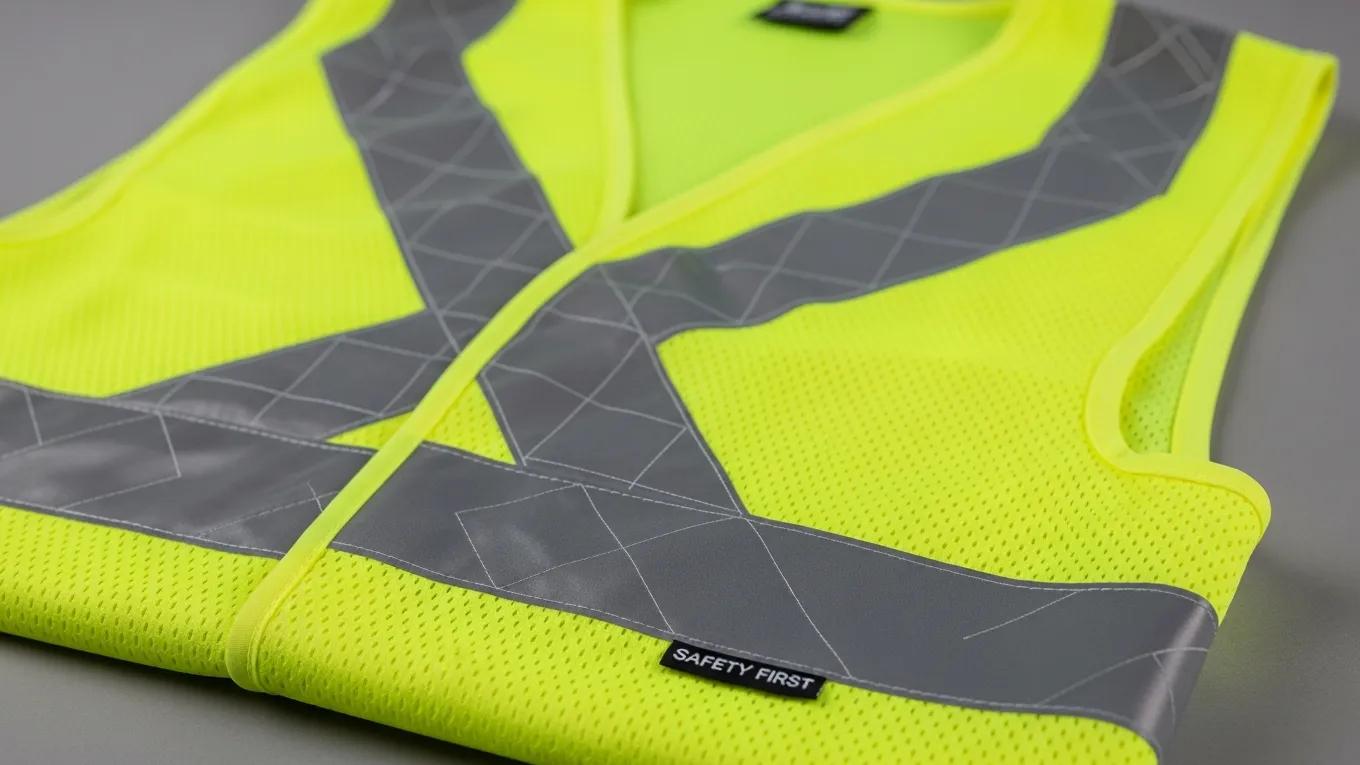
OSHA’s high visibility requirements for safety vests are designed to ensure that workers are easily seen in various work environments. These requirements include specific visibility classes, material specifications, and employer responsibilities.
Which OSHA Regulations Mandate the Use of Safety Vests?
OSHA regulations, particularly 29 CFR 1926.951, mandate the use of high visibility safety vests in construction and other high-risk industries. Employers are obligated to provide vests that meet the ANSI/ISEA 107 standard, ensuring that workers are visible to oncoming traffic and machinery.
How Does OSHA Define Personal Protective Equipment for Visibility?
OSHA defines personal protective equipment (PPE) for visibility as any clothing or gear that enhances a worker’s visibility in hazardous environments. This includes safety vests that meet specific material and design standards to ensure they are effective in various lighting conditions.
How Do ANSI Safety Vest Classifications Align with OSHA Standards?
The American National Standards Institute (ANSI) classifies safety vests into different categories based on their visibility levels and intended use. These classifications align closely with OSHA standards, ensuring that vests provide adequate protection in various work environments.
While ANSI/ISEA standards are crucial for ensuring visibility, they also present challenges in achieving a truly universal fit, particularly for diverse body types.
ANSI/ISEA Standards for High-Visibility Safety Vests & Fit
Safety vests are an essential piece of protective equipment worn by individuals working in environments requiring high visibility for safety reasons. The American National Standards Institute (ANSI) and the International Safety Equipment Association (ISEA) develop safety vest standards to ensure 360-degree visibility of workers, but these standards create limitations in manufacturer’s abilities to create a well-fitted vest for women of smaller stature, particularly in the sizes between XXS and S, as the required square inches of material result in a baggy fit.
Designing Safety Vests to Fit Women, 2020
What Are the Differences Between ANSI Class 2 and Class 3 Vests?
ANSI Class 2 vests are designed for workers in environments with moderate traffic, providing a higher level of visibility than Class 1 vests. In contrast, Class 3 vests offer the highest level of visibility and are intended for workers in high-risk situations, such as those working near moving vehicles or heavy machinery. Understanding these differences is crucial for selecting the appropriate vest for specific job functions.
How Do ANSI Standards Ensure Reflective Safety Vest Compliance?
ANSI standards ensure that reflective safety vests meet specific visibility requirements through rigorous testing and certification processes. These standards dictate the amount and placement of reflective material on vests, ensuring that they provide maximum visibility in low-light conditions.
When and Where Must Workers Wear OSHA-Compliant Safety Vests?
Workers must wear OSHA-compliant safety vests in various situations, particularly in environments where visibility is critical for safety.
Which Industries Require High Visibility Safety Vests Under OSHA?
Several industries are required to implement the use of high visibility safety vests under OSHA regulations, including:
Construction: Workers on construction sites must wear safety vests to ensure they are visible to machinery operators and other workers.
Traffic Control: Personnel directing traffic or working near roadways are required to wear high visibility vests to enhance their visibility to drivers.
Emergency Services: First responders and emergency personnel must wear safety vests to ensure they are seen in emergency situations.
What Are the Situational Requirements for Wearing Reflective Safety Apparel?
Situational requirements for wearing reflective safety apparel include working in low-light conditions, near moving vehicles, or in areas with high pedestrian traffic. Employers must assess the specific needs of their work environment to determine when safety vests are necessary.
How to Choose the Right OSHA-Compliant Safety Vest for Your Business?
Choosing the right OSHA-compliant safety vest involves considering several factors to ensure maximum protection and comfort for workers. Key considerations include:
Visibility Features: Ensure the vest meets ANSI visibility standards for the specific work environment.
Fit and Comfort: Select vests that fit well and allow for ease of movement.
Durability and Quality: Choose vests made from high-quality materials that can withstand the rigors of the work environment.
Get a Custom Hi-Vis Vest Quote from VisonSafety
What Material and Reflectivity Features Ensure OSHA Compliance?
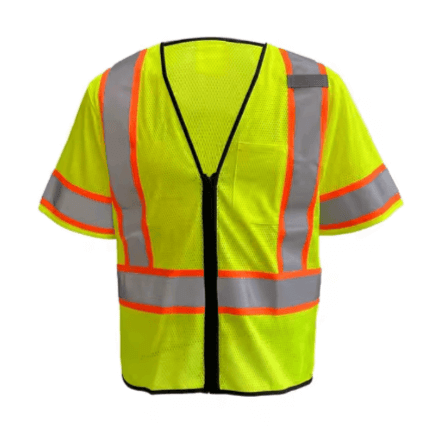
The materials used in safety vests play a significant role in ensuring compliance with OSHA standards. Key features include:
Fluorescent Material: This enhances visibility in daylight conditions.
Reflective Tape: Strategically placed reflective tape increases visibility in low-light situations.
Durable Fabrics: Vests should be made from materials that can withstand wear and tear while maintaining their reflective properties.
How Can Customizable Safety Vests Enhance Workplace Safety and Brand Image?
Customizable safety vests offer several benefits beyond compliance with safety standards. These include:
Enhanced Visibility: Custom designs can incorporate additional reflective materials for improved visibility.
Brand Identity: Custom vests can feature company logos, promoting brand recognition while ensuring safety.
Compliance and Safety Culture: Providing high-quality, branded safety gear fosters a culture of safety within the organization.
What Are the Benefits of Using VisonSafety ANSI-Compliant Safety Vests?
VisonSafety specializes in high visibility personal protective equipment, with a core focus on safety vests compliant with OSHA and ANSI standards. The benefits of using VisonSafety ANSI-compliant safety vests include:
Safety Features: VisonSafety vests are designed to meet rigorous safety standards, ensuring maximum protection for workers.
Visibility Enhancements: The vests feature high-quality reflective materials that enhance visibility in various conditions.
Compliance Advantages: Using VisonSafety products helps businesses maintain compliance with OSHA regulations, reducing the risk of fines.
How Do VisonSafety Vests Meet or Exceed OSHA and ANSI Requirements?
VisonSafety vests are engineered to meet or exceed OSHA and ANSI requirements through rigorous testing and quality control processes. Key features include:
Visibility Levels: The vests are designed to provide optimal visibility in both daylight and low-light conditions.
Design Specifications: VisonSafety vests incorporate the latest design innovations to enhance comfort and functionality.
Quality Checks: Each vest undergoes strict quality checks to ensure compliance with safety standards.
What Cost and Risk Reduction Advantages Do These Safety Vests Offer?
Investing in high-quality safety vests from VisonSafety offers several cost and risk reduction advantages, including:
Cost Savings: Durable vests reduce the need for frequent replacements, leading to long-term savings.
Risk Reduction: Enhanced visibility decreases the likelihood of accidents, protecting workers and reducing liability for employers.
Compliance Benefits: Using compliant safety gear helps avoid fines and legal issues associated with non-compliance.
What Are Common FAQs on OSHA Safety Vest Requirements and Usage?
Understanding OSHA safety vest requirements can help employers ensure compliance and enhance workplace safety. Common questions include:
How to Maintain and Inspect OSHA-Compliant Safety Vests?
Regular maintenance and inspection of safety vests are crucial for ensuring their effectiveness. Key practices include:
Regular Inspections: Check vests for wear and tear, ensuring they remain in good condition.
Cleaning and Care: Follow manufacturer guidelines for cleaning to maintain the integrity of reflective materials.
Replacement Protocols: Establish protocols for replacing vests that show signs of damage or wear.
By adhering to these maintenance practices, employers can ensure that their safety vests remain compliant and effective in protecting workers.
To explore a wide range of safety vests, check out VisonSafety’s collection.
Ensuring worker safety and compliance with OSHA standards is paramount. Contact us today to learn more about how VisonSafety can help your business meet its safety needs.
 English
 Deutsch
 Français
 Polski
 Português do Brasil
 Español
 日本語
 Русский
 العربية
 Italiano
 Nederlands
 Türkçe
 한국어