
Choosing the right size safety vest is crucial for ensuring both safety and comfort in various work environments. A well-fitted safety vest not only enhances visibility but also allows for ease of movement, which is essential in industrial and commercial settings. This comprehensive guide will help you understand the key factors involved in selecting the appropriate size for safety vests, including measurement techniques, fit considerations, and relevant industry standards. By addressing common sizing challenges, this article aims to provide practical solutions for businesses looking to equip their workforce with the right safety apparel.
In this guide, we will cover essential topics such as how to accurately measure for a hi-vis safety vest, the ANSI and industry standards that dictate sizing, and the different types of safety vests available. Additionally, we will explore the business benefits of choosing the correct size and answer frequently asked questions about safety vest sizing and adjustability.
Measurement Techniques
Get a Custom Hi-Vis Vest Quote from VisonSafety
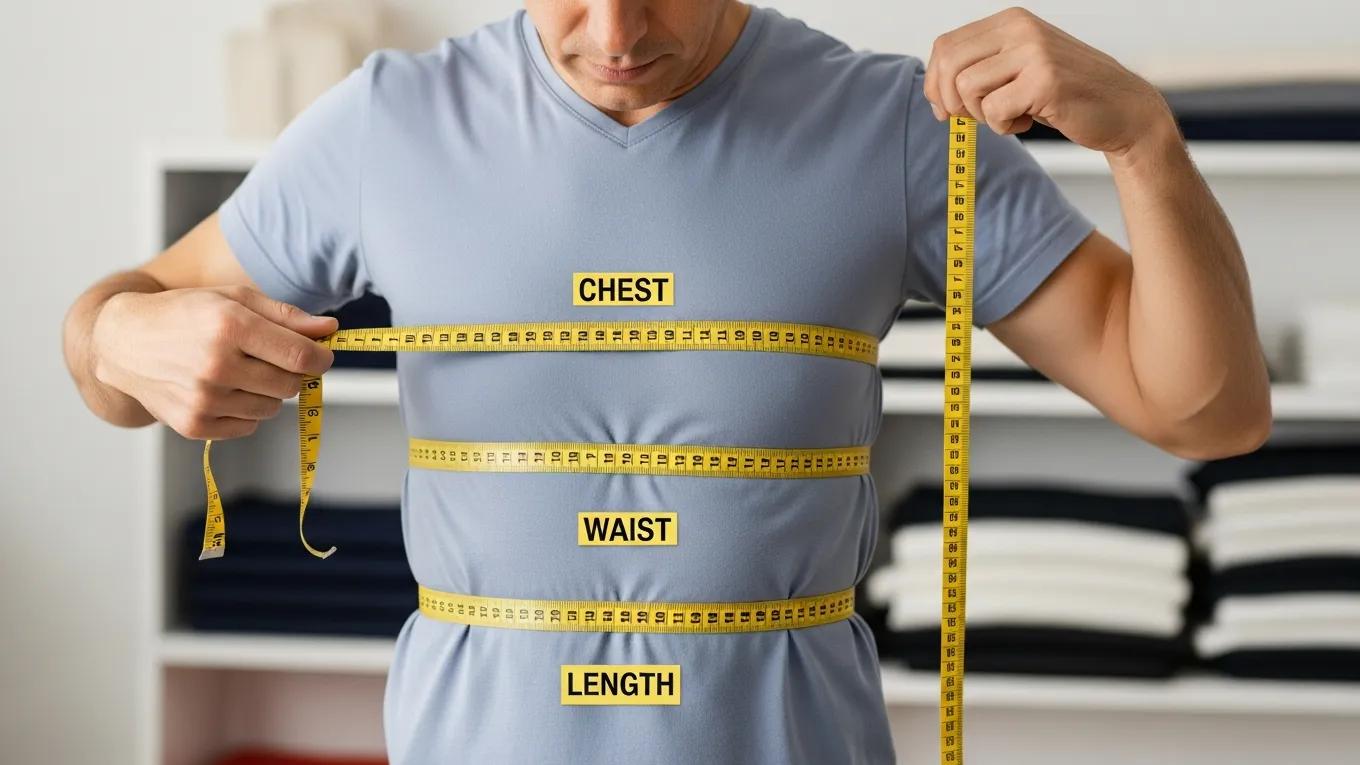
Accurate measurement is the first step in selecting the right size safety vest. To ensure a proper fit, it is essential to use a sizing chart and take precise measurements of the wearer. This process involves measuring key areas such as the chest, waist, and length of the vest. By following these guidelines, businesses can avoid the pitfalls of ill-fitting safety apparel, which can lead to safety hazards and decreased worker efficiency.
How Do You Accurately Measure for a Hi-Vis Safety Vest?
To measure for a hi-vis safety vest, follow these steps:
Chest Measurement: Measure around the fullest part of the chest, ensuring the tape is level and snug but not tight.
Waist Measurement: Measure around the natural waistline, typically just above the hips.
Length Measurement: Measure from the highest point of the shoulder down to the desired length of the vest.
These measurements will help you determine the appropriate size based on the manufacturer’s sizing chart.
What Are the Key Measurement Points: Chest, Waist, and Length?
The key measurement points for safety vests include:
Chest: This measurement is critical as it ensures the vest fits comfortably around the upper body without restricting movement.
Waist: A proper waist measurement helps in selecting a vest that allows for adjustments and a secure fit.
Length: The length of the vest should cover the torso adequately, providing protection without hindering mobility.
How to Use Measurement Tools for Reliable Sizing Results?
Using the right tools can enhance the accuracy of your measurements. Here are some tips:
Measuring Tape: A flexible measuring tape is essential for taking body measurements accurately.
Sizing Charts: Always refer to the manufacturer’s sizing chart to match measurements with the correct size.
Assistance: Having someone assist you can ensure that measurements are taken correctly and consistently.
Fit Considerations
Get a Custom Hi-Vis Vest Quote from VisonSafety
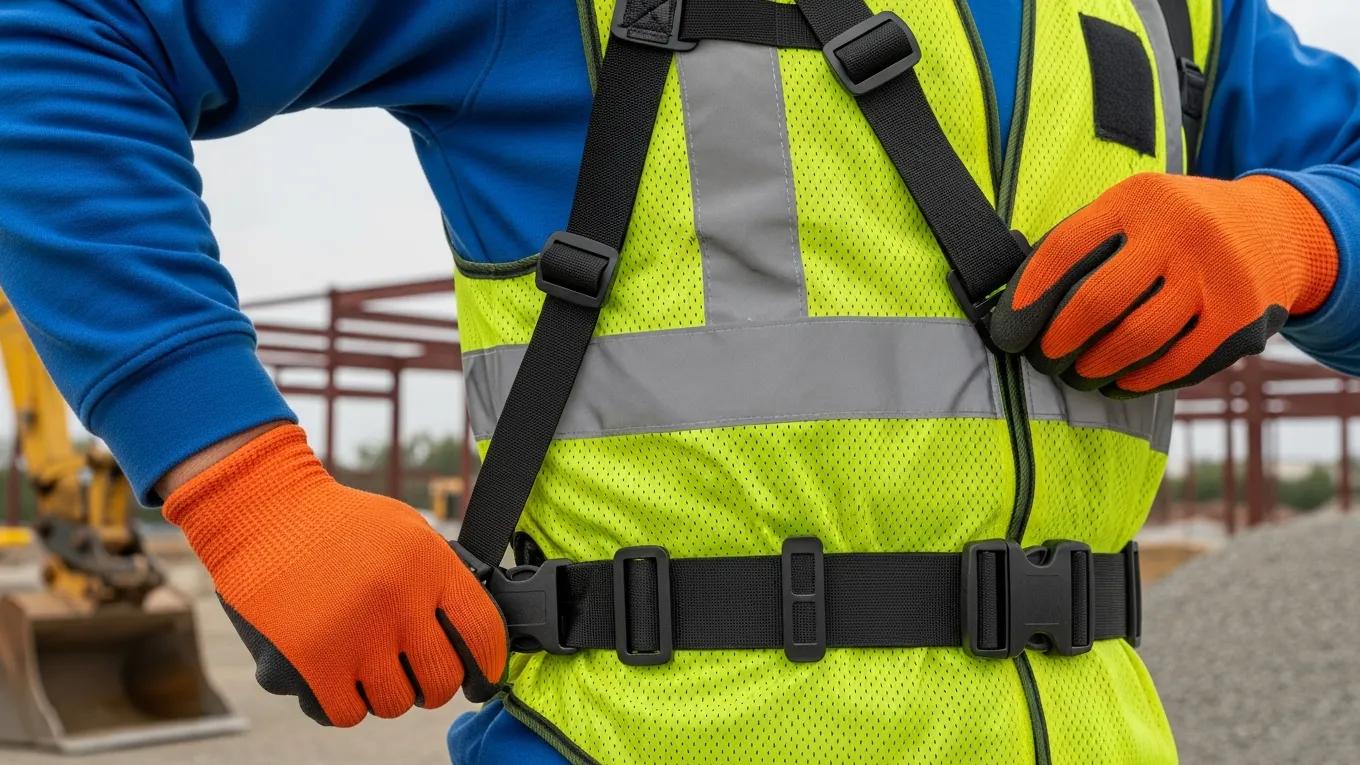
When selecting a safety vest, fit is a critical factor that can impact both safety and comfort. A vest that is too tight can restrict movement, while one that is too loose may not provide adequate protection. Therefore, it is essential to consider the following factors when ensuring a proper fit:
Indeed, the importance of a well-fitted safety vest extends beyond mere comfort, directly impacting a worker’s safety and ability to perform tasks effectively.
The Critical Role of Proper Safety Vest Fit for Worker Safety & Comfort
A properly fitting safety vest is crucial in upholding the safety of individuals working on a construction site, where certain genders are more frequently caught on jobsite material. These circumstances hinder the purpose and functionality of the safety vest’s primary functions, which, for the wearer, is increased visibility and the comfort to carry out their duties.
Fitting in: Analyzing the fit of safety vests in the construction industry, 2020
Allow for Movement: The vest should allow for a full range of motion, especially for workers who need to perform physical tasks.
Adjustable Features: Many safety vests come with adjustable straps or closures that can help achieve a better fit.
Body Types: Different body types may require different sizing considerations, so it is important to account for variations in body shape.
Recognizing the evolving demographics of the workforce, it’s increasingly clear that a ‘one size fits all’ approach to safety vests is insufficient for ensuring proper fit and protection.
The Need for Properly Fitted Safety Vests in Diverse Workforces
As the construction industry transitions to reflect a more diverse population, it is essential that personal protective equipment (PPE) accommodates this shift in demographics. In particular, the “One size fits all” approach is no longer an appropriate metric of fit for the safety vest. Previous student research reflected an overwhelming consensus that construction workers do not have vests which appropriately fit them.
Safely Covered or Dangerously Exposed: Analyzing the Safety Vest Code of Compliance, 2015
VisonSafety offers a range of hi-vis safety vests that feature adjustable straps, ensuring a comfortable fit for various body types. Their collection emphasizes compliance with safety standards while providing comfort for the wearer.
Relevant Industry Standards
Safety vests must comply with specific industry standards to ensure they provide adequate protection. Understanding these standards is essential for businesses looking to equip their workforce with compliant safety apparel.
What Are the ANSI and Industry Standards for Safety Vest Sizes?
The American National Standards Institute (ANSI) sets forth guidelines for safety vests, including sizing requirements. Compliance with ANSI/ISEA 107 ensures that vests meet visibility and performance standards necessary for various work environments.
However, adhering to these crucial ANSI/ISEA standards can sometimes present challenges for manufacturers, particularly when designing vests that offer a proper fit for all body types, such as women of smaller stature.
Designing Safety Vests for Women: Addressing Fit Challenges
This paper focuses on the design and construction of safety vests for women, particularly in XS and XXL sizes. Safety vests are an essential piece of protective equipment worn by individuals working in environments requiring high visibility for safety reasons. The American National Standards Institute (ANSI) and the International Safety Equipment Association (ISEA) develop safety vest standards to ensure 360-degree visibility of workers, but these standards create limitations in manufacturer’s abilities to create a well-fitted vest for women of smaller stature, particularly in the sizes between XXS and S, as the required square inches of material result in a baggy fit.
Designing Safety Vests to Fit Women, 2020
Which ANSI Classes Define Reflective Safety Vest Size Requirements?
ANSI classifies safety vests into three categories based on visibility requirements:
Class 1 Vests: Suitable for low-risk environments where workers are not exposed to traffic.
Class 2 Vests: Designed for workers in environments with moderate traffic, providing increased visibility.
Class 3 Vests: Required for high-risk situations, offering maximum visibility and protection.
How Do ISO and NFPA Standards Influence Safety Vest Dimensions?
International Organization for Standardization (ISO) and National Fire Protection Association (NFPA) standards also influence safety vest dimensions. These standards ensure that vests are designed to provide adequate protection while allowing for comfort and mobility.
What Types of Safety Vests Are Available and How Do Their Fits Differ?
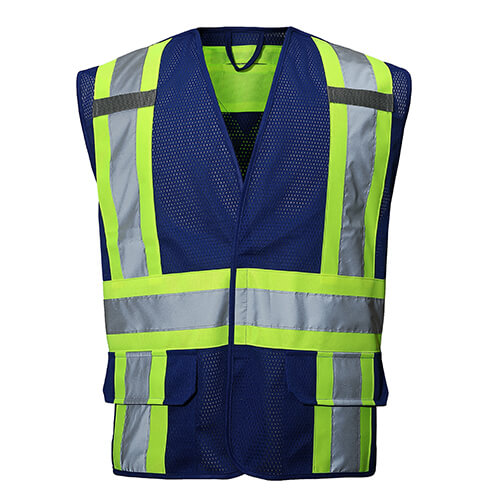
Safety vests come in various styles and fits, each designed for specific applications. Understanding these differences can help businesses select the most appropriate vest for their needs.
Get a Custom Hi-Vis Vest Quote from VisonSafety
What Are the Differences Between Adjustable and Fixed Size Safety Vests?
Adjustable Safety Vests: These vests feature adjustable straps that allow for a customizable fit, accommodating various body types and layers of clothing.
Fixed Size Safety Vests: These vests come in predetermined sizes and may not offer the same level of flexibility in fit.
How Do Material and Construction Affect Vest Fit and Comfort?
The materials used in safety vests can significantly impact their fit and comfort. For example:
Polyester and Nylon: These materials are durable and often used in high-visibility vests, providing both comfort and longevity.
Cotton Blends: These offer breathability and comfort but may not be as durable as synthetic materials.
Water-Resistant Finishes: Some vests come with water-resistant coatings, enhancing their usability in various weather conditions.
How to Use a Safety Vest Size Chart to Select the Best Vest for Workers?
Using a safety vest size chart effectively can streamline the selection process for businesses. Here are some guidelines:
Measuring the Worker: Ensure that each worker is measured accurately to match the size chart.
Consulting the Size Chart: Refer to the manufacturer’s size chart to find the corresponding size based on measurements.
Selecting the Appropriate Size: Choose a size that allows for movement and comfort while adhering to safety standards.
How to Interpret Chest, Waist, and Length Dimensions on Size Charts?
Interpreting size charts involves understanding how each measurement corresponds to the vest size. For example, if a size chart indicates that a chest measurement of 40-42 inches corresponds to a medium vest, ensure that the worker’s chest measurement falls within this range.
What Are the Recommended Sizes for Diverse Body Types and Industries?
Different industries may have specific sizing needs based on the workforce’s demographics. For instance, construction workers may require larger sizes due to the physical nature of their work, while office workers may need smaller sizes.
What Are the Business Benefits of Choosing the Correct Safety Vest Size?
Selecting the right size safety vest offers several business benefits, including enhanced safety and compliance with regulations.
How Does Proper Sizing Reduce Safety Risks and Compliance Issues?
Properly sized safety vests can significantly reduce safety risks by ensuring that workers are visible and comfortable. This visibility is crucial in preventing accidents and ensuring compliance with safety regulations.
In What Ways Does Correct Fit Enhance Worker Comfort and Operational Efficiency?
A well-fitted safety vest enhances worker comfort, which can lead to increased productivity. When workers feel comfortable in their safety gear, they are more likely to perform their tasks efficiently and effectively.
What Are Common FAQs About Safety Vest Sizing and Adjustability?
Understanding common questions about safety vest sizing can help businesses make informed decisions.
Can Safety Vests Be Adjusted to Fit Different Sizes?
Yes, many safety vests come with adjustable features that allow them to fit a range of sizes. This flexibility is particularly beneficial in environments where multiple users may wear the same vest.
How Often Should Businesses Review and Update Safety Vest Sizes?
Businesses should regularly review and update safety vest sizes to ensure compliance with safety standards and accommodate changes in workforce demographics. Regular assessments can help maintain safety and comfort for all employees.
How Do You Accurately Measure for a Hi Vis Safety Vest?
Accurate measurement is essential for selecting the right size safety vest. By following the guidelines outlined in this article, businesses can ensure that their workforce is equipped with properly fitting safety apparel that meets industry standards and enhances safety.
This table summarizes the key measurement points necessary for selecting the right size safety vest, emphasizing their importance in ensuring comfort and safety for workers.
For businesses looking to explore a wide range of options, VisonSafety offers a variety of hi-vis vests designed to meet diverse needs.
Selecting the correct hi-vis safety vest is crucial for ensuring worker safety and compliance. If you have any questions or need assistance, contact us for expert guidance.
 English
 Deutsch
 Français
 Polski
 Português do Brasil
 Español
 日本語
日本語 Русский
 العربية
 Italiano
 Nederlands
 Türkçe
 한국어
한국어