
Screen printing safety vests is an essential process for creating high visibility apparel that meets safety standards while allowing for customization. This guide will delve into the techniques, materials, and best practices necessary for effective screen printing on safety vests. Many businesses and organizations require safety vests that not only provide visibility but also reflect their branding. Understanding the nuances of screen printing can help ensure that the final product is both functional and visually appealing. This article will cover essential techniques, suitable materials, design considerations, and best practices for custom safety vest printing.
Essential Techniques
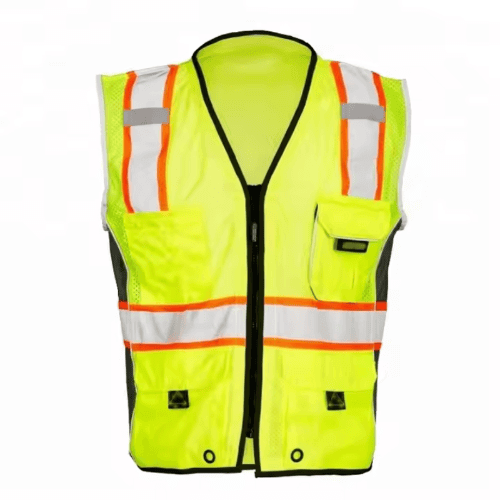
Effective screen printing on safety vests requires a solid understanding of various techniques that ensure quality and durability. Key techniques include proper ink selection, a controlled curing process, and batch testing to maintain consistency across prints. Each of these elements plays a crucial role in achieving a high-quality finish that adheres to safety standards.
What Are the Essential Screen Printing Techniques for Safety Vests?
The essential techniques for screen printing safety vests involve several critical steps. First, selecting the right ink is vital; inks must be compatible with the fabric and provide the necessary durability. Second, the curing process must be carefully controlled to ensure that the ink adheres properly and withstands wear and tear. Finally, conducting batch testing helps to ensure that each print meets quality standards, allowing for adjustments as needed.
Get a Custom Hi-Vis Vest Quote from VisonSafety
Which Screen Printing Methods Best Suit Reflective Materials?
When working with reflective materials, specific screen printing methods are more effective than others. Techniques such as plastisol printing are often preferred due to their ability to create vibrant colors and withstand harsh conditions. Water-based inks can also be used, but they require careful handling to ensure proper adhesion and durability on reflective surfaces.
How Does Screen Printing Ensure Durability on Industrial Safety Vests?
Screen printing contributes to the durability of industrial safety vests through the use of high-quality inks and proper curing techniques. Inks that are designed for industrial applications ensure that the printed designs remain intact even under extreme conditions. Controlled curing processes further enhance the longevity of the prints, making them suitable for rigorous use.
Suitable Materials
Choosing the right materials for screen printing safety vests is crucial for achieving the desired outcome. The fabric, reflective tape, and inks all play significant roles in the final product’s performance and appearance.
Fabrics
The most suitable fabrics for safety vests include polyester and nylon, which offer durability and comfort. These materials are often chosen for their ability to withstand various environmental conditions while providing a lightweight feel. Additionally, they can effectively hold printed designs, ensuring that the branding remains visible.
Reflective Tape
Reflective tape is a critical component of safety vests, enhancing visibility in low-light conditions. When selecting reflective tape, it is essential to choose high-quality options that meet safety standards. The tape should be securely attached to the vest to ensure it remains effective over time.
Inks
The choice of inks is vital for screen printing safety vests. Plastisol inks are commonly used due to their durability and vibrant colors. However, eco-friendly water-based inks are gaining popularity for their lower environmental impact. Selecting the right ink type depends on the specific requirements of the safety vest and the intended use.
Design Considerations
Designing safety vests for screen printing involves several considerations to ensure both functionality and aesthetic appeal. Key aspects include logo placement, reflective integration, and customization options.
Logo Placement
Strategic logo placement is essential for maximizing visibility and brand recognition. Logos should be positioned prominently on the vest, ensuring they are easily seen from a distance. Additionally, considering the vest’s reflective areas is crucial to maintain safety while promoting the brand.
Reflective Integration
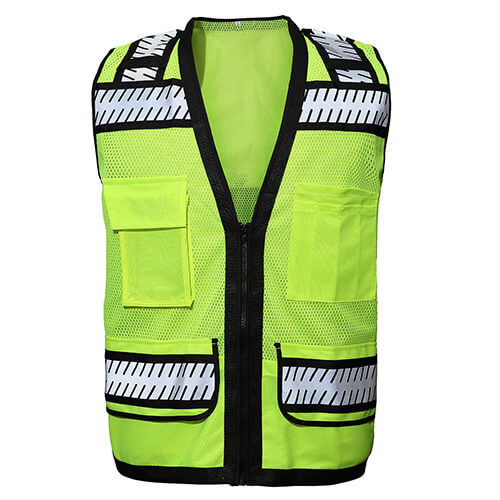
Integrating reflective elements into the design is vital for enhancing visibility. Reflective strips should be placed in areas that catch light effectively, ensuring that the vest stands out in low-light conditions. This integration not only improves safety but also adds to the overall design aesthetic.
Customization Options
Customization options for safety vests can include various colors, sizes, and additional features such as pockets or zippers. Offering a range of customization options allows businesses to tailor the vests to their specific needs, enhancing both functionality and brand representation.
Best Practices for Custom Safety Vest Printing
Get a Custom Hi-Vis Vest Quote from VisonSafety
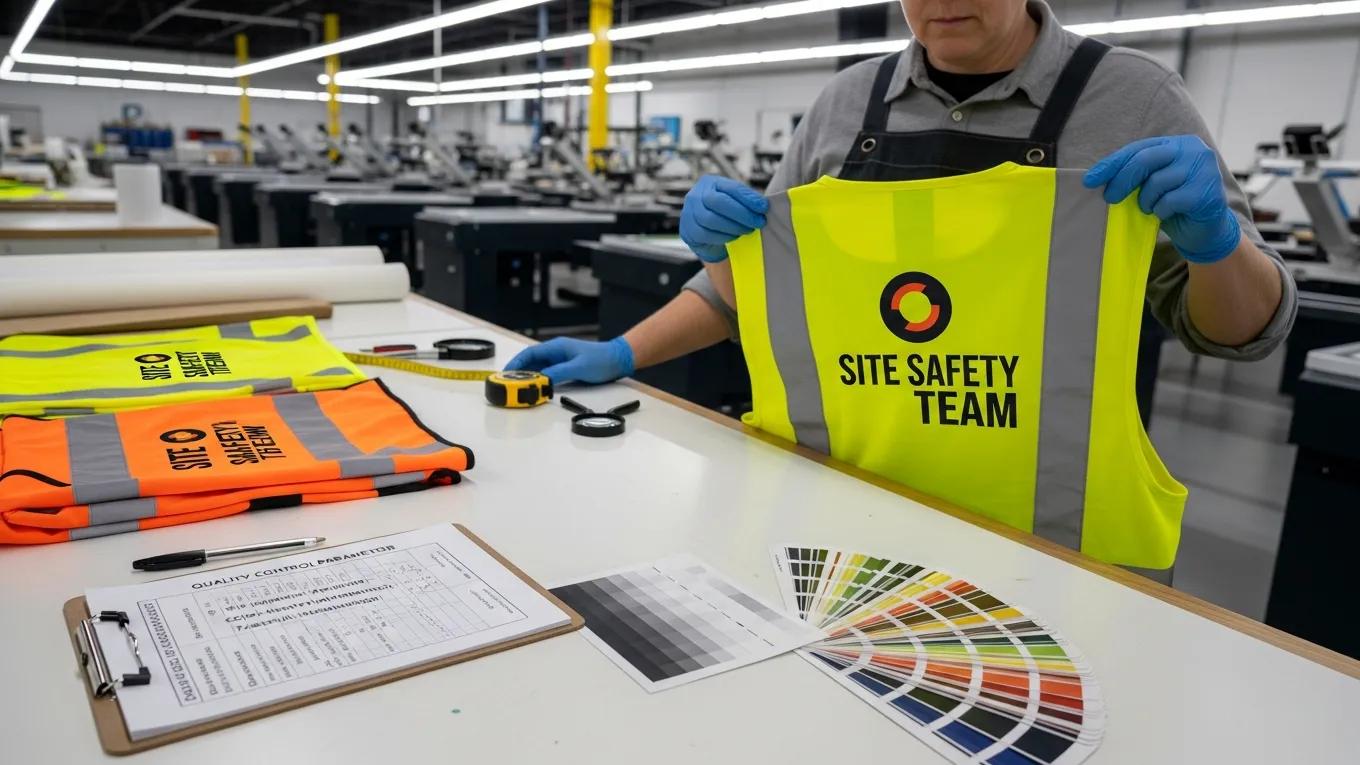
Implementing best practices in custom safety vest printing ensures high-quality results that meet safety standards. These practices include pre-production samples, quality control measures, and thorough documentation.
What Compliance Standards Govern Screen Printed Safety Apparel?
Compliance with safety standards is crucial when producing screen printed safety apparel. Organizations such as (American National Standards Institute) and (Occupational Safety and Health Administration) set guidelines that must be followed to ensure the safety and effectiveness of the vests. Adhering to these standards not only protects the wearer but also helps businesses avoid legal issues.
How Do ANSI and OSHA Standards Affect Safety Vest Printing?
and standards significantly influence the design and production of safety vests. These standards dictate the minimum requirements for visibility, including the use of reflective materials and color specifications. Understanding these regulations is essential for manufacturers to ensure their products are compliant and safe for use in various environments.
What Durability Metrics Ensure Long-Lasting Printed Safety Vests?
Durability metrics for safety vests include factors such as washability, resistance to fading, and the ability to withstand environmental stressors. Testing these metrics helps manufacturers determine the longevity of their printed designs, ensuring that the vests remain functional and visually appealing over time.
How to Optimize High Visibility Vest Customization for Industrial Branding?
Optimizing customization for industrial branding involves balancing safety and brand representation. Businesses should focus on incorporating their logos and colors while ensuring that the vest meets safety standards. This approach not only enhances brand visibility but also reinforces the commitment to safety.
What Are the Benefits of Custom Safety Vest Printing for Business?
Custom safety vest printing offers several benefits for businesses, including enhanced brand visibility, improved employee safety, and compliance with regulations. By investing in high-quality printed vests, companies can promote their brand while ensuring that their employees are protected in hazardous environments.
How to Integrate Branding While Maintaining Safety Compliance?
Integrating branding into safety vests while maintaining compliance requires careful planning. Businesses should work closely with manufacturers to ensure that branding elements do not compromise the vest’s safety features. This collaboration helps create a product that is both effective and representative of the brand.
What Are the Cost and Turnaround Time Considerations for Safety Vest Printing?
Cost and turnaround time are critical factors in the safety vest printing process. Businesses should consider the costs associated with materials, printing methods, and customization options. Additionally, understanding the expected turnaround time for production can help companies plan their inventory and ensure timely delivery.
Get a Custom Hi-Vis Vest Quote from VisonSafety
How Do Printing Methods Impact Production Efficiency?
Different printing methods can significantly impact production efficiency. Techniques such as screen printing allow for high-volume production with consistent quality, while other methods may be more time-consuming. Evaluating the efficiency of various printing methods can help businesses choose the best option for their needs.
Which Method Offers Better Compliance and Branding Opportunities?
When considering compliance and branding opportunities, screen printing often provides a more versatile solution. It allows for larger designs and vibrant colors that can enhance brand visibility while still meeting safety standards. Businesses should weigh the benefits of each method to determine the best fit for their needs.
This comparison highlights how screen printing generally offers superior branding opportunities while maintaining compliance with safety standards.
FAQs | How to Screenprint Safety Vests
What Factors Influence Pricing for Custom Screen Printed Safety Vests?
Several factors influence the pricing of custom screen printed safety vests, including material costs, printing techniques, and customization options. Understanding these factors can help businesses budget effectively and make informed decisions when ordering safety vests.
How Does Screen Printing Compare to Embroidery for Safety Vest Customization?
Screen printing and embroidery are two popular methods for customizing safety vests, each with its advantages. Screen printing offers vibrant colors and is ideal for large designs, while embroidery provides a textured look and is suitable for smaller logos. Choosing the right method depends on the desired aesthetic and functionality.
What Are the Durability and Visual Differences Between Methods?
The durability and visual differences between screen printing and embroidery can impact the choice of customization method. Screen printing typically offers a smoother finish and is more resistant to fading, while embroidery can add a tactile element to the design. Evaluating these differences helps businesses select the best option for their branding needs.
 English
 Deutsch
 Français
 Polski
 Português do Brasil
 Español
 日本語
日本語 Русский
 العربية
 Italiano
 Nederlands
 Türkçe
 한국어
한국어