
Safety vests are a core element of personal protective equipment (PPE) designed to increase worker visibility and reduce on-site risk. A key concern is the potential flammability of these garments near ignition sources. This article reviews fire hazards tied to vests, material factors that drive flammability, and relevant regulatory requirements. It summarises common fabric constructions, the benefits of flame-resistant (FR) options, guidance for selecting compliant apparel, and how branded customization can preserve protective performance.
Fire Risks
Vests made from non-flame-resistant materials can create fire hazards in environments with ignition sources, such as construction sites and industrial facilities. Flame-resistant clothing is required where flash fire, arc flash, or proximity to flammable materials are credible hazards. Choosing appropriate FR garments reduces the likelihood and severity of burns and helps employers meet safety obligations.
Materials Determining Flammability
A vest’s flammability depends on its fibres, fabric construction, and any chemical treatments. Textile systems display different thermal degradation and ignition behaviours, which affect protection and classification. The material categories below commonly influence vest performance.
Inherently Flame-Resistant Fibers : Provide long-lasting protection and are suited to higher-risk environments.
Treated Cotton Blends : Comfortable but may lose flame resistance after repeated laundering.
Blended Fabrics : Combining aramid or other FR fibers with blends can balance comfort and safety.
Understanding these classes helps select the right vest for a given hazard profile and maintenance routine.
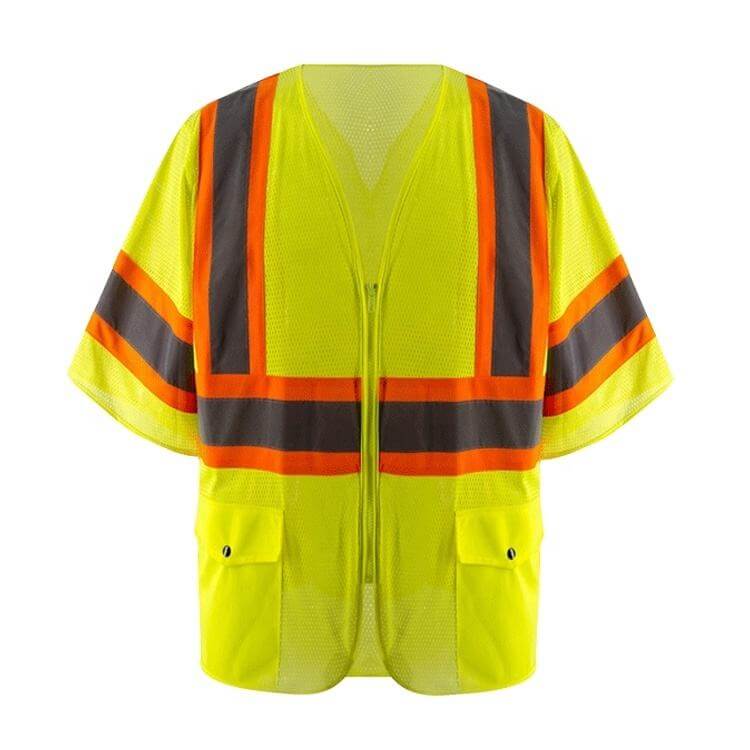
Get a Custom Hi-Vis Vest Quote from VisonSafety
Fire-Resistant Fabrics and Risk Mitigation
Fire-resistant fabrics resist ignition, limit flame spread, and often self-extinguish to reduce burn severity. Quality FR textiles retain performance with proper laundering and use. Specifying certified FR vests is an effective risk-mitigation step that reduces injury severity and supports compliance.
Safety Standards and Compliance Requirements
Safety vests should meet applicable regulatory and consensus standards to demonstrate protective performance. Key standards include:
NFPA 2112 : Focuses on flash fire protection and garment design for brief flame exposure.
EN 11612 : Specifies requirements for heat and flame protection.
ANSI/ISEA 107 : Covers high-visibility requirements for low-light conditions.
Demonstrable compliance strengthens worker protection and reduces organizational exposure to regulatory and legal risk.
Impact of Updated Industry Standards
Revisions and harmonization of standards clarify performance criteria and testing protocols, improving protective outcomes. Alignment between NFPA 2112 and ANSI/ISEA 107, for example, helps specify garments that combine flame resistance with high visibility. Keeping pace with updated standards also supports OSHA adherence and reduces regulatory gaps.
Business Benefits of Fire-Resistant Safety Vests
Investing in FR vests delivers measurable business advantages, including:
Reduced Injury Severity : FR clothing can lower injury severity and associated medical costs.
Regulatory Compliance : Meeting standards simplifies audits and reduces penalty risk.
Durability : Quality FR gear lowers replacement frequency and lifetime costs.
Prioritising certified FR vests supports safety objectives, operational continuity, and lower total cost of ownership.
VisonSafety is a company focused on delivering customized safety clothing solutions that meet international standards. Their core offering includes high-visibility safety vests designed to ensure worker safety and enhance brand visibility.
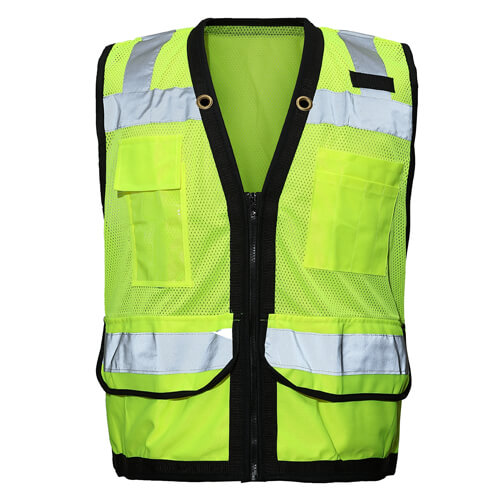
Get a Custom Hi-Vis Vest Quote from VisonSafety
How Does Compliance Reduce Operational Risks?
Conformance to recognised standards reduces exposure to fire-related incidents. Certified FR garments limit burn severity and demonstrate regulatory due diligence. Durable, compliant apparel also shortens post-incident downtime and supports faster return to operations.
Can Customization Enhance Brand Visibility Without Compromising Safety?
Customisation can boost brand recognition while preserving protection if done within regulatory limits. Additions must use flame-resistant materials and approved application methods to avoid degrading protective properties. Working with experienced suppliers ensures branding meets safety requirements.
How Can You Identify and Select Non-Flammable Safety Vests?
Selecting appropriate vests requires attention to technical and administrative factors:
Fabric Selection : Choose fabrics that resist softening and dripping under heat.
Inherent Flame Resistance : Prefer inherently FR materials over treated fabrics where possible.
Certification Documentation : Request supplier certification to verify standard compliance.
Applying these criteria helps organisations provide employees with gear suited to the operational hazard profile.
What Features Indicate Fire Resistant Safety Apparel?
Verifying flame-resistant apparel requires checking specific attributes:
Material Composition : Fabrics should be inherently flame-resistant.
Self-Extinguishing Properties : Apparel that extinguishes quickly reduces burn severity.
Certification Standards : Confirm the clothing meets recognised fire-resistance standards.
These features indicate a vest will perform under thermal exposure and meet compliance needs.
Where to Find Certified Fire Resistant Safety Vests?
Sourcing certified FR vests requires due diligence and documentation review. Consider:
Compliance with NFPA 2112 : Verify garments meet flash fire protection requirements.
Reputable Manufacturers : Choose suppliers with proven safety and quality records.
Complete Documentation : Request full documentation to confirm compliance.
Following these procurement practices helps businesses obtain verified protective apparel that reduces fire hazard exposure.
For more information or to contact us, visit our website.
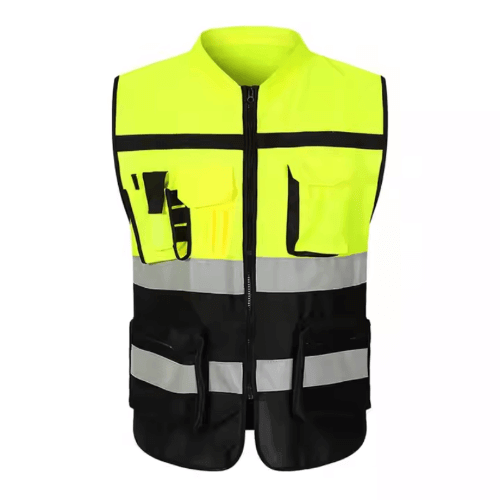
Get a Custom Hi-Vis Vest Quote from VisonSafety
Frequently Asked Questions
What are the key differences between flame-resistant and non-flame-resistant safety vests?
Flame-resistant vests are made from materials that resist ignition and typically self-extinguish, reducing burn risk. Non-FR vests lack these properties and may ignite or spread flame. Selection should follow a documented hazard assessment and relevant regulations.
How often should fire-resistant safety vests be replaced?
Replacement should follow the manufacturer’s guidance and consider mechanical damage, contamination, and laundering. Damaged or faded vests, or those suspected of losing protection, must be removed from service. Regular inspections and maintenance support compliance.
Can safety vests be customized without affecting their fire-resistant properties?
Yes, if all additions use flame-resistant materials and approved attachment methods. Modifications must be validated against the vest’s certification to ensure protective performance remains intact. Use suppliers experienced in compliant customisation.
What should I look for in certification documentation for safety vests?
Documentation should reference standards such as NFPA 2112, EN 11612, and ANSI/ISEA 107 where applicable, and detail test methods, performance values, material specs, intended use, manufacturer ID, and any expiry or revalidation terms.
Are there specific industries that require fire-resistant safety vests?
Industries with elevated fire or thermal risk—construction, oil and gas, electrical utilities, and certain manufacturing sectors—commonly require flame-resistant apparel. Employers in these sectors must specify appropriate FR garments to meet obligations and protect personnel.
How can I ensure that my safety vest meets OSHA regulations?
To align with OSHA expectations, verify vests meet consensus standards relevant to identified hazards (for example ANSI/ISEA 107 for visibility and NFPA 2112 for flame resistance). Buy from reputable manufacturers that supply complete certification and maintain review programs for standards updates.
Conclusion
Assessing vest flammability is essential to an effective PPE strategy. Specify flame-resistant materials, verify conformity to recognised standards, and implement inspection and replacement protocols to reduce fire risk and improve compliance. Investing in certified, high-quality safety apparel protects employees and supports long-term operational and financial goals. Explore our range of certified fire-resistant safety vests to ensure your workforce is safe and compliant.
 English
 Deutsch
 Français
 Polski
 Português do Brasil
 Español
 日本語
日本語 Русский
 العربية
 Italiano
 Nederlands
 Türkçe
 한국어
한국어