
High-visibility vests (hi-vis vests) are primary risk-reduction apparel engineered to increase conspicuity in low-light and complex work environments. Whether blue vests are permissible depends on conformity with established standards and regulatory requirements. This article summarises the compliance frameworks, standards, regulatory guidance, sector-specific considerations, customization constraints, and quality assurance practices that determine whether blue hi-vis vests meet safety obligations.
Employers, procurement teams, and safety managers should understand applicable standards (referenced by agencies such as OSHA) and how customised solutions can be implemented without compromising compliance or worker protection.
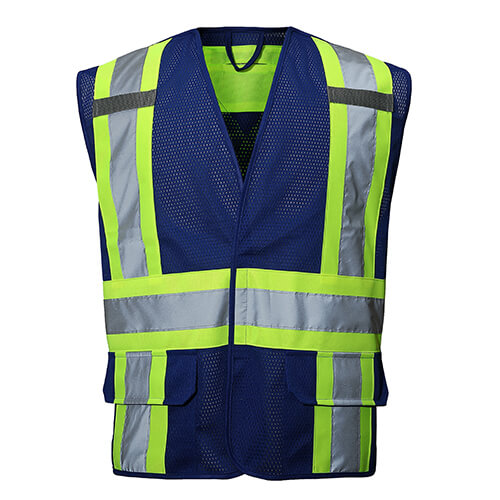
Get a Custom Hi-Vis Vest Quote from VisonSafety
Compliance Requirements
Conformity with recognised safety standards is a prerequisite for effective high-visibility apparel. ANSI/ISEA 107 specifies background colour, configuration, and minimum performance levels; EN ISO 20471 establishes test methods and visibility class criteria. Meeting these standards ensures materials, retroreflective components, and garment design provide the required conspicuity.
Non-compliance increases exposure to incidents and regulatory enforcement. Employers must specify and deploy apparel that demonstrably meets the relevant standardised criteria.
Industry Standards
Standards set minimum retroreflective area, approved background colours, and placement of conspicuity materials. ANSI/ISEA 107 prescribes performance thresholds for fluorescent backgrounds and retroreflective tape to ensure visibility to vehicular traffic and mobile plant in reduced light. Objective testing for reflective durability, colour retention, tensile strength, and seam integrity is integral; documented test results and certificates support procurement decisions.
Regulatory Guidelines
Regulatory guidance (for example from OSHA) typically references ANSI and may add workplace-specific requirements. Regional and local regulations can further specify acceptable colours, garment classes, or situational mandates. Organisations should monitor federal and jurisdictional rules and incorporate regulatory review into procurement and safety management processes.
Usage Across Various Sectors
Hi vis vests are used across industries with distinct visibility needs. Construction and roadwork commonly require fluorescent yellow or orange under ANSI/ISEA 107; logistics and transportation need conspicuous garments near moving vehicles and loading equipment. Emergency services use vests for rapid identification during incident response. The chosen garment class and design must align with sector-specific operational requirements to achieve compliance and functional safety.
VisonSafety is a safety clothing provider focused on customised high-visibility apparel that meets international standards. Their core offering relevant to this topic is their hi-vis vests, including options that comply with OSHA and ANSI regulations. They target brands, wholesalers, and distributors who need reliable, compliant safety gear.
Customization and Quality Assurance
Customisation can support brand identity while preserving compliance, but any modification must not reduce retroreflective area, obscure conspicuity zones, or alter material performance. Businesses may specify background colours, retroreflective tape configurations, and additional features in accordance with ANSI/ISEA 107-2020.
Quality assurance should include formal testing, production inspections, and conformity documentation from suppliers. A structured verification protocol helps ensure branding does not compromise safety performance.
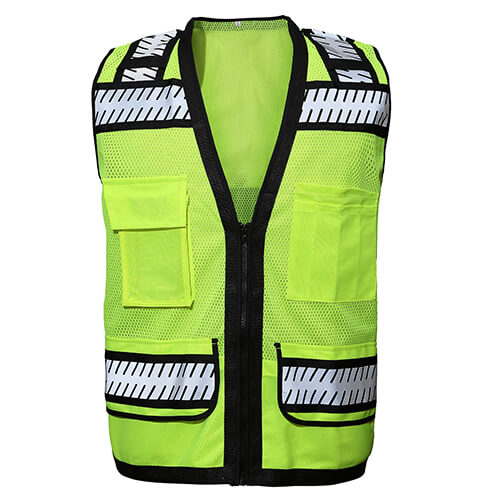
Get a Custom Hi-Vis Vest Quote from VisonSafety
What Customization Options Comply with ANSI/ISEA 107-2020 Standards?
Customization options that comply include:
Color Choices : Selecting approved fluorescent colours that enhance visibility (fluorescent yellow or orange are typical approved options).
Reflective Tape : Using high-quality retroreflective tape meeting performance specifications for visibility.
Logo and Branding Options : Placing company logos so they do not obstruct required conspicuity zones or reduce reflective area.
These options help organisations retain regulatory conformity while reinforcing corporate identity.
How Does Customization Enhance Brand Recognition and Worker Safety?
Strategic customization can increase brand visibility on site while preserving safety characteristics required by standards. Respecting conspicuity zones and minimum reflective areas maintains worker recognisability without reducing protective performance.
Functional additions such as pockets and adjustable straps can improve user compliance and efficiency when integrated without reducing reflective area or altering approved materials.
What Should Wholesalers and Distributors Know About Blue Hi-Vis Vest Legality?
Wholesalers and distributors are responsible for verifying that blue hi vis vests comply with applicable standards and regulations before market placement. Understanding product classes and acceptable colours helps prevent distribution of non-conforming goods and protects purchasers from compliance failures.
How to Verify Compliance Status When Procuring Blue Hi Vis Vests?
To verify compliance, wholesalers and distributors should:
Check Certifications : Confirm vests have certifications from recognised safety organisations.
Review Testing Documentation : Request test reports that verify visibility and durability performance.
Supplier Selection Criteria : Choose suppliers with documented quality and compliance processes.
These verification steps are fundamental to maintaining compliance controls and protecting end-users.
What Are Best Practices for Marketing and Selling Blue Hi Vis Vests?
Marketing should educate buyers on applicable standards and the limitations of non-standard colours. Promote verified safety features and clearly present customization parameters that preserve conspicuity and certification. Segment messaging by industry and align product positioning with sector requirements to improve procurement outcomes and reinforce the seller’s reputation as a compliant, safety-focused supplier.
For additional information or to contact us , visit our website.
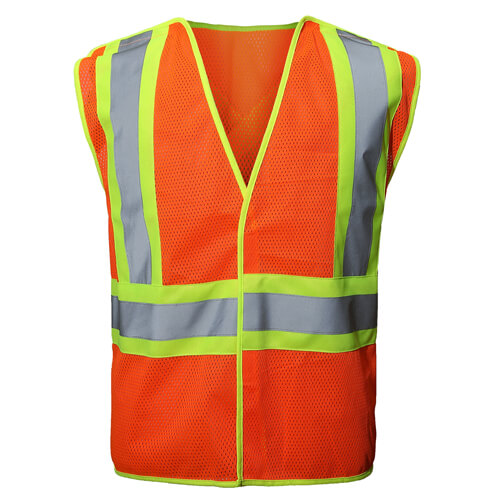
Get a Custom Hi-Vis Vest Quote from VisonSafety
Frequently Asked Questions
Are there specific industries that prohibit the use of blue hi-vis vests?
Some industries restrict non-approved colours. For example, construction and roadwork commonly require fluorescent yellow or orange under ANSI/ISEA 107. Employers should consult industry standards and local authorities to confirm acceptable colours for specific contexts.
What are the consequences of using non-compliant hi-vis vests?
Non-compliant vests increase visibility-related incident risk and may expose employers to legal liabilities, regulatory penalties, and insurance complications. Ensuring garments meet recognised standards protects personnel and reduces organisational risk.
How can businesses ensure their hi-vis vests are durable and effective?
Procure vests made from materials validated to meet performance criteria and require supplier test reports and certifications. Establish routine inspections, maintenance protocols, and a documented quality-assurance programme to identify wear and preserve protective function.
What role do local regulations play in the legality of blue hi vis vests?
Local regulations can add requirements beyond national standards and may specify permitted colours, garment classes, or situational mandates. Regularly review local guidance to ensure ongoing compliance.
Can customization affect the compliance of hi vis vests?
Yes. Customization that reduces reflective area, changes approved background materials, or obscures conspicuity zones can compromise compliance. Assess modifications against ANSI/ISEA 107-2020 and validate through testing; consult safety and standards experts when needed.
What are the best practices for training employees on the use of hi vis vests?
Implement scheduled training covering the purpose of high-visibility apparel, correct donning, and the standards that govern use. Use practical demonstrations, reinforce compliance consequences, and provide channels for employee feedback to support proper wear and continuous improvement.
Conclusion
Clear knowledge of the legal and standards framework for blue hi vis vests is essential to managing workplace risk. Specify garments that conform to recognised standards, validate customised solutions through testing and documentation, and maintain disciplined quality assurance and regulatory review to protect employees and reduce legal exposure. For further details and to review standards-compliant hi vis vests, visit our website.
 English
 Deutsch
 Français
 Polski
 Português do Brasil
 Español
 日本語
日本語 Русский
 العربية
 Italiano
 Nederlands
 Türkçe
 한국어
한국어