
Safety vests are essential components of personal protective equipment (PPE) designed to enhance visibility and safety in various work environments. Understanding the appropriate length of a safety vest is crucial for ensuring compliance with safety regulations and maximizing visibility. This guide will delve into the ANSI safety vest requirements, measurement techniques, and the impact of vest length on worker safety. By the end of this article, you will have a comprehensive understanding of how to choose the right safety vest length for your needs, including insights into customizable options and material considerations.
Get a Custom Hi-Vis Vest Quote from VisonSafety
What Are the ANSI Safety Vest Requirements for Vest Length?
The American National Standards Institute (ANSI) sets forth specific requirements for safety vest lengths to ensure adequate visibility and protection for workers in hazardous environments. These requirements are designed to enhance the safety of individuals working near traffic or in low-light conditions. Compliance with ANSI standards is not only a legal obligation but also a critical factor in maintaining workplace safety.
Which ANSI and ISO Standards Regulate Safety Vest Length?
Several ANSI and ISO standards govern the specifications for safety vest lengths. The most relevant standards include ANSI/ISEA 107, which outlines the performance requirements for high-visibility safety apparel. This standard categorizes vests into different classes based on their intended use and the level of visibility required. For instance, Class 2 vests are suitable for workers in environments with moderate traffic, while Class 3 vests are designed for high-risk situations where maximum visibility is essential. Understanding these classifications helps organizations select the appropriate vest length and style for their specific needs.
However, adhering to these standards can sometimes present challenges in achieving an optimal fit for all body types.
ANSI Standards & Women’s Safety Vest Fit Challenges
The American National Standards Institute (ANSI) and the International Safety Equipment Association (ISEA) develop safety vest standards to ensure 360-degree visibility of workers, but these standards create limitations in manufacturer’s abilities to create a well-fitted vest for women of smaller stature, particularly in the sizes between XXS and S, as the required square inches of material result in a baggy fit.
Designing Safety Vests to Fit Women, 2020
How to Measure and Determine the Correct Safety Vest Size and Length?
Get a Custom Hi-Vis Vest Quote from VisonSafety
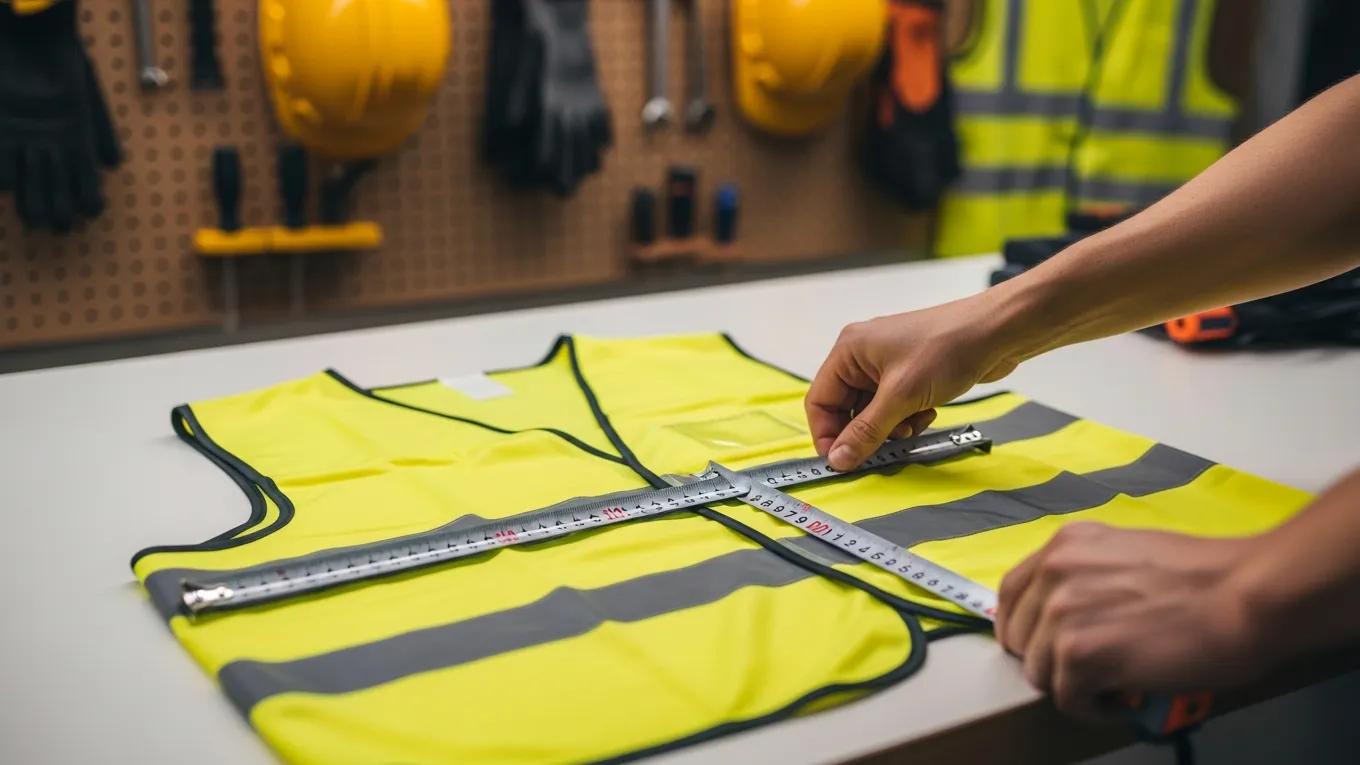
Accurate measurement is vital for selecting the right safety vest size and length. A well-fitted vest not only enhances comfort but also ensures that the reflective materials are positioned correctly for optimal visibility.
What Are the Step-by-Step Methods for Measuring Vest Length?
To measure the correct length of a safety vest, follow these steps:
Stand Straight: Ensure the individual is standing straight with arms relaxed at their sides.
Measure from the Shoulder: Use a measuring tape to measure from the highest point of the shoulder down to the desired length, typically around the mid-thigh for optimal coverage.
Consider Layering: If the vest will be worn over other clothing, account for additional length to ensure proper fit and coverage.
These steps will help ensure that the vest fits well and meets safety standards.
How Do Customizable Sizing Options Enhance Safety and Comfort?
Customizable sizing options for safety vests can significantly enhance both safety and comfort. Many manufacturers offer adjustable features such as side straps or elastic materials that allow for a better fit. This customization ensures that the vest remains securely in place during movement, reducing the risk of it riding up or becoming dislodged. Additionally, a well-fitted vest can improve the wearer’s comfort, allowing them to focus on their tasks without distraction.
Despite the availability of customizable options, the historical ‘one size fits all’ approach has often led to ill-fitting safety vests for many workers.
The Problem with ‘One Size Fits All’ Safety Vests
As the construction industry transitions to reflect a more diverse population, it is essential that personal protective equipment (PPE) accommodates this shift in demographics. In particular, the “One size fits all” approach is no longer an appropriate metric of fit for the safety vest. Previous student research reflected an overwhelming consensus that construction workers do not have vests which appropriately fit them.
Safely Covered or Dangerously Exposed: Analyzing the Safety Vest Code of Compliance, 2015
What Is the Impact of Vest Length on Visibility and Worker Safety?
The length of a safety vest plays a crucial role in its effectiveness in enhancing visibility and ensuring worker safety. A properly sized vest can significantly improve the wearer’s visibility to drivers and other workers, especially in low-light conditions.
How Does Vest Length Affect Reflectivity and High Visibility Performance?
Vest length directly impacts the amount of reflective material that can be incorporated into the design. Longer vests typically allow for more reflective tape, which enhances visibility from various angles. ANSI standards specify the minimum amount of reflective material required for different classes of vests, ensuring that workers are adequately protected in their environments.
Why Is Ergonomic Design Important for Safety Vest Length?
Ergonomic design is essential in determining the appropriate length of safety vests. A vest that is too long may restrict movement, while one that is too short may not provide adequate coverage. Ergonomically designed vests take into account the natural movements of the body, allowing for greater mobility while maintaining safety standards. This design consideration is particularly important for workers who need to perform physical tasks while wearing their vests.
Which Materials and Reflective Standards Influence Safety Vest Length Specifications?
The materials used in safety vests and the reflective standards they adhere to are critical factors in determining vest length specifications. Different materials offer varying levels of durability, comfort, and visibility.
Get a Custom Hi-Vis Vest Quote from VisonSafety
What Reflective Materials Are Used in ANSI-Compliant Safety Vests?
ANSI-compliant safety vests typically utilize high-quality reflective materials such as retroreflective tape and fluorescent fabrics. These materials are designed to enhance visibility in both daylight and low-light conditions. The use of fluorescent colors, combined with reflective tape, ensures that the vest stands out against various backgrounds, making it easier for others to see the wearer.
How Do Material Choices Affect Durability and Compliance?
The choice of materials not only affects the durability of safety vests but also their compliance with safety standards. High-quality fabrics that withstand wear and tear are essential for maintaining the vest’s integrity over time. Additionally, vests made from materials that meet ANSI specifications ensure that they provide the necessary visibility and protection required in hazardous environments.
What Are the Industry Use Cases and Customization Options for Safety Vest Length?
Different industries have unique requirements for safety vest lengths based on their specific work environments. Understanding these use cases can help organizations select the most appropriate vests for their employees.
How Do Different Industries Determine Optimal Vest Length?
Industries such as construction, roadwork, and emergency services often have specific guidelines for safety vest lengths. For example, construction workers may require longer vests to ensure visibility on job sites, while emergency responders may prefer shorter vests for ease of movement. Each industry must assess its unique risks and choose vest lengths that provide the best protection for its workers.
What Customization Features Are Available for High Visibility Safety Vests?
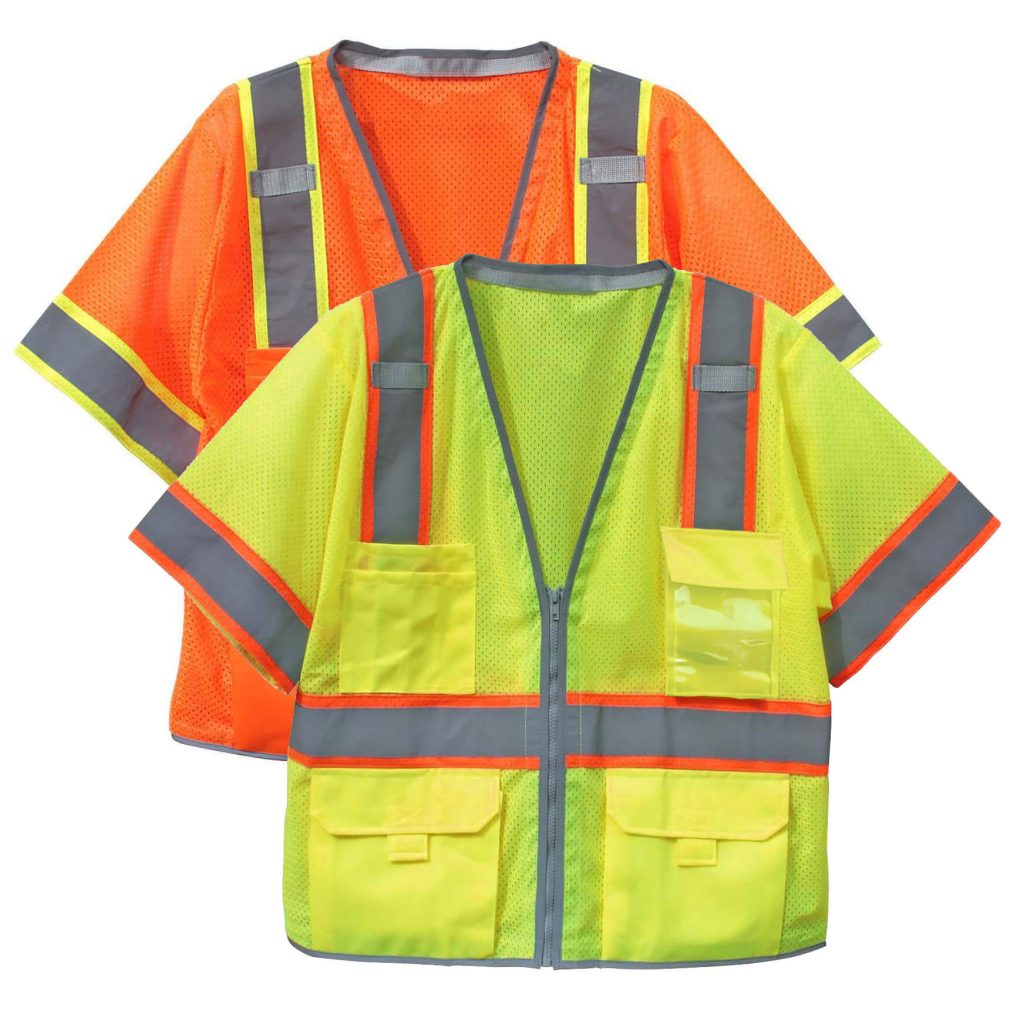
Customization options for high visibility safety vests can include features such as adjustable straps, pockets, and different color options. These features allow organizations to tailor vests to their specific needs while ensuring compliance with safety standards. Customization not only enhances functionality but also allows for branding opportunities, making it easier to identify team members in the field.
The increasing diversity in the workforce further emphasizes the need for these customization features to ensure safety and inclusion for all body types.
Designing Inclusive Safety Vests for Diverse Body Types
In recent years, the design of safety vests is shifting with the increase of females in the industry, representing a larger variety of body types to be protected on a jobsite. This project is focused on the preliminary design of three newly created vests designed for use and discussion for the Verifying Everyone’s Safety Together (VEST) Hackathon, which promoted the development of vest that fit varying body types for both safety and inclusion.
Preliminary Design of Vests for the VEST Hackathon, 2022
Where Can Businesses Find Authoritative Safety Vest Length Guidelines and Compliance Resources?
Businesses seeking to ensure compliance with safety vest length guidelines can access a variety of authoritative resources. These resources provide up-to-date information on ANSI and OSHA standards, helping organizations stay informed about the latest requirements.
Which Organizations Provide Updated ANSI and OSHA Vest Length Standards?
Organizations such as the American National Standards Institute (ANSI) and the Occupational Safety and Health Administration (OSHA) are key sources for updated safety vest length standards. These organizations regularly review and revise their guidelines to reflect current best practices in workplace safety. By consulting these resources, businesses can ensure that their safety vests meet the necessary compliance requirements and provide adequate protection for their workers.
 English
 Deutsch
 Français
 Polski
 Português do Brasil
 Español
 日本語
日本語 Русский
 العربية
 Italiano
 Nederlands
 Türkçe
 한국어
한국어