
Class 3 hi-vis vests are safety garments designed to increase worker conspicuity in high-risk environments by meeting ANSI/ISEA 107 visibility and retroreflectivity criteria. Their purpose is to reduce exposure to hazards by making personnel identifiable in low-light and hazardous conditions. This article outlines the features, materials and compliance parameters of Class 3 hi-vis vests, and summarises how approved customization can support brand visibility without compromising safety.
ANSI Compliance Standards
Class 3 vests must conform to ANSI/ISEA 107 minimums for fluorescent background material and retroreflective elements so workers remain conspicuous near moving vehicles or machinery. Demonstrable ANSI/ISEA 107 compliance is a core element of employer risk management.
What Defines a Class 3 Hi Vis Vest According to ANSI/ISEA 107 Standards?
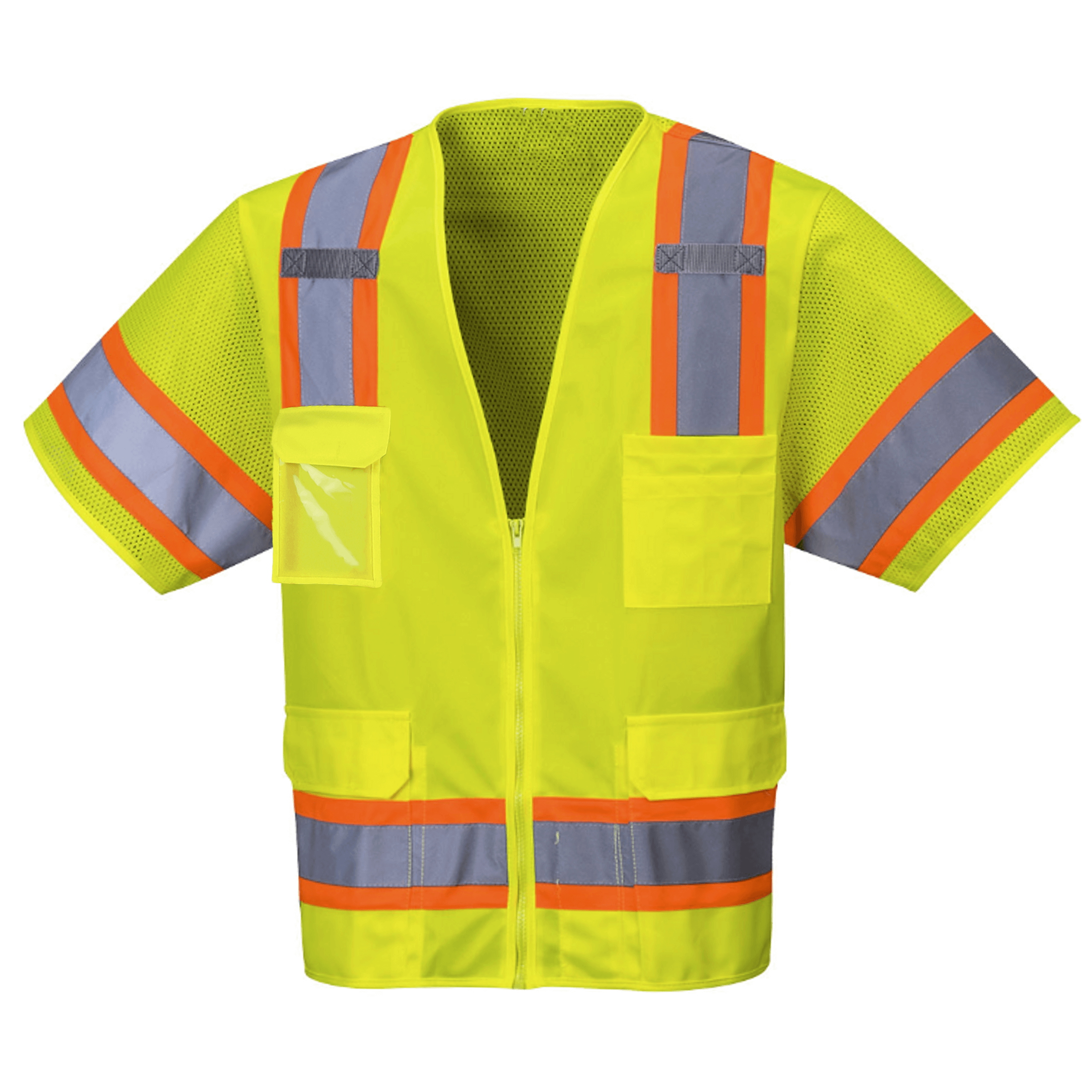
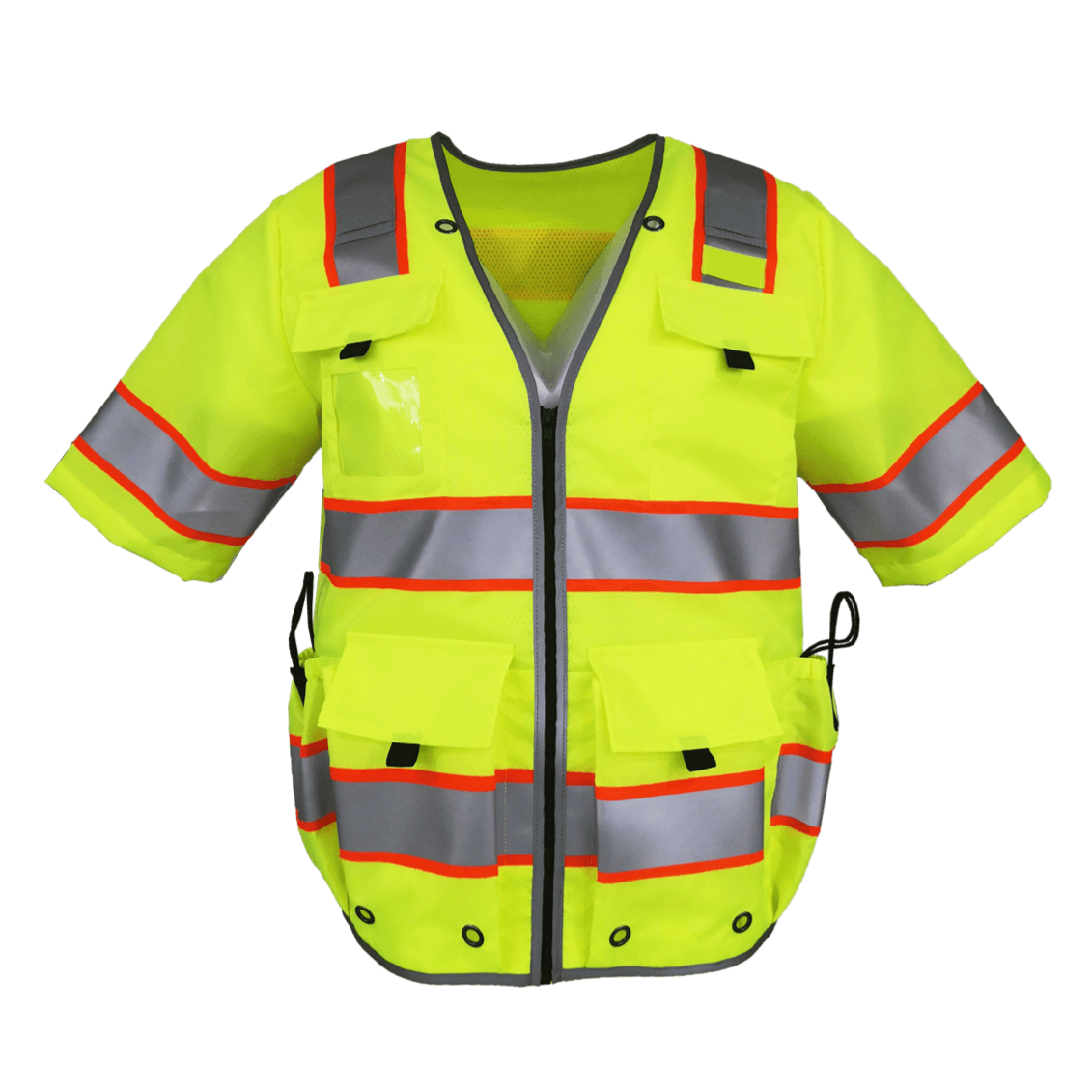
A Class 3 vest achieves high conspicuity through required amounts of fluorescent background material and specified retroreflective tape, with minimum surface areas and performance metrics set to ensure visibility at distance and under varied lighting.
Get a Custom Class 3 Hi-Vis Vest Quote from VisonSafety
Essential Features
Class 3 hi vis vests combine defined features that support performance and wearer protection. Key attributes include:
High Visibility Colors : Fluorescent colors (typically yellow or orange) provide a conspicuous background.
Reflective Tape : Retroreflective tape increases detection at night and in low light.
Durable Materials : Breathable, robust fabrics balance comfort with long-term use.
Material Specifications
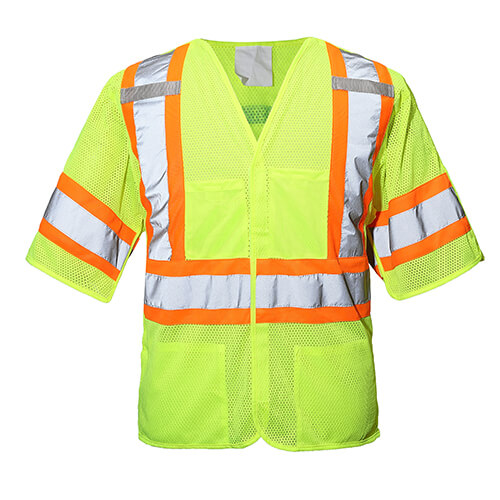
Manufacturers specify lightweight, breathable textiles for extended wear and require retroreflective tape that meets ANSI/ISEA 107 photometric and durability standards to ensure reliable light return and longevity.
Which Material and Reflective Tape Specifications Must Class 3 Vests Meet?
Fabrics must balance durability and breathability, and tape must satisfy ANSI/ISEA 107 photometric criteria; the standard also defines tape width, minimum coverage and recommended placement to optimise retroreflection.
Differences from Class 2 Vests
Class 3 vests provide greater total visible area and more reflective coverage than Class 2, making them suitable for higher-risk operations where maximum conspicuity is required.
How Do Class 3 Vests Differ from Class 2 in Safety and Visibility?
The main distinction is visibility threshold: Class 3 has larger background areas and more extensive retroreflective elements to reduce the chance of undetected personnel where vehicle or equipment strike risk is higher.
Importance of High Visibility Safety Apparel
High visibility apparel, including Class 3 vests, is an effective control for accident prevention by improving detection by drivers and equipment operators and thereby reducing collision risk in operational zones.
Get a Custom Class 3 Hi-Vis Vest Quote from VisonSafety
Why Are Class 3 Vests Essential for Construction and Roadwork Personnel?
In construction and roadwork, Class 3 vests are often mandated because they ensure visibility to passing vehicles and heavy equipment, mitigating traffic hazards and supporting site safety protocols.
Industries That Use Class 3 Vests
Class 3 hi vis vests are specified across sectors where worker conspicuity is critical, including:
Construction : Workers exposed to heavy machinery and traffic require high visibility.
Traffic Control : Personnel directing traffic must be clearly seen by motorists.
Emergency Services : First responders wear Class 3 vests to improve visibility at incidents.
How Does Reflective Tape Placement Enhance Worker Visibility?
Reflective tape placement is designed to maximise retroreflection from vehicle headlights and fixed lights; strategic placement maintains consistent light return as the wearer moves relative to illumination sources.
How Does Reflective Tape Placement Enhance Worker Visibility?
Effective placement covers primary sightlines—typically shoulders and torso—so reflective surfaces are presented to observers frontally, laterally and rearwards, aligning with ANSI guidance to preserve recognisable human form.
Customization Options for Class 3 Hi Vis Vests
Customization allows organisations to add logos, corporate colours and identification while retaining ANSI compliance; branding must not reduce the required fluorescent background or reflective tape area.
How Do Customization Options Improve Brand Visibility on Class 3 Hi Vis Vests?
Company logos and approved colours support recognition in operational settings while maintaining required conspicuity when applied within ANSI/ISEA 107 constraints.
What Logo and Color Customizations Are Available for ANSI-Compliant Safety Vests?
Suppliers offer approved logo placements and colour palettes that integrate with the vest’s fluorescent background and reflective layout while preserving minimum background and tape area to maintain compliance.
How Does Customization Benefit Businesses in Safety and Brand Recognition?
Branded Class 3 vests reinforce an organisation’s commitment to safety, support a consistent safety culture and provide clear employee identification without compromising protective performance.
Get a Custom Class 3 Hi-Vis Vest Quote from VisonSafety
Legal and Regulatory Considerations
Businesses should specify Class 3 vests where the hazard profile warrants that class and document conformance to ANSI/ISEA 107 and any industry-specific regulations to demonstrate due diligence.
What Are the Legal and Regulatory Considerations for Using Class 3 Vests?
Employers must supply Class 3 vests when required by the hazard assessment; non-compliance can lead to regulatory penalties and increased liability.
Benefits of Class 3 Vests for Worker Safety
Class 3 vests deliver clear benefits for worker safety and organisational risk management, including:
Increased Visibility : Bright background colors and reflective materials improve detection.
Enhanced Safety Compliance : Meeting ANSI standards supports worker protection and reduces liability.
Durability and Comfort : Quality materials ensure comfort and long-term use.
Background material, retroreflective placement and durable construction together make Class 3 vests an essential element of protection in high-risk workplaces; investing in certified apparel supports personnel safety and organisational objectives.
What Are Class 3 Hi Vis Vests | FAQs
What are the key differences between Class 3 and Class 1 hi vis vests?
Class 3 vests offer much greater conspicuity than Class 1, with larger fluorescent background areas and more reflective tape; Class 1 is limited to low-risk, low-traffic settings.
Can Class 3 hi vis vests be used in adverse weather conditions?
Yes — weather-resistant variants are available, but retroreflective elements must retain their performance in wet and low-light conditions.
How often should Class 3 hi vis vests be replaced?
Inspect vests routinely for abrasion, fading, soiling or loss of reflectivity and replace any garment that no longer meets fluorescent or reflective performance requirements.
Are there specific washing instructions for maintaining Class 3 vests?
Follow manufacturer care instructions; typical guidance is machine wash cold, air dry and avoid bleach or fabric softeners to preserve retroreflective tape.
What are the implications of not using Class 3 vests in the workplace?
Omitting Class 3 vests where they are warranted increases accident risk, may lead to regulatory penalties and can undermine employee confidence in the safety programme.
Can Class 3 vests be customized for different industries?
Yes — vests can be customised to meet sector requirements while retaining required performance characteristics, provided modifications do not reduce mandated background or tape coverage.
Conclusion
Class 3 hi-vis vests are a critical form of worker protection in high-risk settings, delivering elevated visibility and ANSI/ISEA 107 compliance. Their durable construction and approved customization options support both safety outcomes and brand recognition. Investing in certified Class 3 vests demonstrates a commitment to risk reduction and workforce safety.
 English
 Deutsch
 Français
 Polski
 Português do Brasil
 Español
 日本語
日本語 Русский
 العربية
 Italiano
 Nederlands
 Türkçe
 한국어
한국어