
Inspecting the quality of a welding jacket requires checking the stitching, seams. Material integrity for any weak points, burns, or fraying that could compromise protection. Manufactured in facilities like those in Ningbo, Zhejiang, China, quality jackets must also be verified for flame-resistant certification and proper coverage of the arms, torso, and neck.
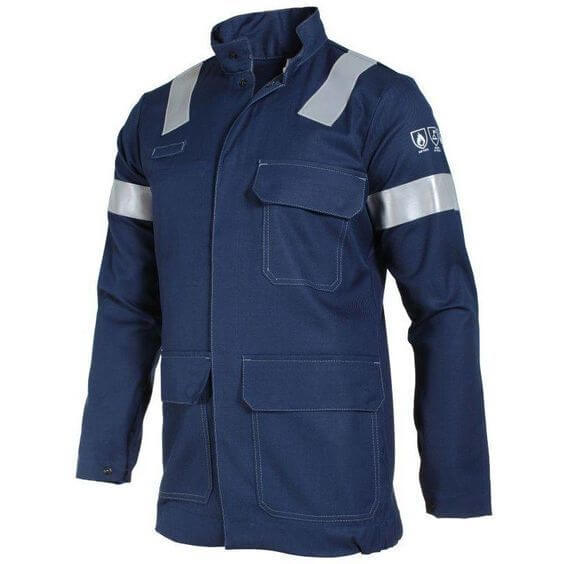
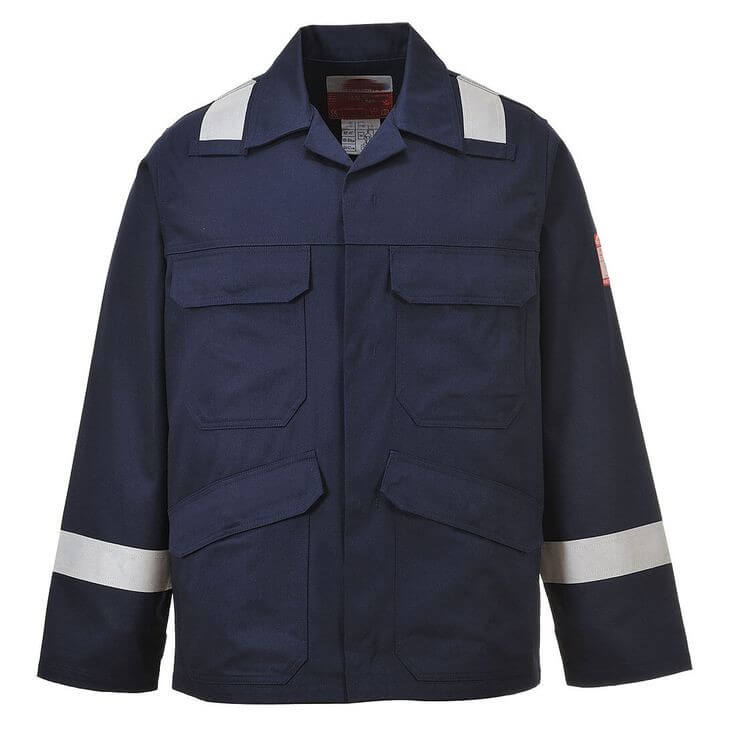
Proper inspection of a welding jacket starts with the fabric. Buyers examine FR cotton or leather construction for uniform weave, intact seams, and no scorch damage. Certifications such as NFPA 2112 confirm flame-resistance standards are met. Reflective elements, closures, and stitching density each signal whether a garment delivers reliable, field-ready protection.
What prerequisites prepare you for jacket inspection?
Effective jacket inspection begins with understanding what a compliant garment is built from. Welding jacket quality depends first on flame-resistant fabrics that retain protective characteristics through repeated use and laundering. A garment that degrades after a few wash cycles is not a protective garment at all.
Before any inspector picks up a jacket, three foundational conditions must be in place:
Confirm the fabric specification. Verify that the jacket uses FR-rated materials — such as meta-aramid and cotton blends — engineered to resist ignition and thermal breakdown under sustained heat exposure.
Verify compliance documentation. Gather certification records confirming the garment meets UL, NFPA, and EN standards applicable to welding and heavy industry environments. Missing paperwork is a failed inspection before it starts.
Establish a traceability baseline. Confirm that batch-level fabric testing records exist. Manufacturers operating within an ISO 9001 environment and testing a notable share of fabric batches provide the documentation trail that makes inspection findings meaningful.
Get a Custom FR Welding Jacket Quote from VisonSafety
Why does fabric performance after laundering matter for inspection readiness?
FR fabrics that lose protective properties after washing create a false sense of security on the job site. Inspectors must confirm that the garment’s flame resistance is inherent to the fiber, not a surface treatment that washes away.
What compliance standards should inspectors reference before evaluating a welding jacket?
UL, NFPA, and EN standards each define specific performance thresholds for welding apparel. Inspectors who arrive without knowing which standard governs the garment cannot make a valid pass-or-fail determination.
How do you inspect fabric and material integrity?
Inspecting fabric and material integrity starts with understanding what each base material must deliver under real welding conditions. Welding jacket quality depends on the fabric’s ability to resist high heat and flames, block sparks and spatter. Reduce the risk of burn injury — none of which can be assumed without systematic verification.
What are the two primary materials inspectors evaluate?
Leather and FR cotton are the two primary welding jacket materials. Each offers distinct protective properties suited to specific welding tasks and environments. Inspectors assess leather for surface consistency, thickness uniformity, and absence of cracks or thin spots. FR cotton and meta-aramid blends require different checks — fiber composition verification, char-resistance testing, and seam integrity under thermal stress.
Follow these steps to inspect fabric and material integrity before approving a production batch:
Verify fiber composition. Confirm that FR garments use certified meta-aramid and cotton blends, not untreated substitutes. Request mill certificates that match the stated fabric specification.
Conduct a visual surface audit. Examine leather panels for cracks, uneven grain, or delamination. Check FR cotton for weave irregularities, discoloration, or surface damage that signals compromised protection.
Test seam construction. Pull seams under controlled tension to confirm stitching holds without separation. Weak seams fail before the fabric does.
Review batch traceability documentation. Manufacturers maintaining traceability records across production batches provide the audit trail needed to confirm consistent fabric performance over time.
Cross-reference compliance markings. Confirm that fabric meets UL, NFPA, or EN standards relevant to the intended application.
Why does batch-level documentation matter for fabric inspection?
Batch documentation closes the gap between a single sample and full production reality. Consistent zero-defect performance across batches requires records that tie each fabric lot to its test results. Making traceability a non-negotiable part of any credible inspection process.
How do you evaluate seams, closures, and construction?
Evaluating welding jacket quality starts with seam construction — the structural backbone of any protective garment. Welding ranks among the most demanding. High-risk professions in industrial work, meaning structural integrity in protective clothing is essential, not optional.
Procurement specialists and safety managers should follow these steps when assessing construction quality:
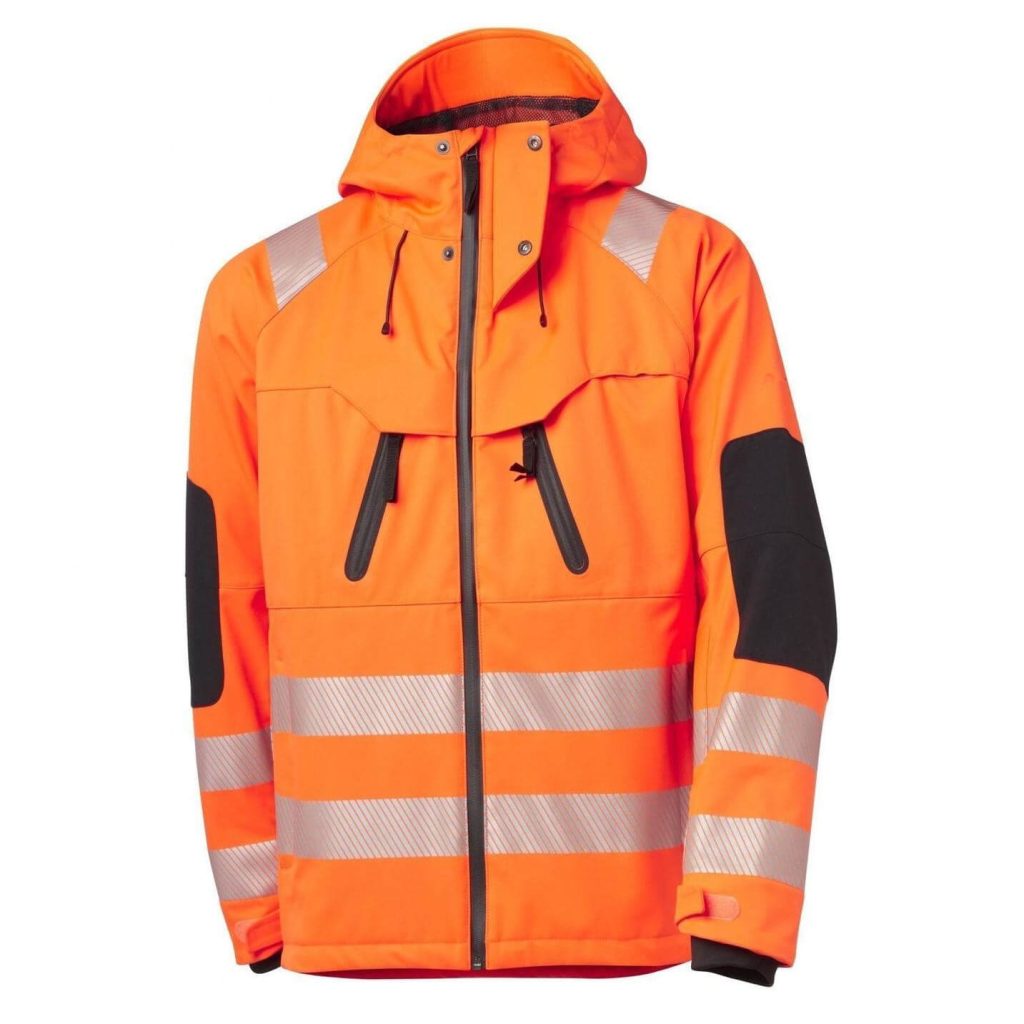
Inspect seam type and thread. Pull gently along major seam lines. High-quality FR jackets use reinforced, double-stitched or chain-stitched seams that resist separation under heat stress and physical strain.
Check anti-static properties. Confirm that the garment’s construction incorporates anti-static features. Strong seam integrity combined with anti-static construction are both recognized quality indicators in certified FR welding jackets.
Test closure hardware. Work every zipper, snap, and hook-and-loop fastener through a full open-close cycle. Closures should operate smoothly without snagging fabric or leaving gaps that expose skin to sparks.
Examine stress points. Inspect pocket corners, cuff attachments, and collar joins. These areas absorb the most movement and are the first to fail in lower-quality garments.
Verify compliance documentation. Request certification records confirming alignment with global standards such as EN ISO, ANSI, and UL. Documented compliance is the final confirmation that construction meets regulated performance thresholds.
Get a Custom FR Welding Jacket Quote from VisonSafety
What makes seam strength a safety-critical factor in welding jackets?
Seam failure under heat or mechanical stress exposes skin directly to molten spatter and radiant heat. A jacket that passes visual inspection but lacks reinforced seam construction offers false protection in live welding environments.
How does anti-static construction affect overall jacket performance?
Anti-static properties prevent charge buildup that could ignite flammable gases or vapors near welding operations. Garments that combine strong seam construction with verified anti-static performance deliver a measurably higher level of protection than those addressing only one factor.
How do you verify compliance documentation and certifications?
Verifying compliance documentation starts with requesting specific certification records tied to recognized international standards. Buyers who skip this step risk sourcing garments that fail regulatory audits, expose workers to preventable injury. Trigger costly product recalls.
VisonSafety supports both North American and European compliance requirements, producing garments certified to ANSI/ISEA 107, EN ISO 20471, and NFPA 2112. The company also operates within an ISO 9001 quality management environment, with a notable share fabric batch testing. Full quality control records maintained across every production run.
What documents should buyers request before placing an order?
Clients should request a complete documentation package before committing to any bulk order. VisonSafety provides OEKO-TEX, CE. UL documentation as needed, giving buyers the paper trail required for customs clearance, distributor onboarding, and end-user compliance audits. Traceability records are maintained for more than three years, so buyers can revisit batch-level data long after shipment.
Follow these steps to verify compliance documentation systematically:
Identify the applicable standard for the target market — ANSI/ISEA 107 for North America, EN ISO 20471 for Europe, NFPA 2112 for flame-resistant applications.
Request test reports from accredited third-party laboratories that correspond to each standard.
Cross-reference batch numbers on test reports against the production records provided by the manufacturer.
Confirm certification scope — verify that the specific garment style and fabric weight listed on the certificate matches the ordered product.
Retain all documentation on file for the duration of the product’s service life.
How does quality control during production support certification integrity?
Trained specialists conduct quality assurance checks before, during. After the production process to ensure every garment meets the stated specification. Consistent batch testing closes the gap between a certificate issued at the sample stage. The actual performance of finished goods delivered to the field.
What common inspection mistakes should buyers avoid?
Buyers who skip application-specific evaluation and default to generic checklists consistently overlook critical gaps in welding jacket quality. Matching jacket specifications to the actual welding process — not a generalized standard. Is the single most consequential step in any inspection protocol.
Get a Custom FR Welding Jacket Quote from VisonSafety
Does one jacket specification work across all welding applications?
No. Different welding processes generate different levels of spatter, heat, and UV exposure. Buyers who apply a one-size-fits-all approach to jacket selection risk sourcing garments that meet a standard on paper but fail under actual job-site conditions. Selecting protection suited to specific task requirements is the foundation of a sound inspection strategy.
Follow these steps to avoid the most common inspection errors:
Define the application first. Document the welding process, heat exposure level, and environmental conditions before evaluating any garment.
Request physical samples before committing to bulk production. Fast sampling programs allow buyers to assess construction, seam integrity, and fabric performance under realistic conditions.
Validate with small-batch pilot orders. Flexible small-batch production enables buyers to test jacket quality in the field before scaling to full production runs.
Audit quality documentation at every stage. Confirm that quality checks, compliance records, and traceability documentation accompany each production batch — not just the initial sample.
Confirm post-delivery support terms. Warranty assistance and logistics coordination should be established before shipment, not negotiated after a defect surfaces.
Why does post-purchase support matter during inspection planning?
Inspection does not end at the factory gate. Buyers who secure warranty assistance and branded packaging agreements in advance reduce the risk of costly disputes after delivery. Building those terms into the sourcing process protects both product integrity and long-term supplier relationships.
FAQ
What materials indicate a high-quality welding jacket?
Leather and flame-resistant cotton are the two primary material options, each offering distinct protective properties against sparks, high temperatures, and workplace hazards.
Which certifications confirm a welding jacket meets flame-resistance standards?
UL, NFPA, and EN standards define specific performance thresholds for welding apparel, with NFPA 2112 directly confirming flame-resistance requirements are met.
Where does VisonSafety manufacture its welding jackets?
VisonSafety manufactures welding jackets in Ningbo, Zhejiang, China, producing garments that meet industry safety standards for heat protection.
 English
 Deutsch
 Français
 Polski
 Português do Brasil
 Español
 日本語
日本語 Русский
 العربية
 Italiano
 Nederlands
 Türkçe
 한국어
한국어