
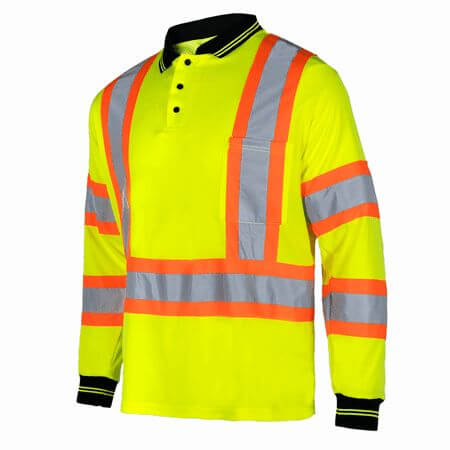
Class 3 high-visibility (hi‑vis) shirts are certified safety garments designed to deliver the greatest visibility in low light, at distance, and around moving equipment. Built from fluorescent fabrics with specified reflective tape, they help reduce accidents and support regulatory compliance.
What defines Class 3 hi‑vis shirts and the standards behind them?
ANSI/ISEA 107 defines Class 3 by required areas of fluorescent background and the layout and amount of retroreflective tape so workers remain visible from multiple angles and distances. Classification depends on both the quantity and spatial arrangement of reflective elements.
ANSI/ISEA 107 Standards for Class 2 & 3 Reflective Safety Clothing
ANSI/ISEA 107-2004 separates Class 2 and Class 3 garments by the quantity and layout of reflective strips required for effective detection.
A customized vision system for tracking humans wearing reflective safety clothing from industrial vehicles and machinery, R Mosberger, 2004
In practice, Class 3 shirts make workers easier to spot for drivers and equipment operators in construction, transport, emergency response, and other high‑risk settings.
For safety managers, specifying Class 3 garments is a proactive measure to lower incidents and strengthen compliance.
Get a Custom Class 3 Hi-Vis Shirt Quote from VisonSafety
How ANSI/ISEA 107 Class 3 certification ensures maximum visibility
Class 3 certification confirms a garment meets strict criteria for background color, minimum fluorescent area, and the amount and placement of retroreflective tape so wearers remain visible in daylight, dusk, and artificial light. In high-risk sites this visibility can prevent near misses and serious accidents while helping manage legal and insurance exposure.
Key features of Class 3 reflective safety shirts
Class 3 shirts combine material and design choices to maximize visibility and durability:
- Certified Visibility : Constructed from fluorescent fabrics with specified reflective tape to meet Class 3 requirements.
- Durable Construction : Reinforced seams and resilient fabrics for extended field use.
- Customization Options : Logos and branding are positioned to preserve certified visibility zones.
These core features make Class 3 shirts a standard component of professional safety kits.
Fabrics and design choices used in high-visibility workwear
Materials for hi‑vis shirts are chosen to balance visibility, comfort, and durability. Common choices aim to keep colors bright and reflective performance consistent while remaining breathable for long shifts.
- Fluorescent Fabrics : Enhance daytime visibility and contrast.
- Reflective Tapes : Catch headlights and site lighting for night detection.
- Breathable Fabrics : Lightweight, moisture-wicking options improve wearer comfort.
Selecting fabrics that match the work environment supports both safety and productivity.
What fabric options improve durability and wearer comfort?
For long-term field use, common fabric choices include heavy-duty polyester, poly-cotton blends, and ripstop options. These balance abrasion resistance, comfort, and service life.
Durability & Compliance of Hi-Vis Safety Garments
This study evaluated the durability of high-visibility garments and examined whether the background colors remained compliant with international standards over time.
Degradation of fluorescent high-visibility colors used in safety garments for the Australian railway industry, A Vijayan, 2016
- Heavy-Duty Polyester : Tough and abrasion-resistant.
- Poly-Cotton Blends : Balanced comfort and strength.
- Ripstop Fabrics : Reinforced to reduce tearing.
Choosing appropriate materials keeps visibility and comfort high over the garment’s service life.
How reflective tape placement is optimized for industrial safety
Proper retroreflective tape layout (chest, back, torso, sleeves) is crucial to show movement and orientation and to ensure visibility from different angles. Regular inspection and cleaning preserve tape performance.
- Strategic Layout : Positions tape to show movement and body orientation.
- Compliance with Standards : Follow ANSI/ISEA guidance for accepted layouts.
- Regular Inspections : Replace damaged or soiled tape to maintain effectiveness.
Thoughtful placement and maintenance keep visibility reliable on the job.
How customization can improve Class 3 safety apparel for businesses
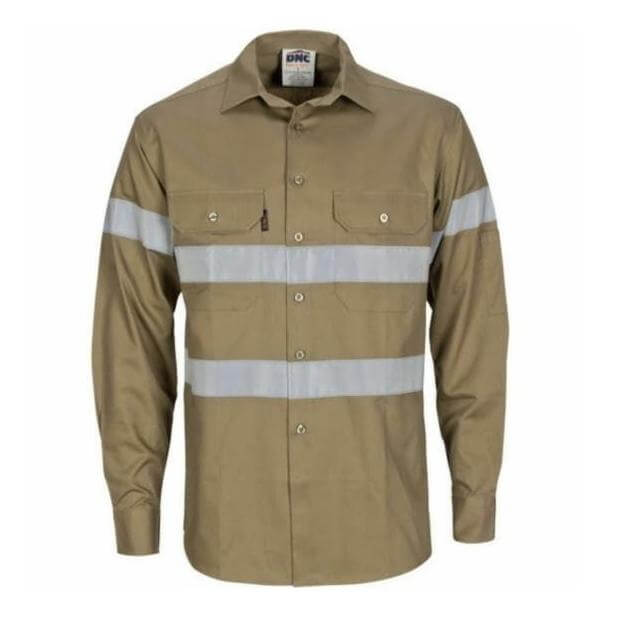
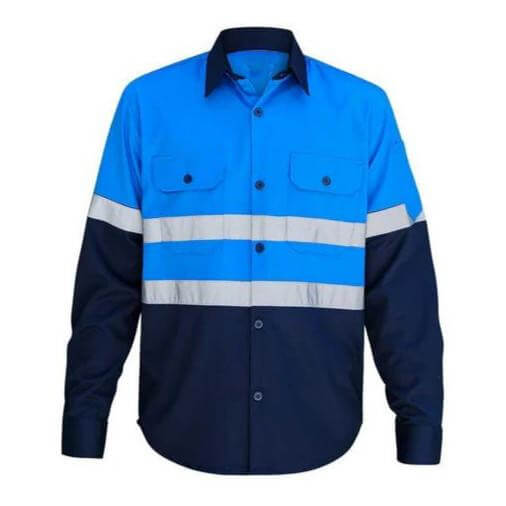
Custom branding can coexist with certification if artwork avoids certified zones. Well-executed customization helps with recognition while preserving safety-critical contrast and reflective areas.
- Branding and Professionalism : Logos placed outside required reflective zones.
- Compliance with Safety Standards : Graphics applied to avoid obscuring tape or reducing contrast.
- Improved Worker Comfort : Fit and fabric choices increase adoption.
Proper customization supports both safety and corporate identity.
Get a Custom Class 3 Hi-Vis Shirt Quote from VisonSafety
What custom manufacturing options are available for bulk orders?
Bulk suppliers commonly offer fabric selection, brand-appropriate color options, and logo placement choices to outfit teams consistently while maintaining compliance.
- Fabric Selection : Match materials to climate and wear demands.
- Color Variations : Choose brand colors within visibility limits.
- Logo Placement : Position branding without covering reflective elements.
These capabilities help organizations outfit crews reliably and compliantly.
How branding integration supports B2B safety apparel needs
Integrating branding into safety apparel projects a professional site presence while respecting certification zones. Collaborate with suppliers to ensure designs are compliant and effective.
- Customization for Brand Identity : Use logos and colors that respect certified zones.
- Maintaining Safety Features : Avoid obscuring reflective tape or contrast.
- Collaboration with Design Teams : Create compliant, branded garments.
Thoughtful branding on Class 3 shirts enhances visibility and company image.
Where Class 3 hi‑vis shirts are commonly used and the benefits they provide
Class 3 shirts are used where workers face traffic, heavy equipment, or low-light exposure. Typical settings include:
- Construction : Keeps crews visible on busy sites.
- Logistics : Improves sightlines in warehouses and loading areas.
- Transportation : Essential near roadways and terminals.
The main benefits are clearer visibility, reduced accident risk, and alignment with regulatory expectations.
Which industries typically require Class 3 safety apparel?
Industries that commonly mandate or recommend Class 3 garments include construction, logistics, and transportation—sectors with high exposure to vehicles and heavy equipment.
- Construction : High-risk zones with heavy equipment and vehicle traffic.
- Logistics : Busy facilities where visibility reduces collision risk.
- Transportation : Workers operating near roadways, terminals, or rail lines.
These sectors rely on Class 3 apparel to help protect workers and reduce incident exposure.
Real-world benefits of wearing ANSI Class 3 shirts on the job
ANSI Class 3 shirts deliver practical safety advantages that help organizations reduce incidents and improve worker protection.
- Improved Visibility : Makes wearers easier to see by drivers and operators.
- Enhanced Safety : Reduces the likelihood of accidents and injuries.
- Lower Accident Rates : Organizations using certified hi‑vis gear often report fewer incidents.
The academic literature supports the role of high-visibility clothing in accident prevention and safety policy.
High-Visibility Clothing for Worker Safety & Regulations
This systematic review highlights the effectiveness of high-visibility clothing for protecting workers and pedestrians, and it emphasizes the role of such garments within broader safety regulations.
A review of high-visibility clothing for accident prevention and safety of workers and pedestrians, RK Seidu, 2025
To explore a wide selection of options, consider visiting our hi‑vis shirts page .
If you have questions or need help choosing the right garments, please contact us .
Get a Custom Class 3 Hi-Vis Shirt Quote from VisonSafety
Frequently Asked Questions
What is the difference between Class 2 and Class 3 hi‑vis shirts?
Class 2 suits moderate-risk settings with less reflective material; Class 3 provides the highest visibility and is specified for high‑risk tasks like roadwork and emergency response under ANSI/ISEA 107.
How should Class 3 hi‑vis shirts be maintained for longevity?
Wash gently in cold water, avoid bleach, air dry when possible, and inspect reflective tape and seams regularly; replace garments when reflectivity or structure degrades.
Can Class 3 hi‑vis shirts be used in all weather conditions?
Performance depends on materials—choose breathable shirts for warm conditions and layer with insulated or waterproof outerwear in cold or wet weather per manufacturer guidance.
Are there specific sizing guidelines for Class 3 hi‑vis shirts?
Use the manufacturer’s sizing chart, allow room for movement and layering, and consider custom sizing when needed to keep reflective elements in position.
What are the environmental impacts of manufacturing hi‑vis shirts?
Manufacturing uses materials, water, and energy, but many suppliers now adopt recycled fabrics, lower-impact dyes, and water-saving processes—look for sustainability commitments when sourcing.
How do I choose the right customization options for my business’s hi‑vis shirts?
Confirm ANSI/ISEA requirements, place branding outside certified zones, pick visibility-supporting colors, and work with your supplier’s design team for compliant artwork.
What are the legal implications of not using Class 3 hi‑vis shirts in high‑risk jobs?
Failing to provide appropriate certified hi‑vis apparel in regulated roles can lead to violations, fines, higher insurance costs, and legal liability, and it compromises worker safety.
Conclusion
Class 3 hi‑vis shirts deliver the highest visibility for workers in hazardous or traffic‑exposed environments. Their fluorescent fabrics, reflective tape, and durable construction reduce risk, support compliance, and protect teams. Investing in certified, well‑maintained Class 3 apparel is an effective way to strengthen workplace safety while allowing for compliant branding.
 English
 Deutsch
 Français
 Polski
 Português do Brasil
 Español
 日本語
日本語 Русский
 العربية
 Italiano
 Nederlands
 Türkçe
 한국어
한국어