
Class 2 hi‑vis shirts are safety garments made from fluorescent fabrics with retroreflective bands to increase worker visibility around traffic and heavy equipment. They help drivers and equipment operators spot personnel at a distance in daylight and low-light conditions and support compliance in industries such as construction and transportation.
What Defines a Class 2 Hi Vis Shirt? Key Features and ANSI 107 Standards
Class 2 hi‑vis shirts pair high-visibility background fabric with retroreflective tape to meet specific safety criteria. Common colors are lime yellow and orange, and garments must meet the ANSI/ISEA 107 standard for background and reflective area.
The ANSI/ISEA 107 guideline specifies minimum visible material: for Class 2 that includes at least 755 square inches of background material and a minimum of 201 square inches of reflective material, improving detection distance and reducing accident risk.
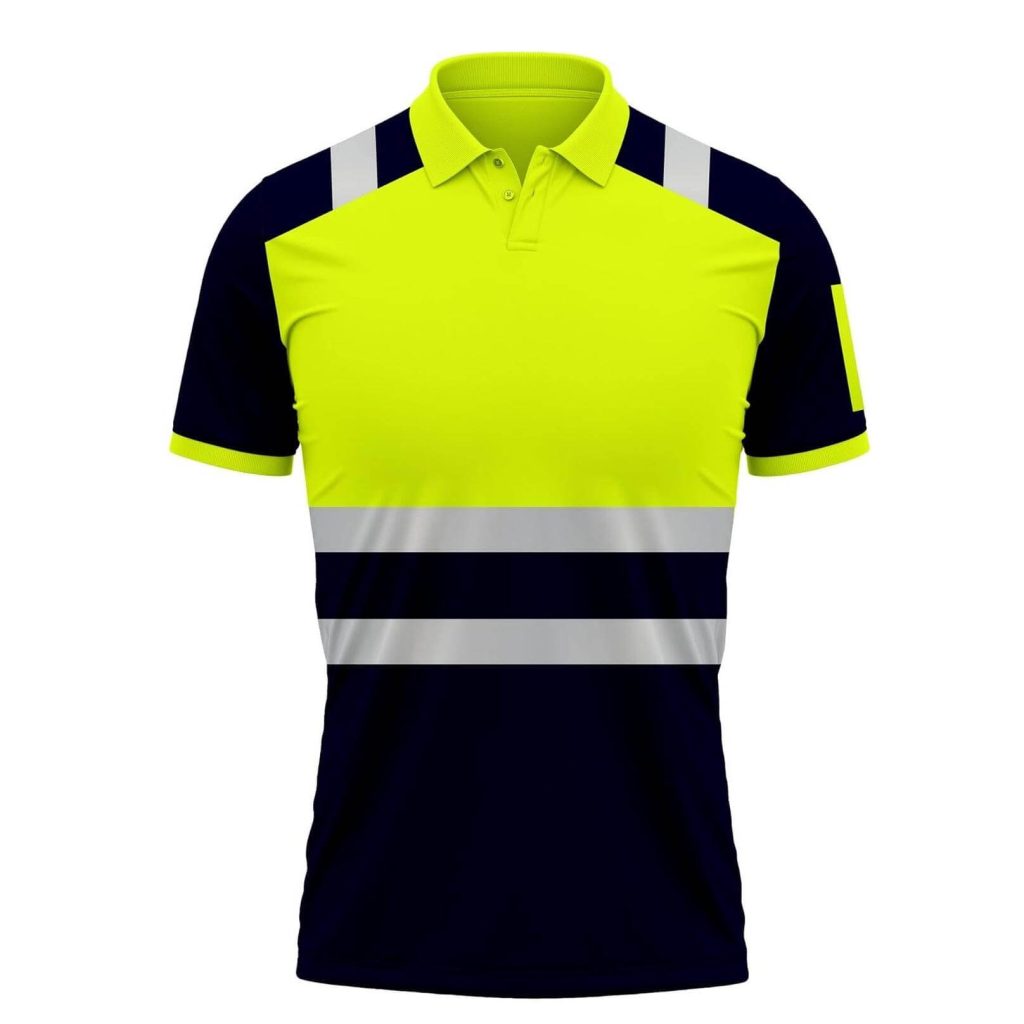
Get a Custom Class 2 Hi-Vis Shirt Quote from VisonSafety
What Are the ANSI 107 Class 2 Requirements for Hi Vis Shirts?
ANSI 107 Class 2 defines technical specs to ensure adequate visibility in higher-risk settings. Key requirements include:
- Color Requirements : Background fabric must be a fluorescent color—commonly lime yellow or orange—to maximize daylight visibility.
- Reflective Area Specifications : The garment must include at least 201 square inches of retroreflective material to improve visibility in low light.
- Design Features : A balanced layout of background and reflective materials is required so the wearer is visible from multiple angles and distances.
These criteria help prevent incidents by making workers easier to see.
How Do Reflective Safety Materials Enhance Visibility?
Reflective materials return light toward its source, making the wearer easier to spot when headlights or other lights hit the garment. This retroreflective effect is essential near moving vehicles or machinery.
Paired with fluorescent fabrics, reflective tape creates high contrast in bright and dim conditions. At dawn, dusk, or under worksite lighting, that combination significantly improves detection distance—one reason Class 2 hi‑vis shirts are commonly issued.
Which Industries Require Class 2 Hi Vis Shirts? Use Cases and Compliance
Class 2 hi‑vis shirts are required where workers face traffic or moving equipment. Typical sectors include:
- Construction : Job sites with heavy equipment and vehicle traffic need clear visual cues to protect crews.
- Transportation : Warehouse and loading operations rely on visibility to prevent collisions during material handling.
- Road Maintenance : Crews working on or near roadways must be visible to passing motorists at all times.
Employers commonly supply Class 2 apparel to meet regulatory and liability expectations.
Why Are Hi Vis Shirts Essential for Construction and Transportation?
Hi‑vis shirts lower collision risk by making workers more noticeable to drivers and equipment operators. On busy sites, improved visibility leads to fewer near-misses and accidents.
Many safety regulations mandate certified high-visibility clothing. Properly worn hi‑vis apparel has been shown to reduce traffic-related workplace injuries, so these shirts are often required rather than merely recommended.
Research also highlights high-visibility garments’ role in preventing traffic-related fatalities in hazardous work environments.
Preventing Traffic Fatalities with High-Visibility Safety Apparel
Traffic-related fatalities are one of the leading risks for law enforcement personnel. Between 2002 and 2011, these incidents made up about 44% of fatalities in that field. Many of those deaths were due to being struck by vehicles—events that could be reduced with the use of high-visibility safety apparel.
Personal Protective Clothing: Law Enforcement Officers’ Attitudes and Safety Behavior Assessments Toward High-Visibility Safety Apparel, 2013
How Do Class 2 Shirts Meet Safety Regulations Across Industries?
Class 2 shirts meet regulatory requirements by following ANSI/ISEA 107 for visible background and reflective material. Those rules ensure garments perform in conditions where visibility is critical.
Similar standards are recognized internationally, so certified Class 2 shirts serve as a common benchmark for visibility and worker protection, helping employers manage risk and limit legal exposure.
International studies support the importance of high-visibility clothing for road safety and regulatory compliance.
High-Visibility Warning Clothing & Road Safety Regulations
To prevent and manage road traffic hazards, developed nations have adopted regulations for wearing high-visibility warning clothing (ANSI/ISEA2015; ISO 20471 2013; JSAA 2017; JATRAS 2016; JIS T 8127 2015; ORAFOL 1999).
An evaluation of the suitability of fluorescent fabrics and retroreflective materials for road traffic warning clothing in compliance with international standards, 2019
What Manufacturing and Customization Options Are Available for Class 2 Hi Vis Shirts?
Manufacturers offer customization so businesses can match garments to work conditions and brand needs. Common options include:
- Fabric Selection : Choose materials for climate and hazard needs—moisture-wicking for heat, or flame-resistant fabrics where required.
- Reflective Tape Placement : Position reflective bands to improve visibility for specific tasks or movement patterns.
- Branding and Functional Add‑Ons : Add logos, pockets, or ventilation while preserving the shirt’s safety features.
These choices help organizations balance comfort, identity, and compliance when ordering Class 2 apparel.
The table shows how straightforward customization can make safety apparel more effective for your team.
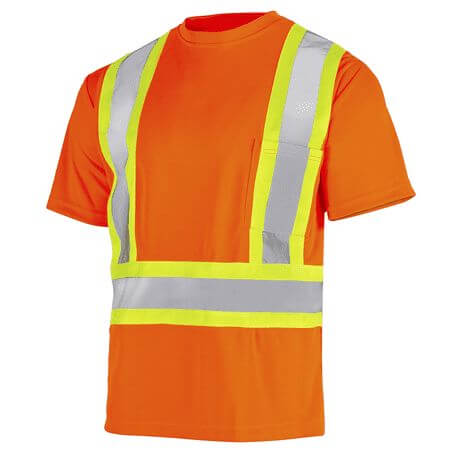
Get a Custom Class 2 Hi-Vis Shirt Quote from VisonSafety
How Can Custom Safety Apparel Be Tailored to Business Needs?
Custom safety apparel should reflect the work environment, employee needs, and regulatory requirements. Work with suppliers to select fabrics, fits, and features that maintain ANSI compliance while improving comfort and brand consistency.
For example, construction crews often choose durable, moisture-wicking shirts, while logistics teams may prefer lightweight, breathable options. Matching garments to job demands improves adoption and on-the-job safety.
What Are the Lead Times and Quality Standards in Manufacturing?
Lead times depend on order size and customization level but typically range from 4–8 weeks for bulk production. This period allows manufacturers to meet safety specs and complete quality checks.
Quality control usually includes tests for material durability, colorfastness, and reflective performance to ensure each shirt complies with ANSI 107.
How to Choose the Right Class 2 Hi Vis Shirt? Materials, Durability, and Comfort
Selecting the right Class 2 shirt requires balancing material, longevity, and wearer comfort. Key factors to evaluate are:
- Material Options : Prefer breathable, moisture-wicking fabrics for long shifts and hot conditions.
- Durability Considerations : Pick sturdy construction and long-lasting fabrics for demanding jobs.
- Compliance Verification : Confirm the shirt meets ANSI/ISEA 107 standards before purchase.
These considerations help you choose garments that keep workers safe and comfortable.
What Are the Benefits of Breathable and Durable Hi Vis Fabrics?
Breathable, durable fabrics improve comfort without sacrificing protection. Moisture-wicking materials keep workers cool and dry, while tougher textiles resist abrasions and repeated laundering.
Investing in quality fabrics reduces replacements, boosts worker satisfaction, and supports consistent safety practices across a team.
Are Class 2 Hi Vis Shirts Waterproof and Suitable for Outdoor Work?
Some Class 2 shirts use waterproof or water-resistant finishes and are suitable for outdoor use in wet conditions. When choosing waterproof options, consider breathability to avoid overheating.
Many suppliers combine waterproof membranes with moisture-wicking liners so workers stay dry and visible in challenging weather. For more information or to contact us , visit our site.
Frequently Asked Questions
What is the difference between Class 1 and Class 2 hi vis shirts?
Class 1 garments suit low-risk environments with minimal traffic and offer basic visibility. Class 2 shirts provide more fluorescent background and greater reflective area per ANSI/ISEA 107, making them better for construction, transportation, and road work where vehicle interaction is common.
Can Class 2 hi vis shirts be used in cold weather?
Yes. Manufacturers offer insulated or layered Class 2 options that retain warmth while preserving visibility; these must still meet ANSI visibility requirements when layered.
How should Class 2 hi vis shirts be cared for to maintain their effectiveness?
Follow the manufacturer’s care instructions: machine wash cold with mild detergent, avoid bleach and fabric softener, and air-dry when possible. Inspect shirts and replace them when reflective performance or fabric integrity degrades.
Are there specific sizes available for Class 2 hi vis shirts?
Yes. Most manufacturers offer sizes from small through 5XL or larger. A correct fit improves visibility and comfort—use the supplier sizing chart to choose sizes.
What are the environmental impacts of manufacturing hi vis shirts?
Impact varies by material and process. Choosing recycled fabrics, eco-friendly dyes, and responsible manufacturing can reduce a garment’s footprint. Consider supplier sourcing and waste-management practices if sustainability is a priority.
Can Class 2 hi vis shirts be customized for branding purposes?
Yes. Logos and identification can be added via embroidery or screen printing, but customization must not cover reflective tape or reduce ANSI compliance. Work with vendors to ensure branding and safety features coexist.
Conclusion
Class 2 hi‑vis shirts help keep workers safe where visibility matters. Their fluorescent backgrounds and reflective materials meet ANSI/ISEA 107 standards and support regulatory compliance. Choosing quality, properly customized shirts is an investment in safety—explore our Class 2 options to find the right fit for your team.
 English
 Deutsch
 Français
 Polski
 Português do Brasil
 Español
 日本語
日本語 Русский
 العربية
 Italiano
 Nederlands
 Türkçe
 한국어
한국어