
Flame‑resistant (FR) clothing keeps workers safe by relying on treated or inherently fire‑resistant fibers that must retain their performance through many wash cycles. Picking the right laundry soap matters: harsh chemicals or residue can reduce a garment’s ability to self‑extinguish and may affect compliance. This guide walks through what to look for in detergents, step‑by‑step wash settings, safe stain and odor removal, and inspection cues to inform repair or replacement. You’ll learn which detergent ingredients are FR‑friendly, which products to avoid, practical machine protocols for shop and home washers, and ways to remove persistent “work smell” without harming FR properties. We also include procurement‑focused comparisons and quick checklists to help safety teams manage fleet laundering costs and keep garments compliant and serviceable longer.
What Is the Best Laundry Detergent for Flame Retardant Clothing?
The safest detergents for FR garments are mild, low‑residue formulas that use non‑ionic surfactants, avoid oxidizers, and contain no fabric softeners or optical brighteners. Those choices help preserve FR treatments and limit residue that can change flammability. Favor unscented, dye‑free, HE‑compatible options when appropriate, and dose to load size and water hardness. The table below gives procurement and safety teams a quick comparison of detergent types and their likely effects on FR performance.
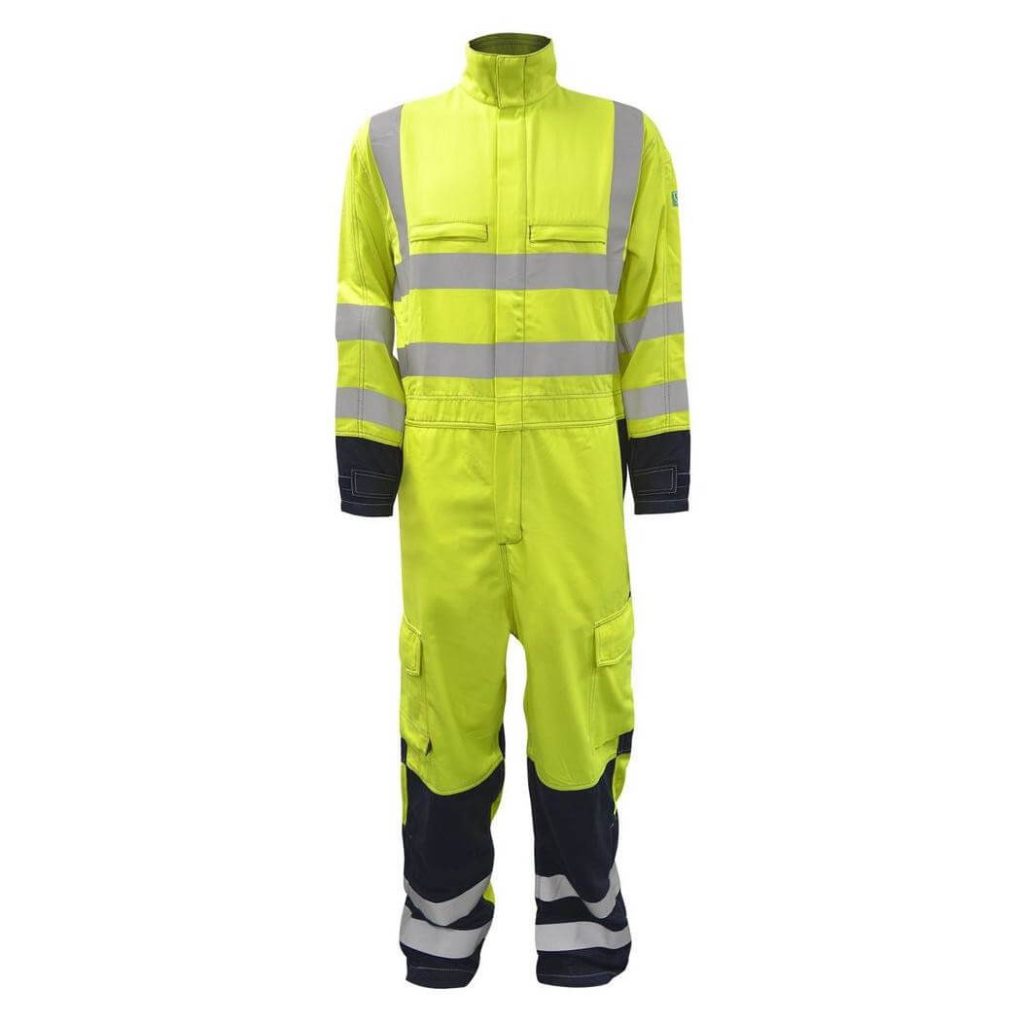
Get a Custom FR Clothing Quote from VisonSafety
In short: low‑residue, non‑oxidizing detergents lower the risk of chemical interaction with FR finishes. The next section explains safe versus risky ingredients and why procurement should ask for ingredient transparency.
Which Detergent Ingredients Are Safe for FR Clothes?
Safe detergent ingredients include non‑ionic surfactants and gentle anionic blends formulated to rinse clean — these remove soils without altering finishes or fibers. Controlled enzymes (proteases, lipases) are useful for protein or oil stains when used at manufacturer‑recommended levels and followed by complete rinsing; they break down soils without oxidizing the fabric surface. Water‑softening agents that reduce required detergent dose can lower residue risk in hard water. HE‑compatible formulas help prevent excess suds that trap soils. Procurement tip: request spec sheets that explicitly state “no chlorine‑based oxidizers” and “no added fabric softeners or optical brighteners.”
What Detergents Should You Avoid When Washing FR Garments?
Avoid chlorine bleach, high‑concentration peroxide bleaches, and oxidizing stain removers — these can alter FR finishes and fibers, reducing self‑extinguishing performance and undermining certification assumptions. Never use fabric softeners or dryer sheets: they leave lubricating films that change surface ignition behavior and can affect reflective trims or labels. Also exclude heavy starches, sizing, and products with optical brighteners because they deposit films that alter heat response and may compromise compliance. For procurement, include explicit “do not use” clauses in vendor agreements and require supplier declarations excluding common household additives.
- Dos and don’ts for detergent selection: Do choose low‑residue, non‑oxidizing detergents formulated for workwear.Do require HE‑compatible, unscented, dye‑free formulas for machine compatibility.Don’t use bleach, fabric softeners, or brightening agents that leave residues.
Following these rules reduces the chance of chemical damage and sets up machine settings that help preserve FR performance.
Flame-Retardant Finishing of Textiles: Properties and Durability
This review covers why flame‑retardant finishes are applied to textiles, summarizes relevant testing methods and regulations, and describes durable finishes for cellulose, wool, and synthetic fibers. It discusses multi‑purpose finishes, the special challenges of polyester/cotton blends, and the laundering behavior and durability of FR treatments. The paper also considers how finishing methods affect overall textile performance and outlines common flame‑retardant finishing techniques.
Flame‑retardant finishing of textiles, AR Horrocks, 1969
After outlining safe detergent types, VisonSafety’s product range — FR shirts, jackets, coveralls, pants, vests, sweatshirts, rainwear, and headgear — shows why consistent care matters across styles. As a certified and custom safety apparel manufacturer, VisonSafety aligns product specs with care guidance and can advise procurement teams on suitable detergents and maintenance for fleet management.
How Should You Wash Flame Resistant Clothing to Preserve Safety and Longevity?
Preserving FR performance during washing means controlling mechanical wear, temperature, detergent dose, and ensuring thorough rinsing. Use warm water when the care label allows, select a gentle cycle to reduce abrasion, and measure detergent based on load size and water hardness to avoid residue. Wash FR items separately from non‑FR laundry and turn garments inside out to protect outer surfaces, trims, and visibility features during agitation and drying.
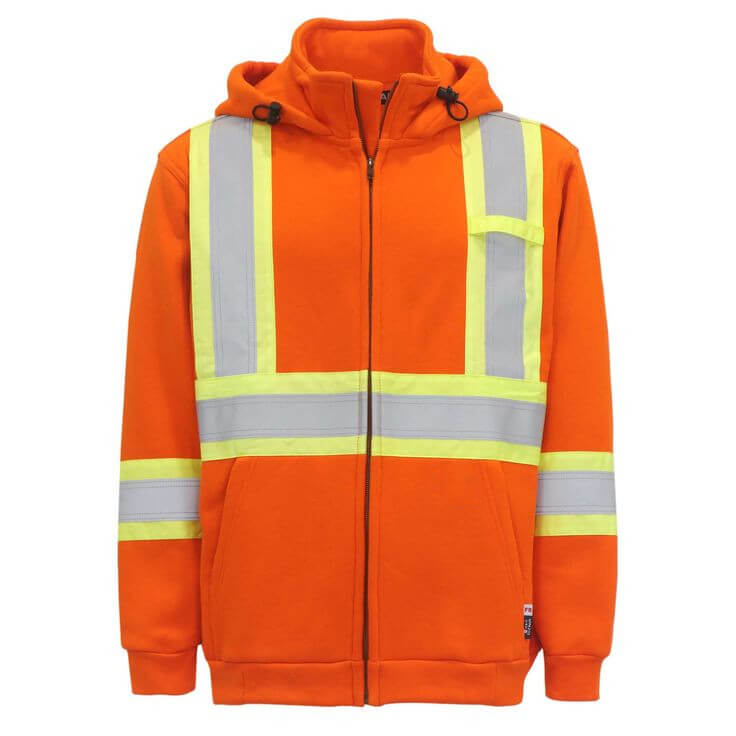
Get a Custom FR Clothing Quote from VisonSafety
Apply these settings to reduce both mechanical and chemical stress on FR fabrics and to produce reliable post‑wash inspection results.
What Are the Recommended Washing Settings for FR Clothes?
Suggested settings: warm water within label limits, a gentle cycle to limit abrasion, and a moderate spin to remove water without stressing seams or trim. Match detergent dosing to water hardness and machine type — overdosing leaves residues that can reduce flame resistance. Industrial laundries should follow manufacturer service specs, log cycles, and use that data to track cumulative wear and plan replacements.
Why Should FR Clothing Be Washed Separately and Inside Out?
Separating FR laundry prevents lint, stains, and residues from non‑FR items from coating the surface or introducing oxidizers; mixing loads increases contamination risk. Turning garments inside out protects outer treatments, reflective tape, and high‑wear areas from direct abrasion and helps preserve appearance and FR surface properties. Inside‑out washing also makes post‑wash inspections clearer, so safety teams can spot repairs more efficiently. These handling practices tie directly into safe stain and odor remediation.
Because VisonSafety manufactures certified and custom garments, following the provided care instructions is important to maintain certification assumptions. Procurement teams can request specification‑aligned care guidance when ordering fleets or custom pieces.
How Do You Remove Stains and Work Smells from FR Clothing Safely?
Safely removing stains and work odors means using surfactant‑based pre‑treaters, controlled enzyme cleaners, and non‑oxidizing oxygen‑based neutralizers; avoid solvents and chlorine products that can damage FR finishes. Targeted pre‑treatment followed by a full wash and complete rinse removes soils while minimizing residual chemicals. For persistent industrial odors, repeated enzyme soaks with thorough rinsing and drying help reduce microbial residues without adding film‑forming additives.
This matrix helps teams choose treatments that remove soils and odors without compromising FR performance or leaving harmful residues.
What Are Safe Methods for Pre-Treating and Removing Stains on FR Fabrics?
Safe pre‑treatment starts with blotting excess material, applying a small amount of surfactant‑based pre‑treater, and allowing a short dwell time before washing. This approach reduces the need for harsh chemicals that could strip FR finishes. For oil and grease use a low‑residue textile degreaser followed by a normal wash and thorough rinse. For chemical splash incidents, isolate the garment and consult the manufacturer — don’t attempt aggressive home treatments that could spread contaminants. Record incidents and remediation steps for fleet management and compliance records.
How Can You Effectively Eliminate Odors Without Damaging FR Properties?
Use enzyme‑based or oxygen‑neutralizing products that break down odor molecules rather than masking them, run full rinse cycles to remove residues, and dry garments completely to prevent microbial regrowth. Avoid fabric refreshers or fragranced additives that leave films or oils on fibers — these can change ignition behavior. For stubborn industrial smells, repeat controlled soak‑and‑rinse cycles with enzyme products, then inspect and document results to confirm FR function is intact. These tactics extend service life and reduce premature replacement.
When Should You Repair or Replace Your Flame Retardant Clothing?
Repair versus replace decisions hinge on visible damage, persistent contamination after correct cleaning, legibility of care/certification labels, and changes in fabric behavior — all possible signs of lost protection. Regular inspection checkpoints (seams, closures, cuffs, and chemically exposed areas) reveal whether certified repairs (patching, seam replacement) are appropriate or if replacement is required to meet safety standards. Proper laundering and correct detergent choice extend garment life and lower total cost of ownership, while clear replacement criteria prevent continued use of compromised apparel.
Procurement teams planning fleet support should note that VisonSafety produces certified FR apparel across many categories and can advise on care‑aligned specs, custom orders, and certified repair guidance for fleet programs.
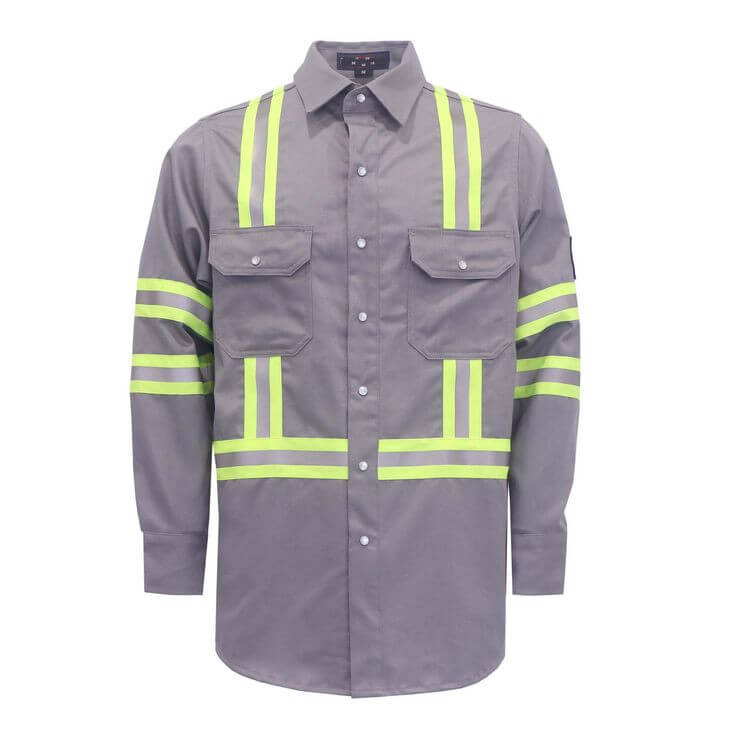
Get a Custom FR Clothing Quote from VisonSafety
What Signs Indicate Damage or Loss of Flame Resistance?
Indicators of damage or loss of flame resistance include charred or thinned areas after exposure, frayed or opened seams and closures, stains that won’t come out with safe methods, and shrinkage or stiffness that signals chemical change. Missing or illegible care and certification labels are a serious compliance issue because traceability is lost. Implement a documented inspection routine and keep wash and incident logs to support replacement decisions and audits.
How Do Proper Care and Detergent Choice Extend FR Garment Life?
Proper care and approved detergents reduce chemical and mechanical stress, helping garments reach their expected service life. Quantifying those benefits supports procurement decisions and justifies investments in approved products or industrial laundering. For help aligning garment selection with lifecycle needs, VisonSafety can provide product guidance and specification support for fleet programs.
Which Laundry Soap Is Best for FR Clothes | FAQs
Can I use regular laundry detergents for FR clothing?
No. Many ordinary detergents contain harsh chemicals, optical brighteners, or fabric softeners that can weaken flame‑resistant properties. Use mild, low‑residue detergents formulated for FR garments — free of oxidizers and film‑forming additives. Always check product labels and spec sheets to confirm suitability for FR clothing.
How often should FR clothing be washed?
Wash frequency depends on job tasks and contamination. As a rule, launder FR garments after each use when they’re soiled or exposed to contaminants. Regular cleaning preserves FR treatments and helps maintain compliance. Follow the manufacturer’s care instructions for best results.
What should I do if my FR clothing gets damaged?
Inspect the garment and document the damage. Minor issues may be addressed with certified repairs; significant damage or suspected loss of flame resistance requires replacement. Keep records of inspections and incidents to support repair or replacement decisions.
Are there specific drying methods for FR clothing?
Yes. Air drying is preferred when practical. If you use a dryer, select a low‑heat setting to avoid exposing the fabric to excessive temperatures that can degrade FR properties. Always follow the care label’s drying instructions to preserve performance.
Can I use stain removers on FR clothing?
Only use non‑oxidizing stain removers formulated for textiles. Avoid bleach and harsh solvents that can damage FR finishes. Choose surfactant‑based pre‑treaters or enzyme cleaners designed for FR fabrics, and follow with a thorough rinse to remove residues.
What are the best practices for storing FR clothing?
Store FR garments in a cool, dry place out of direct sunlight and away from moisture or chemicals. Avoid tightly folding or compressing garments; hanging on padded hangers helps preserve shape and functionality. Proper storage reduces premature wear and preserves protective properties.
How can I ensure my FR clothing remains compliant with safety standards?
Follow the manufacturer’s care instructions, inspect garments regularly, and keep laundering and incident records. Replace garments that show signs of compromised protection or illegible certification labels. Adhering to documented maintenance and replacement schedules helps ensure ongoing compliance.
Conclusion
Choosing the right laundry detergent and following correct care practices are essential to preserve the protective properties of FR clothing. Use low‑residue, non‑oxidizing detergents, control wash settings and dosing, and follow safe stain and odor removal methods to extend garment life and maintain compliance. For procurement guidance, fleet support, or product‑specific care recommendations, contact VisonSafety — we’ll help you align garment selection and maintenance with safety and budget goals.
 English
 Deutsch
 Français
 Polski
 Português do Brasil
 Español
 日本語
日本語 Русский
 العربية
 Italiano
 Nederlands
 Türkçe
 한국어
한국어