
Flame-resistant (FR) clothing is purpose-built workwear that resists ignition and self-extinguishes to reduce burn severity when thermal hazards occur. This guide explains when FR garments are required, how incident-energy assessments and standards shape PPE choices, which sectors most commonly need FR apparel, and how fabric selection affects protection and wearer comfort. You’ll learn to spot core hazards—arc flash, flash fire and molten metal splash—match them to garment types like FR shirts, coveralls and jackets, and apply standards such as NFPA 70E, NFPA 2112 and EN ISO 11612 during specification. For procurement teams and B2B buyers seeking certified, customizable solutions, VisonSafety acts as a global manufacturer that can supply certified FR apparel and support specification, sampling and production. The article covers regulatory triggers, industry mappings, standard comparisons and OEM/ODM customization so safety and purchasing teams can make informed decisions about industrial flame-resistant uniforms and custom-logo FR workwear.
When Is FR Clothing Required for Workplace Safety?
FR clothing is required whenever workers face thermal hazards that can ignite ordinary clothing or cause serious burns. That requirement is established through hazard identification, incident-energy calculations and the relevant standards. Employers should assess tasks, equipment and environments to determine if exposures to arc flash, flash fire or molten metal exist, then choose garments with the appropriate level of protection. A straightforward hazard-assessment checklist helps translate risk into PPE choices and ensures the right garment types—FR shirts, coveralls, jackets—are specified for each task. Following these triggers supports targeted procurement and helps maintain compliance with NFPA, OSHA and regional rules.
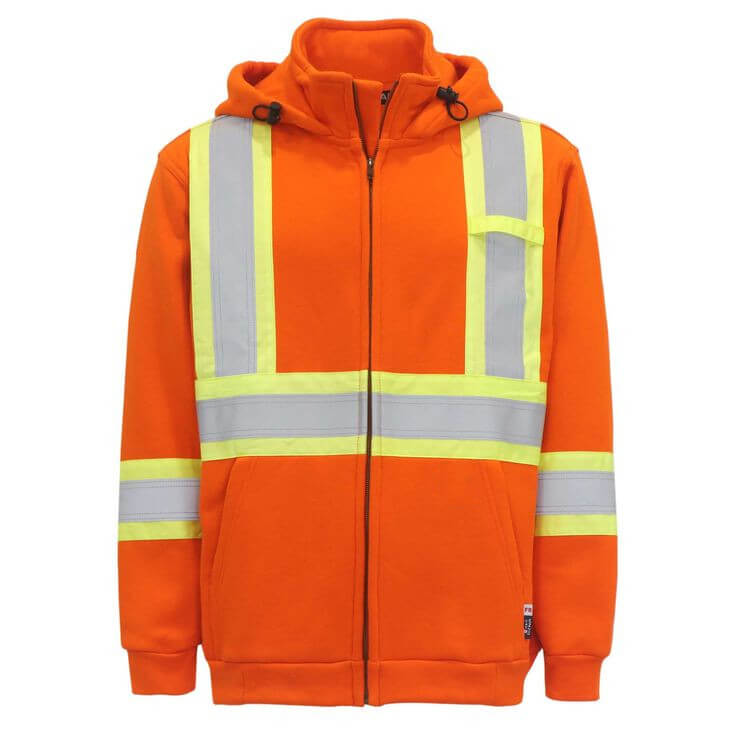
Get a Custom FR Clothing Quote from VisonSafety
The following checklist helps identify when FR clothing is needed:
- Review tasks for ignition sources, high-temperature operations or combustible atmospheres.
- Estimate incident energy for electrical work and check for flammable vapors or liquids in process areas.
- Assess exposure duration and distance to heat sources to determine garment style and required arc rating.
This checklist simplifies selection steps and prepares teams for writing specifications and supplier conversations. If you need certified FR garments matched to identified hazards and standards, VisonSafety can provide product specs, samples and manufacturing support. Contact us to request samples or technical data.
What Are the Key Thermal Hazards That Necessitate FR Clothing?
The main thermal hazards that require FR clothing are arc flash, flash fire and molten metal splash, because each can ignite common textiles or cause severe burns. An arc flash is a sudden release of electrical energy that generates intense heat and an expanding plasma; choosing FR clothing with the correct arc rating (cal/cm²) limits heat transfer and reduces burn severity. Flash fire is a short-duration flame event in hydrocarbon-rich environments—typical in oil, gas and petrochemical operations—and requires garments certified for flash-fire resistance to avoid ignition and dangerous residues. Molten metal splash and welding spatter produce localized, very high temperatures and call for durable, splash-resistant FR fabrics and reinforced seams to prevent penetration and secondary ignition.
Identifying which hazard applies helps select the right garment—for example, FR coveralls for flash fire or layered FR shirts and jackets for arc flash work—and guides procurement toward appropriate fabric technologies and certification levels.
How Do Safety Standards Define FR Clothing Requirements?
Safety standards translate hazard assessments into measurable garment requirements by defining tests, labeling and application scopes. NFPA 70E focuses on electrical safety and incident-energy assessment, establishing arc-rating benchmarks used by electricians and utility workers. NFPA 2112 addresses flash-fire protection in oil, gas and refinery settings, requiring materials and garments to meet specific flash-fire performance. European standards like EN ISO 11612 and EN 11611 set test methods and class designations for heat, flame and welding hazards, while ASTM F1506 provides material requirements relevant to electrical arc exposure.
Standards act as decision points: employers match tasks to these frameworks to determine whether FR apparel is required and which performance attributes are necessary. Consulting the appropriate standard ensures selected workwear meets regulatory expectations and industry best practice.
Which Industries Require Flame Resistant Clothing for Protection?
Certain industries present recurring thermal hazards that make FR clothing a baseline safety measure. Mapping industries to hazards and suggested garments helps procurement teams prioritize PPE budgets and specify the correct products. Sectors with an elevated need include oil and gas (flash fire), electrical utilities (arc flash), welding and metal fabrication (molten metal splash), petrochemical (process heat and vapors) and general manufacturing (hot machinery or ignition sources). This mapping supports targeted procurement of FR shirts, coveralls, jackets and task-specific garments.
Key industry list and rationale:
- Oil and Gas: Flash-fire risks during drilling, transfer and refining call for flash-fire-rated coveralls and jackets.
- Electrical Utilities: Arc-flash exposure for lineworkers and electricians requires arc-rated shirts and layered systems sized to incident energy.
- Welding and Metal Fabrication: Molten metal splash and spatter require durable FR pants and welding jackets with reinforced seams.
- Petrochemical: Process leaks and vapor clouds make flash-fire protection and chemical-resistant features essential.
- General Manufacturing: Hot presses, furnaces or kilns benefit from heat-resistant FR garments and a reliable maintenance program.
Below is a compact industry-to-hazard mapping to guide product selection and specification writing.
What Are the Essential Flame Resistant Workwear Standards to Follow?
Standards translate hazard assessments into measurable garment requirements and set acceptance criteria for procurement and compliance. Key references include NFPA 70E for arc flash, NFPA 2112 for flash fire, EN ISO 11612 and EN 11611 for heat and welding protection in Europe, OSHA regulations that require hazard assessment and PPE selection, and ASTM F1506 for material performance related to electrical exposure. Knowing each standard’s scope helps B2B buyers request the correct certification documents and label evidence when sourcing industrial flame-resistant uniforms.
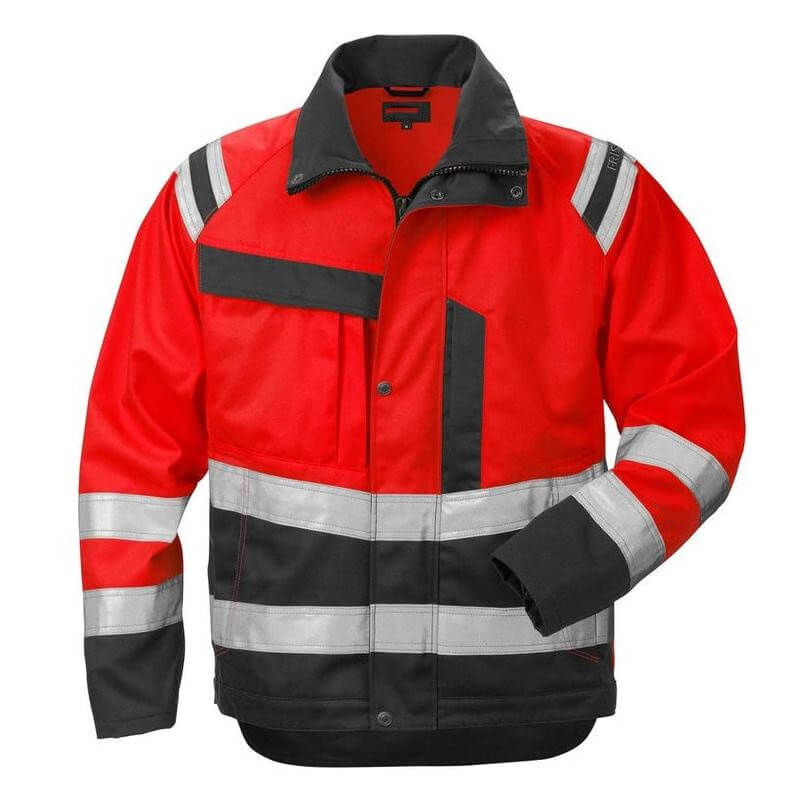
Get a Custom FR Clothing Quote from VisonSafety
The following table summarizes these standards and their primary applications to simplify standard-to-use-case matching.
How Do North American Standards Like NFPA 70E and OSHA Impact FR Clothing Use?
North American standards set employer responsibilities and technical criteria that drive FR clothing selection, especially for electrical and flash-fire risks. NFPA 70E provides a structured approach to electrical hazard assessment—using incident energy analysis to define arc-rating needs and layering strategies—and translates those results into authorized PPE categories. OSHA enforces workplace safety through the general duty clause and specific requirements, obligating employers to assess hazards and provide suitable PPE while maintaining documentation of assessments and PPE selection. Together, NFPA 70E and OSHA shape procurement specs, training and the records needed for audits and inspections.
Knowing these frameworks helps safety managers justify FR garment investments and assemble the evidence required for regulatory reviews. The next section explains how European standards differ and what international procurement teams should request.
What European Standards Govern FR Clothing Compliance?
European standards such as EN ISO 11612 and EN 11611 specify class-based tests for heat, flame and welding hazards and require CE marking and clear label information to show conformity. EN ISO 11612 covers general heat and flame exposures with performance classes for convective heat, radiant heat and small molten-metal splashes, guiding garment selection in manufacturing and process industries. EN 11611 targets protection for welding and similar work, emphasizing spatter resistance and seam integrity for localized protection. Compared with North American standards, European rules focus on defined test classes and labeling that simplify cross-border procurement within the EU.
When sourcing internationally, procurement teams should request test reports and declarations of conformity aligned to these standards to confirm garments meet expected protection criteria in Europe.
How Can Custom FR Safety Apparel Meet Specific Workplace Needs?
Custom FR apparel produced through OEM or ODM routes lets B2B buyers align protection, fit and branding while meeting certifications and delivery timelines. Customization adds value by selecting fabric technologies, seam construction, reflective-tape placement and functional features that address specific tasks and corporate identity. Choosing between inherent fibers such as meta-aramid and treated FR cotton blends balances protection, comfort and lifecycle cost; custom manufacturing lets buyers prioritize arc rating, breathability and durability. These choices lead into manufacturing services that support sampling, testing and consistent production quality.
Below is a practical checklist for buyers considering custom FR orders:
- Define protection needs based on the hazard assessment and the applicable standard(s).
- Specify materials, layering strategy and garment features (pockets, closures, reflective tape).
- Confirm required documentation: test reports, certification copies and traceability records.
What OEM and ODM Services Does VisonSafety Offer for FR Clothing?
VisonSafety delivers B2B OEM and ODM services tailored to certified FR apparel procurement, supporting custom-logo FR workwear needs with sampling, certification support and logistics. Our capabilities include rapid sampling and flexible MOQs for pilot runs, full quality control with 100% fabric batch testing and multi-year traceability, and documentation support such as OEKO-TEX, CE and UL where applicable. We operate an ISO 9001 facility, offer on-time delivery with DDP shipping options, and provide after-sales support to resolve specification or fit issues quickly. Buyers can request technical specs, test reports and samples to validate material performance before scaling production.
These manufacturing assurances—OEM/ODM services, ISO 9001 processes, batch testing, flexible MOQ and DDP shipping—give procurement teams confidence when sourcing industrial flame-resistant uniforms or bespoke FR workwear.
How Do Material Technologies Affect FR Clothing Performance?
Material technology determines the trade-off between protection, comfort and durability. Inherent fibers like meta-aramid offer permanent flame resistance and consistent arc performance, while modacrylic and treated cotton blends deliver cost-effective protection with different longevity profiles. Meta-aramid resists melting and retains integrity after repeated exposures and laundering, making it well suited to high-heat and arc environments. Treated FR cotton blends are breathable and comfortable for lower-intensity hazards but may require re-treatment or have a shorter service life than inherently FR fibers. Proper maintenance, laundering protocols and lifecycle testing all affect long-term performance, so specify care instructions and batch traceability when procuring custom apparel.
Key fabric pros and cons:
- Meta-aramid: Permanent FR properties and high durability—best for arc and flash-fire environments.
- Modacrylic: Good splash resistance and wearer comfort—suitable for welding and metalwork.
- FR-treated cotton blends: Comfortable and cost-effective for lower-risk tasks, but may need re-treatment over time.
These comparisons help buyers match fabrics to specific hazards and procurement priorities, enabling informed sample requests and review of test documentation before committing to bulk orders. The hazard mapping earlier and VisonSafety’s OEM/ODM capabilities support a full procurement workflow from assessment to certified garment delivery.
When to Use FR Clothing | FAQs
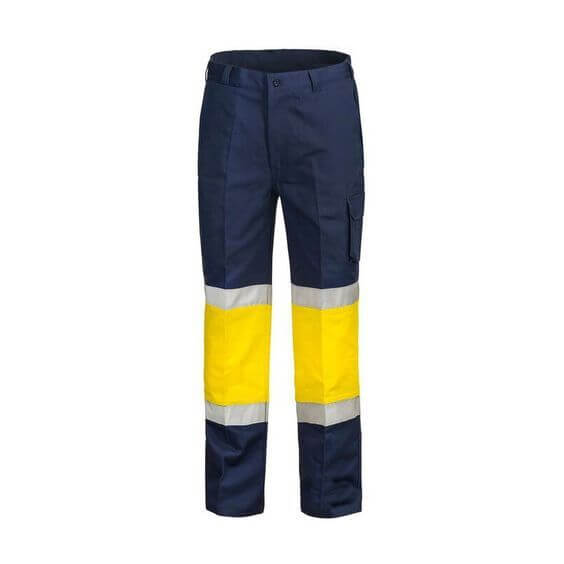
Get a Custom FR Clothing Quote from VisonSafety
What is the difference between inherent and treated FR fabrics?
Inherent FR fabrics (for example, meta-aramid) have flame resistance built into the fiber and retain protection after repeated washing and heat exposure. They are ideal for higher-risk environments like electrical work. Treated FR fabrics are ordinary fibers chemically treated to resist flames; they can be more comfortable and less costly up front but may lose effectiveness after many washes and sometimes require re-treatment. Choosing between them depends on risk level, comfort needs and lifecycle costs.
How should FR clothing be maintained to ensure its effectiveness?
Proper maintenance keeps FR clothing performing as intended. Follow the manufacturer’s care instructions—typically washing in cold or warm water, avoiding bleach and fabric softeners, and inspecting garments regularly for damage. Repair or replace any compromised items and launder FR garments separately to avoid contamination. Adhering to recommended laundering and inspection schedules extends garment life and preserves protection.
Can FR clothing be customized for branding and specific workplace needs?
Yes. FR clothing can be customized with company logos, specific fabrics, pockets, closures and reflective tape placement while maintaining required certifications. Working with an OEM/ODM partner lets you align protection, fit and brand identity without sacrificing compliance. Discuss certification and testing needs up front to ensure custom features do not affect safety performance.
What are the potential consequences of not using FR clothing in hazardous environments?
Not using FR clothing where thermal hazards exist increases the risk of serious burn injuries or worse. Workers exposed to arc flashes, flash fires or molten metal without appropriate FR protection face much higher injury severity. Legal and financial consequences for employers can include regulatory fines, increased liability and reputational damage. Equipping personnel with suitable FR garments is both a safety priority and, in many cases, a regulatory requirement.
How do I determine the appropriate arc rating for FR clothing?
Determining the correct arc rating starts with an incident-energy analysis for the specific electrical tasks. That analysis estimates potential energy exposure during an arc event and identifies the arc rating (cal/cm²) required for garments. Refer to NFPA 70E for guidance on conducting these assessments and match garment arc ratings to the calculated incident energy to ensure adequate protection.
What role do safety standards play in the selection of FR clothing?
Safety standards provide the testing, labeling and performance benchmarks that guide FR clothing selection. Standards such as NFPA 70E, NFPA 2112 and EN ISO 11612 outline minimum requirements for garments based on identified hazards. Evaluating your workplace against these standards helps you choose the correct type of FR clothing and supports regulatory compliance and worker safety.
Conclusion
Flame-resistant clothing is a critical layer of protection against thermal hazards. By identifying hazards, applying the appropriate standards and choosing the right fabrics and garments, organizations can protect workers and meet regulatory expectations. Custom, certified FR apparel offers both safety and operational benefits—VisonSafety can help specify, sample and deliver solutions tailored to your needs. Contact us to discuss your requirements and explore certified FR options.
 English
 Deutsch
 Français
 Polski
 Português do Brasil
 Español
 日本語
日本語 Русский
 العربية
 Italiano
 Nederlands
 Türkçe
 한국어
한국어