
Printing on safety vests supports corporate identification and worker visibility in industrial and field settings. This guide summarises professional printing methods, material compatibility, and practices that promote durable, standards-compliant results so procurement and safety teams can match process, substrate, and performance needs.
Printing Techniques
Common techniques for safety vests include screen printing, direct-to-film (DTF), heat press (heat transfer), and sublimation. They differ in inks, cure requirements, adhesion, and resistance to wear and weather; select the process that fits your substrate, artwork, and durability targets.
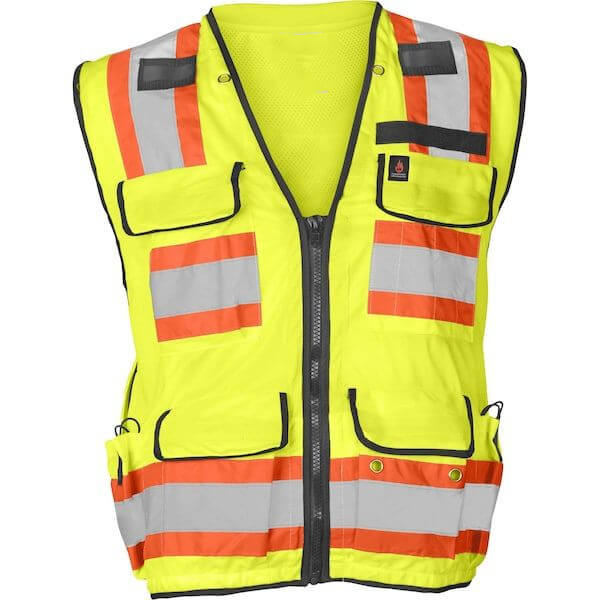
Get a Custom Hi-Vis Vest Quote from VisonSafety
VisonSafety supplies high-visibility apparel and offers technical experience across multiple printing processes to support quality control and compliance with international requirements.
How Does Screen Printing Ensure Durability and Compliance?
Screen printing deposits robust ink layers and, when properly cured with certified inks, delivers strong abrasion and environmental resistance; routine adhesion and visibility tests confirm continued compliance.
What Are the Advantages of DTF and Heat Press Techniques?
DTF produces high color saturation and fine detail on a variety of substrates, while heat press transfers are cost-efficient for simple logos and short runs; both can meet durability needs when matched to suitable inks and application parameters.
Additional research documents emerging printing approaches that improve optical visibility and color vibrancy, expanding options for high-visibility apparel.
Inkjet Printing for High Optical Visibility
This paper presents a practical fabrication method using a sol-gel ink technique with a standard desktop inkjet printer to produce interference color images exhibiting high optical visibility. The authors adjusted surface heterostructure properties according to antireflection coating principles and report an enhancement in interference color optical visibility of up to 32%. The study identifies the technique as a promising, sustainable approach for color printing.
Inkjet printing of TiO2/
AlOOH heterostructures for the formation of interference color images with high optical visibility, AV Yakovlev, 2016
Compatible Materials
Material choice strongly affects print performance. Polyester suits sublimation, cotton accepts screen and heat-transfer inks, and blended textiles can work if fibre content and surface treatments support adhesion, colorfastness, and retroreflective properties.
Best Practices for Ensuring Durability and Compliance
To achieve durable, standards-compliant prints, adopt concise best practices:
- Material Selection : Choose fabrics compatible with your printing method.
- Quality Control : Apply consistent process controls and inspection.
- Testing and Certification : Test finished garments for durability and regulatory compliance.
Following these practices helps extend service life and maintain the functional performance required by safety programmes.
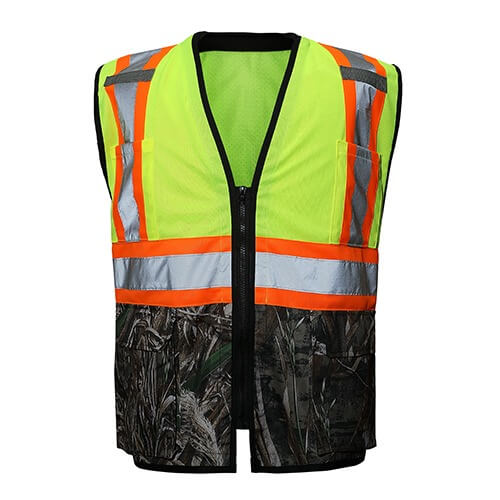
Get a Custom Hi-Vis Vest Quote from VisonSafety
What Are the Primary Printing Methods for Safety Vests?
The principal methods are:
- Screen Printing : Durable and effective for large, bold graphics.
- DTF Printing : Good for detailed, color-rich artwork on varied substrates.
- Heat Press : Cost-effective for simple logos and short runs.
Compare durability, cost, and visual requirements to choose the best process for your order volume and artwork complexity.
How to Choose the Best Printing Technique for Hi-Vis Safety Vests?
Evaluate design complexity, material compatibility, and cost to determine the optimal printing technique.
- Design Complexity : Use DTF for intricate graphics; use heat press for simple logos.
- Material Compatibility : Confirm the method suits the vest fabric.
- Cost Considerations : Balance budget with long-term performance needs.
These criteria help procurement and safety teams make evidence-based choices aligned to branding and operational constraints.
What Compliance Standards Must Custom Safety Vest Printing Meet?
Printing must adhere to applicable standards for color, retroreflectivity, and garment design; ANSI/ISEA 107 is a common reference for high-visibility apparel to ensure worker safety under low-light conditions.
How Do ANSI, ISO, and NFPA Standards Influence Printing Choices?
ANSI, ISO, and NFPA impose performance requirements that affect ink, reflective tape, substrate selection, and application methods; knowing these limits directs specification and testing decisions.
Independent studies further validate the need for rigorous testing of high-visibility fabrics and retroreflective materials to demonstrate compliance with international standards such as ISO 20471.
Hi-Vis Fabric & Retroreflective Material Compliance
This study compares the physical properties of several fluorescent fabrics and retroreflective materials to assess compliance with international standards for high-visibility warning clothing. Selected samples were evaluated against the seven criteria of ISO 20471. Both general retroreflective properties and post-5-condition retroreflective properties for all four samples met ISO requirements. The retroreflective property at an observation angle of 12′ and an incidence angle of 5° for R2, R3, and R4 relative to R1 ranged from 81.4% to 158.4%. Despite inter-sample variance, all four samples complied with ISO criteria, indicating that R2, R3, and R4 are viable materials for export.
An evaluation of the suitability of fluorescent fabrics and retroreflective materials for road traffic warning clothing in compliance with international standards, 2019
What Are the Durability Requirements for Industrial Safety Vest Branding?
Durability expectations include resistance to UV, chemicals, abrasion, and repeated laundering; using high-performance inks, optimised cure profiles, and correctly applied reflective tape extends the life of printed elements.
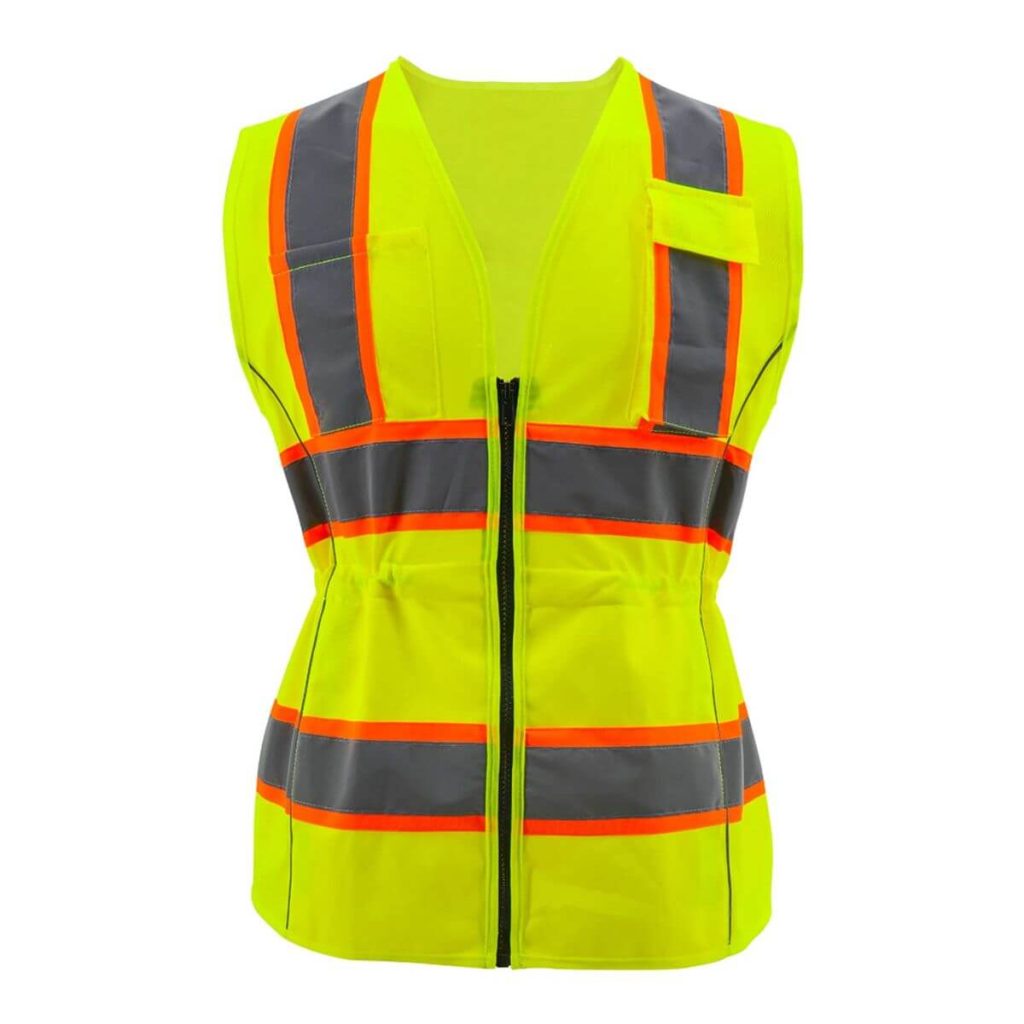
Get a Custom Hi-Vis Vest Quote from VisonSafety
How to Optimize Custom Safety Vest Printing for Business Benefits?
Optimising printing balances upfront cost with long-term performance to improve brand recognition, reduce operational risk, and lower lifecycle cost.
- Quality Printing : Invest in methods and controls that ensure durability and compliance.
- Cost-Effective Strategies : Use bulk production and process efficiencies to lower unit cost.
- Brand Visibility Enhancement : Combine vibrant inks and reflective materials for better recognition.
Quality printing reduces risks associated with safety vests, maintains worker visibility in low light, and supports consistent corporate presentation.
What Are Cost-Effective Strategies for Industrial Safety Vest Customization?
Cost-effective options include:
- Bulk Orders : Reduce per-unit cost with larger runs.
- Material Selection : Choose substrates that balance cost and performance.
- Simplified Designs : Lower complexity to reduce printing time and expense.
These approaches help organisations maintain consistent branding while controlling procurement budgets.
For further inquiries or to discuss your specific needs, please contact us. Our technical team can advise on customised solutions that meet operational and compliance requirements.
How to Print on Safety Vests | FAQs
What is the best fabric for printing on safety vests?
The best fabric depends on the printing method: polyester for sublimation; cotton or cotton-rich blends for screen printing and heat transfer; blends must be evaluated for fibre mix and surface treatment.
How can I ensure my printed safety vests are compliant with safety standards?
Specify certified inks and materials, reference standards such as ANSI/ISEA 107, and use documented testing and quality-control procedures to verify retroreflectivity and visibility.
What are the environmental considerations for printing on safety vests?
Prefer water-based or low-VOC inks, consider recycled polyester substrates, and minimise waste through efficient nesting and offcut recycling to reduce environmental impact.
Can I customize safety vests for different industries?
Yes. Tailor color schemes, retroreflectivity, and materials to industry needs—construction may require higher retroreflectivity; emergency services often have specific color and identification needs.
What maintenance is required for printed safety vests?
Wash in cold water with mild detergent, avoid bleach and fabric softeners, air dry when possible, and inspect regularly for wear that could reduce visibility.
How does the choice of printing method affect the cost of safety vests?
Screen printing is cost-efficient for large volumes; DTF and sublimation suit smaller runs with complex art; heat press is economical for simple, low-quantity jobs—match method to volume and artwork.
What are the latest trends in safety vest customization?
Trends include advanced digital printing for detailed artwork, greater use of sustainable materials and inks, and functional additions like LED visibility aids or QR-code tagging for asset tracking.
Conclusion
Proper customization of safety vests—selecting compatible materials and validated printing methods—delivers durable, compliant branding that maintains visibility and supports safety programmes. For tailored solutions, explore our offerings.
 English
 Deutsch
 Français
 Polski
 Português do Brasil
 Español
 日本語
日本語 Русский
 العربية
 Italiano
 Nederlands
 Türkçe
 한국어
한국어