
The NFPA 2112 standard sets the benchmark for flame-resistant (FR) clothing used in hazardous workplaces. In 2023, the standard received targeted updates to strengthen garment performance and clarify compliance requirements. Below are the primary changes, what they mean for custom FR apparel manufacturers, and the newest fabric technologies shaping protective clothing. Knowing these updates helps manufacturers, safety managers, and wearers keep gear effective and compliant on the job.
Key Updates in NFPA 2112 for 2023
The 2023 revisions emphasize both performance and practical use. Notable changes include formal acceptance of compliant short-sleeve garments and clearer guidance on layering undergarments to preserve overall system protection. Together, these updates aim to balance protection with worker comfort and operational needs.
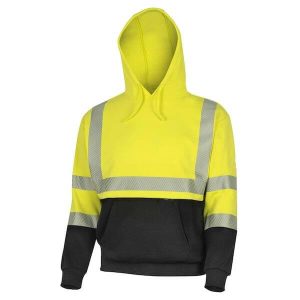
Get a Custom FR Clothing Quote from VisonSafety
Which Changes Affect Flame Resistant Clothing Standards?
The standard now imposes tighter controls on alterations and repairs: non‑FR materials are explicitly prohibited in repairs to preserve protective performance. Manufacturers are also expected to supply documentation proving compliance and to ensure traceability through the supply chain.
How Do NFPA 2112 Updates Impact Custom FR Apparel Manufacturing?
For custom manufacturers, the updates mean stricter certification and documentation expectations, more careful material selection, and reinforced quality control processes. Meeting these requirements may affect lead times and production costs, but they help guarantee consistent protection for end users.
Mass customization in apparel manufacturing is a growing factor in how producers meet these evolving standards while still delivering tailored solutions.
Mass Customization in Apparel Manufacturing
Purpose — Mass customization (MC) offers U.S. apparel makers a competitive advantage by delivering products that match consumer needs. The study outlines where customization can occur and how extensive those options can be.
Mass customization: points and extent of apparel customization, 2010
What Manufacturing Capabilities Support New Compliance Requirements?
Manufacturers should strengthen capabilities across several areas to meet the 2023 NFPA 2112 expectations:
| Capability | Description | Impact |
|---|---|---|
| Custom Manufacturing Options | Tailored solutions that address specific industry and user needs | High |
| Material Selection and Testing | Rigorous testing and validation of FR materials to confirm compliance | High |
| Certification Support | Guidance and documentation assistance through certification processes | Medium |
Strengthening these areas helps manufacturers deliver compliant, high‑quality flame‑resistant garments reliably.
How Can Custom FR Clothing Meet Updated Certification Standards?
Custom FR garments meet the new requirements by using approved materials, following documented repair and alteration procedures, and securing prior approval for any structural changes. Proactive documentation and approval workflows protect both the wearer and the maker’s compliance status.
What Are the Latest FR Fabric Technologies Meeting NFPA 2112?
Recent fabric advances include inherently flame‑resistant fibers and long‑lasting chemical treatments that preserve protective properties. These innovations also focus on comfort—moisture‑wicking, breathability, and improved thermal management—to increase wearability and sustained protection in the field.
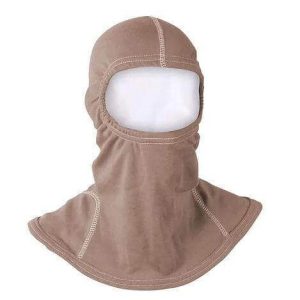
Get a Custom FR Clothing Quote from VisonSafety
Which Flame Resistant Fabrics Comply with 2023 NFPA 2112 Standards?
Several commonly used materials meet the 2023 requirements, for example:
- Nomex® : Renowned for reliable flame resistance and long service life.
- Modacrylic : Offers a useful balance of comfort and protection.
- FR Cotton Blends : Blend comfort with tested flame‑resistant properties.
These fabrics remain popular choices for manufacturers producing compliant FR apparel.
How Do Advances Improve Arc Flash Protective Apparel?
Improvements center on enhanced material performance and smarter layering systems that increase arc flash protection without sacrificing mobility. Design updates also incorporate comfort features so workers are more likely to wear the required protection consistently.
How Are Certifications and Compliance Testing Evolving with NFPA 2112?
Certification and testing are shifting toward system‑level performance: certified base layers, stricter documentation, routine inspections, and supplier performance metrics are becoming standard. These changes emphasize demonstrating sustained protection across the garment lifecycle.
What Are the Updated FR Fabric Certification Requirements?
Updated certification expectations include compliance with NFPA 2112 and, where applicable, alignment with high‑visibility standards such as ANSI/ISEA 107 (U.S.) and EN ISO 20471 (Europe). The goal is to ensure fabrics deliver both flame protection and visibility when required.
How Is Compliance Testing Conducted for New NFPA 2112 Standards?
Compliance testing now emphasizes whole‑garment system behavior, including undergarments and layered systems. Testing covers laundering durability and inspection protocols to confirm that garments retain protective qualities through normal use and maintenance.
For more information on how to acquire FR clothing , contact Vison Safety.
If you have any questions or need assistance, please contact us .
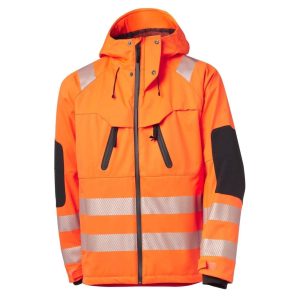
Get a Custom FR Clothing Quote from VisonSafety
What’s New in NFPA 2112 | FAQs
What industries are most affected by the NFPA 2112 updates?
Industries with exposure to flame and electrical hazards—such as oil & gas, electrical utilities, and heavy manufacturing—are most impacted. These sectors rely on rigorous FR standards to protect workers and meet regulatory obligations.
How can employers ensure their workers are compliant with NFPA 2112?
Employers should provide clear training on correct use and care of FR clothing, enforce repair and alteration protocols, and maintain documentation for traceability. Regular audits and garment inspections help ensure ongoing compliance.
What role does testing play in the compliance of FR fabrics?
Testing is essential: it verifies material performance under flame and heat exposure and confirms durability through laundering and wear. Ongoing evaluation ensures new fabric technologies continue to meet safety requirements as standards evolve.
Are there any new certifications related to NFPA 2112?
Yes. The 2023 updates align NFPA 2112 more closely with other standards, such as ANSI/ISEA 107 and EN ISO 20471 for high visibility, so manufacturers may need to consider multiple certifications depending on the garment’s intended use and geography.
What are the implications of using non-FR materials in repairs?
Using non‑FR materials in repairs is now prohibited. Such repairs can compromise a garment’s protective integrity and increase risk to the wearer. Always use approved FR materials and documented repair methods to maintain safety and compliance.
How do advancements in FR fabric technologies enhance worker safety?
Advances like inherently FR fibers and improved treatments increase protection while improving comfort—moisture management, breathability, and better fit—which encourages consistent wear and reduces risk in hazardous environments.
What should manufacturers consider when selecting materials for FR clothing?
Manufacturers should prioritize NFPA 2112 compliance, durability, wearer comfort, and suitability for the specific hazards present. Rigorous testing and staying informed on fabric innovations are key to delivering safe, effective garments.
Conclusion
The 2023 updates to NFPA 2112 sharpen requirements around repairs, documentation, and system‑level performance while recognizing practical garment choices like compliant short sleeves and layered systems. Staying current with these changes—and adopting tested materials and robust quality processes—helps manufacturers protect workers and meet regulatory expectations. For more details and compliant FR options, visit our website.
 English
 Deutsch
 Français
 Polski
 Português do Brasil
 Español
 日本語
日本語 Русский
 العربية
 Italiano
 Nederlands
 Türkçe
 한국어
한국어