
NFPA 2112 Category 2 flame-resistant (FR) apparel provides elevated thermal protection and is frequently considered for rescue and extrication tasks. This article summarizes what Cat 2 garments deliver, the certification elements that verify performance, how they perform in extrication work, and the practical benefits of custom manufacturing for fit and function.
What Is NFPA 2112 Category 2 Flame Resistant Clothing?
Category 2 NFPA 2112 gear offers greater thermal protection than Category 1. These garments use inherently flame-resistant, durable fabrics and are designed to balance ignition resistance with mobility so responders can work safely while retaining range of motion.
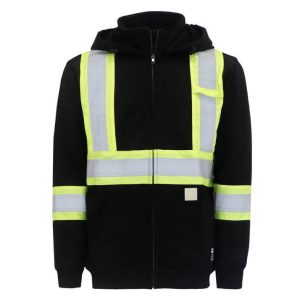
Get a Custom FR Clothing Quote from VisonSafety
What Are the Certification Requirements for NFPA 2112 Cat 2 FR Clothing?
Certifying a Category 2 FR garment requires standardized testing and documentation to confirm performance. Typical certification elements include:
- Undergarment Requirements: Category 2 outerwear is designed to be used with approved FR underlayers to achieve the intended protection.
- Documentation Needs: Manufacturers must provide test reports, material specs, and certificates showing NFPA conformance.
- Laundering Protocols: Care and laundering limits are specified to preserve FR performance over the garment’s service life.
These elements together verify the garment will perform under thermal stress when used and maintained as specified.
How Does Category 2 FR Clothing Protect During Extrication?
Category 2 garments combine key protections that matter during extrication:
- Flame Resistance: Fabrics resist ignition and limit flame spread.
- Thermal Hazard Protection: Insulation and tested incident-energy performance reduce burn severity.
- Moisture-Wicking Features: Moisture-management fabrics help reduce heat stress during prolonged tasks.
Together these traits lower immediate burn risk while helping responders remain effective when cutting, prying, or moving patients near thermal hazards.
What Are the Key Features of Fire Resistant Fabric for Rescue?
Rescue-grade FR fabrics combine qualities that ensure field reliability. Key features include:
- Certified Flame Resistance: Materials pass NFPA test methods to confirm protection.
- Durable Inherent FR Fabrics: Inherent fibers retain protection through wear and laundering, not just surface treatments.
- Thermal and Moisture Management: Constructions balance heat protection with breathability for wearer comfort.
Understanding these attributes helps teams select garments that withstand rescue demands.
| Feature | Description | Benefit |
|---|---|---|
| Certified Flame Resistance | Meets NFPA standards | Provides verified protection against thermal hazards |
| Durable Inherent FR Fabrics | Long-lasting materials | Retains protective performance through use and laundering |
| Thermal and Moisture Management | Advanced fabric technologies | Improves comfort and reduces heat stress during operations |
This table summarizes how core fabric features translate into practical benefits for rescue clothing.
Can NFPA 2112 Cat 2 Gear Meet Extrication Safety Apparel Needs?
Yes. When specified and maintained correctly, NFPA 2112 Category 2 gear can meet the thermal protection needs of many extrication tasks. Cat 2 garments provide tested resistance and incident-energy performance for higher-risk work, and sensible custom options—reinforcements, tailored fit, and pockets—improve on-scene usability. Consistent quality control and proper use are required for reliable protection.
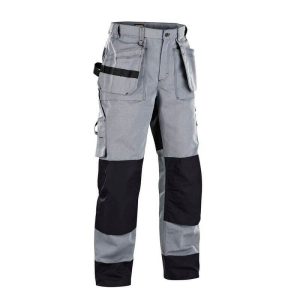
Get a Custom FR Clothing Quote from VisonSafety
What Are the Differences Between Category 1 and Category 2 FR Clothing for Emergency Responders?
Category 1 and Category 2 serve different risk levels. Key distinctions include:
- Task Type and Equipment: Category 1 suits lower-hazard tasks; Category 2 is for higher-risk duties needing stronger thermal protection.
- Incident Energy Calculation: Category 2 is tested to higher incident energy levels to reflect greater thermal loads.
- PPE Level Assignment: Category 2 carries a higher PPE assignment under standards-driven protocols.
These differences guide procurement and operational decisions about when each category is appropriate.
How Do These Differences Impact Extrication Scenarios?
Choosing Category 2 affects safety planning and gear selection by providing:
- Task Type Considerations: Better protection for operations involving open flame, high heat, or cutting equipment that creates thermal hazards.
- Incident Energy Mapping: A clearer match between expected incident energy and garment capability.
- Regulatory Standards: Alignment with NFPA guidance and local protocols for compliant operations.
Category selection should be part of pre-incident planning and PPE risk assessments.
How Can Custom Manufacturing Enhance NFPA 2112 Cat 2 FR Clothing for Extrication?
Custom manufacturing adapts Category 2 garments to field needs. Advantages include:
- Tailored Fit: Reduced bulk and improved range of motion for more effective work.
- Integrated Features: Built-in pockets, reinforcements, and attachment points for tool access.
- Quality Control: Tighter production checks and documented testing to ensure compliance.
These enhancements increase comfort, durability, and functional performance on the job.
What Are the Advantages of Tailored Safety Apparel in Rescue Operations?
Tailored safety apparel offers operational benefits, including:
- Improved Visibility: Custom color and reflective placement for better scene visibility.
- Enhanced Safety: Design choices that address specific exposure risks.
- Customization Options: Role-specific features and wearer preferences increase effectiveness and acceptance.
Well-fitted, purpose-built apparel supports faster, safer responses.
How to Request a Custom FR Apparel Quote for Extrication Use?
Requesting a custom FR apparel quote is straightforward. Follow these steps:
- Identify Your Needs: Specify sizes, features, quantities, and performance or compliance targets.
- Contact Manufacturers: Reach out to suppliers specializing in FR and rescue apparel to discuss options and lead times.
- Provide Necessary Information: Share specifications, NFPA or local standard requirements, and any sketches or role-based needs for an accurate quote.
These steps help manufacturers deliver proposals that match operational needs. For direct inquiries, visit our contact page.
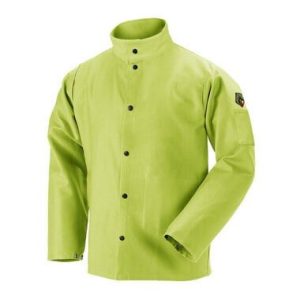
Get a Custom FR Clothing Quote from VisonSafety
Can NFPA 2112 Cat 2 FR Clothing Used in Extrication | FAQs
What types of incidents require NFPA 2112 Category 2 FR clothing?
Category 2 is appropriate for higher-risk events with significant thermal exposure, such as structural fire support, vehicle extrication near fire or fuel, and hazmat incidents with heat risk. It is chosen when expected exposure exceeds what Category 1 covers.
How should NFPA 2112 Cat 2 clothing be maintained for optimal performance?
Follow manufacturer laundering instructions, use mild detergents, avoid bleach and fabric softeners, and inspect garments for damage or contamination. Replace items that no longer meet fit or protective standards.
Can NFPA 2112 Category 2 clothing be used in non-fire emergencies?
Yes. Cat 2 garments are useful in any scenario with thermal risk—confined-space rescues, certain chemical incidents, and operations with hot equipment or energized environments can all benefit.
What is the lifespan of NFPA 2112 Category 2 FR clothing?
Lifespan depends on use frequency, exposure, laundering, and care. With proper maintenance Cat 2 garments can last several years; inspect regularly and follow manufacturer guidance on service life and retirement.
Are there specific sizing considerations for NFPA 2112 Cat 2 clothing?
Fit is critical. Ill-fitting gear can hinder movement or leave areas exposed. Use accurate measurements and manufacturer sizing charts; consider custom manufacturing when off-the-shelf sizes are inadequate.
What role does moisture management play in NFPA 2112 Cat 2 clothing?
Moisture management reduces heat strain and improves comfort during heavy exertion. Moisture-wicking layers pull sweat away from the skin, aid thermal regulation, and lower overheating risk during prolonged extrication efforts.
Conclusion
NFPA 2112 Category 2 flame-resistant clothing delivers meaningful protection for responders in higher-risk extrication scenarios. Its flame resistance, thermal safeguarding, and moisture management make it a strong choice where higher incident energies are likely. Careful selection, proper maintenance, and the option to specify custom features help ensure gear supports both safety and performance on the job. Explore our custom manufacturing options to find solutions tailored to your team’s needs.
 English
 Deutsch
 Français
 Polski
 Português do Brasil
 Español
 日本語
日本語 Русский
 العربية
 Italiano
 Nederlands
 Türkçe
 한국어
한국어