
Class 1 high‑visibility shirts help keep people seen—and safe—on jobs where visibility matters. These garments must meet specific standards, so it’s important to know which colors are permitted for compliance. This guide explains the approved colors for Class 1 hi‑vis shirts, the rules that govern them, and practical tips for choosing the right color for your workplace. We cover ANSI/ISEA 107, international comparisons, certification basics, and practical recommendations.
Color affects detectability—especially in lifesaving equipment and visual search tasks.
Lifesaving Equipment Color Standards & Visual Search
The U.S. Coast Guard Research and Development Center reviewed requirements for lifesaving equipment colors and examined how color affects visual search. The report summarizes domestic regulations, international conventions, and government and industry standards that set either prescriptive or performance requirements for lifesaving equipment colors. It also includes a literature review of peer‑reviewed studies on color conspicuity, detectability, and visual search theory.
Lifesaving Equipment Colors; Literature Review, 2023
Which Colors Are Approved for Class 1 Hi Vis Shirts Under ANSI/ISEA 107?
The ANSI/ISEA 107 standard defines specific fluorescent color ranges for Class 1 hi‑vis shirts so wearers remain visible in low‑light and daytime conditions. Meeting these limits is essential in sectors like construction, transportation, and utilities. In short, approved options are fluorescent shades that stand out from common backgrounds.
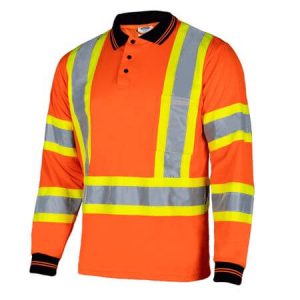
Get a Custom Hi-Vis Shirt Quote from VisonSafety
What Are the Fluorescent Colors Permitted for Class 1 Hi Vis Shirts?
Fluorescent hues improve contrast and detection. Under ANSI/ISEA 107, Class 1 shirts may use the following fluorescent colors:
- Fluorescent Yellow‑Green: Highly conspicuous and frequently used where both vehicle and pedestrian traffic are present.
- Fluorescent Orange‑Red: Common in construction and roadside settings for its strong contrast with many backgrounds.
Both colors are chosen to remain effective in daylight and reduced‑light situations so workers stay visible.
Is Red Allowed in Class 1 Hi Vis Apparel?
ANSI/ISEA 107 does not list plain red as an approved Class 1 hi‑vis color. The emphasis is on fluorescent yellow‑green and fluorescent orange‑red for maximum detectability. Some international standards recognize fluorescent red variants, but for Class 1 garments under ANSI/ISEA 107 rely on the two fluorescent colors noted above.
How Do International Standards Compare for Class 1 Hi Vis Shirt Colors?
Rules for high‑visibility clothing differ by region. Knowing how other standards align with ANSI/ISEA 107 helps businesses that operate internationally or source garments from multiple markets.
Research into international regulations also highlights the role of hi‑vis clothing in reducing road traffic hazards and improving worker safety.
International Regulations for High-Visibility Clothing
To prevent and manage road traffic hazards, many developed countries have adopted standards for high‑visibility warning clothing (for example: ANSI/ISEA 2015; ISO 20471:2013; JSAA 2017; JATRAS 2016; JIS T 8127:2015; ORAFOL 1999). Evaluations have considered the suitability of fluorescent fabrics and retroreflective materials to meet those international requirements.
An evaluation of the suitability of fluorescent fabrics and retroreflective materials for road traffic warning clothing in compliance with international standards, 2019
What Are the European EN ISO 20471 Color Requirements?
EN ISO 20471 (Europe) specifies fluorescent colors but permits a slightly different palette. EN ISO 20471 allows:
- Fluorescent Yellow
- Fluorescent Orange
- Fluorescent Red
These choices ensure clear visibility across a range of environments and lighting conditions.
How Do ANSI/ISEA 107 and EN ISO 20471 Differ in Color Regulations?
Both standards prioritize fluorescent colors, but they use different color definitions and allowable options. ANSI/ISEA 107 focuses on fluorescent yellow‑green and fluorescent orange‑red for Class 1, while EN ISO 20471 lists fluorescent yellow, orange, and red as acceptable. If you supply or use hi‑vis clothing across regions, verify compliance with the local standard to avoid gaps in safety and legal requirements.
What Certifications Ensure Compliance of Class 1 Hi Vis Shirt Colors?
Certifications and test reports give you confidence that a garment meets the stated visibility standards. Several certifications are commonly used to validate hi‑vis apparel.
Which Safety Apparel Certifications Validate Color Compliance?
Key certifications to look for include:
- ANSI/ISEA 107 Certification: Confirms the garment meets the visibility and color requirements of the ANSI/ISEA 107 standard.
- EN ISO 20471 Certification: Required for demonstrating compliance with European high‑visibility clothing rules.
- ISO 9001 Certification: Not a color standard, but indicates the manufacturer follows recognized quality management practices that support consistent production.
How Do Manufacturers Test and Certify Hi Vis Shirt Colors?
Manufacturers use several tests to confirm color and performance meet standards. Common methods include:
- Colorfastness Testing: Checks how well dye holds up to washing and UV exposure so the color stays within the required range.
- Reflectivity Testing: Measures how well retroreflective materials return light, crucial for low‑light visibility.
- Durability Testing: Verifies the garment and its markings retain visibility after repeated wear and care.
These tests protect the garment’s performance over time and help you trust labels and certificates.
How to Choose the Right Class 1 Hi Vis Shirt Color for Your Industry?
Picking the right color means balancing compliance, the work environment, and how the wearer will be seen against typical backgrounds. Different sectors often prefer specific colors for practical reasons.
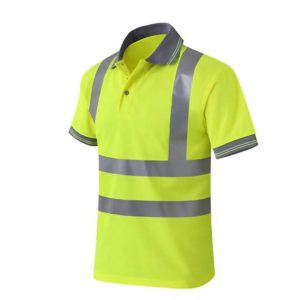
Get a Custom Hi-Vis Shirt Quote from VisonSafety
What Colors Are Recommended for Construction, Transportation, and Utilities?
For construction, fluorescent yellow‑green and fluorescent orange‑red are the go‑to options because they contrast well with natural and built environments. In transportation, fluorescent orange‑red is commonly chosen for visibility in traffic. Utility crews often favor fluorescent yellow‑green where pedestrian interaction is high. Use the color that gives the best contrast with the background and lighting your workers face.
How Do Custom Manufacturing Options Affect Color Choices?
Custom manufacturing lets you keep compliance while adding brand elements—like logos, extra reflective tape, or color accents. Work with your supplier to ensure customization doesn’t cover required fluorescent areas or degrade reflective performance. Clear specifications and pre‑production samples help maintain safety and brand needs.
What Shirt Colors Are Allowed as Class 1 Hi Vis | FAQs
What is the importance of color in hi vis apparel?
Color determines how easily a person is detected. Fluorescent shades increase contrast with most surroundings and improve the chance of being noticed, especially in busy or hazardous settings. Choosing the right color reduces collision risk and improves site safety.
Are there any specific regulations for hi vis shirts in different countries?
Standards vary by region—for example, ANSI/ISEA 107 in the United States and EN ISO 20471 in Europe. Each standard specifies allowable colors, minimum material areas, and reflective performance. If you operate internationally, check local requirements before approving garments.
How can I ensure my hi vis shirts remain compliant over time?
Follow the manufacturer’s care instructions, inspect garments regularly for fading or damage, and replace shirts that no longer meet color or reflectivity requirements. Keep records of purchase dates, inspections, and test certificates to demonstrate ongoing compliance.
What role do reflective materials play in hi vis shirts?
Reflective tape and materials return light to its source, making the wearer visible to drivers and equipment operators at night or in poor light. Combined with fluorescent backgrounds, reflective elements provide a two‑part approach: high daytime contrast plus enhanced nighttime detection.
Can I customize my hi vis shirts while maintaining compliance?
Yes. Most manufacturers can add logos, names, or extra reflective features without breaking compliance—provided required fluorescent areas and reflective placements remain intact. Ask the supplier for compliance guidance and review samples before large runs.
What should I consider when selecting hi vis shirts for different work environments?
Consider applicable standards, typical lighting, background contrast, climate (breathability, moisture‑wicking), and durability. Match the garment’s performance features to the job demands to keep workers safe and comfortable.
Conclusion
Knowing which colors are allowed for Class 1 hi‑vis shirts helps you make safe, compliant choices. Follow ANSI/ISEA 107 for Class 1 guidance in the U.S., check regional standards where you operate, and rely on certified suppliers and testing to confirm performance. Choosing the right color and maintaining garments properly protects workers and reduces risk on the job. Use the resources above to find compliant hi‑vis options that suit your industry.
 English
 Deutsch
 Français
 Polski
 Português do Brasil
 Español
 日本語
日本語 Русский
 العربية
 Italiano
 Nederlands
 Türkçe
 한국어
한국어