
High‑visibility shirts are a core safety layer for workers in construction, road crews and similar high‑risk environments. This guide covers materials, tools and sewing techniques for attaching reflective tape and patches so garments remain durable, visible and compliant. It also summarizes standards and B2B customization tips to help you specify long‑lasting hi‑vis apparel.
What materials and tools do you need to sew reflective tape onto hi‑vis shirts?
Successful attachment requires the right materials and tools. Choose components that balance visibility, durability and wearer comfort so garments perform reliably on the job.
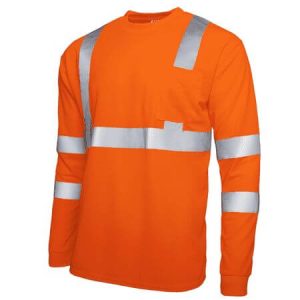
Get a Custom Hi-Vis Shirt Quote from VisonSafety
Which types of reflective tape and hi‑vis fabrics are best for safety apparel?
When selecting tape and fabrics, prioritize durability and certified visibility. Key options to consider include:
- Reflective Tape: Use tapes that meet ANSI/ISEA or EN ISO 20471. Glass‑bead and microprismatic tapes provide strong retroreflectivity.
- Hi‑Vis Fabrics: Choose lightweight, durable textiles such as polyester or polyester blends with breathability for long wear.
- Cost Considerations: Higher‑grade materials cost more initially but usually last longer and help maintain compliance, lowering lifecycle cost.
Knowing the material properties and certification requirements helps you select components that meet international high‑visibility standards.
High‑visibility material compliance with ISO & ANSI standards
This study compares physical properties of several fluorescent fabrics and retroreflective materials to evaluate compliance with international standards for high‑visibility clothing. Four fluorescent fabrics were tested: a PET 71%/Cotton 23%/PU 6% fabric used in Korean road cleaner uniforms (S1); an ISO‑compliant Japan‑made PET 65%/Cotton 35% conductive blend (S2); and two Korean PET 100% samples selected randomly for adult and children’s use (S3 and S4). Each sample was measured against the seven criteria in ISO 20471.
Designing Safety Vests to Fit Women, 2020
What industrial sewing machines and accessories are recommended?
Use heavy‑duty machines and compatible accessories so layered seams and reflective tape feed reliably and sew cleanly.
- Sewing Machines: Use heavy‑duty industrial machines for thick fabrics and layered seams; trusted brands include Juki and Brother.
- Accessories: A walking foot or compound feed helps feed layers evenly; pair with heavy‑duty needles and strong polyester thread.
- Budget Options: For low volume work, entry‑level industrial models provide many production capabilities at lower cost.
How do you sew reflective tape and patches on hi‑vis shirts correctly?
Attaching reflective elements requires simple, consistent prep and sewing techniques to ensure longevity and meet performance expectations.
What are the step‑by‑step sewing techniques for attaching reflective tape?
Follow these steps when sewing reflective tape to hi‑vis shirts:
- Preparation: Pre‑wash shirts to remove finishes that inhibit adhesion. Press and lay the garment flat on a clean surface.
- Placement: Position tape per your design and visibility requirements; check alignment before stitching.
- Sewing Process: Stitch along tape edges with a straight stitch; use backstitches at starts and ends to lock seams.
- Finishing Touches: Trim threads, inspect for gaps or puckering, and reinforce stress points to prevent failure.
How do you ensure durable and compliant stitching on safety shirts?
Use proven techniques and QC checks so seams stay strong and reflective elements perform over time:
- Stitching Techniques: A narrow zigzag adds flexibility on stretch fabrics and reduces seam separation. Match stitch length to fabric and tape.
- Compliance Standards: Keep ANSI/ISEA 107 and EN ISO 20471 guidelines in mind — they affect placement, coverage and performance.
- Quality Checks: Inspect garments after laundering and use. Regular QC helps catch issues early and maintain consistency.
What certification standards affect sewing on hi‑vis shirts?
Certification rules define required reflective area and how tape must be applied. Knowing these standards is essential for suppliers and specifiers.
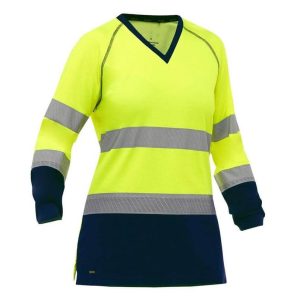
Get a Custom Hi-Vis Shirt Quote from VisonSafety
How do ANSI/ISEA 107 and EN ISO 20471 standards influence sewing practices?
ANSI/ISEA 107 and EN ISO 20471 set performance and design expectations for hi‑vis clothing. Their main impacts include:
- Visibility Levels: Standards determine minimum reflective area and placement by intended use and risk level.
- Impact on Manufacturing: Requirements guide material selection, seam construction and production checks so finished garments meet visibility claims.
- Examples of Compliant Products: Many manufacturers supply shirts that meet these standards — verify labeling and test reports when specifying or buying.
Research also points out practical challenges — for example, how fit and required panel area can complicate compliant designs for smaller body sizes.
Improving hi‑vis safety vest fit & ANSI/ISEA compliance
Safety vests are vital for workers who need 360‑degree visibility. ANSI and ISEA set standards to ensure that visibility, but those requirements can make it hard for manufacturers to produce a well‑fitted vest for smaller women (roughly XXS–S). Because the standard requires a minimum square‑inch coverage, smaller sizes can end up with an oversized, baggy appearance despite meeting visibility rules.
Designing Safety Vests to Fit Women, 2020
Why is proper sewing critical for certified safety workwear suppliers?
Standards‑aware sewing protects workers and suppliers. Key reasons to follow best practices include:
- Consequences of Non‑Compliance: Incorrect construction can cause failed certification, legal exposure and greater injury risk.
- Benefits of Proper Techniques: Correct stitching improves durability, ensures reflective elements work and reduces returns or field failures.
- Industry Standards: Staying current with standards and testing keeps you competitive and trusted by safety‑conscious buyers.
How can B2B clients customize hi‑vis shirts through manufacturing processes?
Customization reinforces branding while meeting safety needs. Clear communication with your manufacturer and awareness of production constraints streamlines the process.
What are the options for custom sewing and reflective tape placement?
Typical customization choices include:
- Design Options: Select colors, tape patterns and logo placements that align with brand identity while meeting visibility requirements.
- Placement Strategies: Use strategic tape layouts to maximize visibility without compromising aesthetics or fit.
- Client Collaboration: Work with manufacturers on prototypes and mockups to confirm safety and visual goals before full production.
How does the custom order process work for industrial safety apparel?
A typical custom order follows a straightforward sequence:
- Order Placement: Provide design specs, sizes and quantities to start quoting and sampling.
- Production Timelines: Timelines depend on order size and complexity; expect longer lead times for new samples and approvals.
- Delivery Expectations: Agree realistic delivery windows and include time for quality checks or rework.
How to Sew on Hi-Vis Shirts | FAQs
What are the key safety features to look for in hi‑vis shirts?
Look for adequate reflectivity, the correct fluorescent color and certifications such as ANSI/ISEA 107 or EN ISO 20471. Ensure 360‑degree visibility, breathable durable fabric and a proper fit.
Can I wash hi‑vis shirts without affecting their reflective properties?
Yes, with care. Follow the care label: use mild detergent, avoid bleach and fabric softeners, wash in cold water when possible, and air dry. Inspect tape after washing.
What are the common mistakes to avoid when sewing hi‑vis shirts?
Avoid wrong needles or thread, poor tape placement and skipping pre‑washing. These errors can reduce durability and compromise compliance.
How can I ensure my custom hi‑vis shirts meet industry standards?
Specify the required standard (e.g., ANSI/ISEA 107 or EN ISO 20471), request material certificates and test reports, and review pre‑production samples and QC checks during production.
What is the typical turnaround time for custom hi‑vis shirt orders?
Turnaround varies by size and complexity. Small runs or simple mods may take a few weeks; full custom production with sampling can take several months. Confirm schedules with your supplier.
Are there specific regulations for hi‑vis shirts in different industries?
Yes — requirements differ by industry and region. For example, construction and roadwork commonly require ANSI/ISEA 107 in the U.S. or EN ISO 20471 in Europe. Know the rules for your sector.
What are the benefits of using high‑quality materials for hi‑vis shirts?
Higher‑quality fabrics and tapes increase longevity, maintain reflectivity and improve comfort. Premium materials resist laundering and reduce lifecycle costs through fewer replacements.
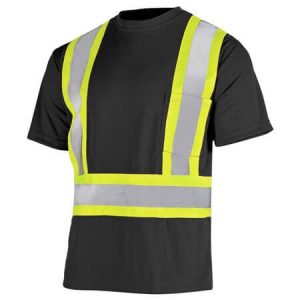
Get a Custom Hi-Vis Shirt Quote from VisonSafety
Conclusion
Sewing hi‑vis shirts correctly improves worker safety and helps meet regulatory requirements. With appropriate materials, machines and sewing methods — plus clear communication during customization — you can produce durable, compliant hi‑vis apparel. Start with a clear spec and build QC into every production step.
 English
 Deutsch
 Français
 Polski
 Português do Brasil
 Español
 日本語
日本語 Русский
 العربية
 Italiano
 Nederlands
 Türkçe
 한국어
한국어