
Hi Vis jackets, or high-visibility jackets, are safety garments designed to make people easier to see. They’re used where workers face vehicle traffic, heavy equipment, low light or emergency duties. This guide explains what makes a Hi Vis jacket effective, common types, the standards they must meet, and how custom manufacturing supports B2B needs.
Improved visibility is a simple, effective way to reduce accidents on site. Below we cover the features, styles and standards that govern Hi Vis jackets.
Research consistently shows high-visibility apparel reduces occupational risk and supports safer work environments.
High-Visibility Apparel for Occupational Safety
Studies indicate that wearing high-visibility safety garments can lower exposure to workplace hazards. Research examining police officers’ use of Hi-Vis apparel highlights how safety, ethics and professional appearance intersect in real-world duties.
Understanding police officers’ usage of high-visibility safety apparel: The role of safety ethics and professional appearance, 2021
What defines a Hi Vis Jacket and its key visibility features?
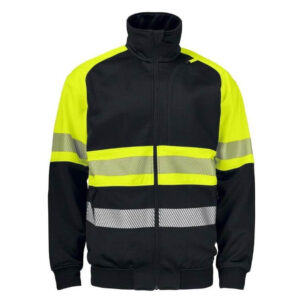
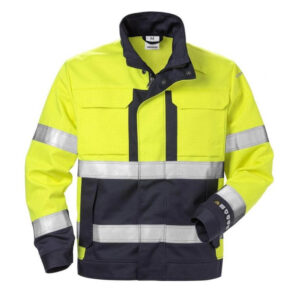
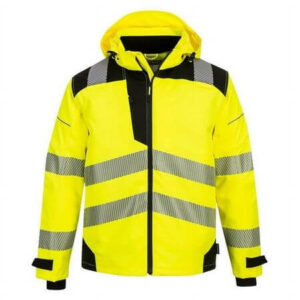
A Hi Vis jacket combines bright, fluorescent background fabric with strategically placed reflective tape. Fluorescent materials boost daytime visibility; retroreflective components return light to its source at night or in low light. Effective jackets balance visibility with durable, lightweight construction so workers stay safe and comfortable.
Get a Custom Hi-Vis Jacket Quote from VisonSafety
How do fluorescent fabrics and reflective tapes enhance visibility?
Fluorescent fabrics shift UV and visible light to make colors appear brighter in daylight and under artificial light. Reflective tapes use retroreflection to send light back toward its source, which helps when headlights or work lights are present. Together, these cues help identify people from a distance and reduce collision risk.
Further research looks at the material science behind fluorescent textiles and retroreflective components and how they measure up to international standards.
High-Visibility Clothing Standards & Materials
This study compares the physical properties of several fluorescent fabrics and retroreflective materials to assess compliance with international standards for high-visibility warning clothing. Samples included PET/cotton blends used in municipal uniforms and ISO-compliant materials; evaluations followed the seven criteria in ISO 20471.
An evaluation of the suitability of fluorescent fabrics and retroreflective materials for road traffic warning clothing in compliance with international standards, 2019
What industries rely on Hi Vis Jackets for safety?
Hi Vis jackets are common in sectors where visibility matters, including:
- Construction: On-site workers near machinery and vehicles rely on clear visual identification to stay safe.
- Logistics and Transportation: Warehouse staff, drivers and couriers use Hi Vis gear to remain visible in busy loading and traffic zones.
- Emergency Services: First responders wear Hi Vis jackets to be seen quickly during incidents, aiding safety and operational effectiveness.
Field studies in high-risk sectors like construction reinforce the protective role of high-visibility vests and their importance for regulatory compliance.
High-Visibility Vest Performance in Construction
In Lima’s construction sector—where the risk of workplace injury is high—high-visibility vests are a key protective measure. This study tested six new vests from three brands for regulatory compliance and functional performance, following NTP 399.010:2019. Tests included tear and tensile strength and initial optical properties for color and reflectivity.
Análisis del Cumplimiento Normativo y Desempeño Funcional de los Chalecos de Seguridad en Obras Civiles de Lima, Perú, 2010
What are the main types and safety standards of Hi Vis Jackets?
Hi Vis jackets come in styles matched to job needs and environments. Choose a jacket that fits the hazards workers face and complies with applicable safety standards.
How do ANSI/ISEA 107 and EN ISO 20471 standards classify Hi Vis Jackets?
ANSI/ISEA 107 (U.S.) and EN ISO 20471 (Europe) classify garments by the amount and placement of background material and retroreflective tape, plus overall design. These standards set minimum visibility and performance requirements so garments offer dependable protection in different lighting and work conditions. Using certified products helps organizations meet legal and safety obligations.
What specialized Hi Vis Jackets exist beyond basic visibility?
There are Hi Vis jackets for extra protection or comfort, such as:
- Waterproof Hi Vis Jackets: Water-resistant shells with sealed seams and reflective strips for wet work.
- Flame Resistant Jackets: Fire-retardant fabrics that maintain visibility while resisting heat and flames.
- Insulated Hi Vis Jackets: Thermal layers and bright outer fabrics for cold-weather operations.
What benefits do Hi Vis Jackets offer for businesses and workers?
Hi Vis jackets reduce incident risk, simplify compliance and make teams easier to manage on site. For businesses these advantages mean fewer accidents, clearer site control and reduced legal exposure.
Get a Custom Hi-Vis Jacket Quote from VisonSafety
How do Hi Vis Jackets improve workplace safety and regulatory compliance?
By increasing worker visibility, Hi Vis jackets lower the chance of collisions and near-miss events near vehicles and equipment. Certified jackets that meet ANSI/ISEA 107 or EN ISO 20471 show an employer has selected products that satisfy recognized safety criteria, which supports compliance and can reduce liability.
How can customization enhance brand identity and worker comfort?
Customizing Hi Vis jackets with logos, team colors and role markings helps identify crews and reinforce brand presence. Options like adjustable fits, breathable fabrics and ergonomic cuts improve comfort so workers are more likely to wear their safety gear consistently.
How does custom Hi Vis Jacket manufacturing meet B2B needs?
Custom manufacturing lets businesses specify the right mix of safety, branding and comfort. From material selection to certification, a tailored approach ensures the final product aligns with operational needs and corporate identity.
What manufacturing processes ensure quality and certification compliance?
Quality assurance covers selecting tested materials, running lab performance checks and doing production audits. Finished garments undergo inspection and certification testing to verify they meet visibility, durability and safety benchmarks defined by the relevant standards.
How does VisonSafety support global clients with customization and logistics?
VisonSafety provides OEM and ODM Hi Vis jacket solutions for B2B clients across North America, Europe and other markets. We handle customization, certification support and global logistics so customers receive compliant, brand-ready garments on schedule.
| Type of Hi Vis Jacket | Key Features | Ideal Use |
|---|---|---|
| Waterproof Hi Vis Jacket | Water-resistant materials, reflective strips | Wet environments |
| Flame Resistant Jacket | Fire-retardant fabric, high visibility | Hazardous work areas |
| Insulated Hi Vis Jacket | Thermal insulation, bright colors | Cold weather conditions |
Offering a range of Hi Vis jackets helps businesses match protection to the task so teams stay visible, comfortable and compliant.
What is a Hi Vis Jacket | FAQs
What should I consider when choosing a Hi Vis jacket for my industry?
Match the jacket to hazards and conditions: required certification (ANSI/ISEA 107 or EN ISO 20471), durability for construction, waterproofing for outdoor work and breathability for hot environments. Consider role-specific needs like pockets or higher collars.
How can I maintain the effectiveness of my Hi Vis jacket?
Follow the manufacturer’s care instructions: wash per the label (usually cold), avoid bleach and fabric softeners, inspect reflective tape and fabric regularly, and store out of direct sunlight to preserve fluorescence.
Are there specific regulations governing the use of Hi Vis jackets?
Many regions reference standards such as ANSI/ISEA 107 in the U.S. and EN ISO 20471 in Europe. These set minimums for background material, retroreflectivity and overall garment design. Using certified gear helps meet legal and safety requirements.
Can Hi Vis jackets be customized for branding purposes?
Yes. Jackets can be customized with logos, company colors and role identifiers using embroidery, screen printing or heat transfer. Customization must preserve the garment’s certified visibility features.
What are the differences between Hi Vis jackets and regular jackets?
Hi Vis jackets prioritize detection: fluorescent fabrics and reflective strips are placed to maximize visibility. Regular jackets focus on warmth or style and generally do not meet the visibility testing standards required for hazardous work.
How do weather conditions affect the choice of Hi Vis jackets?
Weather dictates features: choose waterproof shells for rain, insulated jackets for cold and breathable, moisture-wicking fabrics for heat. Each option preserves visibility while meeting comfort needs.
What role do reflective materials play in Hi Vis jackets?
Reflective materials are essential for low-light and nighttime visibility: they retroreflect light back toward the source so drivers and operators can see workers. Durability and brightness determine long-term effectiveness.
Get a Custom Hi-Vis Jacket Quote from VisonSafety
Conclusion
Hi Vis jackets are a proven way to improve worker safety by making people easier to see in hazardous conditions. Choosing certified, well-made garments—and tailoring them for your team—helps protect employees and supports compliance. Explore our customizable Hi Vis solutions to find the right fit for your operation.
 English
 Deutsch
 Français
 Polski
 Português do Brasil
 Español
 日本語
日本語 Русский
 العربية
 Italiano
 Nederlands
 Türkçe
 한국어
한국어