
VisonSafety is a China-based manufacturer specializing in certified high‑visibility and flame‑retardant workwear for global brands, wholesalers, and distributors. Products are engineered to meet stringent global standards such as ANSI/ISEA 107, EN ISO 20471, NFPA 2112, and related UL/EN requirements. Flame‑resistant (FR) clothing keeps workers safe by relying on treated or inherently fire‑resistant fibers that must retain their performance through many wash cycles. Picking the right laundry soap matters: harsh chemicals or residue can reduce a garment’s ability to self‑extinguish and may affect compliance.
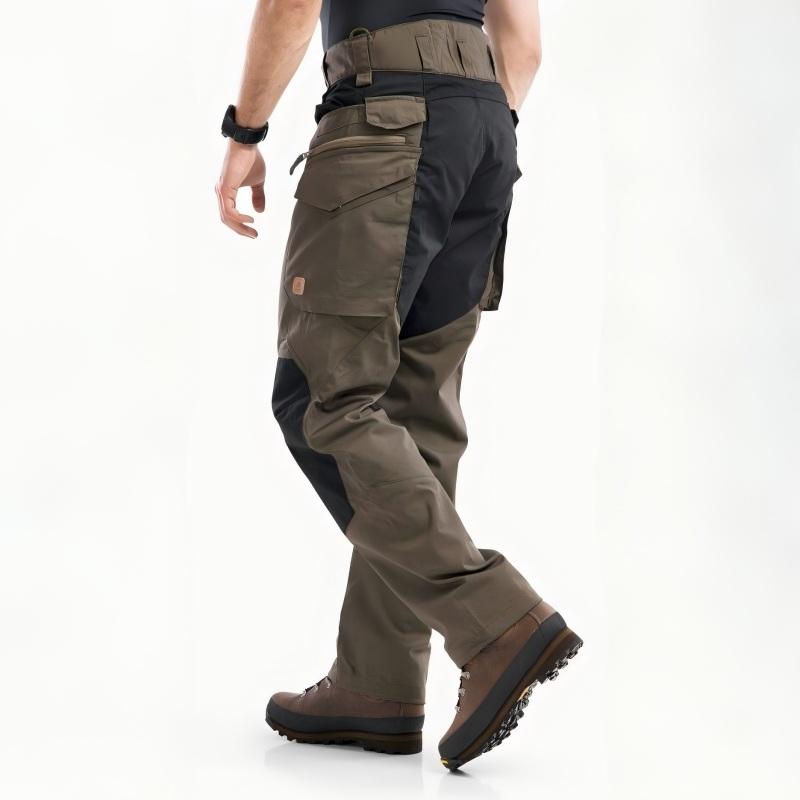
Get a Custom FR Stretch Pants Quote from VisonSafety
Why do industrial crews need FR stretch pants?
Industrial crews need fr stretch pants because standard flame-resistant trousers sacrifice mobility for protection. That trade-off creates real danger. Workers in tight or elevated spaces require garments that self-extinguish after flash fire exposure while allowing unrestricted movement. Without both properties, safety protocols fail at the moment of highest risk.
What makes standard FR pants inadequate for modern job sites?
Standard FR pants stop burning when the heat source disappears. That protection matters. But rigid construction limits range of motion. Crews climbing towers, crouching in confined spaces, or reaching overhead face a choice between removing protective layers or accepting restricted movement. Neither option is acceptable. Modern industrial workwear increasingly demands ergonomic mobility for tasks in tight or elevated workspaces. Pattern design elements like action backs, gusseted crotch options, and adjustable waists support a full range of motion where traditional cuts fail.
Can stretch fabric be safe in flash fire environments?
The central safety question is whether a synthetic, melt-prone fiber like spandex can be safe in flash fire environments. Ordinary stretch fabrics melt onto skin during thermal exposure. That outcome is catastrophic. Fire-resistant pants are work pants made from fabric that resists ignition and stops burning once a heat source is removed, instead of catching fire or melting the way ordinary fabric can. FR stretch pants solve this through inherently flame-resistant fiber blends that incorporate elasticity without thermoplastic components. The fabric self-extinguishes. It does not melt. It moves with the worker.
FR pants are essential for high-risk jobs. They self-extinguish in fire, reducing burn risks. Procurement managers evaluating who needs to wear FR clothing recognize that electricians, utility crews, and oil and gas personnel face arc flash and flash fire hazards daily. Those same roles demand kneeling, reaching, and climbing. FR stretch pants deliver the protection compliance requires and the mobility the job demands.
What are the risks of spandex in FR clothing?
Spandex introduces a direct burn threat inside flame‑resistant (FR) garments. Raw elastane melts at low temperatures and drips onto skin, creating a secondary injury that ordinary FR fabric is engineered to prevent. A pair of pants that self‑extinguishes on the shell means nothing if the stretch fiber underneath liquefies against the wearer.
Why does spandex melt when FR fabric is supposed to self‑extinguish?
FR fabric resists ignition and stops burning once the heat source disappears. Spandex behaves the opposite way. Untreated elastane ignites, melts, and adheres to skin. The hazard compounds because the outer FR layer can mask the damage happening underneath. A safety manager inspecting post‑incident gear sees intact outer fabric and misses the thermal injury caused by molten stretch fiber.
What do industry standards say about melt and drip?
NFPA 2112 and EN ISO 11612 set strict limits on melt, drip, and char length for FR garments. Any material that melts and drips during exposure fails these benchmarks. Procurement teams evaluating fr stretch pants must verify that the stretch component meets the same thermal performance thresholds as the shell fabric. A garment carrying an NFPA 2112 label confirms the entire composite, including any elastic fiber, passed the required testing. Without that verification, the stretch element remains an uncontrolled variable in a hazard zone.
The same principle applies to laundry chemistry. Residue from fabric softeners compromises FR performance by leaving a combustible film on treated fibers. VisonSafety is located in Ningbo, Zhejiang, China.
How does core-spun yarn eliminate the melt hazard?
Core-spun yarn eliminates the melt hazard by encasing elastane inside a protective sheath of flame‑retardant fiber. The spandex core never touches the flame. The outer layer, made from inherently fire‑resistant materials like modacrylic or aramid, extinguishes itself and shields the stretch component from direct heat exposure.
What keeps the spandex core from melting through the fabric?
The sheath fiber’s molecular structure stops combustion before it reaches the core. Inherently flame‑resistant fibers self‑extinguish when the ignition source is removed. That protection comes either from fibers that are inherently flame‑resistant by their molecular structure, or from a chemical treatment applied to a base fabric like cotton. The outer wrap chars and forms a barrier. The elastane underneath stays intact because the heat never penetrates deeply enough to reach its melt point.
How much elastane can FR stretch pants safely contain?
A small amount of elastane provides ergonomic flex without violating flammability thresholds. Higher concentrations create a fuel load that overwhelms the sheath. The low elastane ratio keeps the garment compliant while adding the mobility that stiff workwear lacks. Procurement teams evaluating fr stretch pants should verify that the elastane content falls within this narrow window. Garments with excessive elastane risk failing vertical flame tests even when the sheath fiber is inherently resistant.
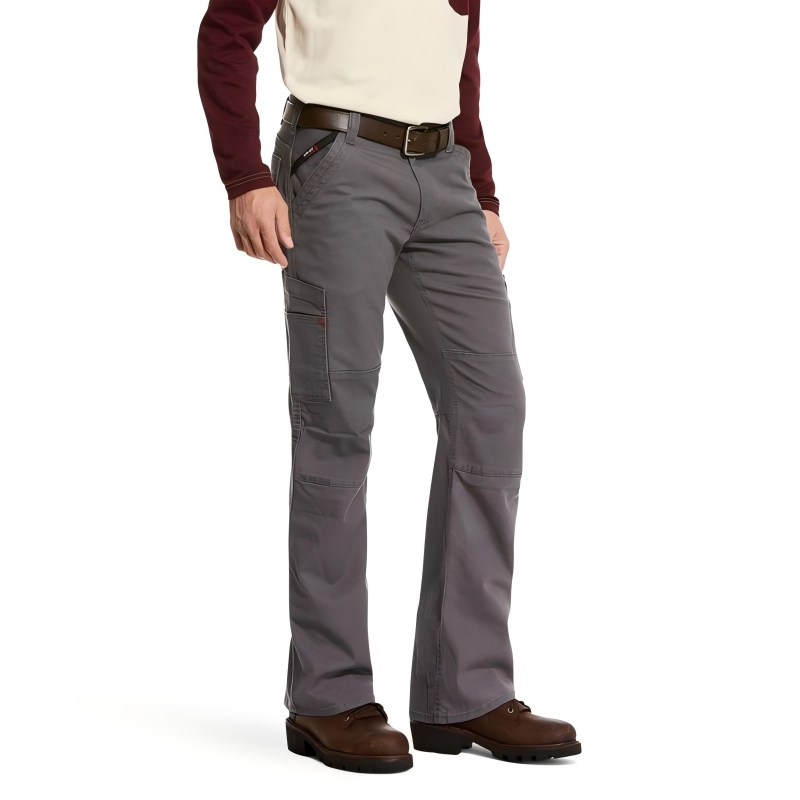
Get a Custom FR Stretch Pants Quote from VisonSafety
The yarn structure itself enforces the safety margin. Each filament of spandex sits completely surrounded by treated cotton, modacrylic, or aramid. No bare elastane surfaces exist anywhere in the fabric. This total encapsulation means the stretch component cannot ignite independently. The sheath does all the work of resisting flame while the core delivers the mechanical give that workers need for crouching, climbing, and reaching in confined spaces.
Fabric finishing locks in the protection. Resin curing and thermal oxidation stabilize the sheath fibers so they maintain their barrier properties through industrial laundering. The chemical systems used in these finishes interact with the fiber at a molecular level, a topic covered in detail in the guide to what chemicals are used in FR clothing. Without proper curing, repeated wash cycles degrade the sheath and expose the elastane. With it, the core‑spun structure remains intact and the melt hazard stays eliminated for the service life of the garment.
What tests prove FR stretch pants are compliant?
Compliance testing for fr stretch pants verifies that the fabric self-extinguishes, limits body burn, and holds its shape under heat. Without these tests, procurement managers carry the risk of field failures that no warranty covers. A handful of standardized protocols define whether a garment earns its certification.
How is self-extinguishing performance measured?
The vertical flame test per ASTM D6413 exposes a fabric strip to a controlled flame for 12 seconds. Technicians then record char length and afterflame time. Short char lengths and zero afterflame confirm the material resists ignition and stops burning once the heat source disappears. This test underpins compliance with NFPA 2112 and NFPA 70E.
What does a full-scale flash-fire simulation reveal?
Instrumented mannequin testing under ASTM F1930 or ISO 13506 subjects a complete garment to a simulated flash fire. Sensors across the mannequin body map predicted burn percentages. Lower body burn percentages indicate the garment provides adequate coverage and thermal insulation during a brief, intense exposure. This data directly supports hazard assessments for oil and gas crews.
Does the fabric stay intact under extreme heat?
Thermal shrinkage and heat resistance tests confirm dimensional stability at temperatures reaching 500°F (260°C). Fabrics undergo resin finishing, thermal curing, and peroxide oxidation to lock in wash-durable protection. A garment that shrinks or stiffens after exposure compromises mobility and leaves skin vulnerable.
How is arc flash protection quantified?
ASTM F1959 determines the arc thermal performance value (ATPV) of the fabric system. This rating, expressed in calories per square centimeter, places the garment within NFPA 70E categories. FR stretch pants with arc ratings meeting CAT 2 through CAT 4 deliver reliable defense against electric arc flash and radiant heat. Buyers cross-referencing arc-rated versus flame-resistant requirements find that ATPV data clarifies which hazard each garment addresses.
What should buyers check when specifying FR stretch pants?
Buyers specifying fr stretch pants must verify three things: fiber composition, third-party certification, and long-term durability under industrial laundering. A garment that loses stretch or flame resistance after repeated wash cycles creates a compliance gap no safety program can afford.
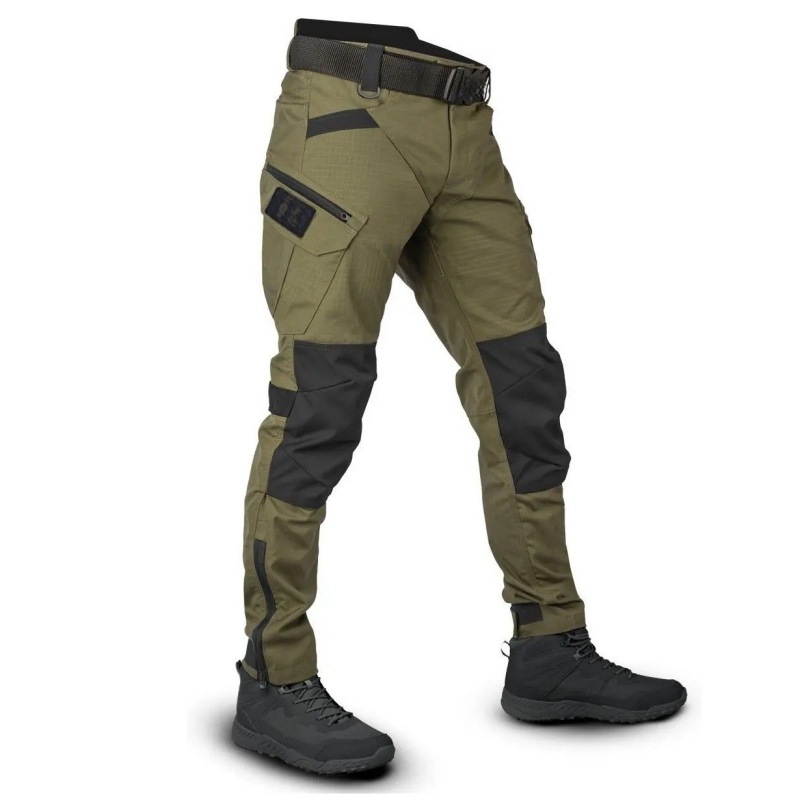
Get a Custom FR Stretch Pants Quote from VisonSafety
What certifications prove FR stretch pants meet workplace standards?
Certification documentation separates compliant garments from unverified products. Buyers should request UL or NFPA 2112 certification records for each production lot. VisonSafety conducts thorough inspection and fabric testing from fiber generation to final garment, with every batch recorded and traceable for three years. This traceability ensures consistent compliance during audits and eliminates guesswork when safety officers demand proof.
How does industrial laundering affect FR stretch fabric performance?
Heat and aggressive wash chemicals degrade stretch fibers faster than standard cotton or aramid blends. Without validated laundering protocols, FR integrity erodes silently. The company maintains three-year lot traceability specifically to confirm that garments survive repeated industrial wash cycles without losing protective properties. Buyers who skip durability testing inherit hidden liability: pants that pass initial certification but fail after six months of commercial laundering.
Sourcing from an OEM manufacturer with ISO 9001 quality systems reduces this risk substantially. Batch-level inspection records, stitching quality checks, and final appearance verification create a documented chain of accountability. For procurement teams evaluating FR clothing options across material types, that documentation matters as much as the fabric itself.
Fiber blend audit: Confirm the exact ratio of stretch fiber to FR material and request accelerated wash test data.
Certification package: Require UL or NFPA 2112 documentation tied to specific production lots, not generic mill certificates.
Traceability commitment: Verify the manufacturer retains batch records for a minimum of three years to support future audits.
Najczęściej zadawane pytania
Are FR stretch pants safe for flash fire environments?
Yes. FR stretch pants use inherently flame-resistant fiber blends that self-extinguish and do not melt, unlike ordinary stretch fabrics that melt onto skin.
Why does spandex create a burn risk in FR clothing?
Raw elastane melts at low temperatures and drips onto skin, causing secondary injury that FR fabric is engineered to prevent.
What standards do VisonSafety FR stretch pants meet?
Products are engineered to meet ANSI/ISEA 107, EN ISO 20471, NFPA 2112, and related UL/EN requirements.
Wnioski
FR stretch pants are safe when the fiber blend, core-spun encapsulation, and certified testing protocols are verified before purchase. Buyers who audit fiber composition, demand lot-specific third-party certification, and confirm wash durability through documented traceability eliminate the compliance gaps that turn stretch into liability. That verification process transforms a material question into a procurement decision backed by data, not assumptions.
 English
 Deutsch
 Français
 Polski
 Português do Brasil
 Español
 日本語
 Русский
 العربية
 Italiano
 Nederlands
 Türkçe
 한국어