
Accurate understanding of profit margins for safety vests is essential for wholesalers and distributors operating in the safety apparel sector. High-visibility vests perform a critical safety function in low-visibility and high-risk environments. This article examines the principal cost drivers that determine margins, methodologies to calculate and improve those margins, and prevailing market dynamics that affect pricing. The analysis enables commercial decision-making that enhances profitability while maintaining compliance with applicable safety standards. It evaluates how customization and branding affect product value.
What Are the Key Cost Components Affecting Safety Vest Profit Margins?
Multiple cost components materially affect safety vest margins. Wholesalers and distributors must identify and manage these components to protect margin integrity and support scalable pricing.
Material Costs : The type of materials used in manufacturing safety vests, such as reflective tape and FR (flame-resistant) threads, directly impacts production costs.
Manufacturing Expenses : Labor costs and overhead associated with the production process can vary widely, affecting the final price of the vests.
Distribution Fees : Shipping and handling costs play a crucial role in determining the overall cost structure, especially for bulk orders.
Regulatory Compliance : Adhering to safety standards incurs costs related to testing and certification, which are essential for marketability.
Customization Options : Offering branding and customization can increase production costs but also enhance the resale value of the vests.
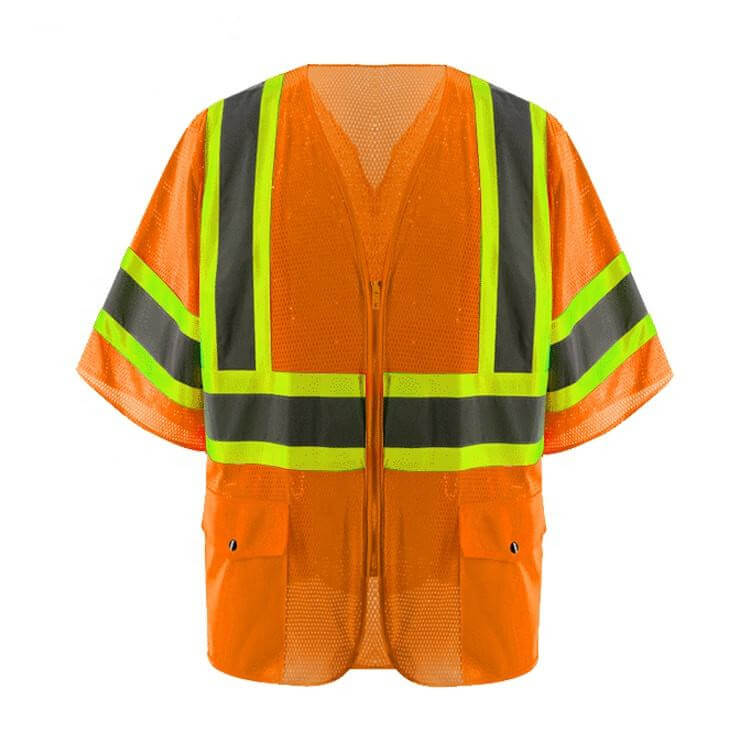
Get a Custom Hi-Vis Vest Quote from VisonSafety
How Do Manufacturing Materials and Construction Influence Costs?
Material selection and construction methods directly determine unit cost, durability, and compliance performance. Specifying high-grade FR threads and durable fastenings increases service life and unit cost. Reflective tape pricing varies with retroreflective performance and test certification. Manufacturers should evaluate materials against lifecycle cost, durability requirements, and regulatory specifications to balance cost and quality.
What Role Do Compliance Standards Play in Cost Structure?
Compliance with international safety standards drives specification requirements and associated costs. Standards prescribe acceptable materials, visibility performance and construction techniques, which can raise production expenses. For example, vests conforming to ANSI/ISEA 107 require specified retroreflective materials and construction practices; quality control, testing and certification should be included in cost models.
How to Calculate and Optimize Profit Margins on Safety Vests?
Optimizing profit margins requires detailed cost accounting and disciplined pricing. Businesses must quantify material, manufacturing and logistics costs, then apply pricing strategies reflecting product positioning and compliance.
Understanding Cost Components : A thorough analysis of material, manufacturing, and distribution costs is essential for accurate pricing.
Pricing Strategies : Implementing competitive pricing, value-based pricing, and cost-plus pricing can help maximize profitability.
Customization Impact : Offering customized safety vests can increase the perceived value, allowing for higher pricing while still maintaining a healthy profit margin.
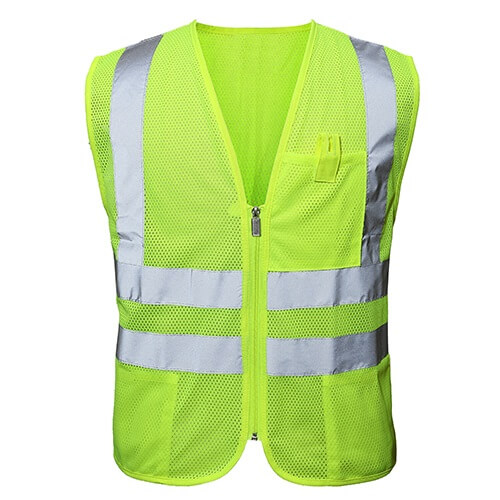
Get a Custom Hi-Vis Vest Quote from VisonSafety
What Pricing Strategies Maximize Wholesale Profitability?
Wholesale operators commonly deploy three approaches: competitive pricing to align with market rates, value-based pricing to capture premiums for compliance, durability and custom features, and cost-plus pricing to ensure input costs plus a transparent markup are recovered.
Competitive Pricing : Setting prices based on market rates ensures competitiveness while attracting customers.
Value-Based Pricing : Pricing based on the perceived value of the product can lead to higher profit margins, especially for customized vests.
Cost-Plus Pricing : This strategy involves adding a markup to the total cost of production, ensuring that all expenses are covered while achieving a desired profit margin.
How Does Customization Impact Cost and Resale Value?
Customization alters both unit cost and resale potential. Adding logos, specialised features or bespoke sizing increases production complexity and cost, but it raises perceived value and supports premium pricing. Distributors should model incremental customization costs against expected price premiums and order volumes to determine net margin impact.
Why Is Compliance with International Safety Standards Critical for Profit Margins?
Compliance sustains market access and reduces legal and commercial risk. Non-compliant products can incur penalties and loss of contracts, which erode margins. Conversely, products that meet recognised standards typically command higher demand and pricing flexibility, supporting healthier margins.
Which Standards Affect Safety Vest Manufacturing Costs?
ANSI/ISEA 107 : This standard outlines the requirements for high visibility safety apparel, influencing material selection and production processes.
ISO 20471 : This international standard specifies the performance requirements for high visibility clothing, impacting compliance costs.
How Does Certification Enhance Brand Value and Market Demand?
Certification provides third-party verification of compliance and quality, strengthening brand credibility. Certified products facilitate procurement by risk-averse buyers and often justify premium pricing. Certification should be integrated into product positioning and commercial messaging to maximise market impact.
What Are Current Market Trends Influencing Safety Vest Profit Margins?
Contemporary market trends influence both demand and cost structures for safety vests. Distributors and wholesalers must monitor regulatory developments, branding practices and material sourcing trends to adapt pricing and sourcing strategies effectively.
Rising Safety Regulations : Increased regulations around worker safety are driving demand for compliant safety vests, which can lead to higher prices.
Branding and Customization : The growing trend of branding and customization in safety apparel allows businesses to differentiate their products and enhance perceived value.
Sustainability : There is a rising demand for sustainable materials in safety vests, which can impact production costs but also attract environmentally conscious consumers.
How Do Rising Safety Regulations Drive Demand and Pricing?
Strengthening regulatory requirements increases demand for certified vests and elevates procurement standards. This demand dynamic supports higher price points for compliant products. Companies that align product lines and supply chains with new regulations can secure advantageous positioning and capture incremental margin.
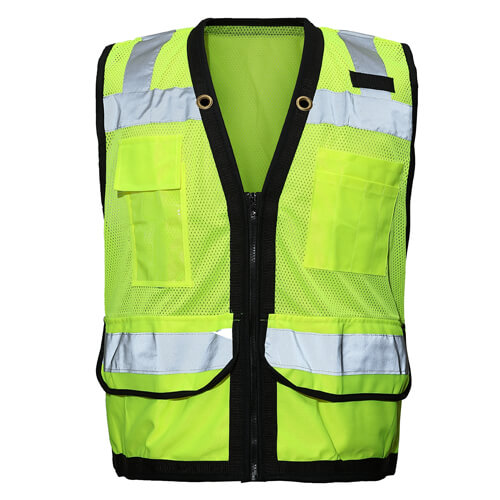
Get a Custom Hi-Vis Vest Quote from VisonSafety
What Are the Benefits of Branding and Customization for Distributors?
Branding and customization deliver measurable commercial benefits for distributors:
Increased Marketability : Customized vests can attract more customers, enhancing sales opportunities.
Higher Profit Margins : Customization often allows for premium pricing, improving overall profitability.
Brand Loyalty : Offering branded products can foster customer loyalty, leading to repeat business and long-term profitability.
The following table summarises cost components and their typical impact on margins, emphasising the need for targeted cost management in each category.
This table illustrates how specific cost elements affect overall profit margins for safety vests and underscores the importance of strategic management across procurement, production and compliance.
For inquiries or further assistance, please contact us .
High Visibility Vest Profit Margins | FAQs
What factors should I consider when selecting high visibility vests for my business?
Selection criteria should prioritise compliance with recognised standards (for example ANSI/ISEA 107 and ISO 20471), material performance, durability and fit. Evaluate comfort and ergonomic design for end users, and assess customization options that support corporate identity. Finally, perform a total cost of ownership analysis to compare upfront expense against expected service life and return on investment.
How can I effectively market high visibility vests to potential customers?
Effective marketing emphasises verified safety performance and regulatory compliance. Use targeted digital and industry channels, present at trade exhibitions to demonstrate product features, and offer volume incentives or bundled pricing to secure larger contracts and foster long-term client relationships.
What are the common mistakes to avoid when pricing safety vests?
Common pricing errors include underestimating production and certification costs, omitting customization expenses, and failing to conduct market analysis. Ensure that prices reflect product value and compliance credentials. Avoid untenably low pricing that undermines perceived quality and margins. Regularly review pricing against market trends and customer feedback.
How can sustainability impact the profit margins of safety vests?
Sustainable materials and manufacturing processes can attract premium buyers and strengthen brand reputation, which can improve margins over time. However, initial sourcing costs for sustainable inputs may be higher. Businesses should quantify the incremental cost and the achievable price premium to determine net margin effect.
What are the benefits of offering a variety of safety vest styles?
A diversified product range addresses distinct industry specifications and end-user requirements, expanding addressable market segments. Offering multiple colours, sizes and feature sets enables distributors to meet sector-specific regulations and customer preferences, increasing sales opportunities and reinforcing the supplier’s position as a comprehensive safety solution provider.
How can I stay updated on market trends affecting safety vest sales?
Maintain industry awareness by following sector publications, participating in trade shows and webinars, and engaging with professional networks. Monitor procurement trends and buyer requirements through trade associations and online forums to adapt product offerings and pricing strategies in response to evolving demand.
Conclusion
Comprehension of profit margin drivers for high-visibility safety vests is fundamental for wholesalers and distributors seeking to improve financial performance. Through detailed analysis of cost components, disciplined pricing and adherence to compliance requirements, businesses can optimise margins while delivering certified safety solutions. Strategic use of customization and branding further enhances perceived value and commercial returns. Review our product range to identify solutions that align with your operational and commercial objectives.
 English
 Deutsch
 Français
 Polski
 Português do Brasil
 Español
 日本語
日本語 Русский
 العربية
 Italiano
 Nederlands
 Türkçe
 한국어
한국어