
Precise control of heat press pressure is a primary process variable in manufacturing and customizing safety vests. Correct pressure improves adhesion of retroreflective components, protects substrates, and supports regulatory compliance. This article gives recommended pressure ranges, explains pressure effects on performance, and summarizes best practices for repeatable, durable results.
What Is the Recommended Heat Press Pressure for Reflective Safety Vests?
Typical recommended pressure ranges are 30–40 PSI for most reflective safety vests, adjusted by material construction and adhesive chemistry. Use the lower end for lightweight substrates and the upper end for heavier or high-performance tapes.
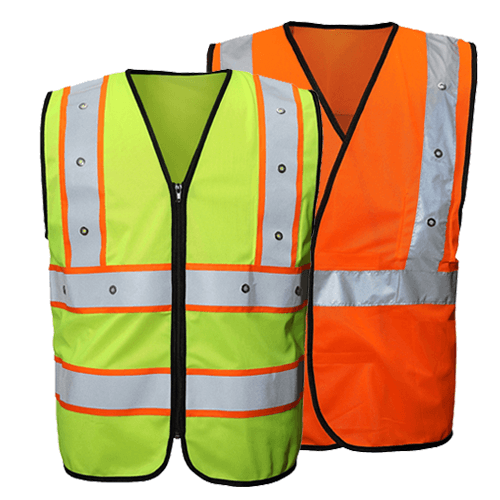
Get a Custom Hi-Vis Vest Quote from VisonSafety
How Does Pressure Affect Reflective Tape Integrity and Vest Durability?
Pressure controls adhesive wet‑out and contact area: too little causes weak bonds and peeling; too much can distort textiles or damage reflective layers. Calibrate for each material pairing to prevent failures and ensure compliance.
See referenced adhesive test methods for laboratory evaluation and validation.
Testing Pressure-Sensitive Adhesives for Reflective Materials
Adhere the coated product to a piece of plate glass as for a standard peel test, then examine the contact area by observing the difference in light reflection at the adhesive/glass interface.
The physical testing of pressure-sensitive adhesive systems, 2003
What Are the Industry Standards for Heat Press Pressure on Safety Apparel?
Application methods are governed by ANSI, ISO, and NFPA standards that define performance criteria and test methods. Follow relevant standards to ensure garments meet operational and regulatory requirements.
How Do Platen Size and Heat Press Settings Influence Safety Vest Customization?
Platen size affects pressure distribution and throughput. Choose a platen that matches the work area to ensure even contact and reduce localized damage or inconsistent adhesion.
What Platen Sizes Are Optimal for Heat Pressing Safety Vests?
Common platens: 15×15 and 16×20 inches for standard to larger vests; 12×12 for patches and small items. Use a platen that minimizes overhang and simplifies alignment to reduce variability.
How Do Temperature and Time Settings Complement Pressure for Effective Heat Pressing?
Balance temperature, pressure, and dwell time to activate adhesives without harming fabric or reflective layers. Typical settings for many reflective applications are about 320°F–350°F with 10–15 seconds dwell, but verify per material pair.
What Are the Best Practices for DTF Printing Pressure on Hi-Vis Safety Vests?
Direct-to-Film (DTF) printing works well for hi‑vis vests when pressure is controlled to preserve retroreflectivity. Maintain consistent platen contact and verify settings on samples.
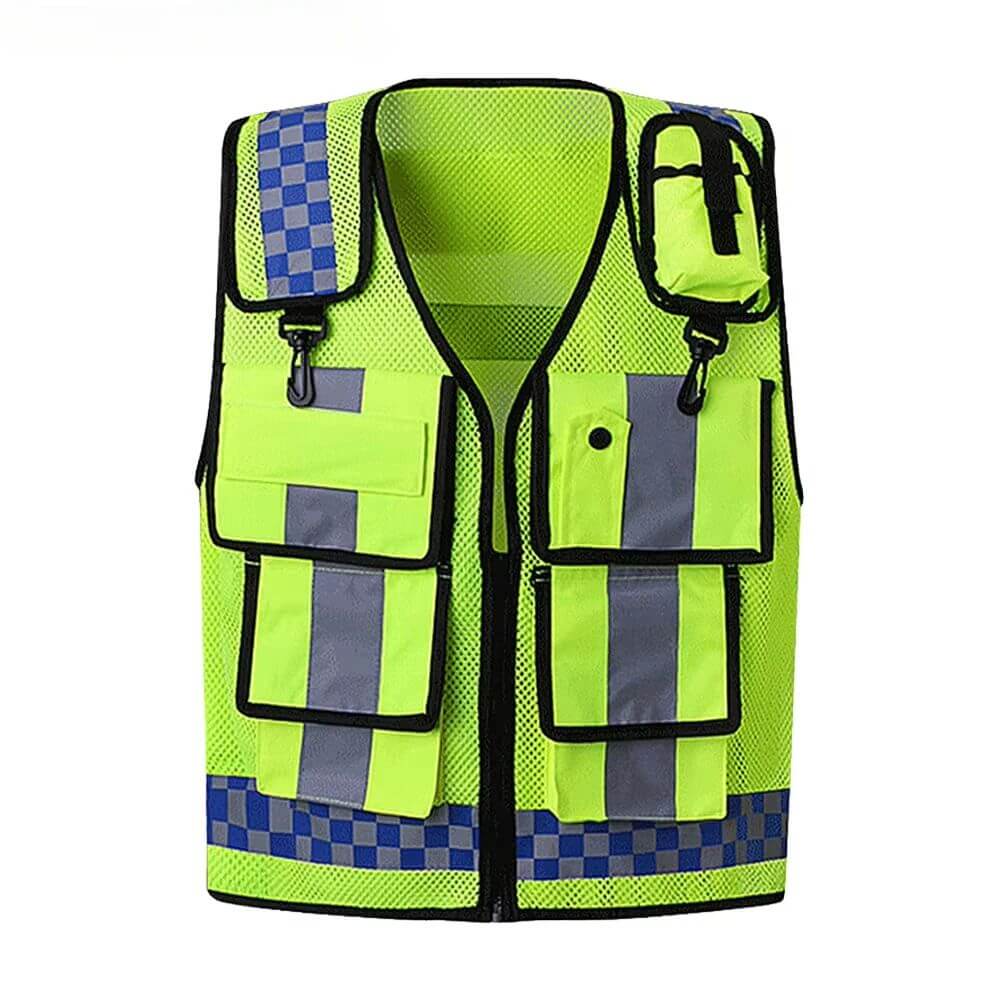
Get a Custom Hi-Vis Vest Quote from VisonSafety
How Should Pressure Be Adjusted for Different DTF Film Types and Fabrics?
Adjust by film construction and fabric weight: lightweight fabrics ~25–30 PSI; heavier substrates up to ~40 PSI. Test on representative samples to confirm adhesion and appearance.
What Troubleshooting Steps Ensure Quality Prints Without Damaging Reflective Materials?
Follow a concise troubleshooting protocol:
- Test Pressure: Run a quick test press to confirm adhesion without stress.
- Verify Temperature: Use a calibrated thermometer to ensure target platen temperature.
- Inspect Materials: Check tapes and substrates for damage or contamination before pressing.
These checks reduce rework and preserve retroreflective function.
How Does Compliance with International Safety Standards Impact Heat Press Pressure Choices?
Standards guide material selection and recommended application methods; align process settings to the applicable standard(s) to ensure final garments meet specified performance levels.
Which ANSI, ISO, and NFPA Standards Govern Heat Pressing of Safety Vests?
ANSI/ISEA 107 sets performance classes for high‑visibility apparel; ISO documents define test protocols (e.g., ISO 20471). Use the appropriate standard for the intended use case and market.
Recent evaluations emphasize verifying retroreflective materials against ISO 20471 criteria to confirm conformity for high‑visibility warning clothing.
Retroreflective Material Compliance for High-Visibility Clothing
The study compares physical properties of various fluorescent fabrics and retroreflective materials to determine compliance with international standards for high-visibility warning clothing. Selected samples were evaluated against the seven criteria of ISO 20471, followed by comparison of luminance and retroreflective properties for four materials.
An evaluation of the suitability of fluorescent fabrics and retroreflective materials for road traffic warning clothing in compliance with international standards, 2019
How Does Proper Pressure Application Enhance Business Benefits Like Risk Reduction and Brand Reliability?
Correct application reduces failures, lowers warranty exposure, and supports consistent, standards‑compliant output that strengthens brand credibility and customer trust.
The table links platen dimensions with suggested pressure ranges; match equipment to product size and production needs for repeatable results.
For technical information or process support, please contact us.
In short, controlling heat press pressure and validating temperature/time profiles by material combination produces compliant, durable safety vests. Follow validated parameters and applicable standards to ensure consistent performance.
Heat Press Pressure for Safety Vests | FAQs
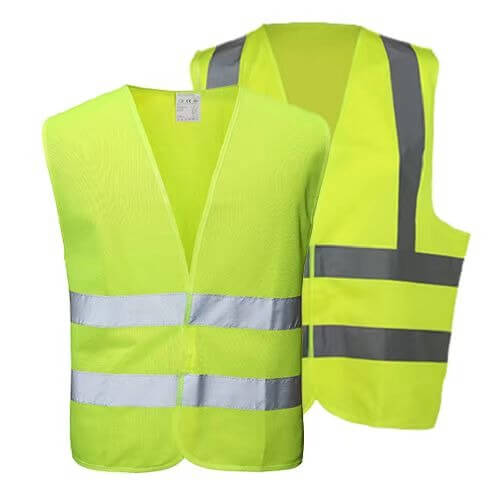
Get a Custom Hi-Vis Vest Quote from VisonSafety
How can I improve the adhesion of reflective materials during application?
Calibrate pressure, temperature, and dwell time; clean substrates; use compatible adhesives; and confirm even pressure distribution.
What materials are commonly used in reflective safety vests?
High‑visibility polyester or nylon with coated films or tapes (glass bead or microprismatic) provide retroreflectivity while balancing comfort and moisture management.
Further research underscores the need to ensure the long-term durability of retroreflective materials, particularly those based on glass bead constructions.
Durability of Retro-Reflective Materials
These materials show significant potential; however, the long-term durability of glass bead-based retro-reflective materials requires verification. This study evaluates the durability of a glass bead retro-reflective material applied to building facades.
A study on the durability of a glass bead retro-reflective material applied to building facades, J Yuan, 2018
How can I determine if my heat press is functioning correctly?
Measure platen temperature with a calibrated thermometer and confirm pressure with a certified gauge; keep platens clean and maintain regular calibration.
What are the potential risks of using incorrect heat press pressure?
Risks include poor adhesion, fabric or reflective damage, reduced conspicuity, and potential non‑compliance with standards.
Can I use a home iron instead of a heat press for safety vests?
No—domestic irons lack the uniform, controlled pressure and temperature necessary for consistent, standards‑compliant results.
What should I do if the reflective material starts to peel off?
Check application parameters (pressure, temperature, dwell); for minor failures, reapply with validated settings; replace compromised components.
How often should I replace safety vests?
Replace on a schedule (commonly every 6–12 months) adjusted for exposure, laundering, and observed wear; retire garments that fail inspections.
Conclusion
Mastering heat press pressure, temperature, and dwell time minimizes failures and ensures reliable retroreflective performance. For detailed process guidance, consult product and testing resources or contact technical experts.
 English
 Deutsch
 Français
 Polski
 Português do Brasil
 Español
 日本語
日本語 Русский
 العربية
 Italiano
 Nederlands
 Türkçe
 한국어
한국어