
Lingering smells in flame resistant (FR) clothing aren’t just unpleasant—they can indicate contamination that affects comfort, compliance, and the garment’s useful life. This guide explains how odors form on FR fabrics, how contaminants interact with FR fibers, and why cleaning should always prioritize safety. You’ll find step-by-step home-washing advice, targeted pre-treatment methods, detergent recommendations that protect FR performance, and clear guidance on when to move to professional or industrial laundering. We cover common odor sources (sweat, oils, smoke, and chemical residues), practical at-home protocols, a comparison of cleaning methods, and prevention tips to extend service life. Throughout, the focus is on preserving flame resistance and meeting industry expectations (including NFPA-relevant care considerations), with actionable lists and a concise table to help safety managers and users make confident decisions.
What Causes Odors in FR Clothing and Why It Matters
Odors develop when contaminants stick to or penetrate textile fibers and create a hospitable environment for bacteria, or when hydrocarbons and combustion byproducts leave persistent residues. Those residues can change surface chemistry and influence heat transfer and ignition behavior—so odor control is part of protecting safety performance, not just comfort. Removing smells also reduces the chance contaminants will degrade flame resistance over time. The sections below identify common sources and explain how they can impair protective performance so you can prioritize the right cleaning actions.
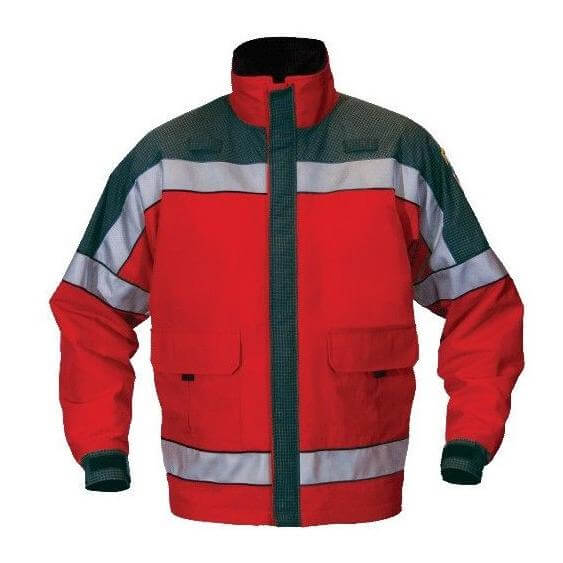
Get a Custom FR Clothing Quote from VisonSafety
Common Sources of Odor in Flame-Resistant Apparel
Odors on technical workwear come from both biological soils and workplace contaminants, and they behave differently on FR textiles than on everyday clothing. Sweat and body oils feed bacteria that cause sour or musty smells and accumulate in collars, cuffs, and seams. Oils, grease, and fuel cling to fibers and resist simple water washing, leaving petroleum-like odors. Smoke, soot, and chemical fumes deposit hydrophobic residues that both smell and can act as additional combustible material. Each contaminant demands a remediation approach that respects the garment’s FR construction.
- Sweat and bacteria produce sour, ammonia-like odors that intensify in warm, damp conditions.
- Oils, grease, and fuel leave persistent petroleum smells by coating fibers and resisting rinsing.
- Smoke and chemical residues deposit particulates and condensates that can alter fabric surface chemistry.
Understanding these differences explains why specific cleaning strategies are needed and why prompt action helps prevent deep penetration.
How Odors Affect Safety and Performance of FR Clothing
Contaminants can act as additional fuel or change how heat moves through a fabric, potentially increasing heat release at the fiber surface and shortening a garment’s safe service life. Repeated soiling and improper cleaning can cause residue buildup that reduces breathability and degrades coatings or finishes on treated FR fabrics. Using prohibited agents—bleach, fabric softeners, or petroleum solvents—may leave residues that compromise self‑extinguishing behavior or contradict manufacturer guidance. Knowing these failure modes helps safety teams choose cleaning protocols that protect both people and certification integrity.
How to Safely Wash Smelly FR Clothing at Home
Safe home washing focuses on removing odor-causing soils while avoiding ingredients and processes that leave residues or weaken FR properties. Start with sorting and spot treatment, use detergents that are compatible with FR fabrics (no softeners or bleach), and select machine settings that rinse thoroughly without aggressive mechanical wear. Proper drying removes residual moisture that supports bacterial growth. Below are practical pre-treatment tips and detergent guidance to help you remove odors at home without compromising safety.
Pre-Treatment Methods That Help Remove Stubborn Odors
Good pre-treatment loosens soils before the main wash and reduces the need for harsh chemistry. Turn garments inside out and rinse fresh spills with cool water to limit penetration. For biological odors, use a tallow-free enzyme pre-soak diluted per the product instructions and soak briefly (15–30 minutes) before laundering. For oils and fuels, blot excess with an absorbent pad and avoid household solvent spotters unless the garment manufacturer explicitly approves them; when in doubt, consult a professional. Use short, gentle agitation during pre-soak and test products on an inconspicuous seam to avoid visible damage.
- Rinse or blot fresh contaminants promptly to limit fiber penetration.
- Use enzyme-based pre-soaks for sweat and protein-based soils, following dilution guidelines.
- Avoid household solvent degreasers unless the garment manufacturer approves their use.
These steps lower odor load and improve the effectiveness of the main wash while protecting FR characteristics.
Which Detergents Remove Odors Without Damaging FR Fabrics?
Choose detergents that target organic soils and bacteria but leave no film or petroleum residues that could impair flame resistance. Look for tallow-free, low-residue enzyme detergents formulated for workwear. Avoid bleach, optical brighteners, fabric softeners, starches, and petroleum-based additives. Follow garment label temperature guidance—typically warm water—and use a thorough rinse cycle to remove detergent and dissolved soils. The table below summarizes common detergent types and their suitability for FR garments.
Intro: The table below compares detergent approaches by their impact on FR textiles and effectiveness at removing odors.
Summary: Prefer low-residue, tallow-free enzyme detergents and avoid additives that leave films or petroleum traces.
When and Why to Use Professional Laundry Services for FR Clothing
Professional or industrial laundering is appropriate when garments are heavily contaminated with oil, fuel, or chemical residues—or when your organization needs documented processing and inspection for compliance. Industrial processes use validated detergents, controlled temperatures, and mechanical systems designed to remove stubborn hydrocarbons without relying on consumer solvents. Outsourcing also provides inspection, repair, and tracking services that extend garment life and support safety programs. Decide to outsource based on contamination type, volume, and regulatory obligations.
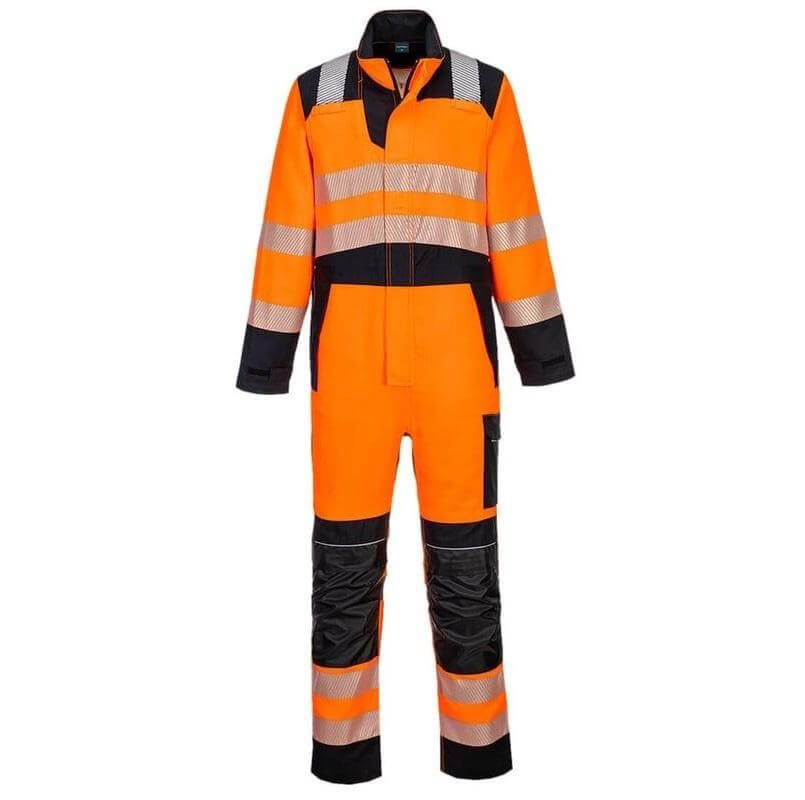
Get a Custom FR Clothing Quote from VisonSafety
Benefits of Industrial Laundry for Heavy Odor and Contaminant Removal
Industrial laundries run higher-temperature cycles, use calibrated detergents, and apply mechanical action optimized for workwear fabrics, improving removal of oils and smoke residues. They can inspect garments for damage, document processing for compliance-minded buyers, and perform post-wash quality checks to help preserve FR performance. For welding, oil & gas, utilities, and similar industries, these services reduce rework and lower safety risk. When contamination is severe or certification records are required, industrial laundering is the prudent choice.
- Industrial laundries use validated detergents and temperatures for deep cleaning.
- They provide inspection and documentation that supports compliance programs.
- They reduce on-site burden and minimize improper home treatments that may harm FR properties.
For heavy contamination or large fleets, industrial laundering is often the most reliable path to clean, compliant garments.
Is Dry Cleaning Safe and Effective for FR Garments?
Dry cleaning can remove some oils and solvent-soluble residues, but certain dry-cleaning solvents and processes may interact with FR finishes or treated fibers. Always check with the garment manufacturer before dry cleaning—compatibility varies by construction (inherent FR vs. treated cotton). In many cases, industrial wet cleaning or specialized workwear laundries are safer for heavy hydrocarbons and chemical residues. If you consider dry cleaning, inform the cleaner the garments are FR and request manufacturer approval first.
- Dry cleaning can work for some oil-based soils if manufacturer-approved.
- Certain solvents may affect treated FR finishes; always confirm compatibility.
- Industrial wet cleaning is often safer for heavy grease and fuel contamination.
Manufacturer guidance is essential before sending FR workwear to a dry cleaner.
VisonSafety is a global manufacturer and wholesale supplier focused on custom safety apparel, with deep expertise in Flame Retardant (FR) and high‑visibility garments. For B2B clients—distributors, wholesalers, and brands—we offer manufacturing capabilities across FR shirts, jackets, coveralls, pants, vests, sweatshirts, rainwear, and headgear. If your organization needs advice on garment life-cycle decisions, industrial laundry partnerships, or custom FR orders, VisonSafety can help specify materials and manufacturing options that support compliance and supply continuity. Contact VisonSafety to discuss certifications, production capacity, and custom orders tailored to industrial laundering and long-term fleet management.
How to Prevent Odors in FR Clothing and Preserve Longevity
Preventing odors starts with clear policies and consistent habits that limit contamination and ensure correct care. Set post-use protocols to separate heavily soiled items, define washing frequency based on exposure, and store garments so they stay dry and ventilated. Regular inspections and prompt repairs of small tears or contaminated areas reduce the need for aggressive cleaning that shortens service life. A preventive approach lowers total cost of ownership and helps maintain FR performance across your garment fleet.
Washing and Storage Practices to Avoid Odor Build-Up
Adopt simple, repeatable rules that match your operations and exposure levels to keep odors from accumulating. Wash garments promptly after heavy use or exposure to fuels, oils, or smoke. Run designated FR laundry loads to prevent cross-contamination with non‑FR items and ensure garments are completely dry before storage. Store items on ventilated racks or in breathable bags in a dry area to prevent mildew. Consistently applied practices minimize lingering smells and protect safety properties.
- Wash promptly after heavy soiling or fuel exposure.
- Avoid mixing FR garments with non-FR laundry to prevent transfer.
- Store dry garments in ventilated, humidity-controlled spaces.
These routines create predictable care outcomes and reduce long-term odor problems.
How Immediate Contaminant Removal Reduces Persistent Smells
Fast action limits contaminant penetration and reduces the chemical bonding that makes odors hard to remove. Blot liquids, pre-rinse, and use short containment soaks on site to prevent deep-set residues that require aggressive chemistry. Early cleaning also lowers the frequency of heavy wash cycles that stress fabrics and finishes. Implementing straightforward site protocols for spills and exposure control cuts down on smell recurrence and reduces the need for damaging corrective treatments.
- Immediate containment prevents deep fiber penetration and odor set.
- Short, controlled on-site rinses reduce reliance on harsh cleaners.
- Prompt action minimizes repeated heavy laundering and helps preserve FR life.
These protocols protect wearer safety and garment durability while keeping odors manageable.
Remove Odors from FR Clothing | FAQs
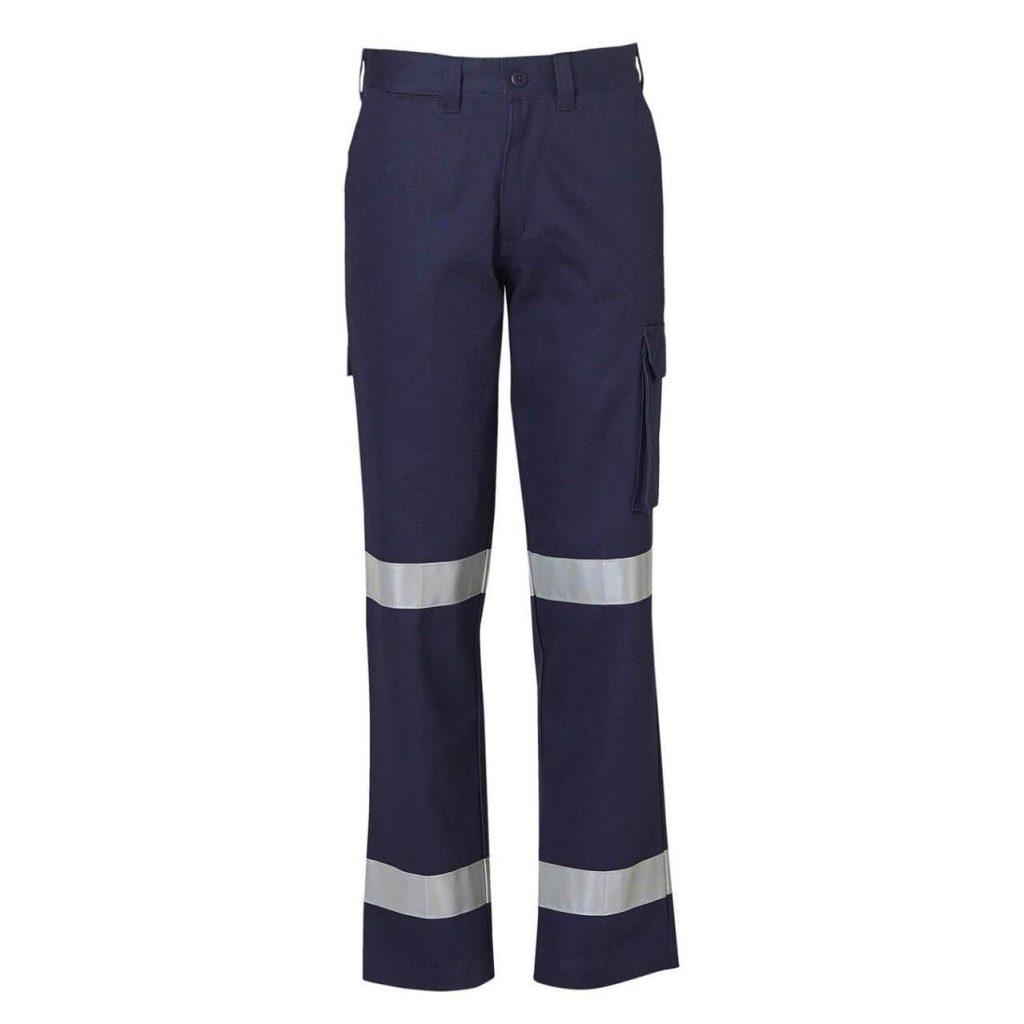
Get a Custom FR Clothing Quote from VisonSafety
What should I do if my FR clothing still smells after washing?
If odors persist after washing, review your cleaning method. Confirm you’re using a low‑residue, tallow‑free detergent designed for workwear and following the garment’s care label for water temperature and rinse cycles. Pre-treat affected areas with an enzyme-based solution and launder again. If the smell remains, it’s time to consult a professional laundry service that specializes in FR garments.
Can I use fabric softeners on FR clothing?
No. Fabric softeners leave residues that can compromise flame resistance. Use a low‑residue, tallow‑free detergent formulated for workwear instead, and always follow the care label to preserve the garment’s FR properties.
How often should I wash my FR clothing to prevent odors?
Wash frequency depends on exposure. As a rule, launder garments after any use that involves oils, fuels, or smoke. For lower-exposure work, a weekly wash may be acceptable. Base your routine on the work environment and garment use, and inspect regularly so you can act quickly when heavy soiling occurs.
Are there any home remedies for removing odors from FR clothing?
Some home remedies can help, but proceed with caution. A short soak (about 30 minutes) in a water-and-white-vinegar solution can neutralize odors without leaving harmful residues—test first on a hidden area. Avoid harsh chemicals or unapproved solvents that could damage FR properties.
What should I look for in a professional laundry service for FR clothing?
Choose a service experienced in industrial laundering and FR fabrics. Verify they use validated detergents, controlled processes, and inspection/documentation practices that support compliance. A reputable provider should offer repair and tracking options and be able to handle heavy hydrocarbons without relying on consumer solvents.
Can I dry FR clothing in a dryer?
Yes, if the care label allows. Use a low heat setting to protect the fabric and FR properties, and make sure garments are fully dry before storing to prevent mildew. If tumble drying is not advised, air dry in a well‑ventilated area.
What are the signs that my FR clothing needs professional cleaning?
Seek professional cleaning when odors won’t go away after home laundering, when you have visible oil or chemical stains, or when you see damage that could affect safety. Heavy contamination, the need for compliance documentation, or changes in fabric feel or performance are all reasons to use expert laundering services.
Conclusion
Protecting the integrity and safety of flame‑resistant clothing starts with understanding odor sources and using cleaning methods that preserve FR performance. With the right pre-treatment, detergent choices, and drying practices, most odors can be handled safely at home. For heavy contamination or persistent smells, professional industrial laundering is the safer, more reliable option. Take these steps to protect workers, extend garment life, and keep your fleet compliant and ready for work.
 English
 Deutsch
 Français
 Polski
 Português do Brasil
 Español
 日本語
日本語 Русский
 العربية
 Italiano
 Nederlands
 Türkçe
 한국어
한국어