
Gasoline on flame‑resistant (FR) clothing creates two hazards: immediate risk from flammable vapors and a longer‑term threat to the garment’s protective performance. This guide shows how to assess contamination, take immediate safety steps, and follow a careful decontamination workflow built for FR materials. You’ll learn why gasoline behaves differently on FR textiles versus standard workwear, which containment and ventilation steps to use right away, and FR‑safe pre‑treatment, washing, and drying methods that avoid common mistakes like solvent use or heat exposure. We also cover inspection criteria and retirement triggers aligned with NFPA 2112 and relevant EN standards so safety managers can justify repair or replacement decisions. Practical checklists, manufacturer‑aligned tips for professional laundering, and quick comparisons of cleaning agents are included to help preserve protection and extend garment life.
Why Proper Gasoline Removal Matters for FR Clothing Safety
Removing gasoline correctly matters because residues and vapors raise ignition risk and can alter an FR garment’s protective finish or fibers. Clean removal lowers vapor concentrations, restores safe handling, and helps preserve the thermal‑response and char characteristics FR fabrics rely on in flash‑fire events. Knowing how gasoline affects FR textiles leads to safer on‑site handling and better choices about laundering or retiring garments. The next section explains the physical and chemical ways gasoline can change FR fabric behavior.
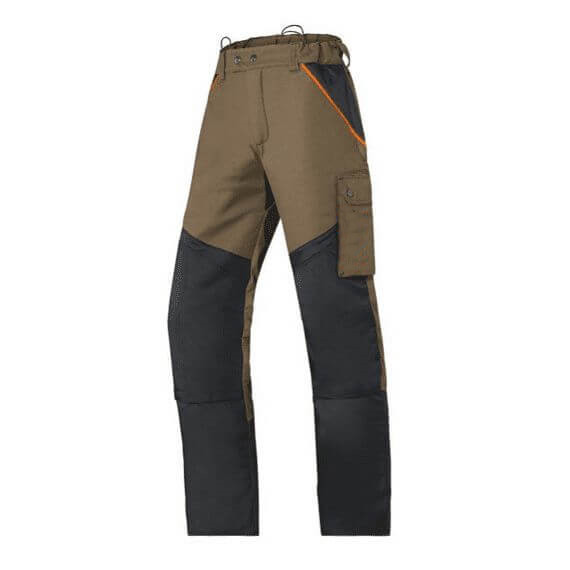
Get a Custom FR Clothing Quote from VisonSafety
How Gasoline Impacts Flame‑Resistant Fabric Properties
Gasoline can act as a solvent and carrier for hydrocarbons that penetrate fabric shells and finishes, change surface behavior, and affect how fibers char when exposed to heat. That solvent action can swell fibers, strip or alter flame‑retardant finishes, or leave residues that ignite more easily — all increasing effective flammability. Persistent odor is a common sign of remaining contamination that must be removed to restore safe performance. The practical takeaway: avoid aggressive solvents or careless cleaning that trade short‑term stain removal for long‑term loss of FR protection.
Which Safety Standards Require Careful FR Garment Maintenance?
Standards such as NFPA 2112 and applicable EN performance standards make clear that protective performance depends on proper maintenance, contamination control, and documented procedures for repair or retirement. They don’t dictate every cleaning step, but they do require garments to retain performance during service and that employers have procedures for handling exposure to flammable liquids. Keeping records of contamination incidents and laundering helps demonstrate compliance and supports risk management. With those standards in mind, the next section covers immediate steps to lower ignition and exposure risks.
Immediate Safety Precautions for Handling Gasoline‑Contaminated FR Clothes
Fast, simple precautions reduce ignition risk and limit exposure while you prepare contaminated garments for cleaning or disposal. Start by isolating the item, ventilating the area, and keeping heat or spark sources away from the clothing. Proper staging and PPE protect handlers and prevent cross‑contamination. Once the garment is contained, follow a controlled cleaning approach that avoids heat and solvents and respects manufacturer guidance.
The following numbered checklist summarizes urgent actions to take when contamination is discovered:
- Remove the garment from the wearer and move it outdoors or into a well‑ventilated area away from ignition sources.
- Blot or absorb pooled liquid with a non‑sparking absorbent; avoid rubbing, which can spread contamination.
- Place contaminated items in a labeled, ventilated container for transport to cleaning.
- Keep contaminated garments away from heaters, open flames, and enclosed machinery.
These steps focus on immediate risk reduction and create a safe handoff to decontamination; the next subsection covers ventilation and staging best practices.
How to Ensure Proper Ventilation and Prevent Fire Hazards
Lowering vapor concentrations through ventilation reduces ignition potential while you handle contaminated clothing. Whenever possible work outdoors or use mechanical exhaust. Stage items well away from hot work, pilot lights, and electrical equipment, and mark the area to prevent accidental access. If you use mechanical ventilation, direct exhaust points so vapors are carried away from occupied spaces and ignition sources. These measures contain vapors and limit secondary contamination during preparation for cleaning.
Which Personal Protective Equipment Should You Use During Cleaning?
Handlers should wear chemical‑resistant gloves (for example, nitrile), splash‑rated eye protection, and non‑flammable outer layers when managing gasoline‑contaminated FR clothing. If ventilation is poor or vapor levels are moderate, use a respirator with organic‑vapor cartridges. Never wear flammable personal clothing during handling; when needed, use clean FR or inherently non‑flammable cover garments. Correct PPE protects workers from chemical exposure and reduces secondary fire risk.
Step‑by‑Step Process to Remove Gasoline Stains and Odors from FR Fabrics
A safe decontamination workflow begins with containment, moves to absorbent pre‑treatment, continues with gentle washing and thorough rinsing, and ends with ventilated air drying. Follow a deliberate sequence to avoid spreading residues or exposing the garment to heat before contamination is removed. The supplies list and comparison table below help you choose agents that remove odor and stain while remaining safe for FR textiles. After washing and drying, inspect garments for residues and structural damage before returning them to service.

Get a Custom FR Clothing Quote from VisonSafety
Before you begin, gather these supplies:
- Baking soda, absorbent pads, or non‑sparking granular absorbent.
- Mild, non‑alkaline detergent labeled safe for FR textiles.
- Soft brushes, a clean water source for multiple rinses, and a ventilated drying area.
How to Pre‑Treat Gasoline Stains on Flame‑Resistant Garments
Start by absorbing as much free liquid as possible with baking soda or a granular absorbent; leave the material in place to draw out hydrocarbons. Gently brush off the dried absorbent outdoors so vapors don’t build up indoors. Avoid solvent‑based degreasers or bleach — they can strip FR finishes, damage fibers, and void performance. Proper pre‑treatment prepares the garment for careful washing that removes residues without aggressive chemistry.
The table below compares common cleaning agents and their suitability for FR garments.
This quick comparison shows that baking soda and mild detergents are appropriate first choices for removing contamination without compromising protective chemistry. The next section explains safe washing techniques.
Which Washing Techniques Are Safe for Removing Gasoline from FR Clothing?
Hand‑wash contaminated FR garments in cool to warm water with a mild detergent, using gentle motion and several complete rinses to remove dissolved hydrocarbons. Avoid hot water and vigorous agitation — heat and mechanical stress can accelerate finish loss or push residues deeper into fibers. If odor or residue remains after repeated hand washing, consult a professional industrial laundry experienced with NFPA 2112‑compatible cleaning. Always follow the garment manufacturer’s guidance on water temperature and approved detergents to preserve certification and performance.
Manufacturer tip: If you’re unsure, contact the garment manufacturer or a certified industrial laundry service for cleaning protocols and product‑care guidance to protect FR properties.
How Should You Dry FR Clothing After Gasoline Removal?
Air drying in a well‑ventilated outdoor area or room is the safest option after gasoline removal. It allows remaining vapors to dissipate without heat that could drive residues deeper into fibers. Do not use a tumble dryer or heated cabinet until the garment is completely free of odor and residue — heat can make trapped hydrocarbons off‑gas and create an ignition hazard. After drying, perform a smell test and visual inspection for stains or finish changes before returning garments to service. Proper drying completes decontamination and readies garments for final inspection or reuse.
Supplies and simple steps for safe laundering include:
- Absorb and remove free liquid with baking soda or absorbent pads.
- Hand wash with a mild detergent in cool to warm water.
- Rinse thoroughly until odor is eliminated.
- Air dry in a ventilated area away from ignition sources.
These measures minimize chemical and thermal stress on the fabric and set up the final inspection described in the next section.
How Proper Gasoline Removal Preserves FR Certification and Longevity
Correct cleaning helps maintain the material chemistry and performance that certification standards expect and supports predictable thermal response in a flash‑fire. Improper cleaning — with solvents, bleach, or heat — can strip flame‑retardant finishes or weaken fibers, reducing protection and potentially voiding manufacturer recommendations tied to NFPA 2112 or EN compliance. Regular, documented inspections after contamination incidents help safety managers decide whether to repair, professionally launder, or retire garments. The table below maps common FR fabric types to safe care attributes to inform procurement and maintenance planning.
This guidance helps safety managers and laundry partners match fabric properties with appropriate maintenance steps. Following manufacturer‑approved cleaning or certified industrial laundry processes extends service life and maintains compliance.
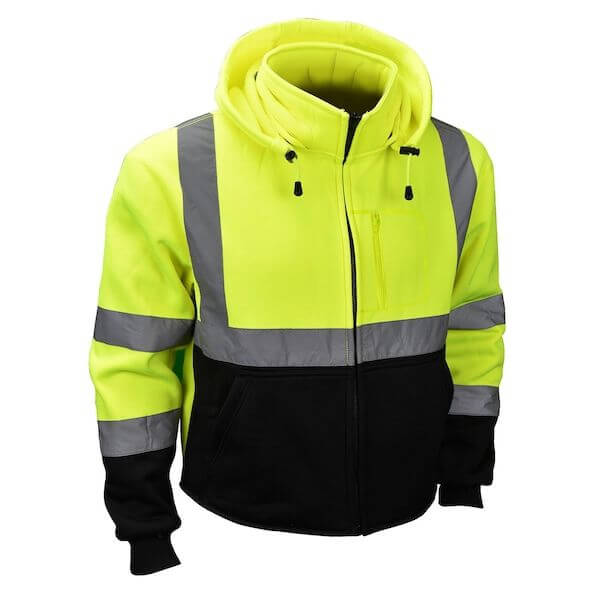
Get a Custom FR Clothing Quote from VisonSafety
VisonSafety is a certified FR workwear manufacturer that emphasizes strict quality control and fabric batch testing to support long‑term performance. For B2B buyers looking for OEM/ODM FR apparel or guidance on care protocols, contact VisonSafety to discuss custom specifications and certified maintenance options.
Inspection checklist for gasoline‑exposed garments:
- Check for residual odor after washing and drying.
- Inspect seams, trims, and labels for signs of finish loss or degradation.
- Look for visible stains, fiber weakening, or signs of melting.
- Retire or send for certified repair if any protective attribute is compromised.
Following these inspection rules helps safety teams make defensible repair‑versus‑retire decisions and maintain regulatory compliance with NFPA and EN frameworks.
Remove Gasoline from FR Clothing | FAQs
What should I do if I accidentally spill gasoline on my FR clothing?
Act quickly: remove the garment from the wearer and move it outdoors or to a well‑ventilated area away from ignition sources. Blot the spill with a non‑sparking absorbent to remove excess liquid — avoid rubbing, which can spread contamination. Place the garment in a labeled container for safe transport to cleaning and keep it away from heat and open flame.
Can I use regular laundry detergents to clean gasoline‑contaminated FR clothing?
No. Avoid standard detergents that aren’t labeled safe for FR fabrics. Use a mild, non‑alkaline detergent specified for FR textiles to remove gasoline residues without compromising flame‑resistant properties. Always follow the garment’s care label and manufacturer instructions for safe, effective cleaning.
How can I tell if my FR clothing is still safe to wear after cleaning?
Inspect the garment carefully after cleaning. Persistent odor often indicates remaining contamination. Check seams, trims, and labels for loss of finish or degradation, and look for stains, fiber weakening, or melting. If any protective attribute appears compromised, retire the garment or send it for certified repair to preserve safety compliance.
What are the risks of using heat to dry gasoline‑contaminated FR clothing?
Drying with heat can force residual hydrocarbons deeper into fibers and increase off‑gassing, creating an ignition hazard. Heat may also degrade flame‑retardant finishes. Always air dry contaminated garments in a ventilated area until odor and residues are fully gone before applying any heat.
How often should FR clothing be inspected for gasoline contamination?
Inspect FR clothing after any exposure to flammable liquids. Additionally, include checks in routine maintenance—especially after use in environments where gasoline exposure is possible. Document inspections to support compliance and informed decisions about cleaning, repair, or retirement.
What are the best practices for storing FR clothing after cleaning?
Store cleaned FR garments in a cool, dry, well‑ventilated area away from direct sunlight and heat. Ensure garments are completely dry and free of odors before storage. Use breathable garment bags or containers that allow air circulation; avoid sealed plastic bags that can trap moisture and odors. Proper storage helps preserve flame‑resistant properties and garment longevity.
Conclusion
Removing gasoline from flame‑resistant clothing correctly is essential to keep workers safe and maintain regulatory compliance. By following these steps — immediate containment, FR‑appropriate pre‑treatment, gentle washing, ventilated drying, and careful inspection — you protect both people and the garment’s performance. For more guidance on FR fabric care or to explore our certified workwear range, visit our site or contact us. Safety starts with informed, consistent garment maintenance.
 English
 Deutsch
 Français
 Polski
 Português do Brasil
 Español
 日本語
日本語 Русский
 العربية
 Italiano
 Nederlands
 Türkçe
 한국어
한국어