
Flame‑resistant (FR) clothing is considered personal protective equipment because it’s engineered to lower the severity of burn injuries by resisting ignition and slowing heat transfer during thermal events. This article explains why FR garments qualify as PPE, how fabric choices and garment construction protect workers from flash fires and arc flashes, and which standards and certifications define compliant apparel. You’ll learn to tell inherent and treated FR fabrics apart, match garment types to workplace hazards, and follow practical procurement and compliance steps employers need to manage safety programs. VisonSafety — a global manufacturer and certified supplier of hi‑vis and flame‑retardant workwear — produces certified FR garments and offers OEM/ODM services for B2B buyers seeking compliant uniforms. Read on for clear, actionable guidance on standards, garment selection, and employer responsibilities for FR clothing PPE.
What makes flame‑resistant clothing qualifying PPE?
FR clothing fits the definition of PPE because it’s worn to protect the body from specific workplace hazards and can measurably reduce injury severity during thermal events. FR fabrics work through mechanisms such as char formation, self‑extinguishing fibers, and heat‑energy absorption; together these slow flame spread and reduce burn severity. Employers designate FR clothing as PPE when hazard assessments identify risks like flash fire or arc flash, or when regulations and standards require protective apparel. The sections below unpack how fabrics and garment design deliver protection and why standards require their use.
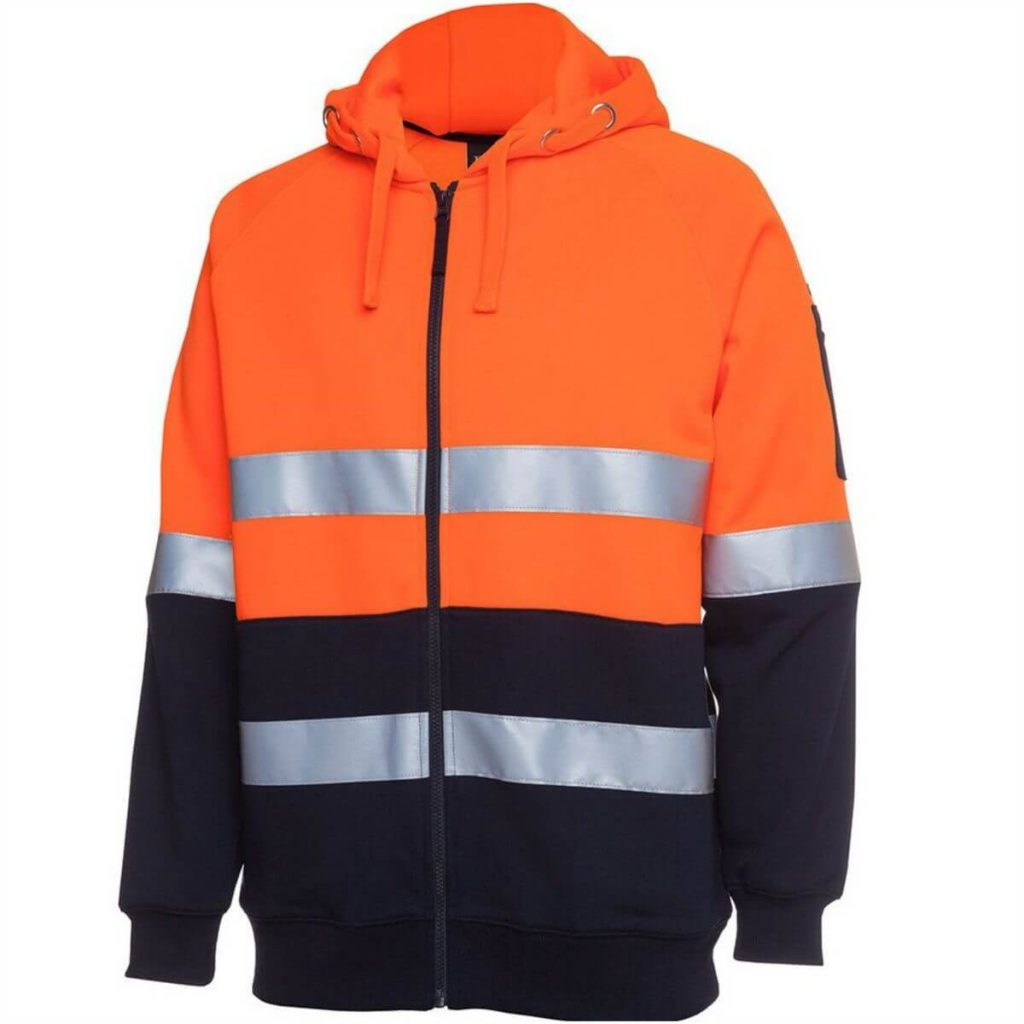
Get a Custom FR Clothing Quote from VisonSafety
How does FR clothing protect against thermal hazards?
FR clothing protects by interrupting the energy transfer that causes burns, through both material properties and thoughtful construction. Inherent FR fibers (for example, meta‑aramid) resist ignition at the molecular level and form a protective char, while chemically treated fabrics rely on finishes that help the fabric self‑extinguish when exposed to flame. Garment design — full coverage, secure closures, and minimizing exposed skin — reduces secondary ignition and limits heat exposure to vulnerable areas.
For example, an arc‑rated shirt with the appropriate arc thermal performance value (ATPV) lowers the thermal energy that reaches skin, reducing the likelihood of severe burns during an electrical incident.
Why do OSHA and safety standards classify FR clothing as PPE?
Regulators treat FR clothing as PPE because employers must protect workers from recognized hazards and cannot rely solely on administrative or engineering controls where risks remain. OSHA requires employers to evaluate hazards and provide protective equipment when other controls don’t eliminate risk, and standards such as NFPA 70E clarify what “appropriate” FR apparel looks like for electrical work. Correct classification leads to concrete employer actions: selecting certified garments, training users on correct wear and care, and keeping records to show compliance.
The next section reviews the specific standards and test metrics safety professionals should use when specifying FR PPE.
What are the key standards and certifications for FR clothing PPE?
Major standards define the scope and test methods that determine whether FR clothing is suitable PPE for particular hazards, using metrics like ATPV and breakopen threshold. Understanding these standards helps buyers select garments that match real‑world hazards — flash fire, arc flash, or other heat exposures — and ensures procurement and inspection requirements are met. Below is a concise comparison of prominent standards to guide safety managers and procurement teams.
This comparison highlights that some standards focus on flash fire while others target arc flash; buyers should match the standard to the hazard present at the worksite. For B2B clients sourcing certified FR apparel, manufacturers who can demonstrate compliance with these standards simplify procurement and reduce liability exposure.
VisonSafety manufactures FR product lines to meet major standards and supports B2B clients with certification‑ready garments. Our services include quality control, 100 percent fabric batch testing, and help with compliance documentation for certified, custom orders.
What types of FR workwear are recognized as PPE?
FR workwear spans garments designed for different coverage needs, tasks and industries; the right choice depends on hazard exposure and working conditions. Common categories include coveralls for full‑body protection, arc‑rated shirts for electrical work, and FR jackets as an outer layer for cold or outdoor environments. The table below maps garments to typical applications and certifications to help match PPE to industry needs.
This mapping helps safety teams prioritize garments based on required coverage and the standard that addresses the primary hazard. Practical selection also considers comfort and laundering — both affect long‑term PPE performance.
FR product examples and manufacturing options from suppliers support customization. VisonSafety’s range includes FR shirts, jackets, coveralls, pants, vests, sweatshirts, rainwear and headgear, with OEM/ODM services so distributors and brands can specify materials, fit and certifications to match industry requirements.
Which FR garments are commonly used as PPE in hazardous industries?
Industries use specific FR garments based on coverage and durability needs. Oil and gas operations commonly specify NFPA 2112‑certified coveralls to guard against flash fires and hydrocarbon exposure. Electrical workers often rely on arc‑rated shirts or layered systems chosen to meet ATPV/HRC targets under NFPA 70E. Welding and metalwork environments prioritize garments meeting EN 11612 performance for convective, radiant and contact heat resistance. Choosing industry‑appropriate garments reduces injury risk while supporting worker mobility and comfort.
How do inherent and treated FR fabrics affect PPE performance?
Inherent FR fabrics have flame resistance built into the fiber chemistry, delivering durable protection that won’t wash out and typically maintaining stable ATPV values over time. Treated FR fabrics use a protective finish applied to standard fibers and can offer strong initial performance but may lose effectiveness with repeated laundering or abrasion. Inherent fabrics usually cost more up front but simplify lifecycle maintenance; treated fabrics can be suitable for lower‑exposure tasks when strict laundering protocols are followed. Procurement decisions should weigh durability, comfort, maintenance and the fabric’s testing history.
How do OSHA FR clothing regulations affect PPE compliance?
OSHA’s framework requires employers to assess hazards and provide appropriate PPE, which means FR clothing must be specified, supplied and maintained as part of a broader safety program. Employers should document hazard assessments, select garments that meet relevant standards, and implement training and inspection protocols to ensure ongoing protection. The checklist below highlights core employer actions for FR PPE compliance and supplier verification steps.
- Conduct a hazard assessment to identify flash fire and arc flash risks.
- Select FR clothing that meets the appropriate standard and ATPV/EBT rating.
- Provide training on correct wear, inspection and laundering procedures.
- Inspect and replace damaged or out‑of‑date garments per program rules.
This checklist links employer responsibilities to procurement choices and operational safety outcomes. Clear documentation of hazard assessments and PPE policies strengthens compliance and worker protection.
VisonSafety supports B2B procurement with services that simplify compliance: ISO 9001 manufacturing, 100 percent fabric batch testing, traceability, fast sampling (5–10 days), typical delivery windows (20–30 business days), flexible MOQs, after‑sales support, warranty/replacement services, and assistance with compliance documentation and DDP shipping options to reduce logistics complexity.
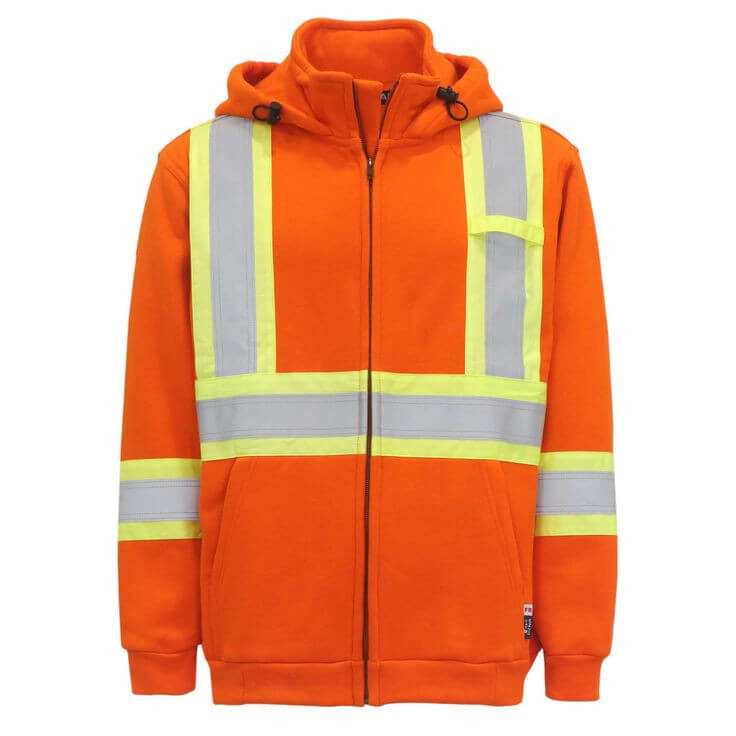
Get a Custom FR Clothing Quote from VisonSafety
What are OSHA’s requirements for employers regarding FR PPE?
OSHA requires employers to evaluate workplace hazards and provide suitable PPE when engineering and administrative controls don’t eliminate risk. Employers must ensure PPE selection aligns with relevant standards and testing metrics, provide training on correct use and care, and keep records of PPE issuance and inspections. Regular inspection and replacement schedules preserve protective performance and support compliance during audits. Strong program administration reduces injury risk and aligns operational practice with regulatory expectations.
How can businesses ensure their FR clothing meets OSHA standards?
Adopt a procurement checklist when sourcing FR clothing: request certification labels and test reports, verify supplier quality systems (for example, ISO 9001) and batch testing practices, and retain procurement and maintenance records for audits. Ask suppliers for traceability documentation and warranty terms to ensure garments perform across their service life. Keeping these records and partnering with manufacturers that provide compliance support reduces procurement friction and builds a defensible safety program.
Is FR Clothing PPE | FAQs
What is the difference between inherent and treated FR fabrics?
Inherent FR fabrics are made from fibers that are naturally flame‑resistant, so the protective property is built into the fiber and won’t wash out over time — delivering consistent performance and durability. Treated FR fabrics have a flame‑resistant finish applied to conventional fibers; their protection can diminish with repeated washing or wear. Treated fabrics may be less expensive initially but require stricter maintenance to remain effective. Knowing the difference is key to choosing the right FR clothing for a given hazard.
How should FR clothing be maintained to ensure its effectiveness?
Proper maintenance keeps FR clothing protective. Employers should follow the manufacturer’s laundering guidelines, avoid harsh chemicals that can degrade flame resistance, and run regular inspections for wear, damage or contamination. Any compromised garments should be removed from service and replaced. Training employees on correct care and storage extends garment life and helps maintain compliance with safety standards.
Are there specific industries that require FR clothing more than others?
Yes. Industries such as oil & gas, electrical utilities and welding have a higher demand for FR clothing because their work exposes employees to flash fires, arc flashes and extreme heat. In these sectors, compliance with standards like NFPA 2112 and NFPA 70E is critical, and employers must prioritize proper FR clothing selection to manage risk.
What role do employers play in ensuring FR clothing compliance?
Employers are responsible for conducting hazard assessments, selecting appropriate FR garments that meet relevant standards, providing training on correct use and care, maintaining documentation of PPE issuance, and implementing routine inspection protocols. Actively managing these responsibilities improves workplace safety and helps ensure compliance with OSHA regulations.
Can FR clothing be customized for specific workplace needs?
Yes. Many manufacturers, including VisonSafety, offer OEM/ODM services so businesses can specify materials, fit and certifications tailored to their operations. Custom options include additional pockets, reflective strips for visibility or color coding for roles. Customization ensures FR clothing meets safety requirements while supporting worker comfort and operational needs.
What are the consequences of not using compliant FR clothing?
Not using compliant FR clothing increases the risk of severe burns and long‑term injuries for workers, and exposes employers to fines, legal liability and reputational damage. Inadequate protection can also hurt morale and productivity. Investing in certified FR clothing is essential to protect people and manage organizational risk.
Conclusion
Flame‑resistant clothing is a critical element of PPE that significantly reduces burn risk in hazardous workplaces. By understanding applicable standards, garment types and maintenance protocols, employers can ensure compliance and strengthen worker protection. Investing in high‑quality, certified FR clothing protects employees and supports a culture of safety across the organization. Explore our range of certified FR garments to meet your workplace safety requirements today.
 English
 Deutsch
 Français
 Polski
 Português do Brasil
 Español
 日本語
日本語 Русский
 العربية
 Italiano
 Nederlands
 Türkçe
 한국어
한국어