
Many employers ask plainly: does OSHA require FR clothing? Short answer: OSHA doesn’t mandate that every worker wear flame-resistant garments, but it does require employers to assess hazards and provide suitable personal protective equipment (PPE). When thermal or electrical risks exist, that PPE can include flame-resistant (FR) or arc-rated apparel. This guide lays out the regulatory framework, the specific OSHA citations that commonly trigger FR requirements, and practical steps for matching garments, fabrics, and certifications to workplace risk. You’ll find which industries most often need FR workwear, how NFPA and ASTM standards fit into an OSHA compliance program, and key procurement and care decisions that preserve protection. The content is organized into four sections: OSHA’s FR clothing requirements, industry expectations, how OSHA relates to voluntary FR standards, and practical buying and maintenance guidance — with checklists, comparison tables, and examples to help safety managers perform defensible hazard assessments and specify compliant apparel.
What Are OSHA’s Flame Resistant Clothing Requirements?
OSHA’s approach asks employers to identify workplace hazards and provide PPE when engineering and administrative controls don’t fully eliminate risk. FR clothing is one form of PPE designed to reduce burns and arc injuries from thermal exposure. The legal basis combines the employer’s general duty to provide a safe workplace with specific CFR citations that apply to electrical and thermal tasks. A task-level hazard assessment determines whether FR or arc-rated garments are needed and what protection level to specify. Below is a clear list of the situations where OSHA enforcement or cited standards commonly lead to FR requirements.
- General PPE Duty: 29 CFR 1910.132 requires employers to assess hazards and provide appropriate PPE when hazards are present.
- Electrical Work Rules: 29 CFR 1910.269 and 29 CFR 1910.335 set expectations for electrical safety and can trigger FR/arc-rated clothing requirements.
- Inspection & Enforcement: OSHA citations stem from failures to assess risk, provide suitable PPE, maintain equipment, or train employees.
These regulatory touchpoints point to the specific OSHA standards that most often require FR clothing for particular tasks and occupations.
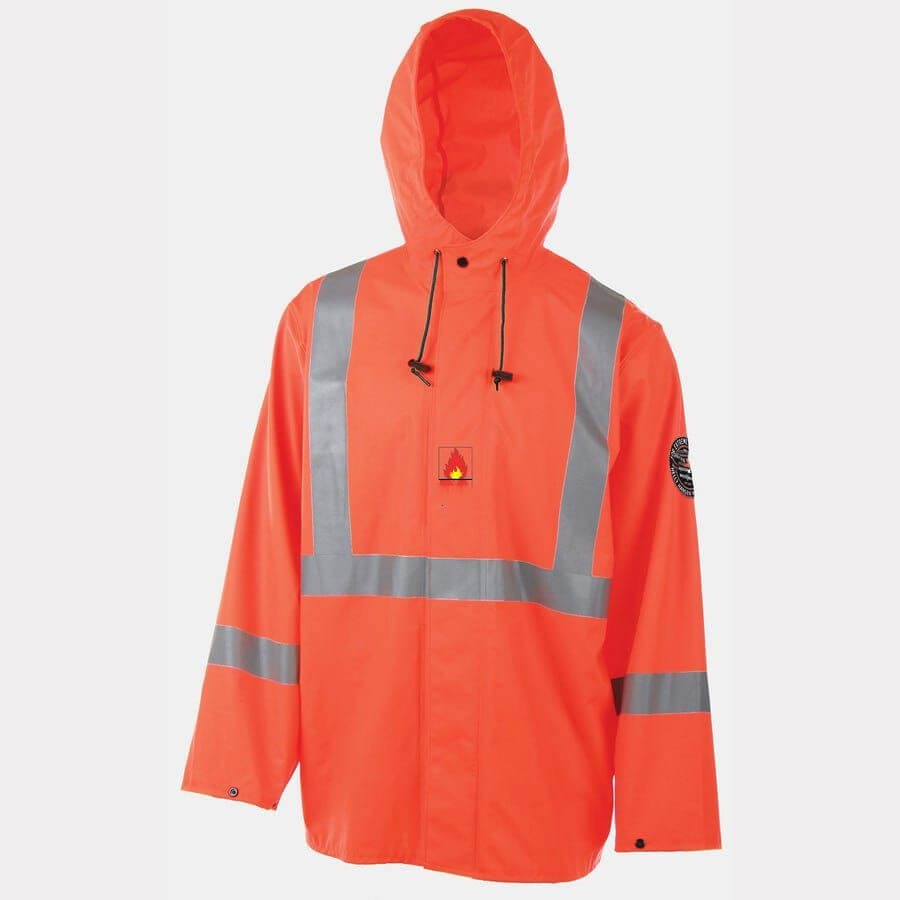
Get a Custom FR Clothing Quote from VisonSafety
Which OSHA Standards Mandate FR Clothing for Workplace Safety?
Several OSHA regulations closely align with FR or arc-rated clothing requirements by defining hazards and employer duties. 29 CFR 1910.132 establishes the overall PPE duty: employers must evaluate hazards and select PPE that protects against identified risks. For electrical transmission and utility work, 29 CFR 1910.269 and 29 CFR 1910.335 specify safe work practices around energized equipment and frequently require arc-rated clothing after a hazard analysis. OSHA enforces these rules through inspections and may cite employers for failing to provide or maintain PPE, for inadequate hazard assessments, or for insufficient training. Typical examples include a maintenance electrician performing live switching without arc-rated protection or a utility crew exposed to potential arc energy during line work—both situations commonly trigger FR or arc-rated clothing under the cited regulations.
How Does OSHA Define When FR Clothing Is Required?
OSHA’s practical threshold for FR clothing focuses on exposure to thermal hazards such as flash fire, arc flash, molten metal splash, or other ignition risks; the trigger is a documented hazard assessment. A task-level assessment identifies the energy source, estimates likelihood and severity of exposure, and follows the hierarchy of controls before selecting PPE like FR garments. Use a straightforward checklist: identify the task, estimate or measure energy exposure (cal/cm² for arc flash), determine engineering and administrative controls, then specify FR clothing with documented ATPV or equivalent certification. Proper assessment also requires training and recordkeeping so PPE choices are defensible during inspections and aligned with recognized guidance such as NFPA 70E (electrical) or NFPA 2112 (flash fire).
Which Industries Are Required to Use OSHA-Compliant FR Clothing?
Certain industries encounter recurring thermal and electrical hazards that make OSHA-compliant FR clothing a routine requirement. Industry protocols and consensus standards often convert hazard assessments into consistent PPE programs. High-risk sectors include electrical utilities, oil and gas, chemical processing, welding and fabrication, and foundries—places where arc flash, flash fire, molten metal, and combustible dust create clear dangers. Safety teams in these fields typically adopt standardized garment specs based on task-energy levels and regulatory guidance to simplify procurement and training. The list below highlights core industries and their primary hazard drivers to help prioritize hazard analysis.
- Electrical Utilities & Maintenance: Arc flash and energized equipment exposures require arc-rated clothing and alignment with NFPA 70E practices.
- Oil & Gas (Upstream/Downstream): Flash fire potential during transfers and processing makes NFPA 2112-certified garments common in purchasing specs.
- Chemical Processing & Petrochemicals: Flammable chemicals and process upsets create combined thermal and splash hazards that call for FR outerwear.
- Welding, Fabrication & Foundries: Molten metal and welding spatter demand FR fabrics with strong thermal performance and abrasion resistance.
What Are FR Clothing Requirements for Electrical Workers and Arc Flash Hazards?
For electrical work, arc-rated (AR) clothing is chosen based on the incident energy (cal/cm²) a worker could face; ATPV (Arc Thermal Performance Value) or EBT (Energy Breakopen Threshold) quantifies fabric protection. NFPA 70E and related guidance help determine hazard/risk categories (HRCs) that map to minimum arc ratings for clothing ensembles. Practically speaking, FR garments resist ignition and continue to protect after exposure, while arc-rated garments have been tested to withstand a quantified arc energy level. Selecting clothing means matching ATPV to the estimated incident energy, planning appropriate layering, and ensuring closures, seams, and accessories are AR-rated where needed so the whole ensemble maintains its protection level.
What FR Clothing Standards Apply to Oil and Gas and Chemical Processing Industries?
In oil, gas, and chemical operations the primary concern is flash fire: a rapid ignition of a vapor/air mixture. NFPA 2112 is the consensus standard most often used to specify garment performance for flash-fire protection. It defines fabric- and garment-level tests that verify ignition resistance, heat transfer, and seam integrity to limit the severity of burns during a flash-fire event. Typical garments in these sectors include NFPA 2112-certified coveralls, FR shirts, and outerwear designed for sustained protection and workplace durability. Procurement best practices emphasize manufacturer test records, traceability of certification, and clear labeling so compliance can be demonstrated and worn garments tracked through service life.
How Do OSHA Standards Relate to NFPA 2112 and Other FR Clothing Certifications?
OSHA enforces the employer’s responsibility but looks to voluntary consensus standards—NFPA, ASTM, UL, and regional EN/ISO guidance—to define test methods, certification, and material performance that demonstrate adequate protection. NFPA 2112 addresses flash-fire garments, NFPA 70E guides electrical safety and arc flash PPE selection, and ASTM standards such as F1506 describe arc-rated material requirements. Using certified clothing simplifies compliance: certification supplies objective test evidence and traceability useful for procurement records and inspection defense. The table below maps common standards to the hazards they cover and the typical certification tests used to verify performance.
This mapping shows that employers can meet OSHA obligations by specifying garments tested to these standards and keeping certification documents with procurement and training records.
VisonSafety’s manufacturing and certification capabilities are designed to support compliance-driven procurement: we operate as a global OEM/ODM partner offering NFPA- and UL-recognized product options and can provide certification records, datasheets, and batch testing summaries on request. Those factory-level assurances—documented testing, ISO quality systems, and full QC—help buyers demonstrate due diligence when specifying FR garments for regulated work.
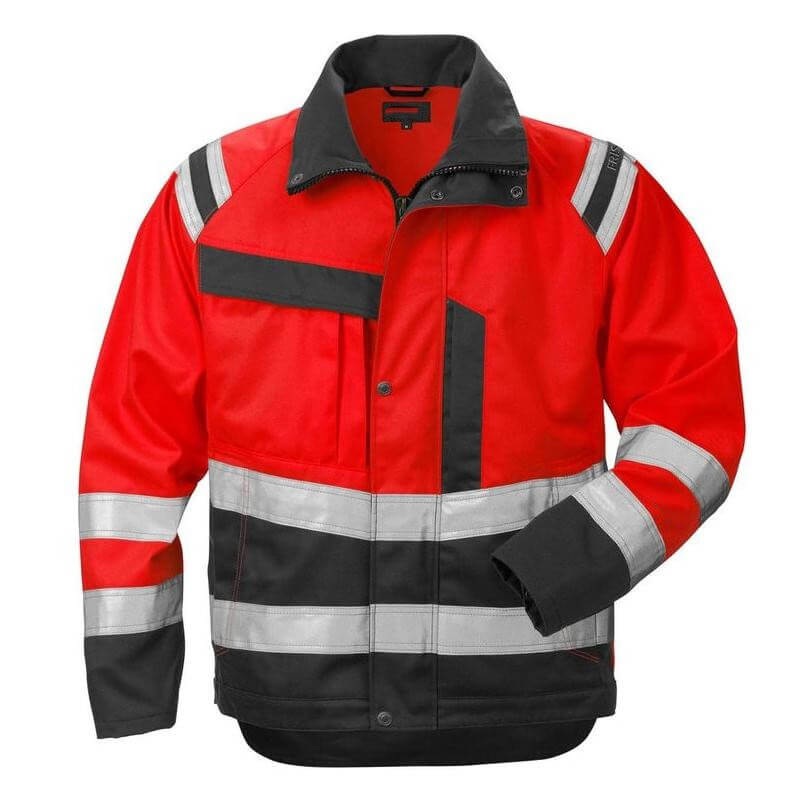
Get a Custom FR Clothing Quote from VisonSafety
What Is NFPA 2112 and Why Is It Important for OSHA Compliance?
NFPA 2112 is a consensus standard defining minimum requirements and test methods for flame-resistant garments intended to protect workers from flash fire exposures. Employers commonly reference it when selecting garments for oil, gas, and processing operations. The standard includes fabric- and garment-level tests that evaluate ignition resistance, heat transfer, and seam durability so garments limit second-degree burn risk during a flash fire. NFPA 2112 certification is objective evidence that garments meet recognized performance criteria and supports an employer’s documentation that appropriate PPE was provided following a hazard assessment. Procurement best practices recommend requesting certificates of compliance, certification numbers, and manufacturer test reports to stay inspection-ready.
How Do UL, ANSI, ASTM, and EN Standards Support OSHA FR Clothing Requirements?
Standards bodies provide complementary testing and certification employers can use to satisfy OSHA expectations—each with a different focus and geographic reach. UL offers product-level testing and certification that verify manufacturer claims. ASTM publishes material and test-method standards (for example, ASTM F1506 for arc-rated fabrics). ANSI often addresses performance and visibility requirements, while EN/ISO standards apply across Europe and other regions. When specifying FR clothing, request the standard(s) applicable to the hazard (for example, NFPA 2112 for flash fire, ASTM F1506 for arc-rated fabrics) and ask suppliers for matching test reports and certification labels to document compliance.
What Are the Key Considerations When Choosing OSHA-Compliant FR Clothing?
Choosing compliant FR clothing means balancing protection, comfort, and lifecycle cost. Key factors include fabric family, arc rating (ATPV), fit and layering, visibility, and maintenance requirements so protection is effective and actually worn. Start with the hazard assessment to determine required ATPV or certification, then choose fabrics—such as inherently flame-resistant fibers or treated cotton—based on durability and comfort. Procurement checklists translate technical needs into purchase specifications and inspection protocols. The table below compares common fabric types with typical ATPV ranges and applications to guide selection across industries.
This quick comparison helps safety procurement teams pick materials that balance protection, comfort, and cost.
- Fabric Selection: Specify inherently FR fibers for long-service protection; use treated fabrics for lower-energy tasks where appropriate.
- Arc Rating Match: Require ATPV or EBT values that align with assessed incident energy and HRC requirements.
- Ensemble & Fit: Confirm layering, closures, and accessories don’t reduce rated protection; include the full ensemble in specifications.
How Do Fabric Types and Arc Ratings Affect FR Clothing Performance?
Different fabric families deliver protection differently and age differently through laundering and wear. Inherently flame-resistant fibers (for example, meta-aramid, modacrylic) retain FR properties for the garment’s life, while treated cotton depends on a finish that can degrade with laundering or contamination. ATPV (Arc Thermal Performance Value) is a laboratory measure of the energy level a fabric can withstand before heat transfer could cause a second-degree burn. Safety teams use ATPV to match garments to incident energy estimates from hazard analysis. For example, they may select a 12 cal/cm²-rated ensemble for tasks with similar incident energy and prefer inherently FR blends for high-abrasion or long-service garments to preserve protection over time.
What Are Best Practices for FR Clothing Care and Maintenance to Ensure OSHA Compliance?
Consistent laundering, inspection, and replacement practices preserve FR performance and demonstrate an employer’s duty to provide effective PPE. Follow manufacturer laundering instructions, avoid bleach and fabric softeners that can degrade finishes, and respect temperature limits. Inspect garments regularly for contamination, thermal damage, holes, or shrinkage that reduce protection. The checklist below aligns with NFPA guidance and helps maintain compliance documentation.
- Launder correctly: Use recommended detergents, avoid bleach and fabric softeners, and follow temperature guidelines.
- Inspect frequently: Check seams, closures, and fabric condition before each use and after known exposures.
- Recordkeeping: Keep laundering logs, inspection records, and replacement criteria to show program control.
These practices lower the risk of degraded protection. Manufacturers that supply clear care labels and laundering guidance simplify employer programs. VisonSafety provides care labeling and laundering guidance with custom orders and can supply NFPA-related care documentation on request to support compliance-driven programs.
VisonSafety’s OEM/ODM manufacturing, factory batch testing, and full quality control give procurement teams the documentation and supply reliability needed when specifying certified garments; buyers can request certification records and datasheets as part of the specification and purchase process.
For B2B teams preparing specifications or seeking custom FR apparel, contact VisonSafety to request certification documentation, factory testing summaries, or a custom quote for NFPA- or UL-aligned garments tailored to your hazard assessment.
Does OSHA Require FR Clothing | FAQs
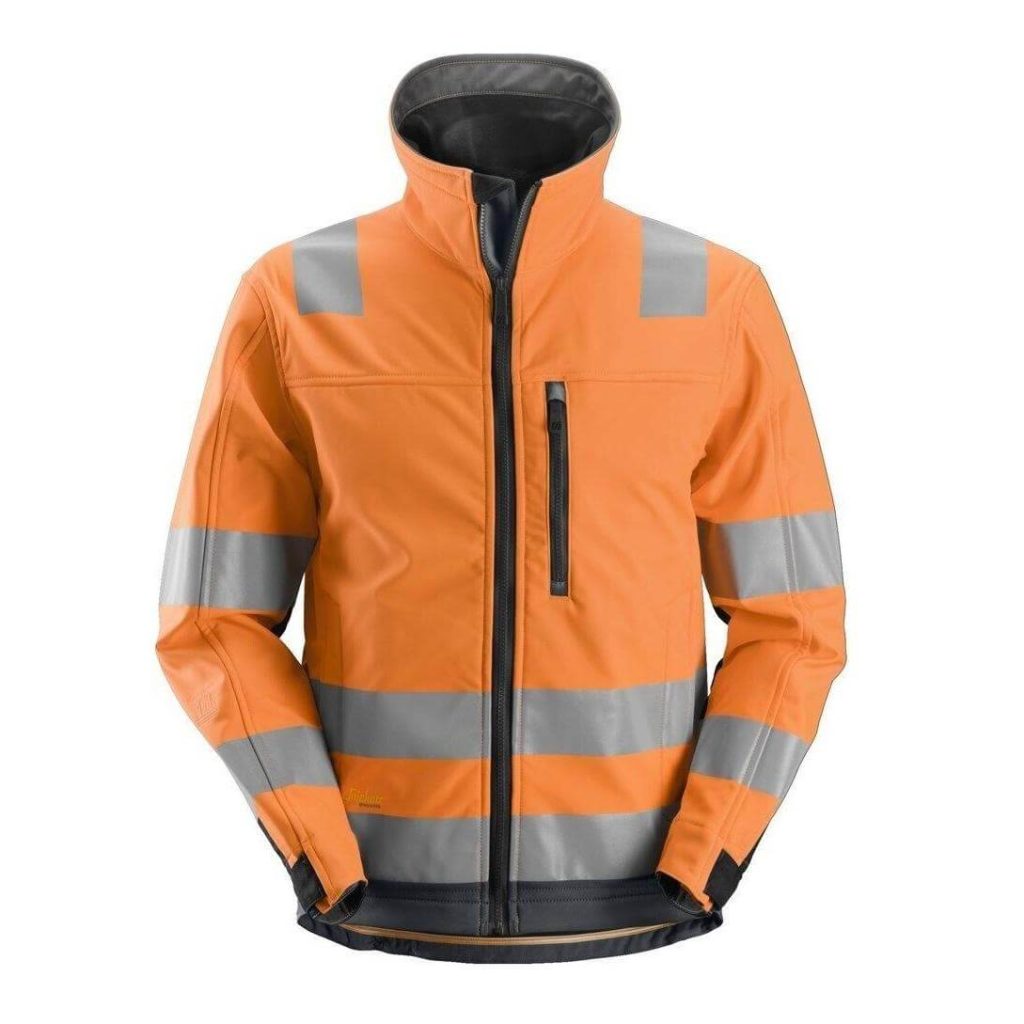
Get a Custom FR Clothing Quote from VisonSafety
What is the difference between FR clothing and arc-rated clothing?
FR (flame-resistant) clothing is designed to resist ignition and continue protecting the wearer after exposure to flames. Arc-rated clothing is specifically tested to withstand electrical arc energy and is rated using ATPV or EBT. Both protect against thermal hazards, but arc-rated garments are essential where arc flash risk exists. Knowing this distinction helps you choose the right PPE for the hazard.
How can employers ensure compliance with OSHA standards regarding FR clothing?
Start with a thorough hazard assessment to identify thermal and electrical risks. Specify FR or arc-rated clothing that meets relevant standards (for example, NFPA 2112 or ASTM F1506), keep certification and training records, and document procurement decisions. Regularly review PPE policies and training to stay aligned with evolving guidance and inspections.
What are the maintenance requirements for FR clothing to ensure its effectiveness?
Follow manufacturer laundering instructions, avoid bleach and fabric softeners, inspect garments for damage or contamination before each use, and replace items that no longer meet performance criteria. Maintain records of laundering and inspections to demonstrate an active PPE management program.
Are there specific training requirements for employees using FR clothing?
Yes. Employers must train employees required to wear FR clothing on proper use, care, and limitations of the garments, and on the workplace hazards that make FR necessary. Training should include how to inspect garments and when to report damage, with periodic refreshers to reinforce safe practices.
How do different fabric types impact the performance of FR clothing?
Fabric type affects longevity and performance. Inherently FR fabrics (meta-aramid, modacrylic) retain protection for the garment’s life and suit higher-risk work. Treated cotton works for lower-energy tasks but can lose protection with laundering or contamination. ATPV tells you how much incident energy a fabric can withstand—use that value to match garments to assessed hazards.
What role do consensus standards like NFPA and ASTM play in FR clothing compliance?
Consensus standards set the test methods and performance criteria employers use to demonstrate adequate protection. NFPA 2112 covers flash-fire garments; NFPA 70E guides arc flash assessment and PPE selection; ASTM standards like F1506 define material requirements. Following these standards and retaining test reports helps show compliance with OSHA obligations.
How can employers assess the need for FR clothing in their specific industry?
Conduct a comprehensive hazard assessment that considers the nature of tasks, presence of ignition sources, and potential injury severity. Look to industry protocols and consensus standards for guidance—sectors like electrical utilities, oil and gas, and chemical processing often have established PPE practices. Consulting safety professionals and using task-level analysis will yield defensible PPE decisions.
Conclusion
Knowing when OSHA requires FR clothing starts with a solid hazard assessment and ends with specifying, documenting, and maintaining the right PPE. By matching garments and certifications to the hazard, employers reduce thermal and electrical injury risk and can demonstrate a defensible safety program. For tailored solutions and expert support on compliant FR apparel, reach out to VisonSafety — we can help you specify, certify, and supply the right gear for your team.
 English
 Deutsch
 Français
 Polski
 Português do Brasil
 Español
 日本語
日本語 Русский
 العربية
 Italiano
 Nederlands
 Türkçe
 한국어
한국어