
Flame‑resistant (FR) clothing is purpose‑built workwear designed to resist ignition, self‑extinguish and slow the transfer of heat to the body—reducing burn severity in flash fire and arc flash events. This guide breaks down how FR garments protect workers, which industries and tasks most need them, how to pair materials and designs to specific hazards, and the inspection, laundering, and replacement rules procurement teams should follow. You’ll get a step‑by‑step selection process that links hazard assessment to fabric choice and relevant standards (for example NFPA 2112 and NFPA 70E), plus a compact buying checklist. We also compare material trade‑offs (inherent versus treated FR fibers), review common garment types (shirts, jackets, coveralls, pants), and outline practical procurement controls to reduce supplier risk. Use this as a decision map to specify FR workwear that balances protection, comfort, and lifecycle cost in real operations.
What Is Flame Resistant Clothing and Why Do You Need It?
Flame‑resistant clothing combines fabric chemistry and garment construction to resist ignition and stop burning quickly—so heat and damage to the wearer are limited. Protection comes from the fiber type (inherent fibers like meta‑aramids versus chemically treated fibers) and design details such as reinforced seams and secure closures. FR clothing lowers injury severity, helps meet regulatory obligations, and keeps crews available after incidents. For procurement teams, a basic grasp of these mechanics makes it easier to match the workplace hazard to the right FR performance and documentation.
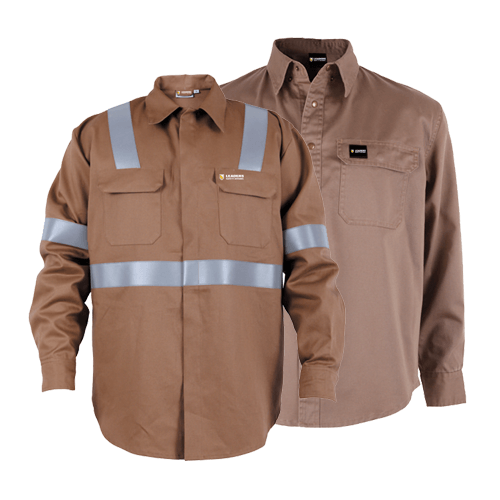
Get a Custom FR Clothing Quote from VisonSafety
What Are the Key Benefits of Wearing FR Clothing?
FR clothing reduces the severity of burns by preventing garments from continuing to burn and by slowing heat transfer to skin. It also supports regulatory compliance, lowers organizational liability, and helps maintain operations by protecting workers during high‑risk tasks. From a risk‑management perspective, better FR specification can reduce insurance exposure and downtime. For workers, the right garments—well fitting and breathable—improve confidence and mobility. Those combined benefits make FR apparel a core control in hazardous work environments.
- FR clothing reduces burn severity during flash fire and arc flash events.
- Proper FR apparel supports compliance with safety standards and employer duty‑of‑care obligations.
- Correctly specified FR garments improve worker confidence and help sustain operations.
FR garments can address multiple hazard types, but the chosen item must match the dominant risk for each role.
Which Industries Require FR Clothing for Worker Safety?
Certain industries routinely face flash fire, arc flash, molten metal or combustible‑dust hazards and therefore include FR clothing in their PPE programs. Typical examples are oil & gas operations where flash fires can occur, electrical utilities exposed to arc flash energy, welding and fabrication shops dealing with sparks and molten metal, and petrochemical plants with vapor cloud or pool‑fire risks. Construction, maintenance, and rail sectors also rely on FR apparel for specific tasks that combine ignition sources and flammable materials. Local regulation and standards (for example OSHA guidance together with NFPA documents) determine the specific garments and performance levels to specify.
- Oil & gas: flash fire exposure during transfer and processing operations.
- Electrical utilities: arc flash hazards during energized work.
- Welding and fabrication: molten metal splash and spark exposure.
- Petrochemical: vapor‑cloud, pool fire, and other high‑heat zones.
These mappings help specify which garment types and standards apply to different operational roles.
This quick comparison highlights trade‑offs among durability, comfort and lifecycle maintenance when specifying FR fabrics.
How Do You Choose the Right FR Clothing for Your Workplace?
Choosing the right FR clothing starts with a documented hazard assessment and finishes with supplier validation of performance and certification. Identify the dominant hazard (flash fire, arc flash, radiant heat, molten metal) and expected exposure duration; match material behavior (inherent vs treated) to the hazard; confirm the required standards and label data; then specify fit, layering, inspection and laundering protocols. Procurement should also vet supplier testing, sampling, lead times and customization options to lower ordering risk and ensure consistent quality.
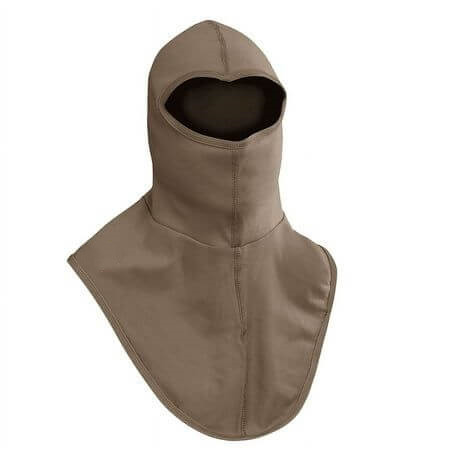
Get a Custom FR Clothing Quote from VisonSafety
- Assess Hazard: Determine whether tasks face flash fire, arc flash, molten metal or chemical risks.
- Match Material: Favor inherent fibers for sustained thermal loads; treated fibers can suit intermittent exposures.
- Verify Standards: Require test evidence to NFPA 2112, NFPA 70E, ISO 11612, or regional EN equivalents.
- Plan Operations: Define fit, layering, inspection frequency and laundering policies.
Following these steps produces a defensible specification package you can use to request quotes, samples and certifications.
VisonSafety’s manufacturing and quality systems align with these procurement needs: we offer OEM/ODM customization, certified test evidence for major standards, and manufacturing controls such as ISO 9001 processes and 100% fabric batch testing. For buyers who need custom trims, logos or tailored sampling and delivery, these capabilities create a direct path from specification to compliant production.
What Are the Most Important Factors When Selecting FR Workwear?
Key selection factors include the primary hazard and exposure duration, required performance metrics (ATPV, HRC, or flash‑fire pass/fail), material comfort for task intensity, and garment construction details such as seam and closure design. Visibility needs (Hi‑Vis FR), laundering durability, and supplier logistics (MOQs, sampling policy, lead times) also affect procurement feasibility. Consider workplace climate and worker feedback when balancing protection and wearability, and document the rationale to support compliance and purchasing decisions.
- Let hazard type and exposure duration drive material and garment choice.
- Require clear performance labels and test reports as part of procurement records.
- Account for fit, comfort and laundering behavior to support long‑term use.
Supplier transparency on testing, batch control and delivery timelines reduces purchasing risk and helps ensure consistent protective performance.
How Do FR Clothing Standards and Certifications Affect Your Choice?
Standards create objective test methods and performance metrics so you can compare products on a level playing field. For example, NFPA 2112 focuses on flash‑fire performance and garment construction; NFPA 70E and ASTM F1506 cover arc‑flash resistance and labeling; and ISO/EN standards address thermal protection for global markets. In procurement, always request certificates, lab reports and label data, and include documentation requirements in tenders and contracts to avoid accepting non‑compliant goods.
This standards crosswalk helps buyers specify the right test evidence for each hazard and jurisdiction.
What Types of FR Clothing Are Available and Which Ones Do You Need?
FR garments span lightweight shirts to heavy coveralls and arc‑rated jackets, with each style offering different coverage, mobility and protection. Use shirts and pants for routine tasks with limited exposure, jackets for intermittent higher‑heat work, and coveralls when full‑body protection or contamination control is required. Hi‑Vis FR and dual‑protection garments combine visibility and flame resistance for roadside or rail work. Choosing the right piece depends on coverage needs, movement demands and the hazard matrix for each role.
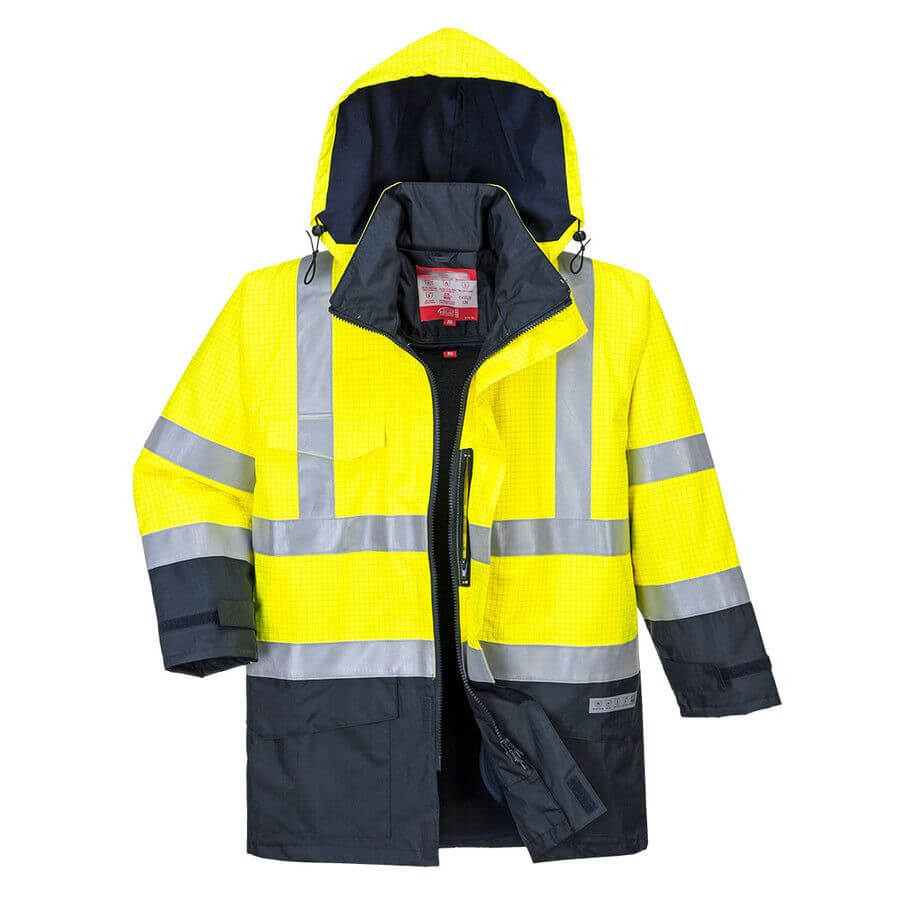
Get a Custom FR Clothing Quote from VisonSafety
What Are the Differences Between FR Shirts, Jackets, Coveralls, and Pants?
FR shirts act as a comfortable core layer and work well for low to moderate exposures. Jackets add insulation and extra protection for intermittent high‑heat tasks but can reduce breathability in hot conditions. Pants require attention to seat and knee reinforcements for durability, while coveralls deliver one‑piece full coverage at the cost of some mobility. Layering—shirt plus jacket versus a single coverall—lets teams balance protection, ergonomics and task visibility.
VisonSafety manufactures a wide FR product range—shirts, jackets, coveralls, pants, vests, sweatshirts, rainwear and headgear—and offers OEM/ODM customization and sampling. Our ISO 9001 processes, end‑to‑end quality control and ability to supply fire‑resistant trim and custom logos simplify procurement for buyers who need tailored protective clothing at scale.
How Do FR Materials Like Nomex, Kevlar, and Treated Cotton Impact Protection?
Meta‑aramids such as Nomex provide inherent flame resistance that won’t wash out and retain protective properties over a long service life—ideal for sustained thermal exposure. Kevlar adds mechanical strength and cut resistance when blended, useful where abrasion or sharp edges are present. Treated cotton is economical and comfortable, but its protection depends on chemical finishes that can lose effectiveness with repeated laundering. Balance lifecycle cost, comfort and maintenance capability when choosing fabrics.
- Inherent fibers: durable FR that lasts the garment’s life, with higher upfront cost.
- Kevlar blends: add cut and abrasion resistance to FR performance.
- Treated cotton: lower initial cost but requires careful laundering and monitoring.
The right material choice delivers protection workers will accept and predictable lifecycle costs for buyers.
How Should You Care for and Maintain Your FR Clothing to Ensure Longevity?
Good care preserves FR performance by avoiding contamination, using appropriate laundering methods, and running regular inspections to identify compromised garments. Employers should adopt written laundering policies that prohibit bleach and fabric softeners, specify approved detergents and wash settings per manufacturer guidance, and track rotations and inspection results. Inspect for holes, seam failures, contamination with flammable substances or excessive shrinkage—and retire garments before performance is compromised. Recordkeeping and supplier‑supported testing for long‑service garments add assurance for bulk programs.
What Are the Best Practices for Washing and Inspecting FR Apparel?
Follow manufacturer laundering instructions: use approved non‑enzymatic detergents at recommended temperatures, and avoid chlorine bleach and fabric softeners that can harm fibers or finishes. Inspect garments before each use for visible damage, flammable contamination, seam integrity and label legibility; tag and remove items that fail inspection. Keep inspection logs and rotation schedules so no item remains in service past its recommended life. For garments in continuous service, periodic re‑testing or consultation with the supplier is advisable.
- Use only manufacturer‑approved detergents and wash settings.
- Never use bleach or fabric softeners, which can reduce FR performance.
- Inspect and document garment condition before and after laundering.
These practices preserve FR properties and create an audit trail for compliance.
When Should You Replace Your FR Clothing for Maximum Protection?
Replace FR garments when inspections show holes, compromised seams, persistent contamination that cannot be removed, faded or illegible labels, or when laundering has noticeably changed fit or performance. Follow manufacturer guidance and service‑life recommendations to set replacement intervals, and include replacement triggers in supplier contracts to control lifecycle costs. For large programs, consider supplier testing or batch re‑certification to confirm ongoing performance and schedule phased replacements that limit operational disruption.
- Replace garments on visible damage, contamination or label loss.
- Use manufacturer data and testing to set realistic replacement intervals.
- Include replacement and testing clauses in supplier agreements.
VisonSafety supports B2B buyers needing certified, custom FR apparel at scale with OEM/ODM services, certified test evidence for major standards, and manufacturing controls such as an ISO 9001 facility and 100% fabric batch testing. Our capabilities include rapid sampling, on‑time delivery, dedicated after‑sales support, fire‑resistant trims and custom logos, plus DDP shipping options that can reduce logistics costs by up to 20%—providing a straightforward supplier path from specification to compliant production.
Choose the Right FR Clothing | FAQs
What is the difference between inherent and treated FR fabrics?
Inherent FR fabrics—such as meta‑aramids—have flame‑resistant properties built into the fiber, so protection won’t wash out and remains stable over the garment’s life. Treated FR fabrics, like treated cotton, rely on chemical finishes that can fade with repeated laundering. Treated options are often more affordable and comfortable, but they need documented laundering practices and re‑treatment guidance to maintain protection. Choose based on the task profile, expected service life and maintenance capacity.
How can employers ensure compliance with FR clothing regulations?
Ensure compliance by performing a thorough hazard assessment, selecting garments that meet the relevant standards (for example NFPA 2112 or NFPA 70E), and keeping complete documentation—certificates, lab reports and label data. Train employees on proper use, inspection and laundering, and implement a clear replacement policy for worn or damaged items. Including documentation and replacement requirements in contracts helps maintain program integrity.
What should be included in a laundering policy for FR clothing?
A laundering policy should name approved non‑enzymatic detergents, recommended wash temperatures and cycles, and prohibit chlorine bleach and fabric softeners. It should also define inspection steps before and after washing to spot damage or contamination. Regular training on laundering procedures helps extend garment life and preserve protective performance.
How do you determine the right fit for FR clothing?
Right fit balances comfort and safety: garments should allow full motion without being excessively loose. Involve workers in fittings to ensure clothing suits the tasks they perform, and account for layering needs—base layers affect the overall fit and comfort of outer garments. Collect worker feedback and adjust sizing or styles to support both protection and acceptance.
What are the signs that FR clothing needs to be replaced?
Replace FR clothing when you see holes, frayed seams, visible contamination that can’t be cleaned, or faded/illegible labels that prevent verification of compliance. If laundering has changed fit or apparent performance, retire the item. Regular inspections and adherence to manufacturer service‑life guidance make replacement decisions straightforward.
Can FR clothing be customized for branding or specific needs?
Yes—many manufacturers offer customization such as logos, colorways and tailored features. When customizing, confirm that additions (prints, trims, embroidery) do not reduce FR performance. Work with suppliers who understand FR standards and can provide test evidence for finished, customized garments.
What role does employee training play in the effectiveness of FR clothing?
Training is essential. Workers must know why FR clothing matters, how to wear it correctly, how to inspect it and how to care for it. Training should cover hazard recognition, compliance requirements and laundering procedures. Periodic refreshers keep practices current and help maintain a safer work environment.
Conclusion
Choosing the right flame‑resistant clothing is a critical step in protecting people and maintaining compliant operations across industries. By matching hazard assessment, material selection and maintenance practices to your workplace risks, you can significantly reduce injury severity and improve operational resilience. Equip your team with properly specified FR apparel that fits the task—and contact us to explore our certified product range and customization options.
 English
 Deutsch
 Français
 Polski
 Português do Brasil
 Español
 日本語
日本語 Русский
 العربية
 Italiano
 Nederlands
 Türkçe
 한국어
한국어